

Fast, Reliable Spray Foam Insulation Across Brushy Creek
Spray foam insulation in Brushy Creek typically runs $1.80-$3.50 per board foot for open-cell and $3.50-$6.50 for closed-cell, with most complete attic treatments falling between $2,800 and $6,200 depending on the square footage and whether air sealing is needed first. We’re usually on-site in Brushy Creek within 24-48 hours of your call, and dispatch is coordinated from our Austin office so crews aren’t driving in from out of county. If your home was built in the 1990s or early 2000s - and in Brushy Creek, that’s most of them - you’re almost certainly living with compressed fiberglass batts that were marginal when they were new and are now doing even less. Call (737) 252-7159 for a written price before any work starts.
Why Topside Attic Insulation Leander Is Brushy Creek’s Preferred Spray Foam Insulation Company
We’ve sealed and insulated more than 9,000 homes since 2016, and a significant share of those have been in the Brushy Creek subdivisions off FM 620, Ronald Reagan Boulevard, and the neighborhoods feeding into Cypress Creek and Brushy Creek Elementary. Our crews know the floor plans. They know which builders used R-19 batts in 1998 and which pushed to R-30 by 2004. That matters because it changes where we look for failure points and how we write the scope.
Reviews from Brushy Creek customers consistently mention two things: the before-and-after blower-door numbers we publish on every job, and the fact that we air-seal first - top plates, can lights, penetrations - before any foam goes in. One homeowner in the Fern Bluff area noted that our written scope specified sealing the knee-wall junctions that two other contractors hadn’t even inspected.
Response time to Brushy Creek is typically same-day or next-day for estimates, and our scheduling team answers calls live 24/7. No callback windows. No voicemail loops.
Our local knowledge runs deeper than zip codes. We know that Brushy Creek’s position north of Austin, right where the Balcones Escarpment meets the Blackland Prairie, creates a cooling load that the original builders didn’t fully account for. Summer attic temperatures in these vented, dark-shingle roofs regularly exceed 140°F. That thermal reality changes how we spec foam thickness, substrate preparation, and whether we recommend a roof-deck application versus floor-only.
Our Spray Foam Insulation Services in Brushy Creek
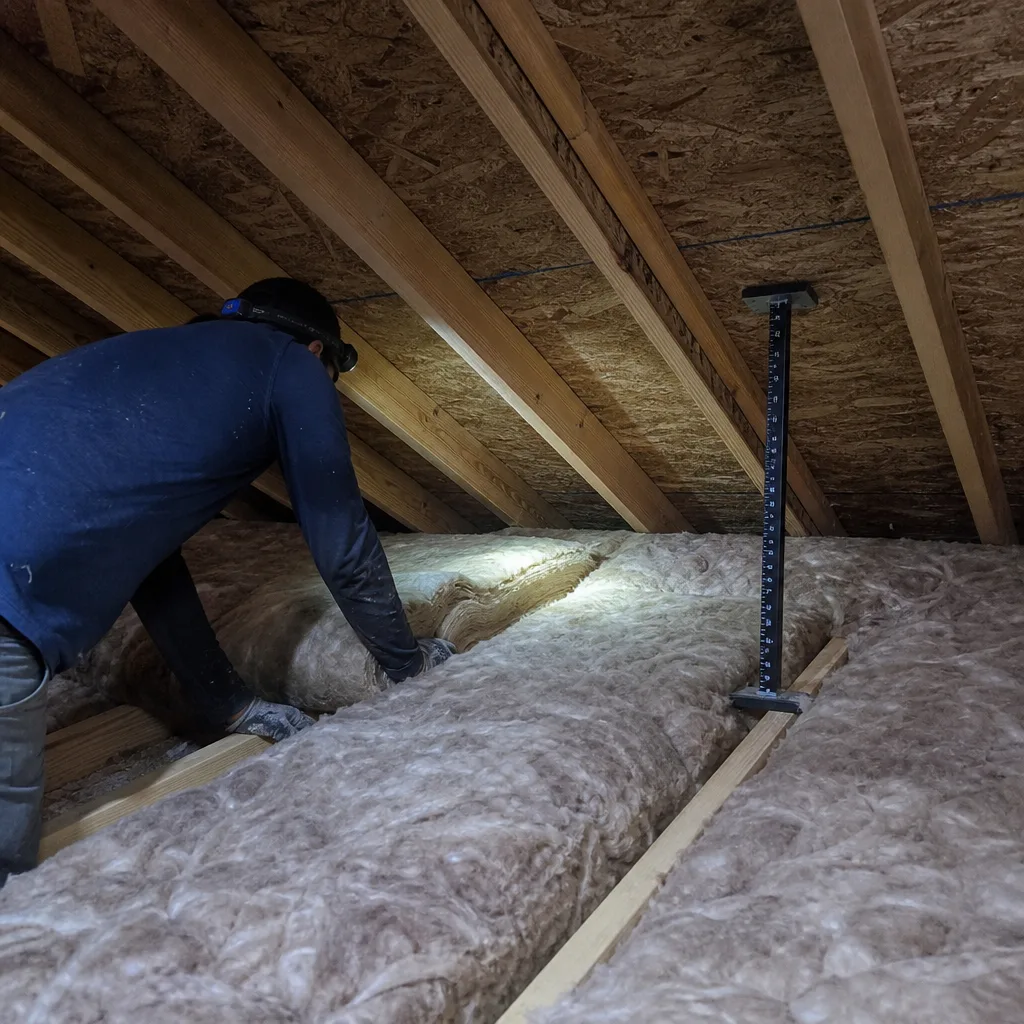
Open-Cell Spray Foam
Open-cell spray foam - the half-pound density foam that expands to fill irregular cavities - is our most common specification for Brushy Creek attic floors and knee-wall assemblies. At roughly $1.80-$3.50 per board foot installed, it’s the cost-effective path for the large, flat attic planes typical of 1990s tract homes. The foam adheres directly to the wood substrate, eliminating the convection gaps that compressed fiberglass batts can’t stop. In Brushy Creek’s climate, we typically spec 5.5 inches in attic floors to achieve R-38 equivalent, though we never install over an unsealed surface. Our Spray Foam Insulation team will air-seal top plates and electrical penetrations first, then foam. The blower-door test proves the difference.
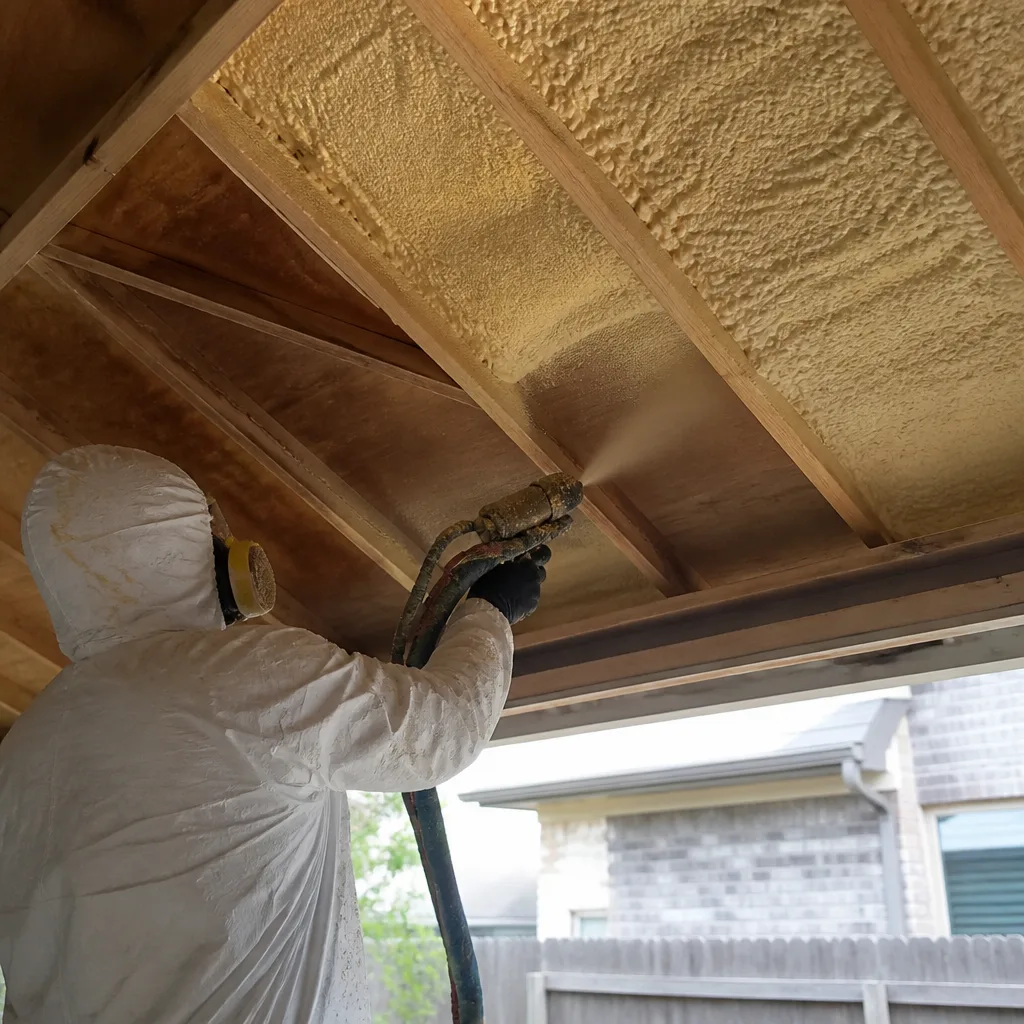
Closed-Cell Spray Foam
Closed-cell spray foam - the two-pound density product that adds structural rigidity and vapor resistance - runs $3.50-$6.50 per board foot and is what we specify for rim joists, crawl space walls, and any application where moisture management is critical. Brushy Creek’s slab-on-grade construction means most homes have exposed rim joists where the first floor meets the foundation. That’s a direct thermal bridge to outside air, and it’s where we see the most dramatic temperature differentials on infrared cameras. Closed-cell at 2-3 inches seals and insulates in one pass. After Winter Storm Uri, we’ve seen a sharp increase in Brushy Creek homeowners requesting rim-joist treatment specifically to protect plumbing in exterior walls.
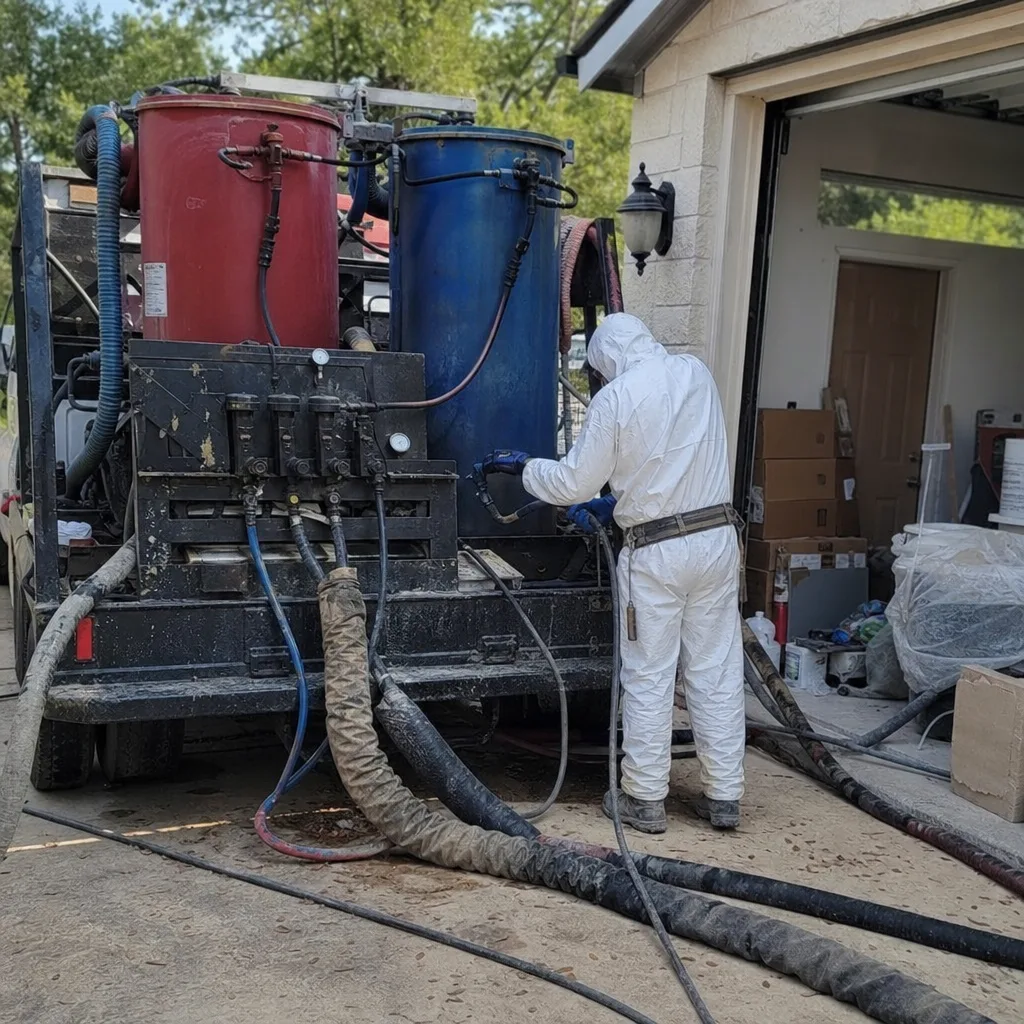
Rim Joist Spray Foam
Rim joist spray foam is a sub-service we emphasize heavily in Brushy Creek because of what happened in February 2021. The rim joist - the band of wood where your floor joists sit on the foundation - is often completely uninsulated in 1990s builds. During Uri, homes with sealed and insulated rim joists fared dramatically better than those without. Our typical rim-joist scope in Brushy Creek runs $1,200-$2,400 for a full perimeter treatment with closed-cell foam, including air sealing of all penetrations. We document the work with photos and, where accessible, blower-door readings showing the reduction in air leakage at that specific zone.
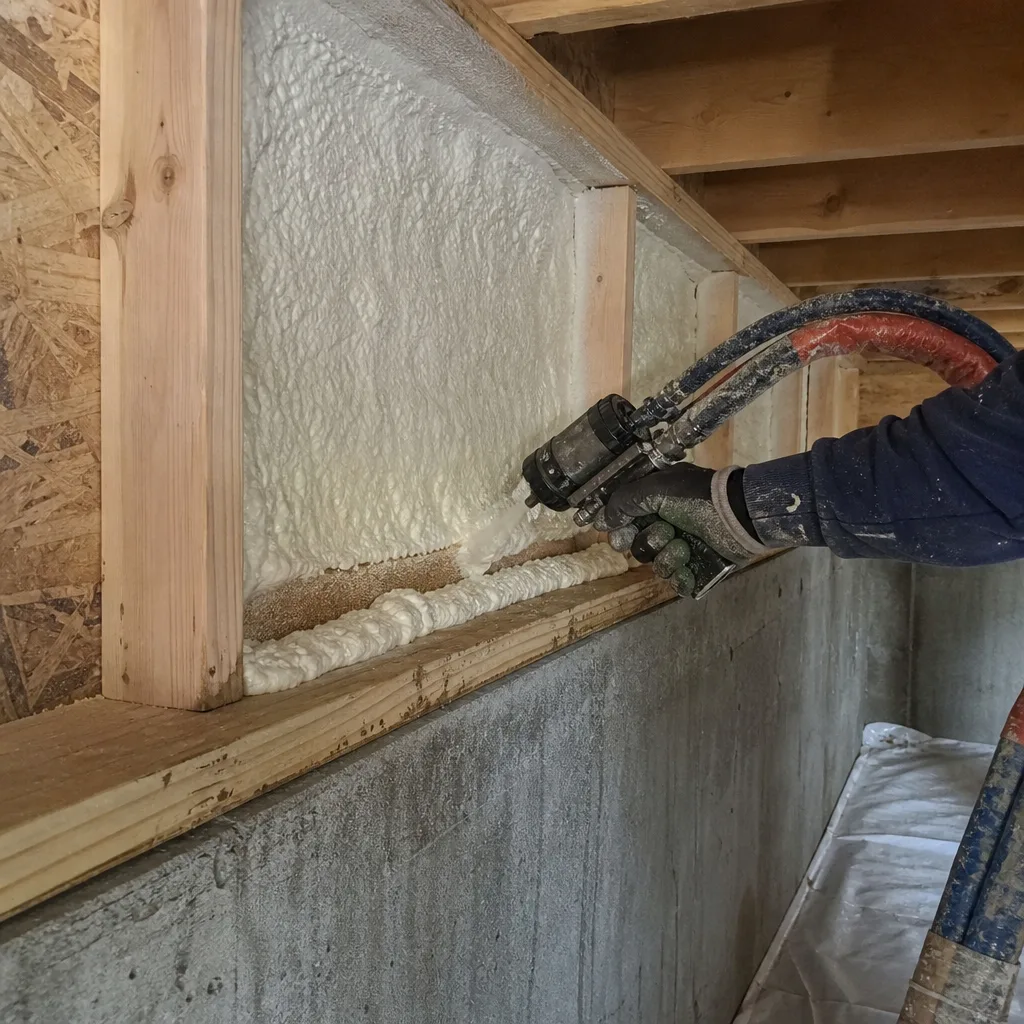
Garage Ceiling Spray Foam
Garage ceiling spray foam addresses one of Brushy Creek’s most common comfort complaints: the bonus room over the garage that won’t cool below 80°F. The garage attic is typically vented and unconditioned, with nothing but a layer of drywall separating it from the room above. We apply open-cell spray foam directly to the garage ceiling at $2,200-$4,500 for a typical two-car footprint, creating a thermal and air barrier that the original builder never installed. This is often paired with knee-wall treatment on the adjacent bonus room walls for a complete envelope fix.
Spray Foam Roof Deck
Spray foam roof deck - applying foam directly to the underside of the roof sheathing rather than the attic floor - converts a vented attic into a conditioned, semi-conditioned space. In Brushy Creek, this makes sense when HVAC equipment or ductwork is located in the attic, which is common in 1990s two-story plans. At $4,500-$9,000 for a full roof-deck treatment, it’s a larger investment, but it drops the attic from 140°F to within 10-15 degrees of the living space, dramatically reducing the load on your air handler. We only recommend this after verifying that soffit and ridge vents can be properly sealed and that the existing roof assembly can handle the changed moisture dynamics. Our crew will tell you if your roof deck isn’t a candidate - we’d rather lose the sale than create a condensation problem.
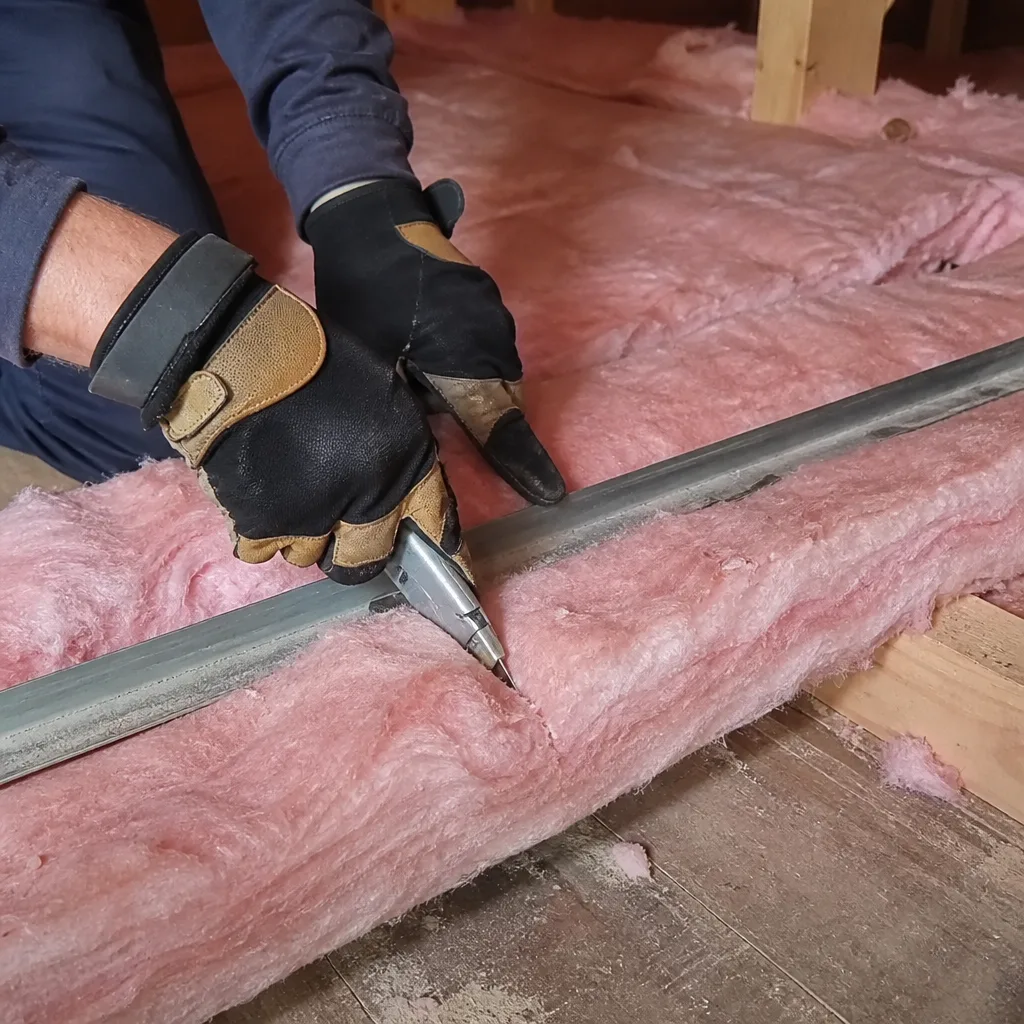
What happens when you call
- 1
A real person answersNo phone trees - you reach a local pro.
- 2
You get an upfront price rangeHonest numbers before anyone is dispatched.
- 3
A background-checked tech heads outLicensed & insured, dispatched right away.
- 4
You approve before work beginsNothing starts until you say go.
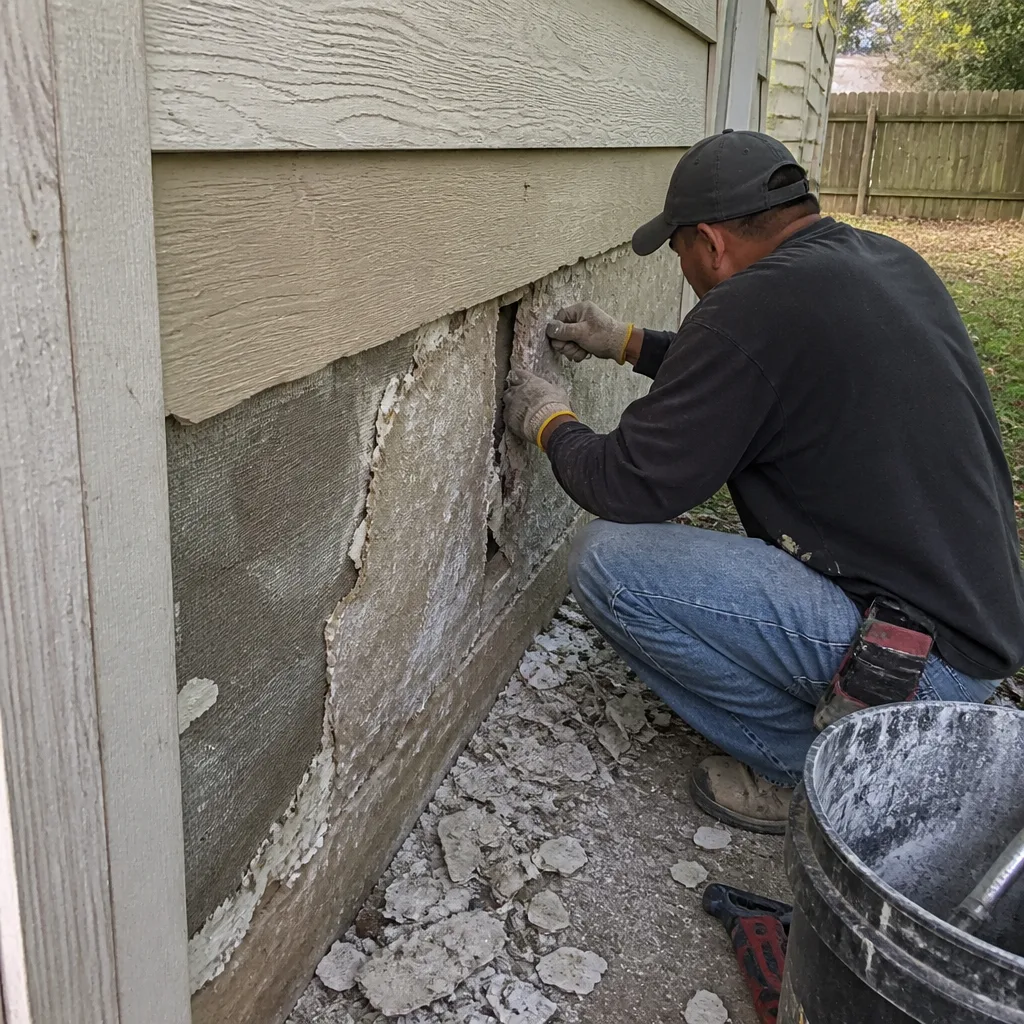 Before
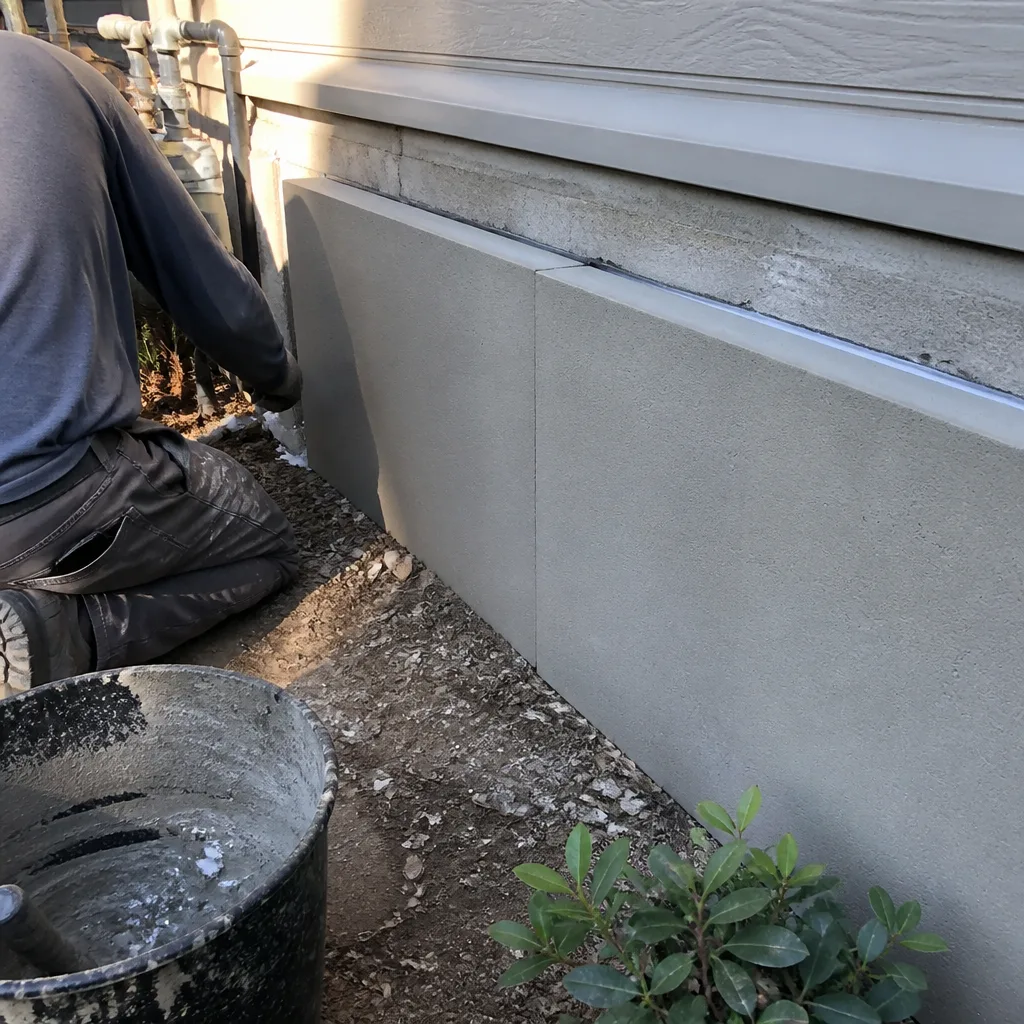 After
AfterTrusted Brands We Service in Brushy Creek
We source spray foam materials from Owens Corning, Johns Manville, and Knauf - no proprietary lock-in, no mystery chemicals. For Brushy Creek jobs, we stock open-cell and closed-cell kits locally so we’re not waiting on freight when a scope changes mid-job. The specific product we specify depends on your substrate condition, the cavity depth, and whether we’re matching existing insulation or starting fresh. Every batch is documented with manufacturer lot numbers in your job record.
Common Spray Foam Insulation Problems We See in Brushy Creek Homes
- Compressed R-19 fiberglass batts with visible gaps at top plates. In Brushy Creek’s 1990s-2000s builds, the original batts have settled and pulled away from the framing, creating convection highways that move 140°F attic air directly into conditioned space. Spray foam must fill these gaps completely; blowing new fiberglass over the top just buries the problem.
- Knee-wall junction failures in two-story bonus rooms. This is the endemic failure mode of Brushy Creek’s compressed construction era. The same floor plan repeats street after street, and our scopes routinely include identical knee-wall-to-attic junction details that don’t exist in Austin’s older pier-and-beam neighborhoods or in newer Leander builds with different roof geometry.
- Spray foam applied to dirty or inadequately prepared substrates. Brushy Creek’s vented attics accumulate dust and pollen from the Blackland Prairie; foam applied over this layer can delaminate within a few years, losing its air seal. We clean and prime surfaces before application, and we document the prep with photos.
- Rim joists and wall cavities skipped in post-Uri rush jobs. After February 2021, many homeowners added attic insulation hastily but left rim joists and exterior wall cavities untreated. The next hard freeze will find those same pipes. We inspect these zones on every Brushy Creek estimate and include them in the written scope when they’re exposed.
Pricing for Spray Foam Insulation in Brushy Creek, TX
Here’s what spray foam insulation costs in Brushy Creek’s current market:
| Application | Typical Range | Notes |
|---|---|---|
| Open-cell attic floor (per board ft) | $1.80 - $3.50 | Most common spec; 5.5″ for R-38 equivalent |
| Closed-cell rim joist (per board ft) | $3.50 - $6.50 | 2-3″ typical; moisture barrier included |
| Complete attic treatment (open-cell) | $2,800 - $5,200 | Includes air sealing, prep, blower-door test |
| Garage ceiling (open-cell) | $2,200 - $4,500 | Two-car footprint; bonus room above |
| Roof deck (open-cell) | $4,500 - $9,000 | Conditioned attic conversion; includes vent sealing |
| Rim joist perimeter (closed-cell) | $1,200 - $2,400 | Full perimeter; photo documentation included |
What moves you within these ranges: attic square footage, substrate condition (dirty decks need prep), accessibility (steep pitches add labor), and whether we’re treating knee walls or rim joists in addition to the main attic. Every Brushy Creek estimate includes a written scope, a flat price, and a written warranty before anyone lifts a tool - Haven Standard Clause 1. We also offer a Free Second Opinion on any written estimate from another contractor; bring us their scope and we’ll read it with you. Call (737) 252-7159 to schedule.
We Also Serve Cities Near Brushy Creek
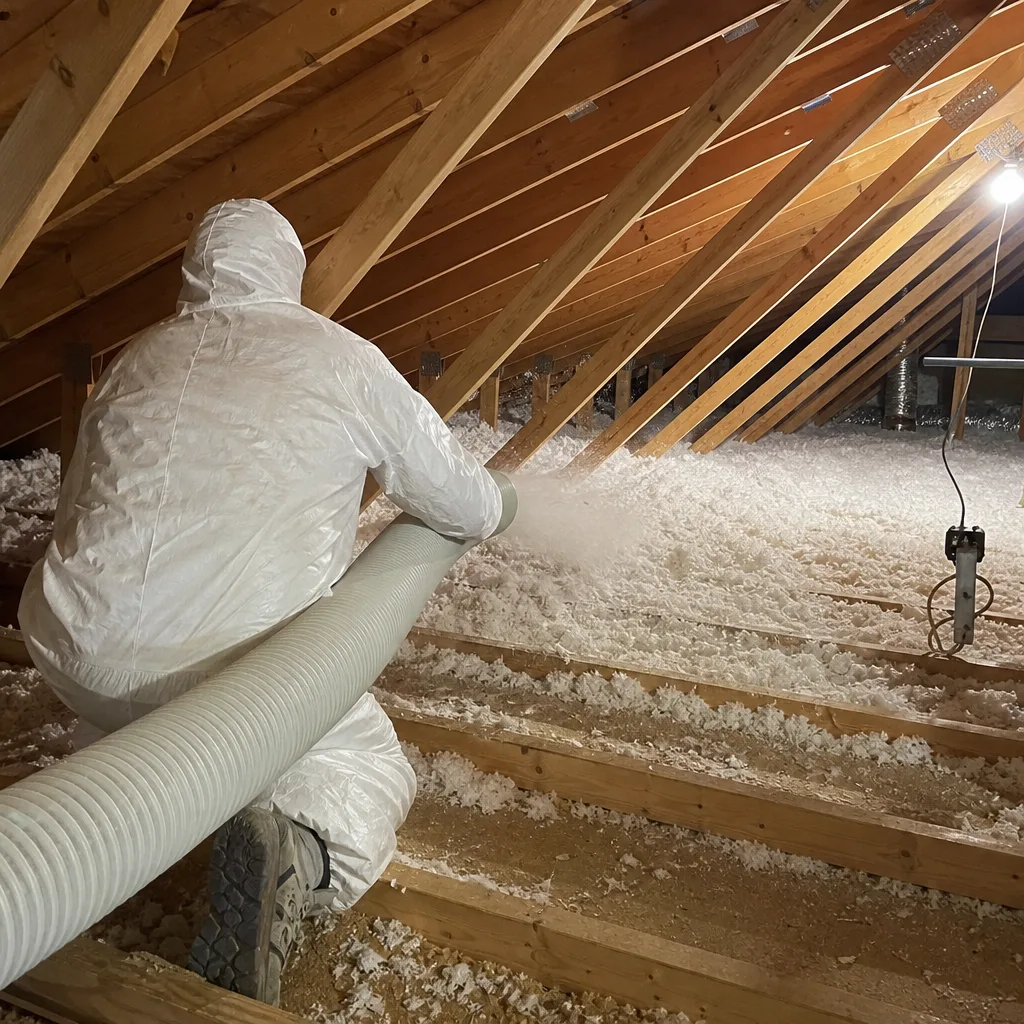
Our crews work Brushy Creek regularly and also cover Leander, Cedar Park, Jollyville, and Lago Vista from the same dispatch base. The same technician who knows your Fern Bluff floor plan probably insulated an identical plan in Cedar Park last week. That cross-market experience is useful when we’re diagnosing failure modes that span the entire 1990s-2000s construction cohort.
Serving Brushy Creek, TX - Our Local Coverage Area
We’re based in the Brushy Creek area and know this community well. Use the map below to see our service coverage - if you’re nearby, we can almost certainly help.
FAQs - Spray Foam Insulation in Brushy Creek
Adding blown insulation over compressed R-19 batts will increase R-value on paper but won’t stop the air leakage that’s driving your cooling bills. In Brushy Creek’s 1998 builds, those batts have settled away from top plates and knee-wall junctions, creating convection gaps that move 140°F attic air into conditioned space. We air-seal first - foam or caulk at all penetrations - then evaluate whether open-cell spray foam or additional blown fiberglass is the right next layer. The blower-door test tells us which path pays off. Call (737) 252-7159 for a written scope and price.
Your neighbors likely had sealed rim joists or insulated wall cavities that you didn’t. Brushy Creek’s 1990s slab-on-grade homes often left rim joists completely exposed to outside air, and exterior wall cavities in two-story plans frequently have no insulation at all below the first-floor windows. When temperatures dropped to 6°F for four days, that uninsulated perimeter became a direct path for freezing air to reach your plumbing. We treat rim joists with closed-cell spray foam and can inspect wall cavities with infrared cameras to find the gaps. Call (737) 252-7159 for an assessment - estimates are free.
Usually, yes - but the specific treatment depends on where the thermal boundary is failing. In Brushy Creek’s typical 1990s plan, the bonus room has knee walls that open into a vented attic behind them, plus a garage ceiling below that’s uninsulated drywall. We often air-seal the knee-wall junctions with open-cell spray foam, then foam the garage ceiling to create a complete thermal envelope. One Oak Brook homeowner we worked with had a room that wouldn’t drop below 82°F in June; after treatment, it held at 72°F. The scope and price are written before we start. Call (737) 252-7159.
You can, but the vents must be sealed to prevent moisture problems, and not every roof assembly is suitable. In Brushy Creek, we evaluate roof-deck spray foam only after inspecting the existing shingles, sheathing condition, and whether your HVAC equipment is in the attic (which is often the justification). A conditioned attic makes sense for some homes; for others, floor-only foam with duct sealing is the better investment. We’ll tell you which path the blower-door test and infrared inspection support, and we’ll put that in writing with a fixed price before any work begins.
Open-cell foam - half-pound density, expands to fill large cavities, vapor-permeable - is what we use for attic floors and knee walls in Brushy Creek’s vented attics; it’s cost-effective and performs well in our cooling-dominated climate. Closed-cell foam - two-pound density, adds structural rigidity, vapor-resistant - is what we specify for rim joists, crawl spaces, and any application where moisture control or compressive strength matters. The choice isn’t about which is “better”; it’s about which thermal and moisture properties match your specific assembly. We explain the specification in your written scope, including the per-board-foot price for each. Call (737) 252-7159 to review options.
We were called to a two-story brick-veneer in the Oak Brook section of Brushy Creek where the upstairs bonus room had been untouchable since June - the homeowner said the thermostat stayed at 82°F no matter what. Our tech found original R-19 fiberglass batts (circa 1999) slumped and compressed at the knee-wall junctions, with visible daylight at the top plate where the attic floor met the wall. We air-sealed those junctions and applied open-cell spray foam along the sloped ceiling and knee walls, and the room finally dropped to the low 70s. The before-and-after blower-door readings - 3,800 CFM50 down to 2,100 - were in the documented photo record we delivered at final walkthrough.
Written by Wes Okafor, Owner at Topside Attic Insulation Leander, serving Brushy Creek since 2016 under The Haven Standard.