
Knauf Radiant Barrier Installation: The Leander Owner’s Guide
Knauf radiant barrier installation in Leander typically runs $1.80 to $2.40 per square foot of attic deck, with most single-story homes in the 1,800 to 2,400 square foot range landing between $2,900 and $4,800 for a complete install. We stock Knauf EcoSeal-compatible radiant barrier rolls on every truck serving Leander, and we can usually inspect and quote same-day if you call before noon. Most homeowners realize something’s off when their July electric bill spikes $80 to $140 over the previous year, or when they notice the upstairs hallway in their Leander home won’t drop below 78°F even with the AC running continuously.
Which Knauf Models This Applies To
Knauf manufactures radiant barrier under two product lines you’re likely to encounter in Leander attics: Knauf Insulation Radiant Barrier (the perforated, double-sided aluminum foil product, typically 48 inches wide in 125-foot rolls) and the EcoSeal System (where the radiant barrier is paired with Knauf’s water-based elastomeric sealant for air-tight assemblies). The key compatibility gotcha is perforation pattern: Knauf’s perforated barrier is designed to allow moisture vapor passage, which matters enormously in Leander’s mixed-humid climate zone where an impermeable barrier installed over existing fiberglass can trap condensation against drywall in winter.
To identify what you have, check the printed edge tape on the roll or any scraps left in the attic. Knauf labels show a four-digit lot code and the R-value contribution (typically R-0.5 to R-1.0 for radiant barrier alone, though the real performance comes from emissivity reduction, not conductive R-value). If your previous installer used a generic unbranded barrier, the tell is thickness: Knauf’s product is 3.0 to 3.5 mils of reinforced aluminum, while the thin hardware-store stuff tears on contact with rafter edges.
We’re an independent service provider with no affiliation to Knauf. We source their product because the perforation pattern and tear resistance hold up in Texas attic conditions, but we also stock Reflectix if your assembly calls for a different vapor profile.
Signs Your Knauf Radiant Barrier Installation Is Failing
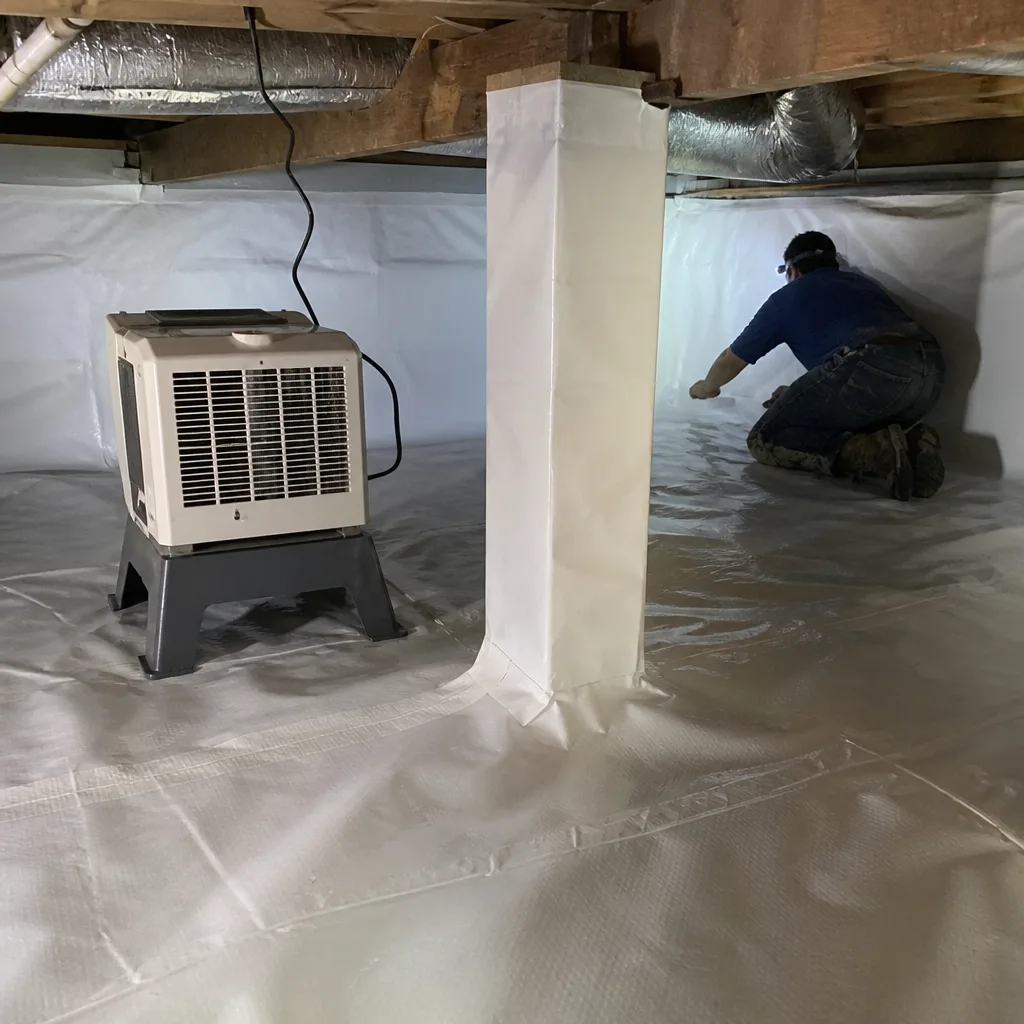
- Surface dust accumulation turning the foil matte gray. A clean Knauf radiant barrier reflects 95 to 97 percent of radiant heat; dust drops that to 60 percent or lower. In Leander, where caliche dust infiltrates through ridge vent gaps, we see this most often on barriers installed before top-plate sealing was completed.
- Sagging or draping between rafters, no longer taut. Knauf specifies staple spacing at 6 to 8 inches on center with corrosion-resistant staples. When installers used standard staples or spaced them at 12 inches, gravity and attic heat cycling cause the foil to belly down onto insulation below, eliminating the critical air gap that makes radiant barrier work.
- Tears or punctures along rafter edges, especially near the attic hatch. These are installation damage, not product failure, but they’re functionally identical: any breach larger than a quarter creates a thermal bypass. We photograph every tear during our Documented Photo Record so you see exactly what we found.
- Hot spots on your ceiling during afternoon FLIR scanning. A properly installed Knauf barrier should show uniform ceiling surface temperatures within 3 to 5°F of ambient. When we scan Leander homes and see 12 to 18°F variation, the barrier is either missing in sections, improperly oriented (emissive side up), or compromised by air leakage washing around it.
- Visible corrosion or oxidation on the aluminum surface. This shouldn’t happen with Knauf’s product in the timeframe of normal residential use. When we see it, the cause is almost always a chemically incompatible foam or sealant applied adjacent to the foil, or roof leaks that went unaddressed.
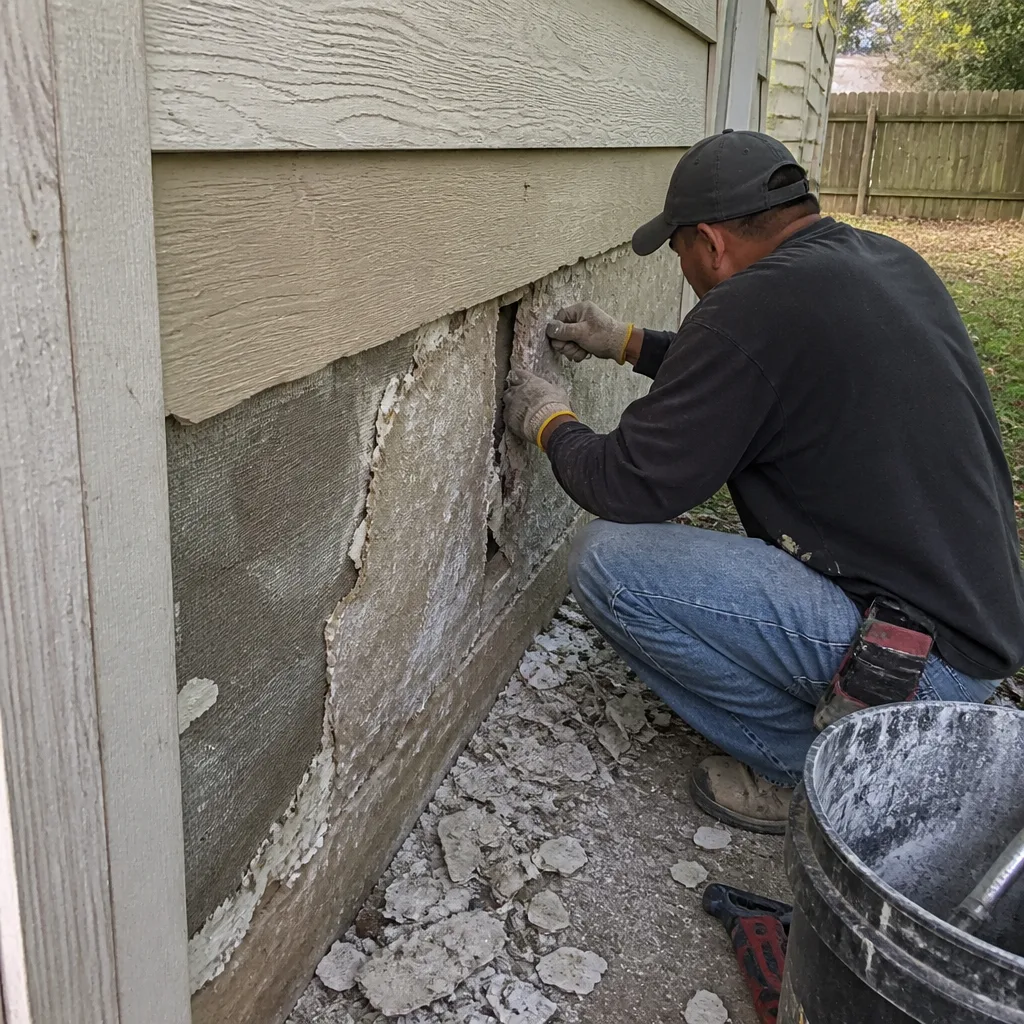 Before
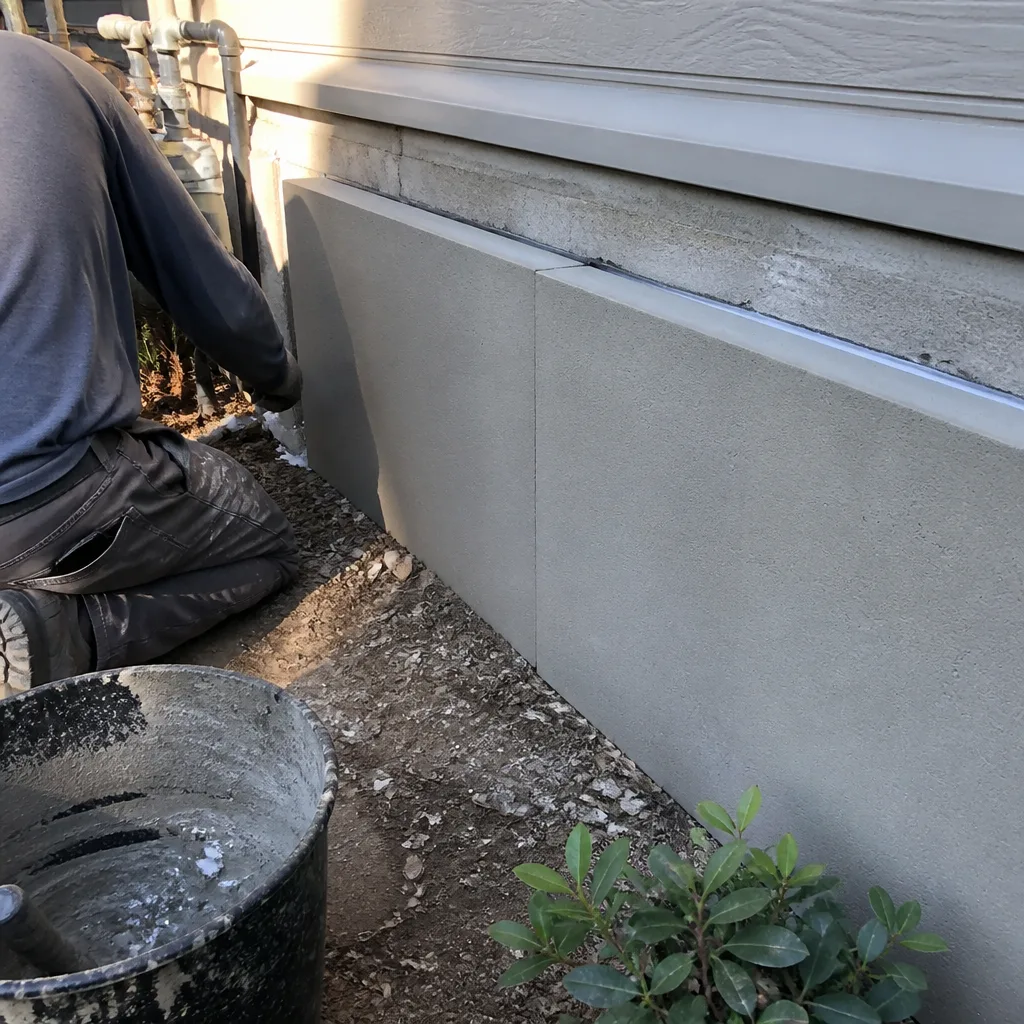 After
AfterReplacement Cost & What’s Included
| Scope | Price Range (Leander) | Typical Home Size |
|---|---|---|
| Partial replacement (damaged sections only) | $890 - $1,600 | Localized failure, 400-800 sq ft of barrier |
| Full attic redeck with Knauf radiant barrier | $2,900 - $4,800 | 1,800-2,400 sq ft single-story |
| Full install + air sealing package (recommended) | $4,200 - $6,800 | Same, with top plates, can lights, penetrations sealed first |
What drives the range: attic accessibility (steep pitch adds labor), whether existing barrier must be removed first, and whether we find unsealed air leaks that need addressing before new material goes in. We don’t blow insulation over an unsealed attic floor. The price includes Knauf material, labor, corrosion-resistant staples at proper spacing, and our 365-Day Done Right Promise. On every radiant barrier job, we provide a Documented Photo Record and, when applicable, before-and-after blower-door readings so you can verify the assembly performs as designed.
DIY or Call Us?
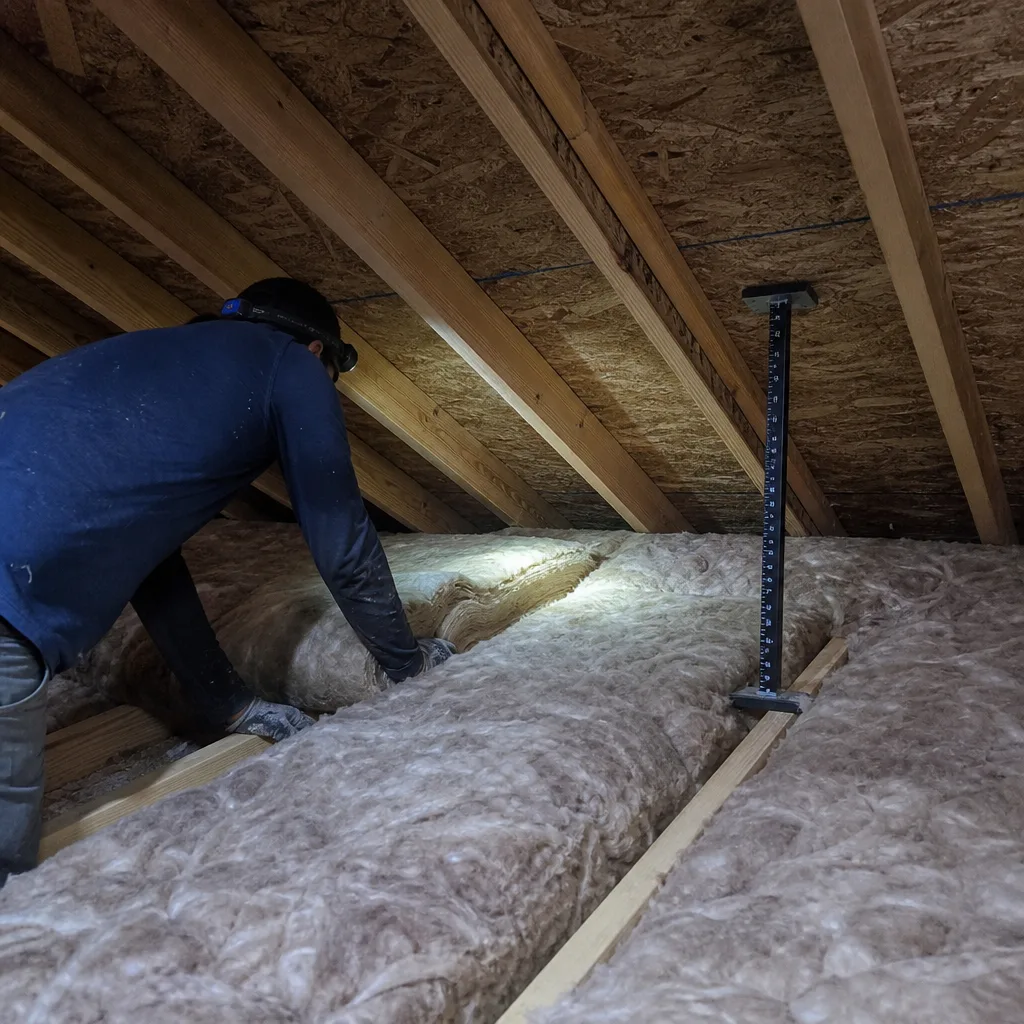
There’s no high-tension danger with radiant barrier, but there are ways to waste money and create problems. An owner can safely check: whether the foil is still taut, whether dust has dulled the surface, and whether any obvious tears are visible from the attic hatch. Use a bright flashlight and a dust mask. Don’t walk on drywall ceiling; use planks across joists.
Where DIY goes wrong: installing over unsealed air leaks (you’re stapling foil over a chimney effect), using the wrong staple type (rust bleeds through in two Leander summers), or reversing the product (the reflective side must face the open attic space, not the roof deck). We’ve also seen homeowners compress blown-in fiberglass while maneuvering in the attic, creating voids that show up on every FLIR scan.
We carry Knauf-compatible radiant barrier on every truck serving Leander. If you want a second opinion on another contractor’s quote, bring it to us and we’ll read it with you. Call (737) 252-7159.
FAQs
In Leander’s climate, a properly installed Knauf radiant barrier performs effectively for 20 to 30 years, though dust accumulation typically degrades reflectance to marginal levels after 10 to 15 years if the attic isn’t sealed against infiltration. The physical foil doesn’t decompose, but its function depends on surface cleanliness and intact installation. Call (737) 252-7159 for an attic inspection and exact condition assessment.
Small tears can be patched with matching Knauf foil tape if the surrounding material is still taut and clean, but sagging, extensively dust-dulled, or corroded barrier should be replaced because patchwork rarely restores the continuous reflective plane the assembly requires. We photograph the damage and show you exactly what we found before quoting either approach. Call (737) 252-7159 for a free estimate.
A typical Leander home takes one crew day for removal and replacement, or a half-day if we’re installing over bare rafters with no existing material to pull down. Jobs that include air sealing of top plates and can lights add a second day because we sequence the work correctly: seal first, then hang barrier. We don’t skip the sealing to save time. Call (737) 252-7159 to schedule.
We stock Knauf perforated radiant barrier in 48-inch by 125-foot rolls on every truck, along with Reflectix as an alternative for assemblies requiring different vapor permeability. No material wait, no proprietary lock-in. If your job specifies Knauf, we install Knauf. Call (737) 252-7159 for same-day availability.
Written by Wes Okafor, Owner, Topside Attic Insulation Leander at Topside Attic Insulation Leander, serving Leander and nearby areas.