
Rockwool Radiant Barrier Installation: The Leander Owner’s Guide
Rockwool radiant barrier installation in Leander typically runs $2,400-$4,800 for a 2,000-square-foot attic, depending on whether we’re layering over existing insulation or stripping back to the deck first. We stock Rockwool Comfortboard 80 and Rockwool Comfortboard 110 rigid board for radiant barrier assemblies, and most Leander jobs are scheduled within 48 hours. Homeowners usually figure out something’s wrong when their upstairs bedrooms won’t cool below 78°F by 10 p.m. in July, or when their AC compressor runs nonstop and the electric bill spikes $80-$120 in a single month.
Which Rockwool Models This Applies To
Rockwool doesn’t manufacture a standalone radiant barrier product. What we install is a radiant barrier assembly using Rockwool rigid board, typically Comfortboard 80 or Comfortboard 110, paired with a reflective facing or standalone foil layer. Comfortboard 80 runs 8 pounds per cubic foot density, R-4.2 per inch. Comfortboard 110 runs 11 pounds per cubic foot, R-4.3 per inch. The 110 is what we spec for Leander attics with cathedral ceilings or anywhere the assembly takes foot traffic during service.
Here’s the compatibility gotcha: Rockwool Comfortboard has a black mat face on one side and a plain face on the other. The reflective facing must be factory-laminated or field-applied to the correct side. We’ve found previous installs in Leander’s Crystal Falls neighborhood where the foil went on the black mat side, which traps moisture and delaminates within two seasons. The part number you want is on the board edge stamp, format “CB 80 2x48x96” or similar. If that stamp is painted over or sun-faded, measure thickness and weigh a 2×2 sample, a bathroom scale works fine. Comfortboard 80 at 2 inches thick weighs just under 11 pounds for a 4×8 sheet.
OEM Rockwool board with factory-applied foil facing costs 15-20% more than field-laminating generic foil to bare Comfortboard. We stock both. For attic floors in Leander’s climate, we typically recommend the aftermarket assembly, it performs identically in blower-door-verified jobs. For wall assemblies or anywhere the foil faces a vented cavity, factory lamination is worth the premium, the adhesive bond survives humidity cycling better.
Signs Your Rockwool Radiant Barrier Installation Is Failing
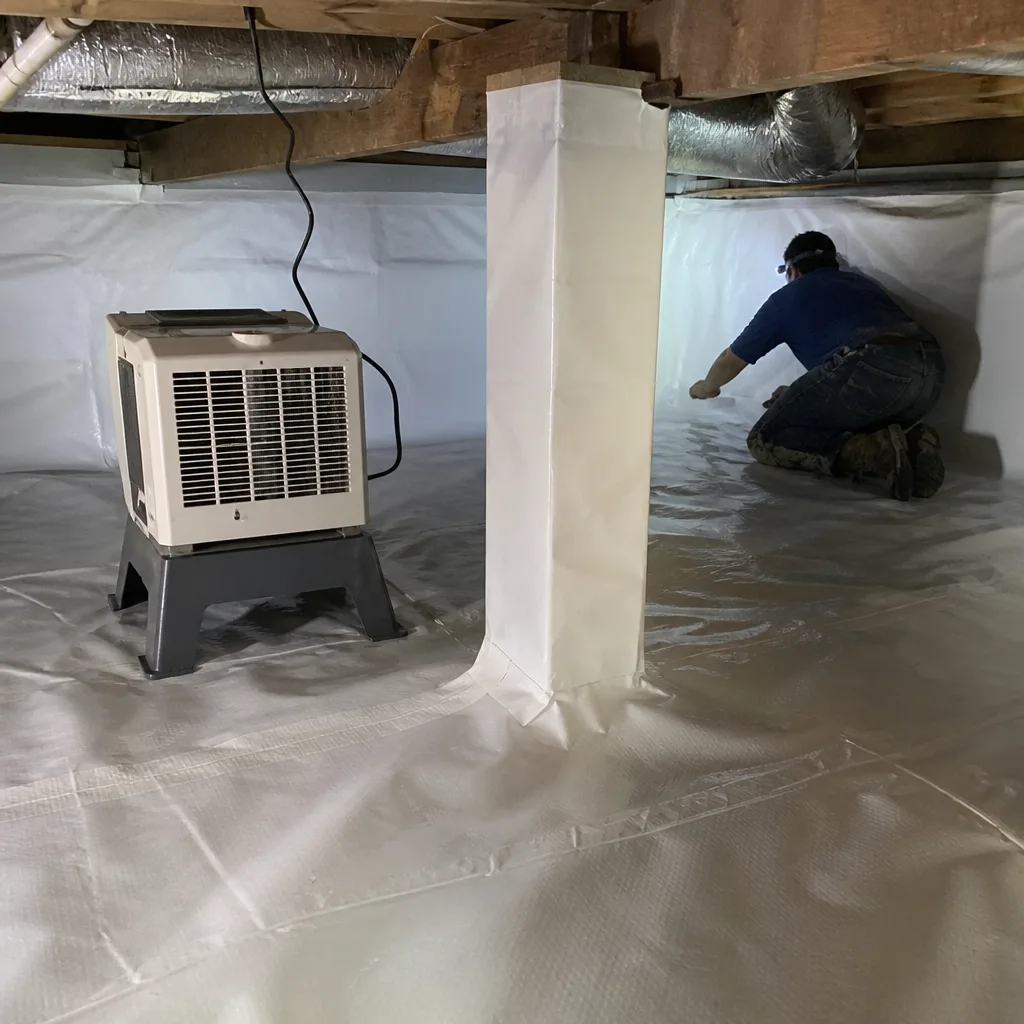
- Upstairs rooms stay hot past midnight. The radiant barrier’s reflective surface has oxidized, dirtied, or delaminated, dropping emissivity above 0.30. Once that happens, the assembly quits rejecting solar gain and your attic becomes a radiator pointed at your ceiling.
- AC runs 18+ hours daily in July but never reaches setpoint. The Rockwool board itself is likely intact, but the radiant barrier layer has failed. The insulation still slows conduction, but radiant heat transfer, which dominates attic heat gain in Leander’s 140°F peak attic temps, is now unchecked.
- Foil facing is visible and has turned dull, chalky, or spotted with corrosion. This is direct evidence of emissivity failure. Bright foil should read below 0.05 emissivity. Chalky aluminum reads closer to 0.20, which is barely better than bare roof decking.
- Moisture staining on the attic-side of drywall, especially near bathrooms or kitchens. The vapor profile is wrong, usually because a previous contractor stapled foil directly over old fiberglass without air-sealing first. Warm moist air hits the cool foil, condenses, and the Rockwool wicks it inward. We’ve seen this exact failure pattern in Leander homes built 2015-2019.
- Board edges are crumbling or have pulled away from fasteners. Comfortboard is mineral wool, it doesn’t mold, but it will sag if the fastener pattern was wrong or if someone used standard roofing nails instead of cap nails with 1-inch washers. In Leander’s freeze-thaw cycle, a 20-degree attic swing from night to day accelerates the fatigue.
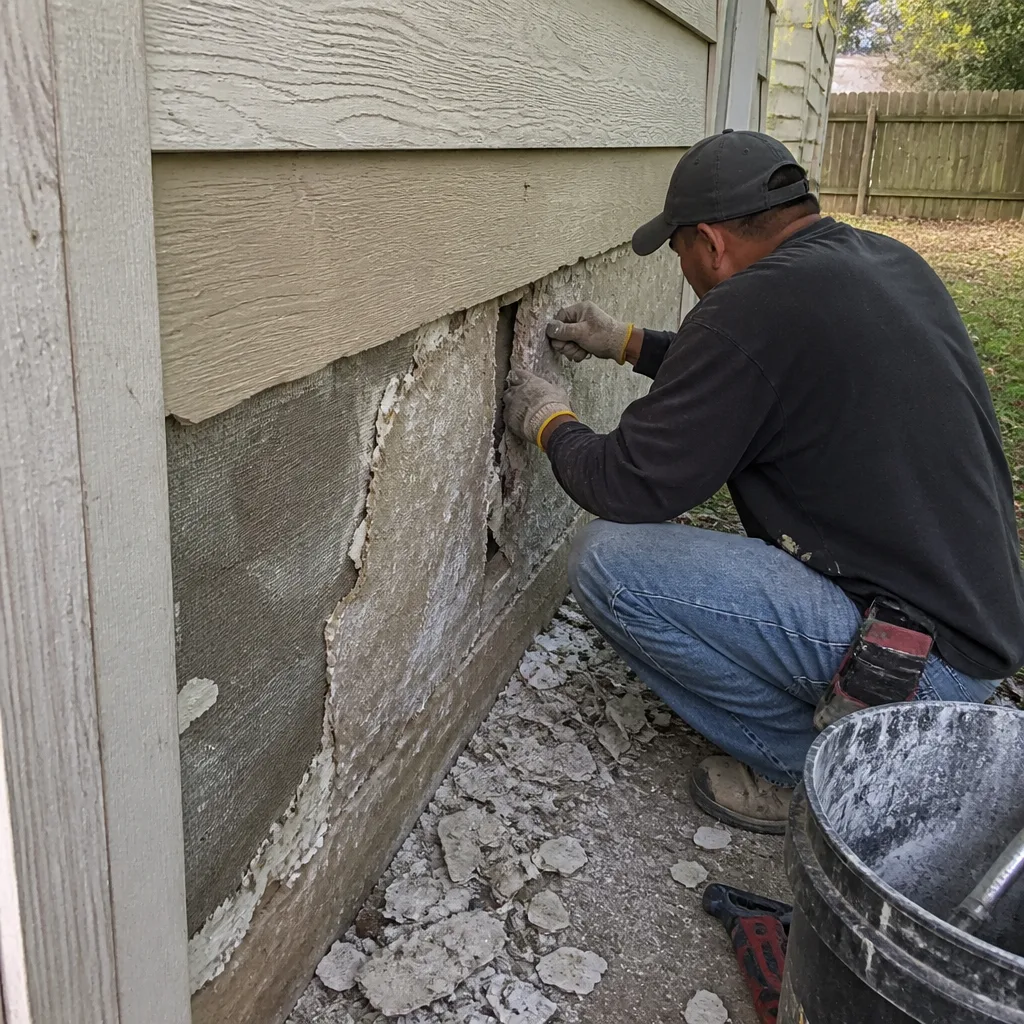 Before
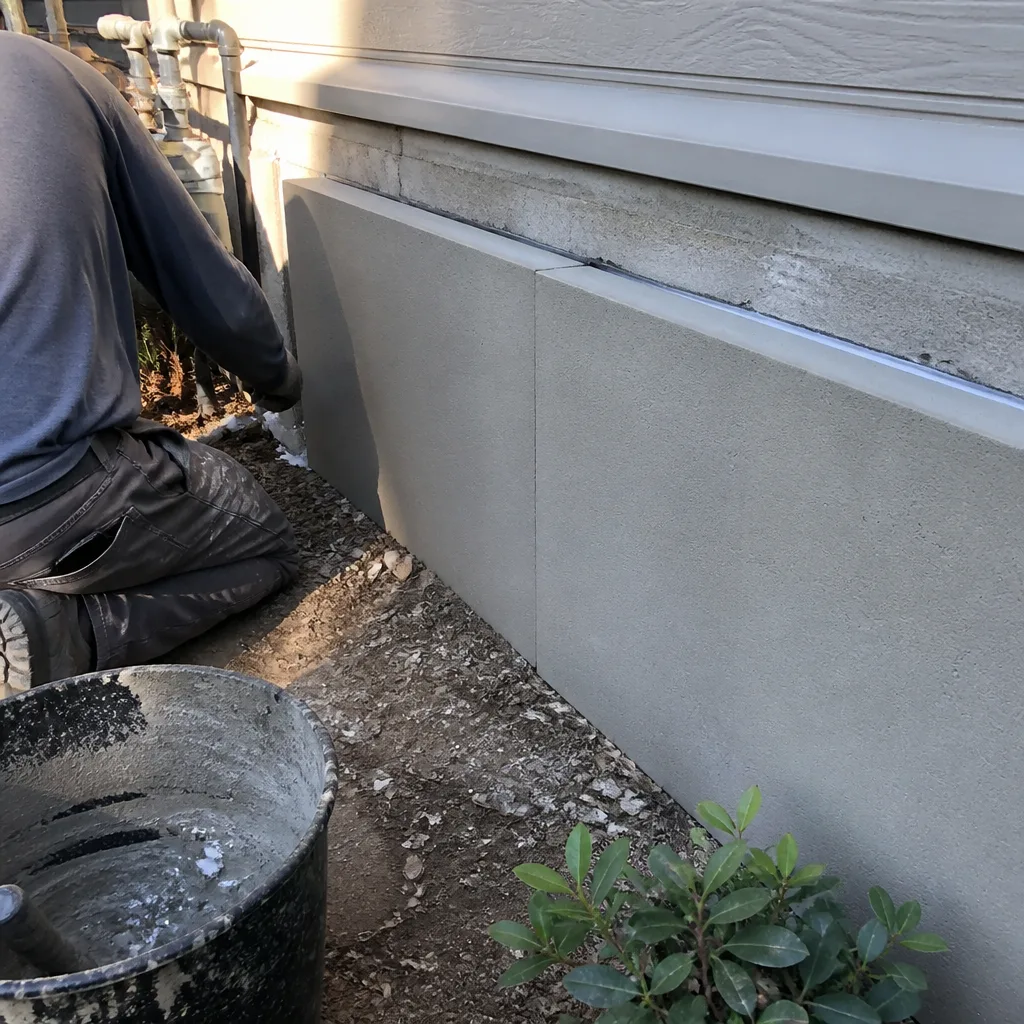 After
AfterReplacement Cost & What’s Included
| Assembly Type | Price Range (Leander) | What’s Included |
|---|---|---|
| Retrofit radiant barrier over existing insulation, air-sealed top plates | $2,400-$3,400 | Removal of failed foil, blower-door-guided air sealing, new foil or factory-laminated Rockwool, documented photo record |
| Strip-to-deck replacement with new Comfortboard 80 + foil | $3,200-$4,200 | Full removal, disposal, air sealing, new board cut to fit, foil facing verified correct, post-install blower-door test |
| Comfortboard 110 for serviceable/cathedral attics | $3,600-$4,800 | All of above, denser board, upgraded fastener pattern for walkable assemblies |
What drives the range: attic square footage, current insulation condition, and how many can lights, HVAC penetrations, and top plates need sealing before the new assembly goes in. We don’t price by the square foot alone. A 1,800-square-foot attic with twelve can lights and a furnace platform takes longer to seal correctly than a 2,400-square-foot attic with two penetrations. Every job gets a written price before work starts, Haven Standard Clause 1. The 365-Day Done Right Promise covers labor and materials. We source Rockwool through standard distribution, no proprietary lock-in.
DIY or Call Us?
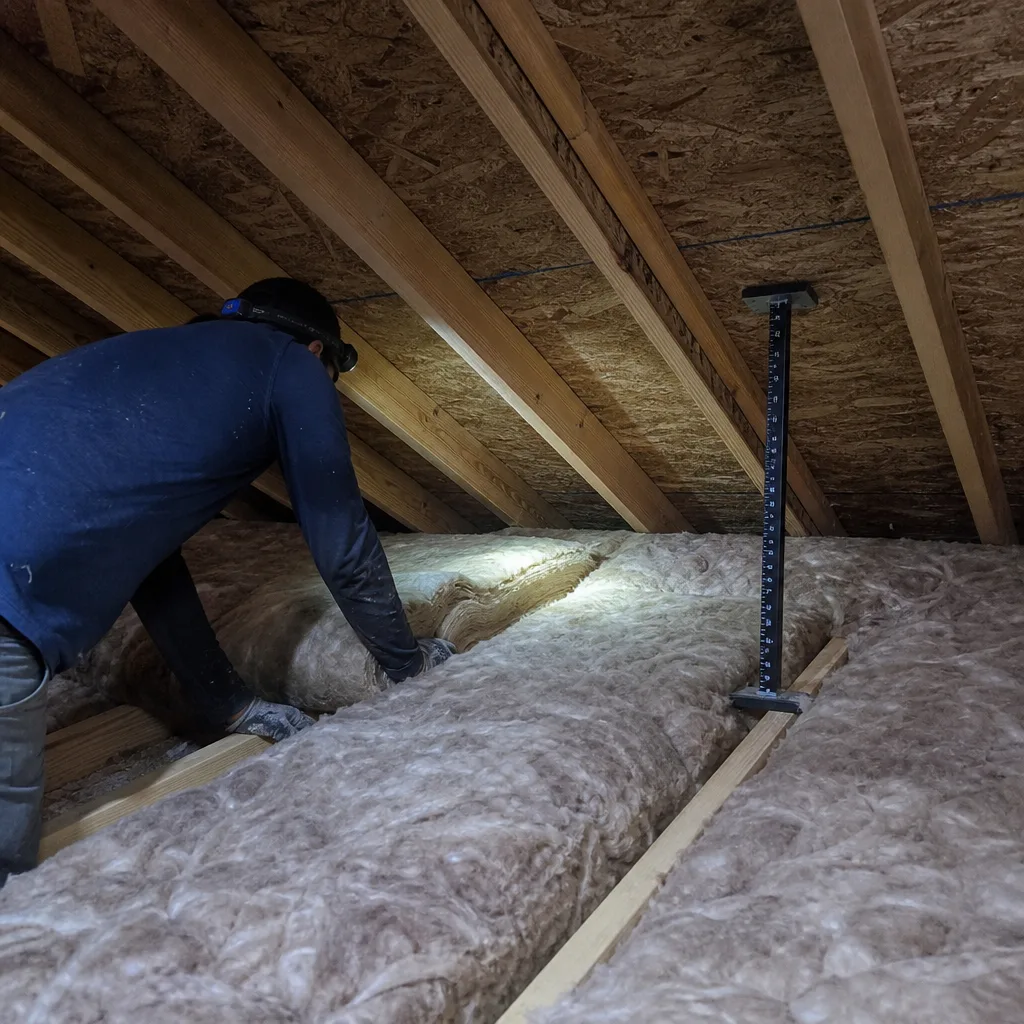
What you can safely check: verify the board edge stamp if visible, look for the dull or chalky foil we described, and note any moisture staining pattern. A phone flashlight and a camera are enough to document what you’ve got.
Where DIY goes wrong: radiant barrier installation in a vented attic is not technically complex, but the sequencing matters more than the stapling. If you lay new foil over unsealed top plates, you’re building a condensation trap. If you compress Rockwool Comfortboard against recessed can housings, you create a hot spot that degrades the board and the fixture. If you don’t verify with a blower-door test, you don’t know whether the air sealing worked. We’ve pulled back DIY installs in Leander where the homeowner did competent work but missed four top plate gaps that collectively leaked 800 CFM50, more than the bathroom fan they were trying to compensate for.
We carry Rockwool Comfortboard 80 and 110, foil facing, and cap fasteners on the truck. Call (737) 252-7159 for a written price before any work starts. Estimates are free, and we publish a Free Second Opinion on any written estimate you bring us.
FAQs
In Leander’s climate, a properly installed assembly lasts 20-25 years for the Rockwool board and 10-15 years for the foil facing before emissivity degrades. The board itself doesn’t settle or mold, but the foil layer faces UV and oxidation even in a dark attic. Attic temperatures in Crystal Falls and similar Leander neighborhoods peak near 140°F, which accelerates foil aging compared to cooler climates. Call (737) 252-7159 if your foil is past 12 years, we can test emissivity in person.
Patching works only if the failure is isolated, a torn section from a service call, for example. If the foil is broadly oxidized or if moisture has compromised the board-to-foil bond, partial repair leaves you with seams that leak radiant heat and trap condensation. We don’t recommend it for assemblies over 10 years old. Call (737) 252-7159 and we’ll photograph the damage, show you exactly what’s salvageable, and give you a written price for both options.
Most Leander retrofits take one day, 6-8 hours for a crew of two. Strip-to-deck replacements with full air sealing run two days, one for removal and sealing, one for board and foil. We don’t rush the blower-door test, that happens after the last fastener is set and before we pack tools. You’ll get the pre- and post-readings in your documented photo record that evening.
Yes. We stock Comfortboard 80 and 110 in 2-inch and 3-inch thicknesses, factory-laminated foil facing, and field-applied foil rolls. We also stock Reflectix if your assembly calls for a different approach. We’re an independent service provider, not affiliated with Rockwool, and we source through standard distribution so you’re not locked into a single brand. Call (737) 252-7159 to confirm availability for your specific assembly.
Written by Wes Okafor, Owner, Topside Attic Insulation Leander at Topside Attic Insulation Leander, serving Leander and nearby areas.