
Demilec Attic Insulation: The Leander Owner’s Guide
Demilec attic insulation replacement in Leander typically runs $2.40-$4.20 per square foot installed, with most single-story homes in the Crystal Falls or Mason Hills areas falling between $3,800 and $6,400 for a complete attic top-off or removal-and-replace. We stock Demilec open-cell and closed-cell formulations on our Leander truck, and we can usually inspect and quote same-day. Most homeowners figure out something’s wrong when their summer electric bill jumps $80-$150 or they walk into a bedroom that sits five degrees hotter than the hallway underneath it.
Which Demilec Models This Applies To
Demilec, now operating under Huntsman Building Solutions, produces several formulations that show up in Leander attics installed between 2010 and 2020. The two we encounter most are Heatlok HFO Pro (closed-cell, 2.0 lb density, R-6 per inch) and Sealection 500 (open-cell, 0.5 lb density, R-3.6 per inch). You can identify what you’ve got by checking the spray-foam surface: closed-cell cures hard and pale yellow, while open-cell stays spongy and white.
The critical compatibility gotcha in this market is mixing new foam with old. Demilec’s HFO Pro uses hydrofluoroolefin blowing agents that chemically bond poorly to older HFC-blown foam installed before 2018. We’ve pulled back failed retrofits in Leander’s Paloma Lake subdivision where a contractor sprayed new over old without a tie-in primer, and the lift separated within three years. If your original install predates 2018, we spec a mechanical scarification and primer pass before any new Demilec goes up.
OEM Demilec foam versus quality aftermarket equivalents: we source actual Demilec material through our Huntsman distributor, but we also stock Icynene and CertainTeed formulations that match the density and R-value profile. For warranty continuity on newer installs still under Demilec’s 10-year system warranty, we stay OEM. For older foam past warranty, we match the thermal performance and vapor profile, not the brand name.
Signs Your Demilec Attic Insulation Is Failing
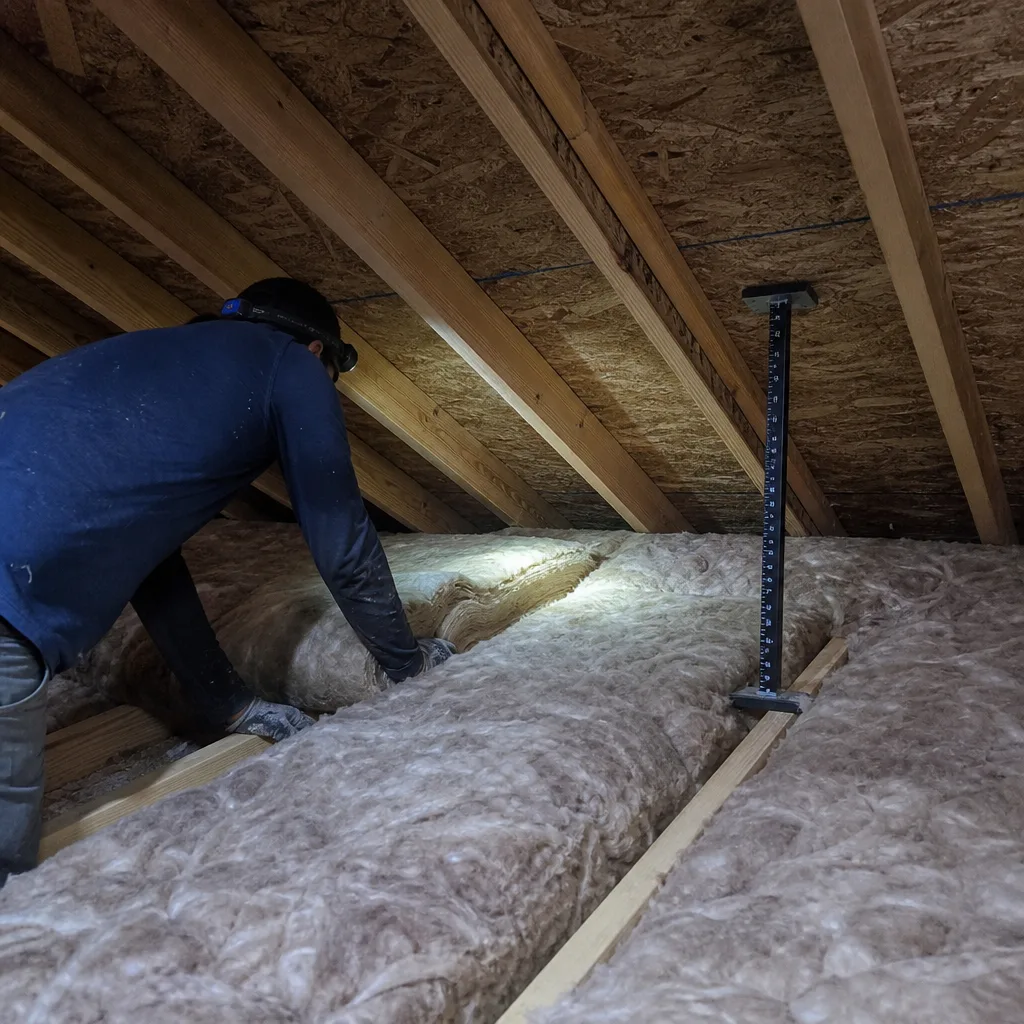
- Uneven room temperatures upstairs. The open-cell Demilec in your Leander attic may have settled or pulled away from the roof deck at the eaves, creating thermal bypass channels. We find this most often on west-facing pitches where afternoon radiation cycling fatigues the foam-to-wood bond.
- Spiking summer electric bills with no rate change. When closed-cell Demilec loses its air-sealing integrity, your attic returns to functioning like a vented space in July. The compressor runs longer to hold setpoint, and the kilowatt-hours show it before you feel the temperature swing.
- Visible yellowing, crumbling, or powdery residue on foam surfaces. UV degradation hits Demilec foam left exposed in attic spaces without a thermal or ignition barrier coating. Leander’s 140°F peak attic temperatures accelerate this; we see it in homes where the original installer skipped the required intumescent paint or left foam bare at gable-end access points.
- Moisture staining on drywall ceilings below. Open-cell Demilec is vapor-permeable by design, but if the installed thickness falls below 5.5 inches in our climate zone, warm moist air hits the cold roof deck and condenses. The foam itself isn’t wet; it’s doing exactly what its R-value allows, which isn’t enough.
- Rodent nesting or droppings on top of foam surfaces. Demilec foam doesn’t rot, but it doesn’t repel pests either. Once mice or roof rats find a gap at the soffit, they tunnel through open-cell like it’s cake. The insulation isn’t structurally failed, but it’s biologically contaminated and needs removal before reapplication.
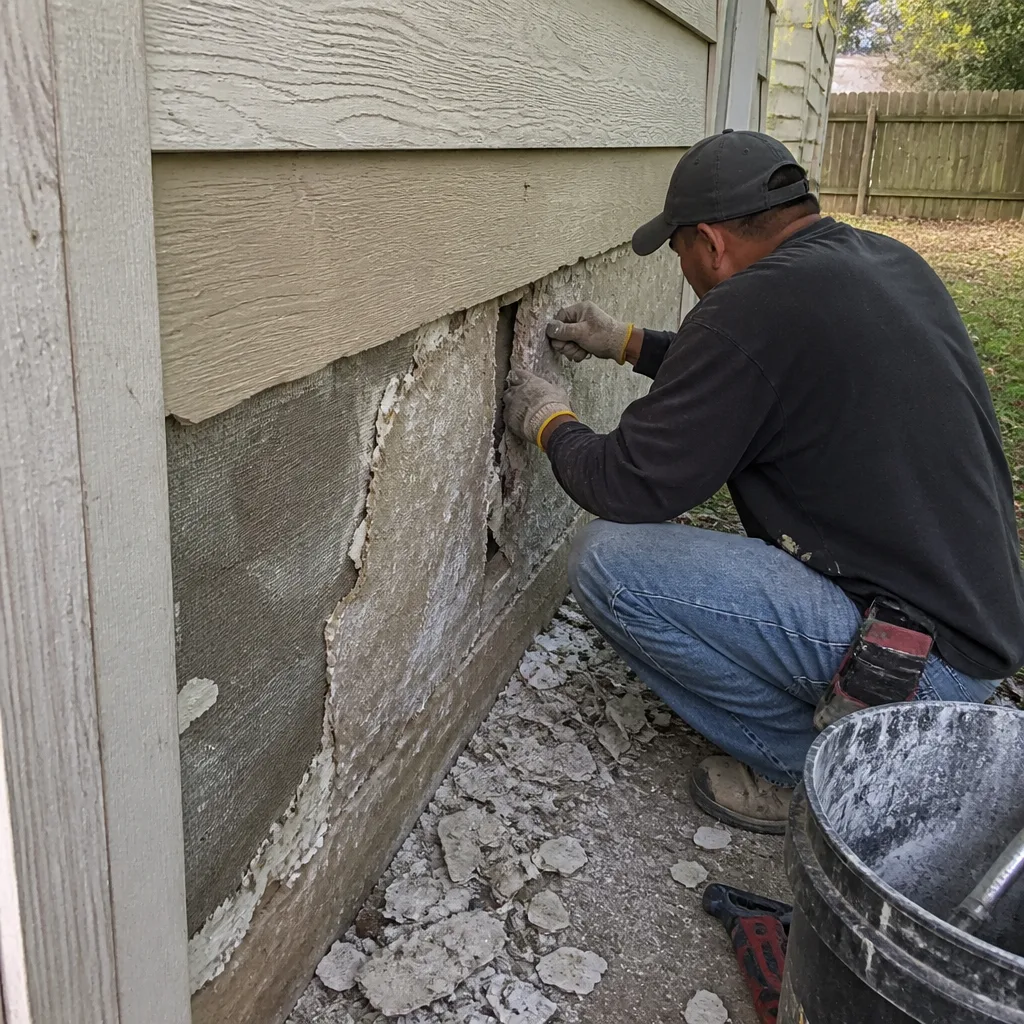 Before
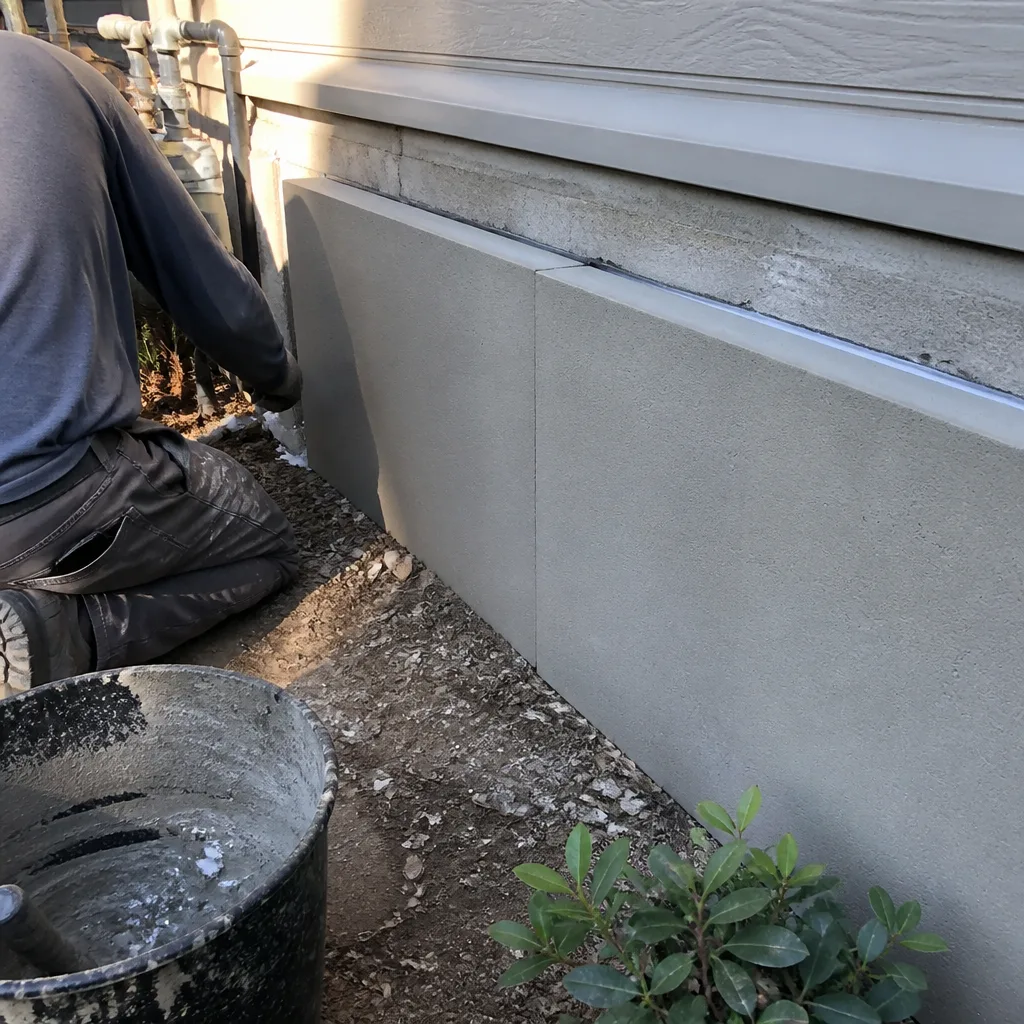 After
AfterReplacement Cost & What’s Included
Most Demilec attic insulation jobs in Leander run between $3,800 and $6,400 for a complete removal-and-replace on a 2,000-2,800 square foot footprint home. That range assumes standard roof pitch, accessible attic, and no active rodent infestation requiring cleaning first.
What moves the needle: roof pitch steeper than 8/12 adds labor hours; active pest contamination requires HEPA vacuuming and sanitizing before foam can go back down; and homes built before 1990 often need top-plate and penetration sealing we won’t skip. We don’t blow or spray over unsealed air leaks. Seal the envelope first. Then fill it.
Every Demilec replacement we quote includes: removal and bagging of failed foam, mechanical surface prep, air sealing of top plates and penetrations, new foam installed to specified thickness verified with a calibrated ruler card, and a Documented Photo Record showing before condition, mid-process, and completed work. On applicable jobs, we run a blower-door test - a pressurization reading that shows, in one number, how much air your building envelope was losing before and after.
Our 365-Day Done Right Promise applies to all completed work, backed by a written scope and written warranty delivered before anyone starts.
DIY or Call Us?
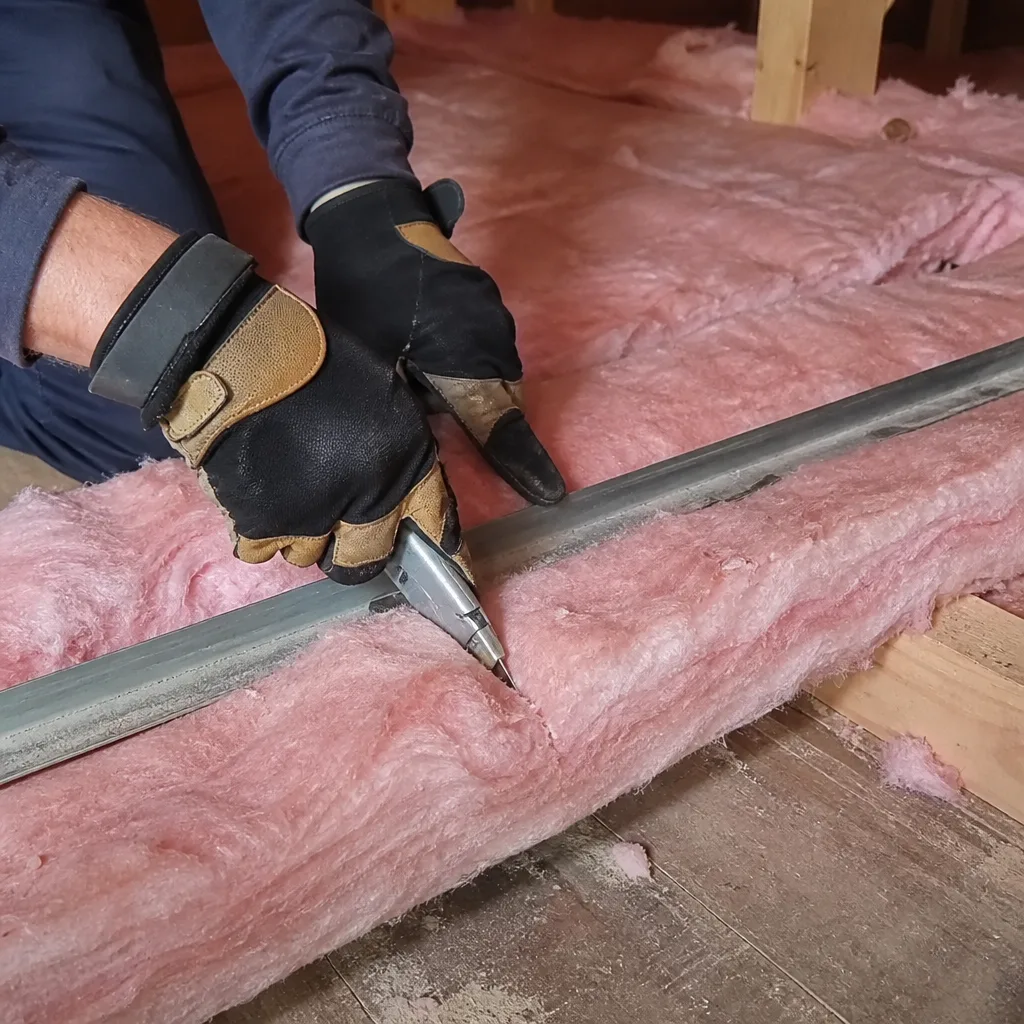
There’s a short list of what a Leander homeowner can safely check without gear: confirm your attic access path is clear, look for visible foam degradation or gaps with a flashlight, and photograph any staining for reference. What you cannot safely do: remove old spray foam yourself. The dust is respiratory irritant, and disturbed isocyanurate foam releases trace MDI compounds that sensitize with repeated exposure. We wear supplied-air respirators and run negative air during removal; a dust mask from the hardware store doesn’t cut it.
Reapplication is worse to DIY. Demilec’s two-component systems require precise temperature control, substrate moisture below 20% by weight, and spray technique that comes from hundreds of hours on a gun. Misapplied foam shrinks, cracks, or off-gasses for months. Call (737) 252-7159 and we’ll read your attic with you, no charge for the assessment.
FAQs
Properly installed Demilec closed-cell foam should perform for 25-30 years, but Leander’s thermal cycling - 30°F winter lows to 140°F attic peaks - stresses the foam-to-substrate bond. We see first separation issues around year 12-15 on installs that skipped primer or were applied too thin at the eaves. Call (737) 252-7159 for a free attic condition check if your install is past decade-old.
Localized delamination can sometimes be cut back and refoamed if the surrounding foam tests sound and the substrate is clean. Widespread UV damage, rodent contamination, or shrinkage cracking across more than 30% of the surface means full removal is the only code-compliant path. We assess this on every free estimate and tell you which side of the line you’re on.
Most residential attic jobs in Leander finish in one to two days: half a day for removal and surface prep, half a day for spray application and cure monitoring. Full cure before you can occupy the space is 24 hours for open-cell, 24 hours for closed-cell with mechanical ventilation. We schedule around your occupancy needs.
We stock Demilec Heatlok HFO Pro and Sealection 500 formulations on our Leander truck, along with compatible primers and ignition barrier coatings. For same-day starts on approved jobs, we need 48 hours to confirm batch freshness from our Huntsman distributor - spray foam has a shelf life, and we don’t use material past its manufacture date. Call (737) 252-7159 to check current stock and schedule.
Topside Attic Insulation Leander is an independent service provider, not affiliated with Demilec or Huntsman Building Solutions. We also stock and install Reflectix radiant barrier products where appropriate for the assembly.
Written by Wes Okafor, Owner, Topside Attic Insulation Leander at Topside Attic Insulation Leander, serving Leander and nearby areas.