
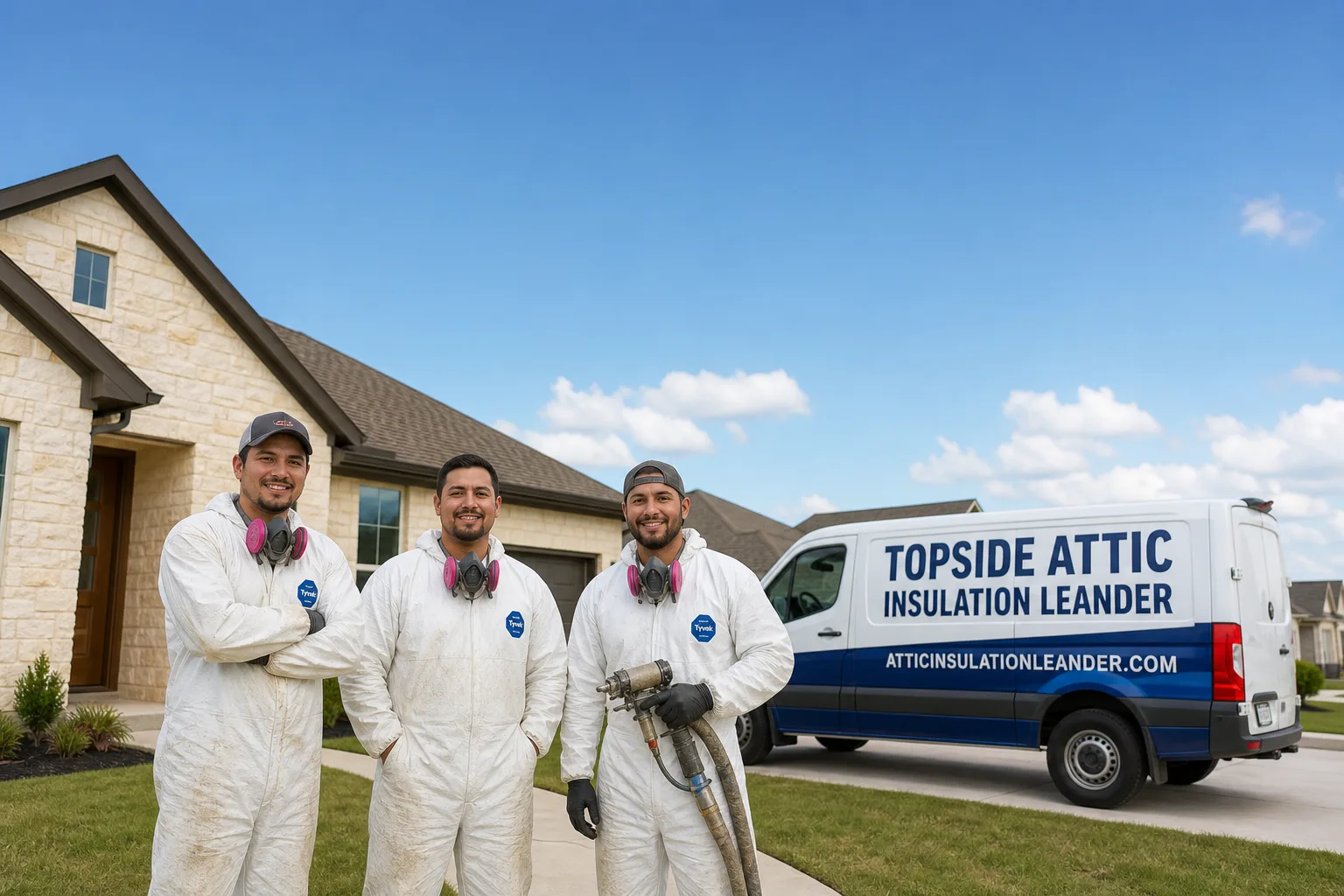
How Much Does Attic Air Sealing Cost in Leander?
Attic Air Sealing services in Leander, TX typically cost between $850 and $2,400 for a single-family home, with most jobs landing around $1,200 to $1,600 depending on attic size, accessibility, and how many penetrations need sealing. Most work is completed in a single day, and a blower-door test – a pressurization reading that shows, in one number, how much air your building envelope is losing – can verify the result before the crew leaves.
Attic Air Sealing Cost Breakdown (2026)
These ranges reflect actual job pricing in the Leander market as of 2026, including homes in Crystal Falls, Travisso, Bryson, and the established neighborhoods closer to Ronald Reagan Boulevard. Prices will shift based on your specific attic, not a formula.
| Scope of Work | Typical Price Range | Notes |
|---|---|---|
| Air sealing only – up to 1,200 sq ft attic | $850 – $1,150 | Top plates, penetrations, recessed lights |
| Air sealing only – 1,200 to 2,000 sq ft attic | $1,150 – $1,600 | Typical for most Leander tract homes built 2000-2020 |
| Air sealing only – 2,000 to 3,000 sq ft attic | $1,600 – $2,100 | Larger footprints in Travisso or newer Crystal Falls phases |
| Air sealing + blower-door test (pre/post) | Add $200 – $350 | Recommended – documents what changed |
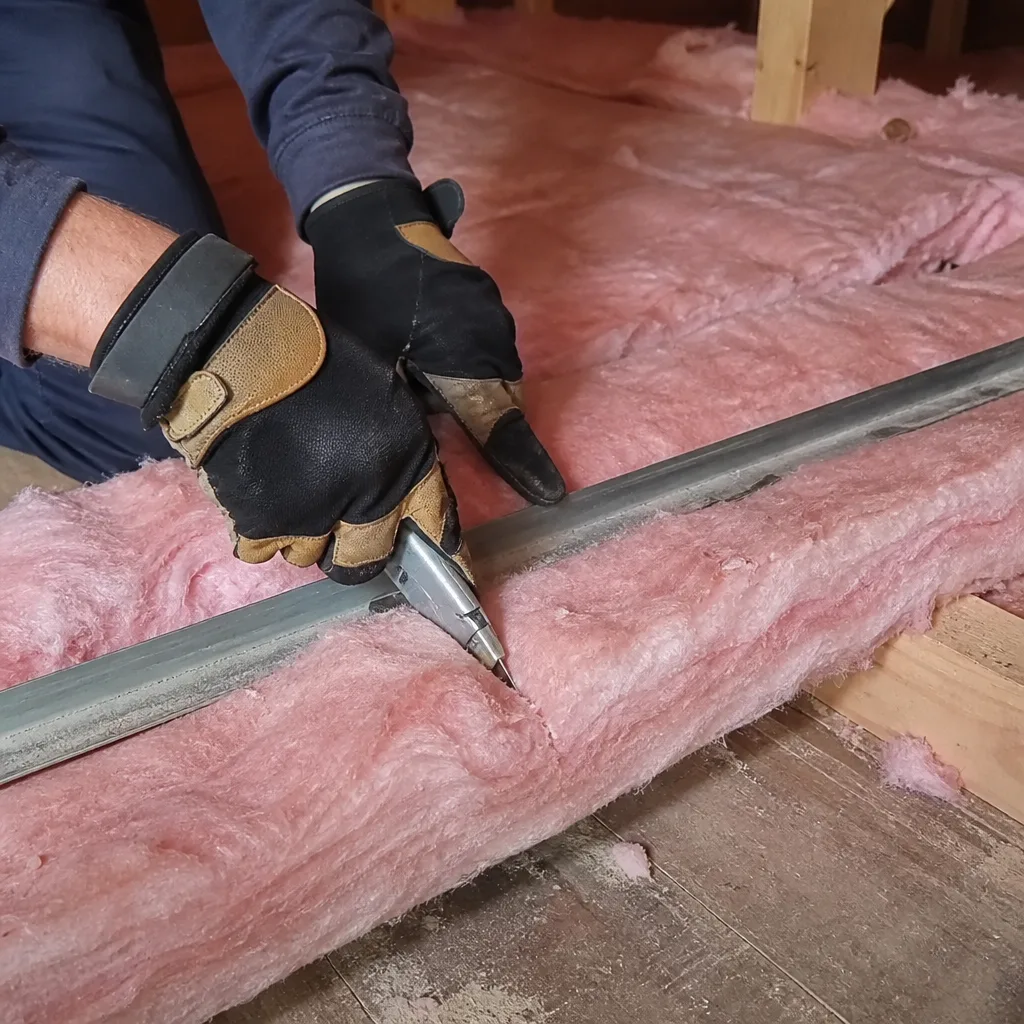
| Air sealing + insulation removal and reinstall | $2,200 – $4,800+ | When existing insulation must come out first |
| Air sealing + new blown-in insulation | $1,800 – $3,400 | Sealed first, then insulated – the correct sequence |
| Recessed can light sealing (per fixture) | $18 – $35 per can | Older IC-rated cans in 1990s-2010 Leander builds leak significantly |
| Top plate sealing (per linear foot) | $2.50 – $5.50 | Framing gaps between living space and attic |
A few things push costs toward the higher end of those ranges. Attics with finished knee walls, multiple HVAC drops, or a tangled mess of ductwork running through the floor take longer to seal properly because every penetration has to be addressed individually. In Leander specifically, homes built between 2004 and 2014 during the area’s rapid growth phase often have attics with 40 to 60 recessed can lights – each one a direct air pathway between the conditioned living space and a 140-degree attic in July. Sealing 55 cans in a 1,800-square-foot attic adds two to three hours of labor over a job with modern airtight fixtures.
Attic access also matters. A standard pull-down stair makes the job straightforward. A small scuttle hole in a closet ceiling, or a walk-up attic with obstructions along the eaves, changes how long the crew is up there and how much material they can move efficiently.
One note on sequencing: at Envelope Insulation Co., air sealing is completed before any insulation goes in. We don’t blow cellulose or fiberglass over an unsealed attic floor, because insulation doesn’t stop air movement – it only slows heat transfer. If a contractor quotes you insulation without mentioning air sealing first, that’s worth asking about.
What Affects Attic Air Sealing Pricing in Leander
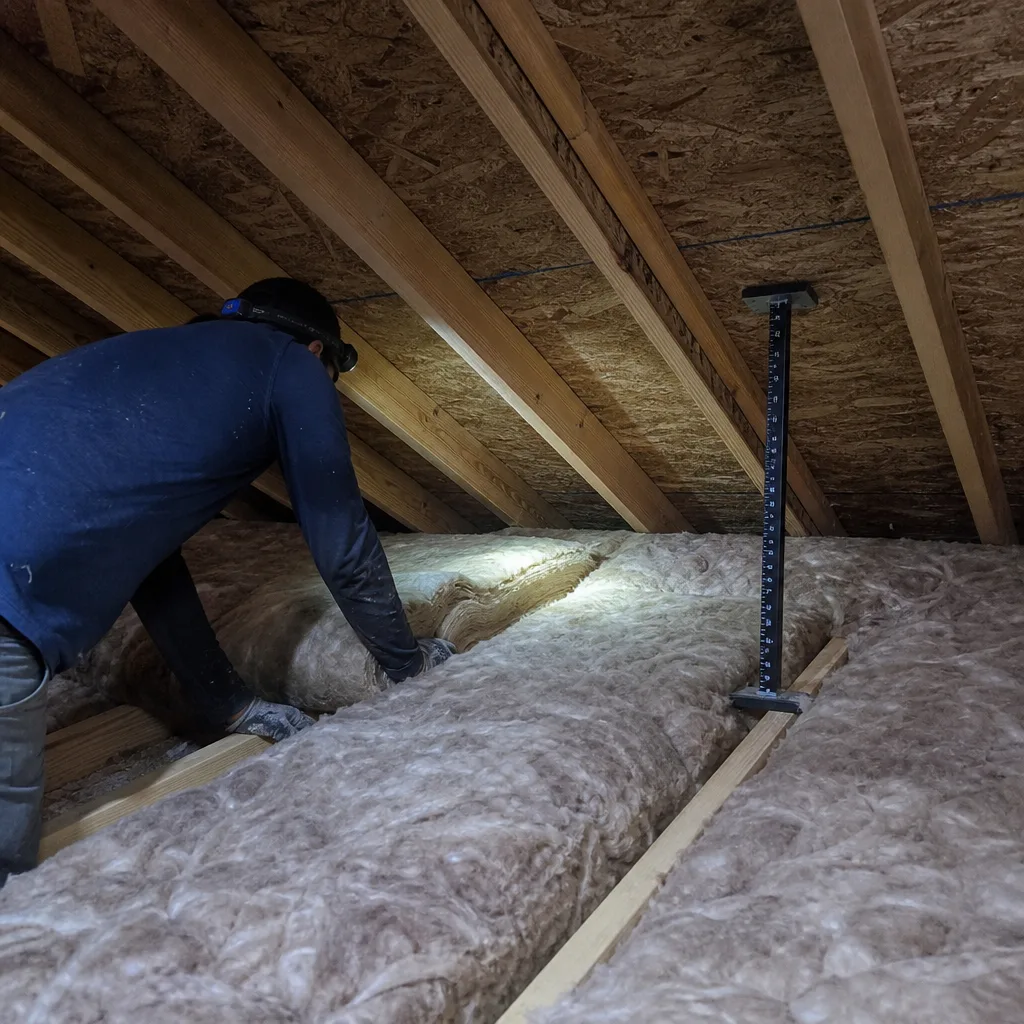
- Attic square footage and geometry: Larger attics with complex hip-and-valley rooflines, common in Travisso and the newer Bryson sections, take more time to seal completely. A simple gable-roofed ranch with a single attic plane is the fastest job. Multi-story homes with attic sections over garages or bonus rooms add labor because those areas are often disconnected from the main attic space.
- Number and type of penetrations: Every pipe, wire, HVAC drop, flue, and recessed fixture that passes through the attic floor is a potential air leak. A Leander home with 50 recessed lights, two HVAC systems, a gas water heater flue, and a range hood vent can easily have 80 to 100 individual penetration points that all need attention. Homes built before 2012 are particularly common candidates for this kind of work, since building code at the time didn’t require the same air-barrier standards that newer construction demands.
- Existing insulation condition: If existing insulation needs to be pulled back to access the attic floor for sealing and then replaced, that adds cost. If it needs to come out entirely because of pest contamination, moisture damage, or just age, the project becomes a removal-and-replacement job first. In Leander, rodent activity in attics is not rare, especially in older sections closer to the creek corridors off Bagdad Road and Hero Way.
- Leander’s climate and its effect on urgency: Central Texas summers push attic temperatures well past 130 degrees, and that pressure differential between the hot attic and the air-conditioned living space below creates a strong stack effect – meaning conditioned air is being constantly pulled up through every gap. This isn’t just a comfort issue; it’s measurable on a utility bill. Most Leander homeowners who call us for pricing are paying significantly more in cooling costs than they should be, and the blower-door numbers before sealing usually confirm it.
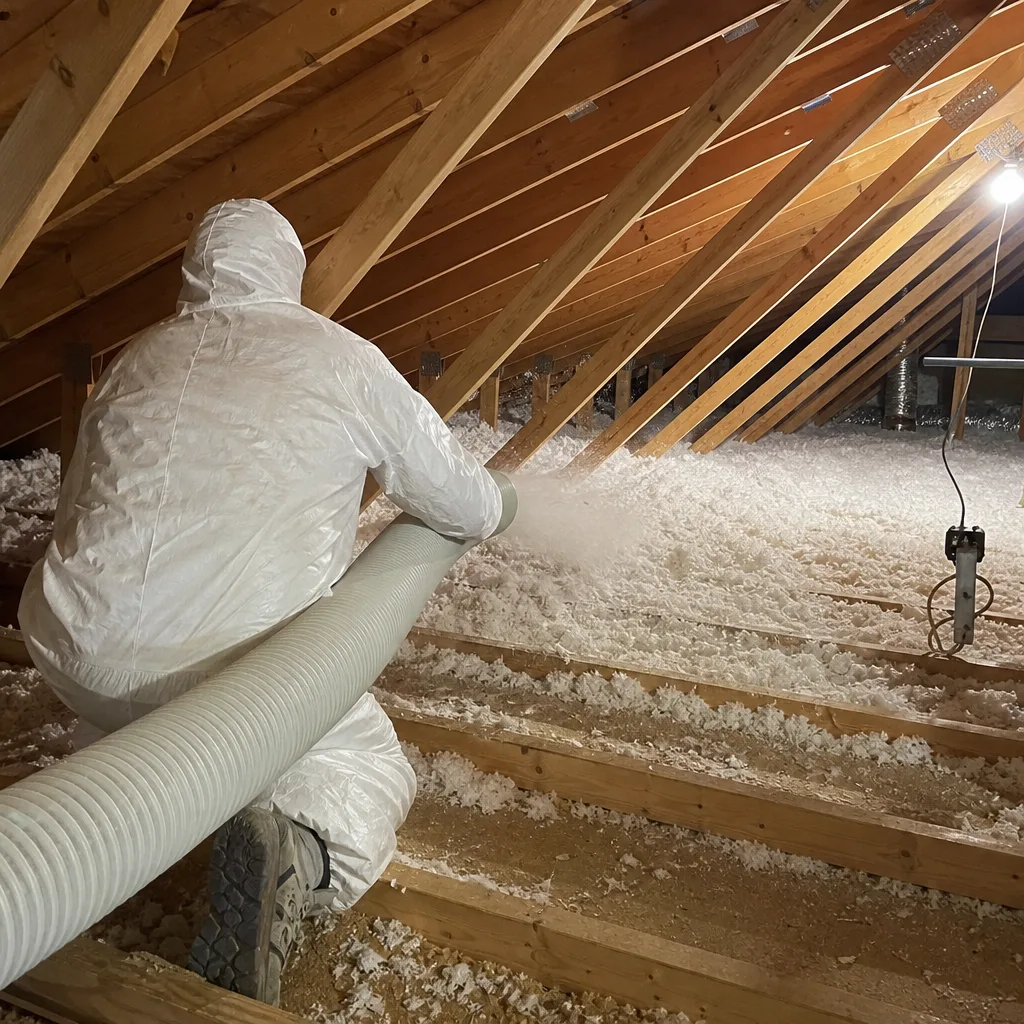
- Material selection: Most attic air sealing uses a combination of two-component spray foam for large gaps, fire-rated caulk for smaller penetrations, and rigid foam board with adhesive for larger bypasses like open soffits or dropped ceilings. The foam products we source – from manufacturers including Icynene, Demilec, and similar – don’t vary dramatically in price at the residential scale, but the mix of materials used on a given job can shift the overall cost by $100 to $300.
- Accessibility and attic conditions: A pull-down attic stair that opens to a clear, well-boarded attic floor is the easiest working environment. A 7-inch scuttle hole in a guest closet ceiling that opens to a low-pitch attic with unfaced batts thrown loosely over the joists is not. In the Austin metro’s rapid-build era, a lot of Leander’s housing stock falls somewhere between those two extremes, and attic conditions aren’t visible from the driveway – which is exactly why an in-person assessment before pricing matters.
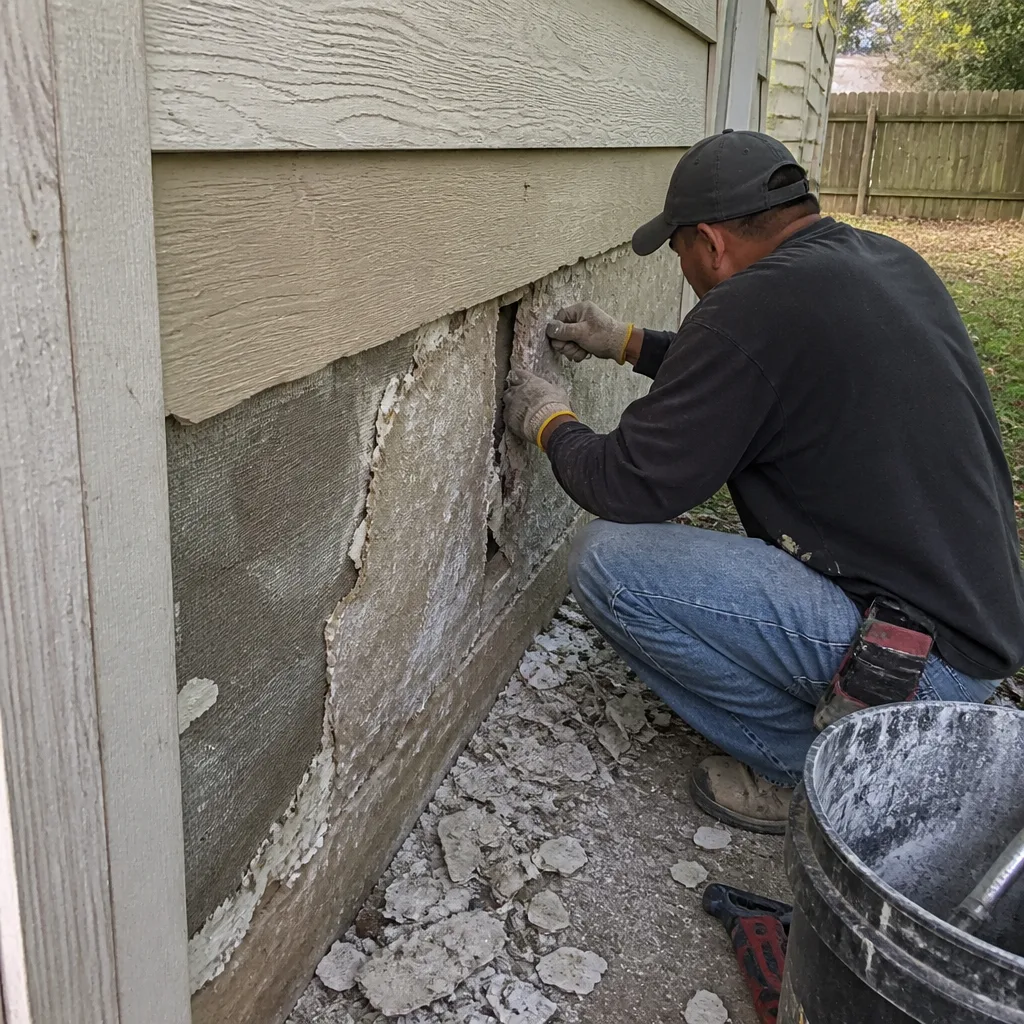 Before
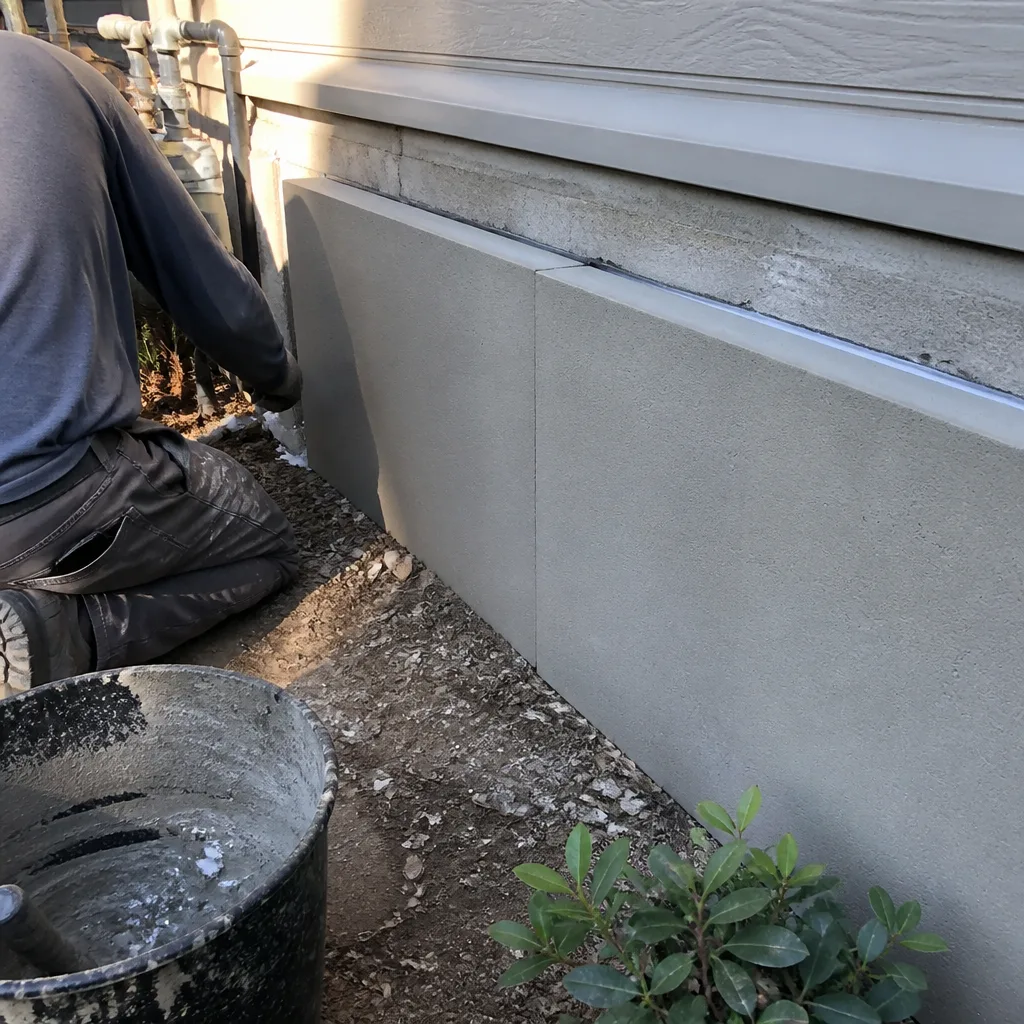 After
AfterHow to Save on Attic Air Sealing
Bundle Air Sealing With Insulation Work
If your attic insulation is already undersized or degraded – and in Leander’s older housing stock, R-22 to R-30 levels are common in homes that should have R-38 or more – bundling the air sealing and insulation upgrade into a single project usually costs less than scheduling them separately. The crew is already in the attic. The access is already set up. Mobilization costs don’t repeat. Most homeowners who schedule both at once save $250 to $500 compared to two separate visits.
Use the Blower-Door Test as a Negotiating Baseline
A pre-sealing blower-door test gives you a CFM50 reading – cubic feet per minute at 50 pascals of pressure – that documents exactly how leaky your home is before work starts. That number appears on the written scope. After sealing, we run it again. The difference between those two readings is the actual value of the work you paid for. This approach also lets you prioritize: if your attic tests at 3,800 CFM50 but a significant portion of that is traced to the crawl space or rim joists rather than the attic floor, you’re not spending money in the right place first. The data guides the scope.
Don’t Skip Air Sealing to Save Money Up Front
This sounds counterintuitive in a savings section, but it’s the most common mistake we see in Leander attics. A homeowner adds R-38 blown insulation over an unsealed attic floor, spends $1,400, and doesn’t notice the expected drop in their electric bill. The insulation is doing its job – slowing heat transfer – but the air is still moving freely through the same channels it always did, carrying conditioned air straight into a 135-degree attic. The air sealing is what stops the air movement. The insulation handles the rest. Doing it out of order means doing it twice.
Get a Free Estimate Before Committing to Any Number
Pricing on a page like this is a range, not a quote. The only way to know what your specific Leander attic will cost is an in-person assessment. Under Haven Standard Clause 1, you get a written price before any work starts – flat price, written scope, written warranty. Nothing begins without it. Call (737) 252-7159 to schedule a free estimate, and if you already have a written quote from another contractor, bring it. We offer a free second opinion on any written estimate – we’ll read it with you and tell you exactly what we see.
Ask About Utility Rebates
Oncor and some other Texas utilities have at times offered rebates for air sealing and insulation upgrades. These programs change frequently, and as of 2026 availability depends on your specific utility and service territory. It’s worth asking when you schedule your estimate – documented blower-door results, which we provide on applicable jobs, are typically required to claim any rebate, and that’s documentation you’d have in hand regardless.
FAQs – Attic Air Sealing Cost
How much does attic air sealing cost in Leander, TX in 2026?
Most attic air sealing jobs in Leander run between $850 and $2,100 for the sealing work alone, with the majority of single-family homes landing in the $1,150 to $1,600 range. Homes in the 2,000-to-3,000-square-foot attic category, or those with a high density of recessed can lights, tend toward the higher end. Adding a before-and-after blower-door test – which documents what changed in a single verifiable number – typically adds $200 to $350. Call (737) 252-7159 for a written estimate specific to your home.
Is attic air sealing worth the cost in Leander’s climate?
In most cases, yes – and the blower-door numbers back that up. Central Texas homes run their air conditioning for eight to ten months a year. A home with a CFM50 reading of 4,000 before sealing and 2,000 after has cut its air leakage in half, and that reduction shows up directly in cooling load and monthly bills. In Leander, where summer utility bills frequently exceed $300 to $400 per month for a mid-size home, a properly sealed attic typically pays back the cost of the work within two to four years. We publish the before-and-after blower-door numbers on every applicable job so you can see the actual result, not an estimate of savings.
How long does attic air sealing take in a typical Leander home?
A single-story Leander home with a straightforward attic, moderate number of penetrations, and a standard pull-down stair typically takes four to eight hours for a crew to seal properly. Larger homes, attics with two HVAC systems, or homes with 50-plus recessed lights run longer – eight to twelve hours is not unusual. Most jobs are completed in a single visit. Homes that require insulation removal first are scheduled as a two-phase project, with sealing completed before any new insulation goes in.
Can I combine attic air sealing with insulation replacement in Leander?
Yes, and it’s the sequence we recommend. Air sealing has to come first – that’s not optional. Once every penetration, top plate, and fixture is sealed and the foam has cured, blown-in insulation goes over the top of it. Combining both scopes in a single project typically saves $250 to $500 versus two separate visits, because mobilization, setup, and attic access only happen once. The full project – sealing plus blown-in insulation to R-38 – runs between $1,800 and $3,400 for most Leander homes, depending on attic size and existing conditions.
Does Envelope Insulation Co. provide a written price before starting attic air sealing work?
Always. Under Haven Standard Clause 1, no work starts without a flat price, a written scope, and a written warranty in the homeowner’s hands first. This isn’t a policy we make exceptions to. When the job is done, you also receive a Documented Photo Record of the completed work and, on applicable jobs, before-and-after blower-door readings so you know exactly what changed. The 365-Day Done Right Promise applies: if it’s not right, we make it right. Call (737) 252-7159 to schedule your free estimate.
What the Work Actually Looks Like in a Leander Attic
Because the Leander market saw rapid tract-home construction from roughly 2000 through 2018, a large share of the attics we work in share common characteristics. Typical features: truss framing with open bays at every top plate, 30 to 60 recessed light fixtures (mostly IC-rated but not airtight), two-zone HVAC with ductwork running partially through the attic floor, and a gas or electric water heater with a flue penetration. Blown fiberglass or cellulose is usually present but often settled to R-20 or below after years of compression and disturbance.
Before any material goes in, a technician maps every penetration point. That typically means tracing the top plates around the perimeter of every room below, identifying every wire and pipe chase, and noting every recessed fixture. In a 2,200-square-foot Leander home, that list often runs to 90 or more individual points. Each one gets addressed – large gaps with two-component foam, smaller penetrations with fire-rated caulk, fixture boots with purpose-built airtight covers or spray foam, depending on the fixture type.
A safety note on attic air sealing in general: two-component spray foam expands quickly, generates heat during cure, and requires proper respiratory protection and ventilation. Homeowners sometimes ask about DIY air sealing using canned foam. For simple, accessible penetrations like a pipe boot visible from the attic floor, that can be reasonable. For anything near HVAC equipment, gas flues, or electrical panels and junction boxes, we don’t recommend working in a hot attic without proper training and protection. The flue clearance requirements for gas appliances, in particular, are specific and fire-safety critical. A sealed flue is a carbon monoxide risk. The correct material around flue penetrations is fire-rated, not standard foam – and getting that wrong has serious consequences. Call a trained technician for those.
After sealing, the blower-door test runs again. The technician pressurizes the home to 50 pascals and records the CFM50. That number appears in the written documentation you receive when the crew leaves. We’ve seen Leander homes go from 5,200 CFM50 to 2,600 in a single day’s sealing work. We’ve also seen attics where the air sealing moved the needle less dramatically because the primary leaks were in the crawl space or rim joists rather than the ceiling plane – and in those cases, the data tells you where to focus next.
Leander-Specific Considerations for 2026
Leander’s growth hasn’t slowed. New phases in Bryson, the later sections of Crystal Falls, and the developments going in off Bagdad Road north of Hero Way are bringing newer construction standards, but the existing housing stock – particularly anything built before 2012 – reflects older code requirements that didn’t mandate the same air-barrier performance that Title 24 and IECC 2018 and later now require. That gap between what was built and what current best practice looks like is where most of the opportunity sits.
The climate factor is real. Leander sits in ASHRAE Climate Zone 2A – hot and humid – which means the stack effect driving air from the conditioned living space up into the attic is active for most of the year. Unlike milder climates where air sealing is primarily a winter-heating issue, in Leander the load runs both directions: hot attic air infiltrates down in shoulder seasons, and conditioned air escapes upward during cooling season. Sealing the attic floor addresses both directions of that pressure differential.
Permit requirements for attic air sealing in Leander are generally limited to scenarios where the work is tied to a broader renovation that requires a building permit. Standalone air sealing typically doesn’t require a permit under current Leander municipal code, but that can change – and any insulation removal and replacement work on a permitted renovation project would need to follow applicable IRC energy code chapters. We confirm permit requirements as part of every written scope before work starts.
Why the Order of Operations Matters
This point is worth stating plainly, because it affects every Leander homeowner who has received a quote that includes only insulation: air sealing and insulation are not the same thing, and insulation doesn’t substitute for air sealing. Insulation is a thermal resistance material. It slows the rate at which heat moves through a solid assembly. It does essentially nothing to stop bulk air movement through gaps, cracks, and penetrations.
Air sealing is what stops the air. Spray foam and caulk applied at the penetration points create an actual physical barrier between the conditioned living space and the attic above. Once that barrier is in place, the insulation layer works the way it’s rated to work. Without it, you’re adding R-value to an assembly that has a Swiss-cheese air barrier underneath it, and the blower-door numbers will show you exactly how much that matters.
At Envelope Insulation Co., we don’t install insulation over an unsealed attic floor. That’s not a sales position – it’s a sequencing requirement. If you have a quote that adds insulation without mentioning air sealing, ask the contractor to walk you through how they’re addressing the penetrations before the insulation goes in. The answer will tell you a lot about the job you’re about to pay for.
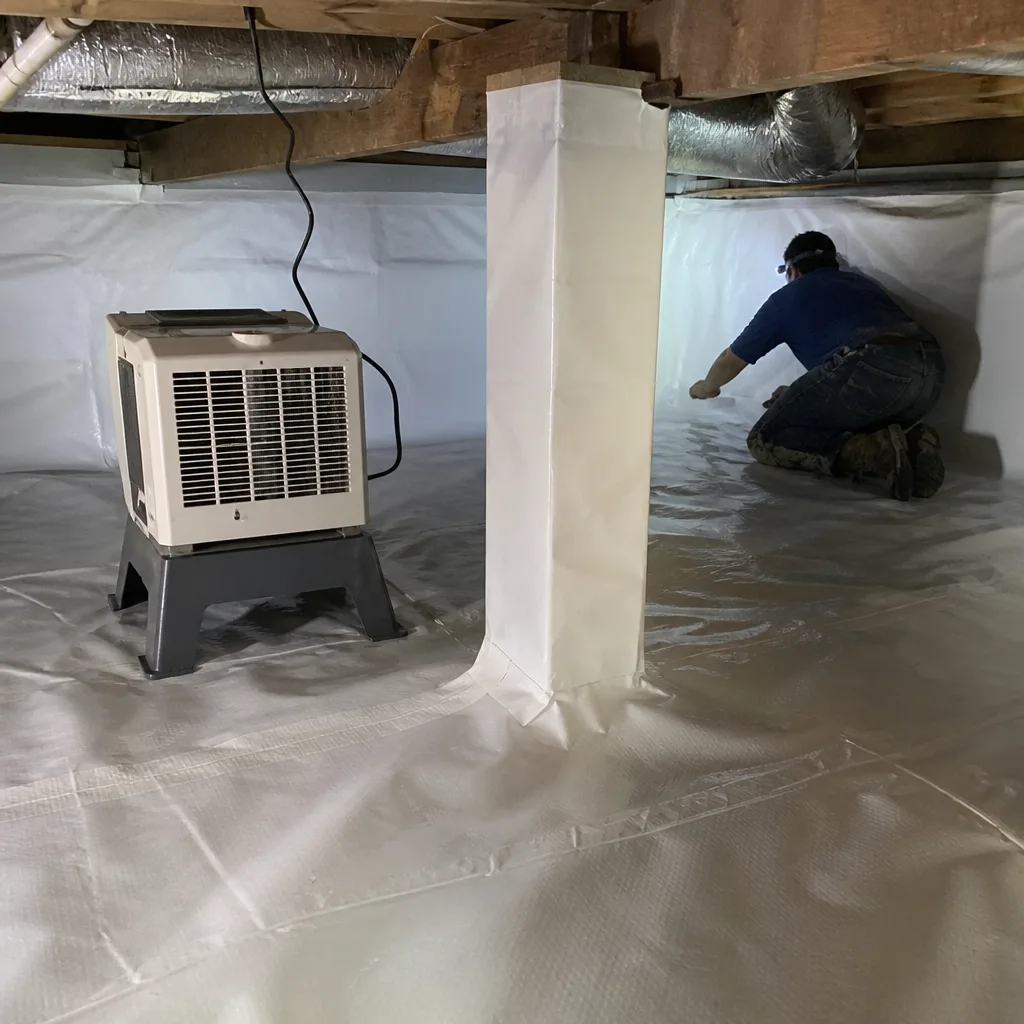
For a full overview of what attic air sealing includes in this market, the Attic Air Sealing in Leander service page covers scope, materials, and what the blower-door process looks like from start to finish. And if you’re comparing this service to other parts of the building envelope, our home page lays out the full range of work we do – from crawl space encapsulation to radiant barrier installation to insulation removal and replacement – so you can see where attic air sealing fits in the broader picture.
Key Takeaways
- Attic air sealing in Leander costs $850 to $2,100 for most single-family homes, with the typical job running $1,150 to $1,600.
- Adding a before-and-after blower-door test adds $200 to $350 and gives you a documented, verifiable result.
- Homes built between 2000 and 2014 in Leander – the period of fastest growth in the area – are the most common candidates, largely due to high recessed light counts and older code standards.
- Air sealing must happen before insulation, not after. Insulation over an unsealed attic floor doesn’t perform to its rated R-value.
- Every job at Envelope Insulation Co. starts with a written price, ends with a Documented Photo Record, and is backed by the 365-Day Done Right Promise.
- Call (737) 252-7159 for a free estimate. If you have a written quote from another contractor, bring it – we offer a free second opinion.
Written by Wes Okafor, Owner at Envelope Insulation Co. (operating as Topside Attic Insulation Leander), serving Leander since 2016.
Pricing reflects the Leander market as of 2026. Topside Attic Insulation Leander offers free estimates – call (737) 252-7159.
What Our Customers Say
"Two other companies quoted to blow more insulation on top of what was there. These were the only ones who said the existing material had to come out first, and explained why."
- Clifford E."The winter gas bill dropped by about a third. They had estimated a quarter, so they under-promised."
- Genevieve R."Crawl space encapsulation done properly. Photographs of the vapour barrier at every seam, and the damp smell in the hallway is gone."
- Ainsley P.