
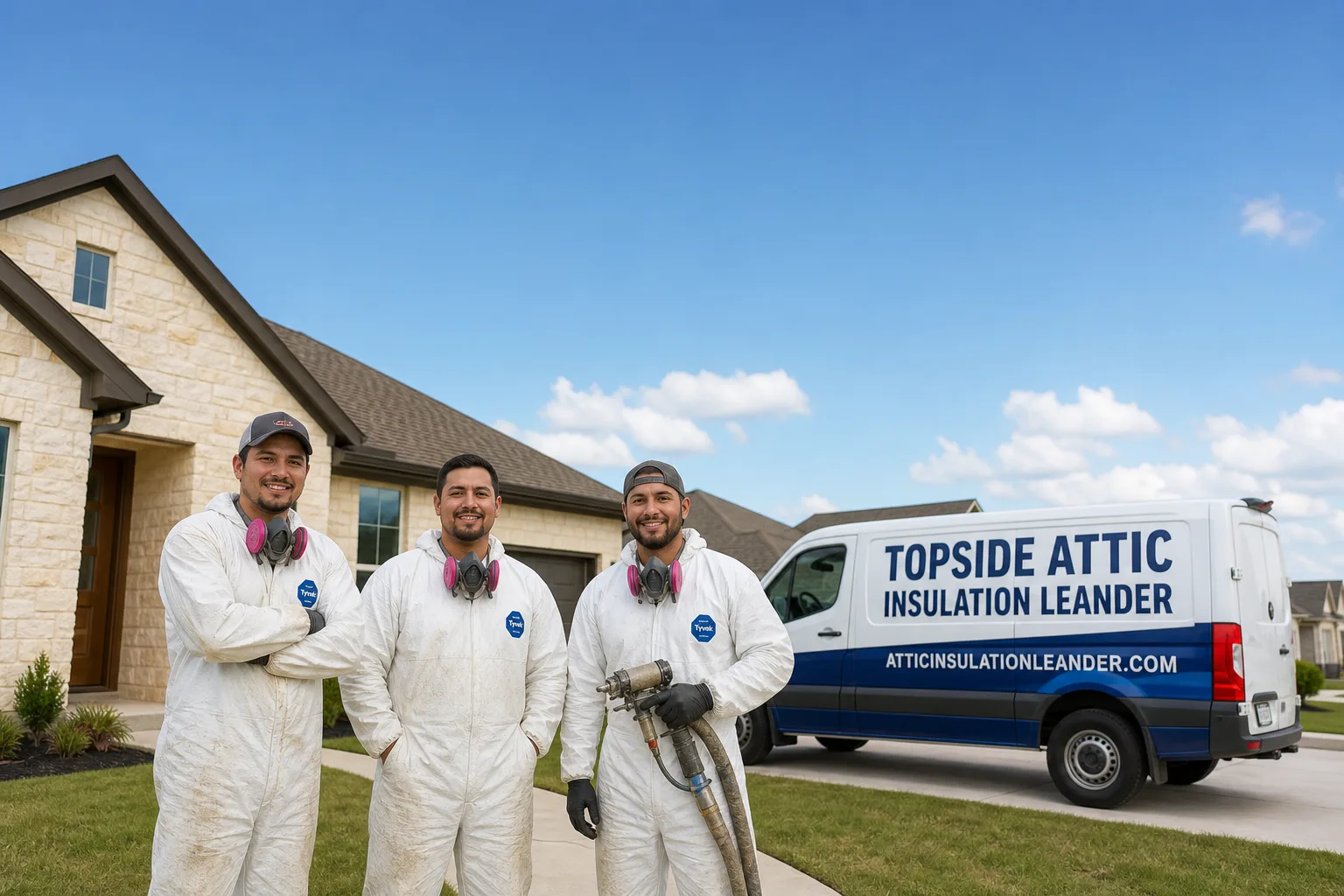
How Much Does Blown-In Insulation Cost in Leander?
Blown-in insulation in Leander, TX typically runs between $1,200 and $3,800 for a standard attic, depending on square footage, current insulation depth, and whether air sealing is completed first. Most Leander homeowners in the 1,800-to-2,800-square-foot range common in neighborhoods like Bryson, Crystal Falls, and Travisso pay somewhere between $1,600 and $2,600 for a full attic blow-in to R-38 or R-49. That price includes materials, labor, and the written scope and documented photo record you receive before anyone starts and after the crew leaves.
At Envelope Insulation Co. – operating as Topside Attic Insulation Leander, every job starts with a flat written price. You know the number before a single bag of insulation is opened.
Blown-In Insulation Cost Breakdown (2026)
Blown-in insulation cost in Leander breaks down along a few clear lines: the size of the space being insulated, the target R-value, and whether air sealing is part of the job. The table below reflects current Leander market pricing for the most common project types we see in this area.
| Project Type | Typical Square Footage | Price Range (Materials + Labor) |
|---|---|---|
| Attic top-up (existing insulation, add to R-38) | 1,000-1,500 sq ft attic | $700 – $1,200 |
| Attic top-up (existing insulation, add to R-49) | 1,000-1,500 sq ft attic | $900 – $1,500 |
| Full attic blow-in, new install (R-38) | 1,500-2,000 sq ft attic | $1,200 – $1,900 |
| Full attic blow-in, new install (R-49) | 1,500-2,000 sq ft attic | $1,500 – $2,400 |
| Full attic blow-in, new install (R-49) | 2,000-2,800 sq ft attic | $1,900 – $3,000 |
| Full attic blow-in, new install (R-60) | 2,000-2,800 sq ft attic | $2,300 – $3,500 |
| Attic air sealing + full blow-in (R-49) | 2,000-2,800 sq ft attic | $2,400 – $3,800 |
| Blown-in wall insulation (retrofit) | Per 1,000 sq ft of wall cavity | $1,400 – $2,200 |
| Crawl space blown-in (floor cavities) | 800-1,500 sq ft | $1,100 – $2,000 |
What Drives the Price Up or Down
The single biggest variable in any Leander blown-in insulation quote is the current condition of the attic floor. If the attic has older, settled fiberglass batts from the original build, those may need partial or full removal before new material goes in – and removal adds $500 to $1,500 depending on depth and contamination. Homes in older sections of Leander near US-183 and the original downtown corridor sometimes have knob-and-tube-era insulation challenges or compressed batts from decades of settling that require more prep work before a blow-in makes sense.
Air sealing is the other major cost driver – and it’s not optional at Envelope Insulation Co. We won’t blow insulation over an unsealed attic floor. The reason is measurable: in Leander’s climate, where attics hit 140°F-plus during July and August, an unsealed top plate or open can light turns even R-49 insulation into an underperformer. Before any insulation goes in, we seal top plates, can lights, plumbing penetrations, and duct chases with fire-rated foam or caulk. That process typically adds $400 to $900 to the job cost, and it’s the part that shows up in the blower-door reading – the before-and-after pressurization number that tells you, in a single figure, how much conditioned air your home was losing.
Material choice matters too, though less dramatically than most people expect. Fiberglass blown-in (like GreenFiber or Owens Corning ProPink) typically runs 10-15% less per bag than cellulose. Cellulose – made from recycled paper and treated for fire and pest resistance – has a slightly higher R-value per inch and is common in Leander attics where we’re working around existing penetrations and want better fill density. Neither is universally better; the right call depends on the specific attic layout.
What Affects Blown-In Insulation Pricing in Leander
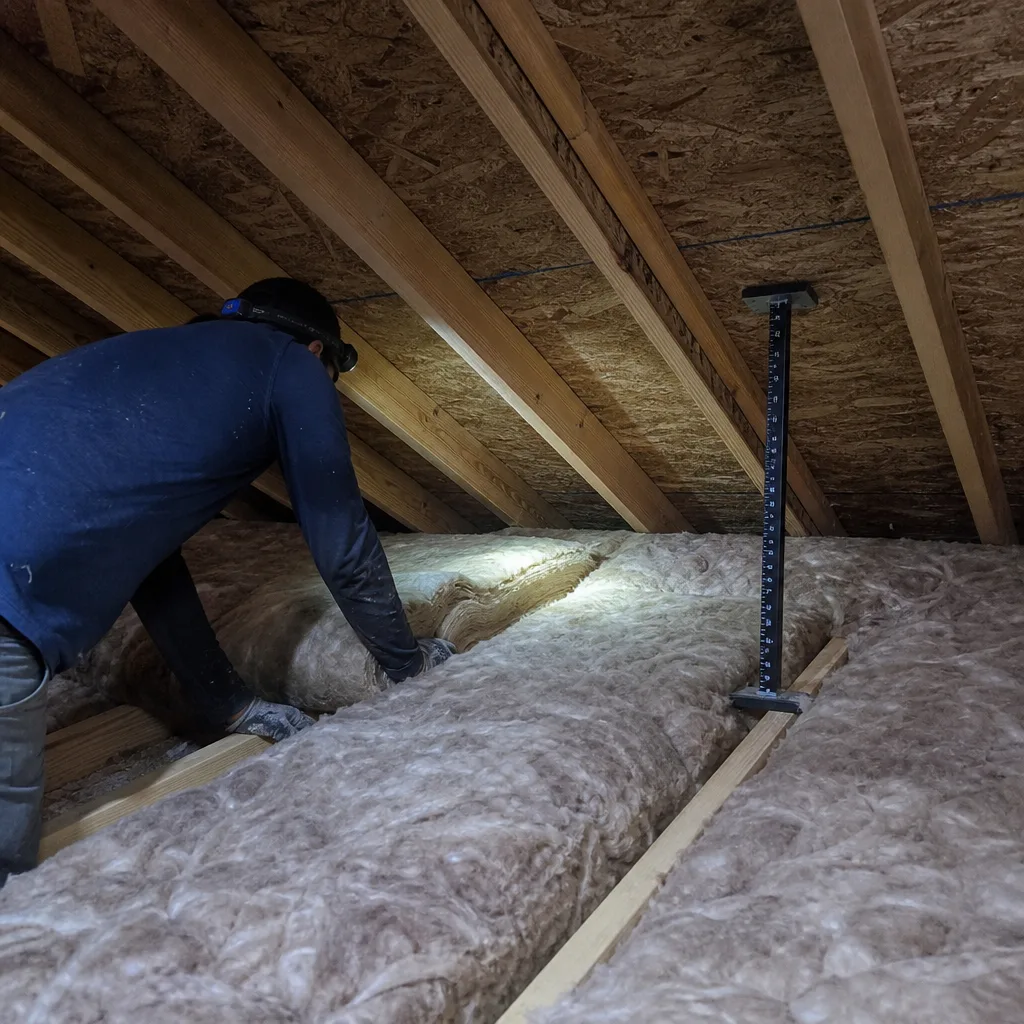
- Attic square footage and geometry: A simple rectangular attic in a Bryson or Travisso new-build is faster to work than a segmented attic with multiple knee walls, dormers, or HVAC equipment sitting in the middle. Complex geometry adds labor time, and labor time adds cost. Most Leander attics we work in fall between 1,400 and 2,400 square feet of floor area.
- Target R-value: Texas energy code for new construction requires R-38 minimum in Climate Zone 2 (where Leander sits), but R-49 has become the practical standard for comfort. Upgrading from R-38 to R-49 adds roughly 3-4 additional inches of blown-in material – typically $200 to $500 more depending on attic size. R-60, which some energy-conscious homeowners in the newer Crystal Falls and Mason Hills subdivisions are requesting, adds another layer on top of that.
- Existing insulation condition: A top-up on clean, adequate existing insulation is the least expensive scenario. Contaminated insulation (rodent debris, moisture damage, or old vermiculite), compressed batts that no longer hold their R-value, or prior spray foam that blocks the attic floor all change the scope – and the price. We photograph the attic floor on every visit so you have a documented record of what was there before we started.
- Air sealing scope: How many penetrations need sealing – can lights, top plates, plumbing stacks, duct chases – directly affects how long the air sealing portion takes. Homes built before 2010 in Leander’s older sections tend to have more unsealed penetrations than homes built under tighter Texas energy codes. On a before-and-after blower-door test, this difference can show up as 30-50% of the air change rate. We test with a calibrated blower door and give you the numbers: before and after, in CFM50 (cubic feet per minute at 50 pascals of pressure), so the air sealing result is documented, not assumed.
- Access and attic conditions: A standard pull-down ladder gives us easy access. A small hatch, a finished attic with limited clearance, or an attic that requires moving stored belongings takes additional time. Leander’s Central Texas summers also mean we schedule attic work to start early in the morning – by 10:00 AM in July, attic temperatures can exceed 120°F, which affects crew safety and work pace.
- Removal of old insulation: If old insulation needs to come out before the blow-in – whether due to rodent contamination, moisture, or incompatibility with the new material – removal and disposal typically adds $0.75 to $1.50 per square foot to the total project cost. In some cases, attic cleaning and rodent proofing is needed before insulation work begins. That’s a separate scope with a separate written price, always provided before any work starts.
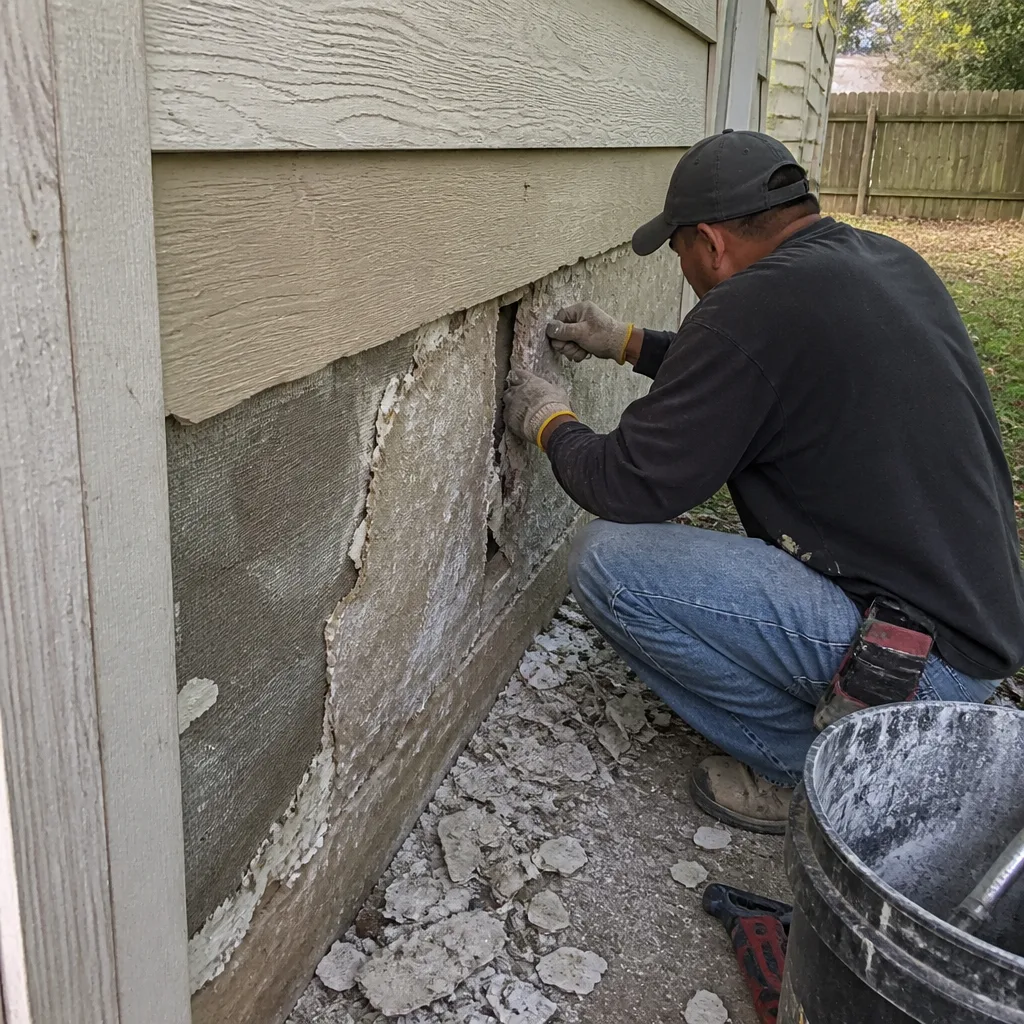 Before
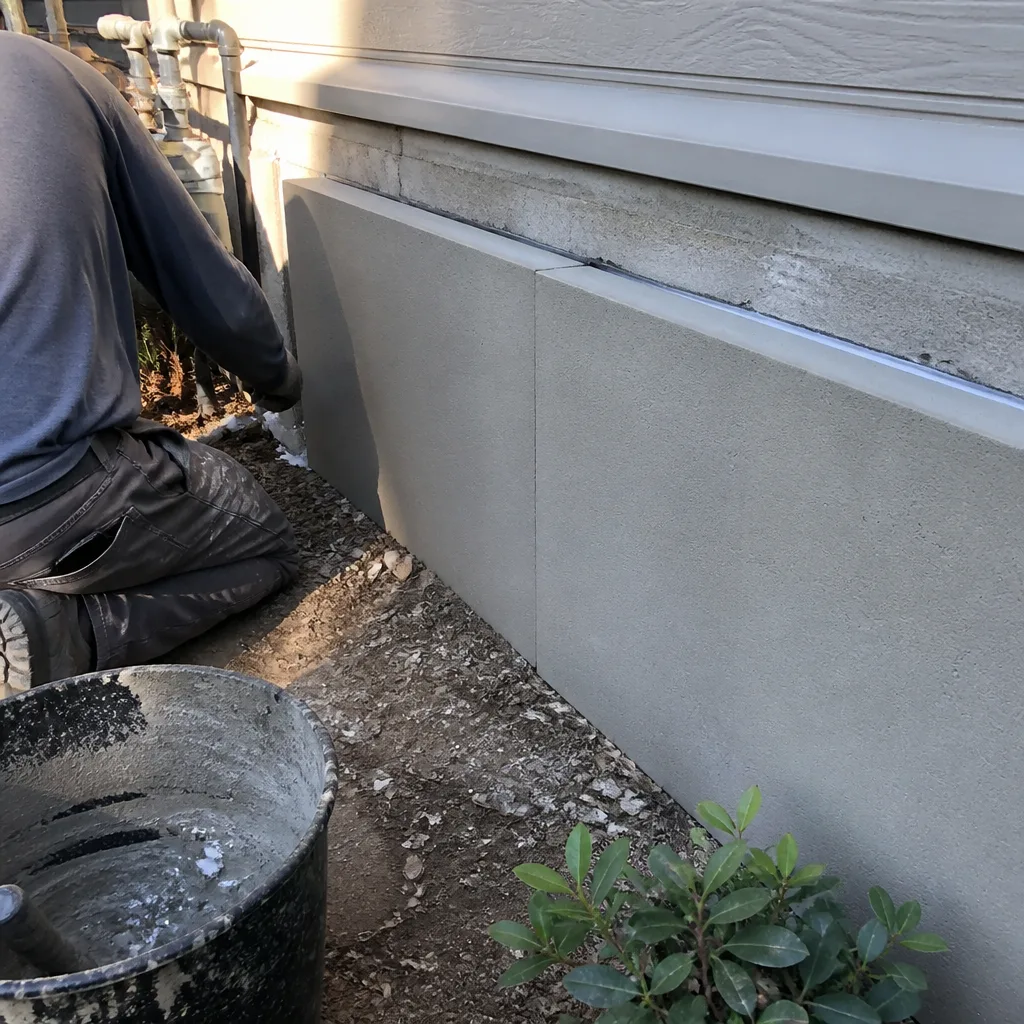 After
AfterBlown-In Insulation vs. Other Insulation Types: Cost Comparison for Leander Homeowners
Our Blown-In Insulation services aren’t the only option, and they aren’t always the right one. Here’s how it compares to the alternatives we install regularly in Leander, so you can make a direct comparison rather than relying on a sales pitch.
- Blown-in fiberglass or cellulose (attic): $0.80 – $1.40 per square foot of attic floor at R-38 to R-49. Best for open attics with clean floor access. Easy to add to as energy standards evolve.
- Fiberglass batt insulation (attic): $0.70 – $1.20 per square foot. Faster to install in some configurations, but harder to achieve consistent coverage around penetrations. Blown-in fills gaps more completely, which is why most Leander attics are better served with loose-fill.
- Open-cell spray foam (attic rafters): $1.50 – $2.50 per square foot of roof deck. Creates an unvented attic – moves the thermal boundary to the roofline rather than the ceiling. This changes where your HVAC equipment lives (inside conditioned space). Higher upfront cost, but can reduce HVAC load in homes where ductwork runs through the attic.
- Closed-cell spray foam (rim joists, specific air sealing points): $3.00 – $5.00 per square foot. Not typically used for full attic coverage due to cost, but frequently used for targeted air sealing at rim joists and critical penetrations before a blown-in job.
For most Leander homes where the attic is vented and the ductwork is above the drywall ceiling plane, blown-in insulation combined with air sealing is the most cost-effective path to meaningful energy performance improvement. The key word is “combined” – blown-in insulation in Leander installed without air sealing first consistently underperforms its rated R-value because loose-fill insulation doesn’t stop air movement. Insulation slows heat transfer through the material; air sealing stops the air itself from bypassing the insulation entirely.
Leander-Specific Factors That Affect Your Blown-In Insulation Cost
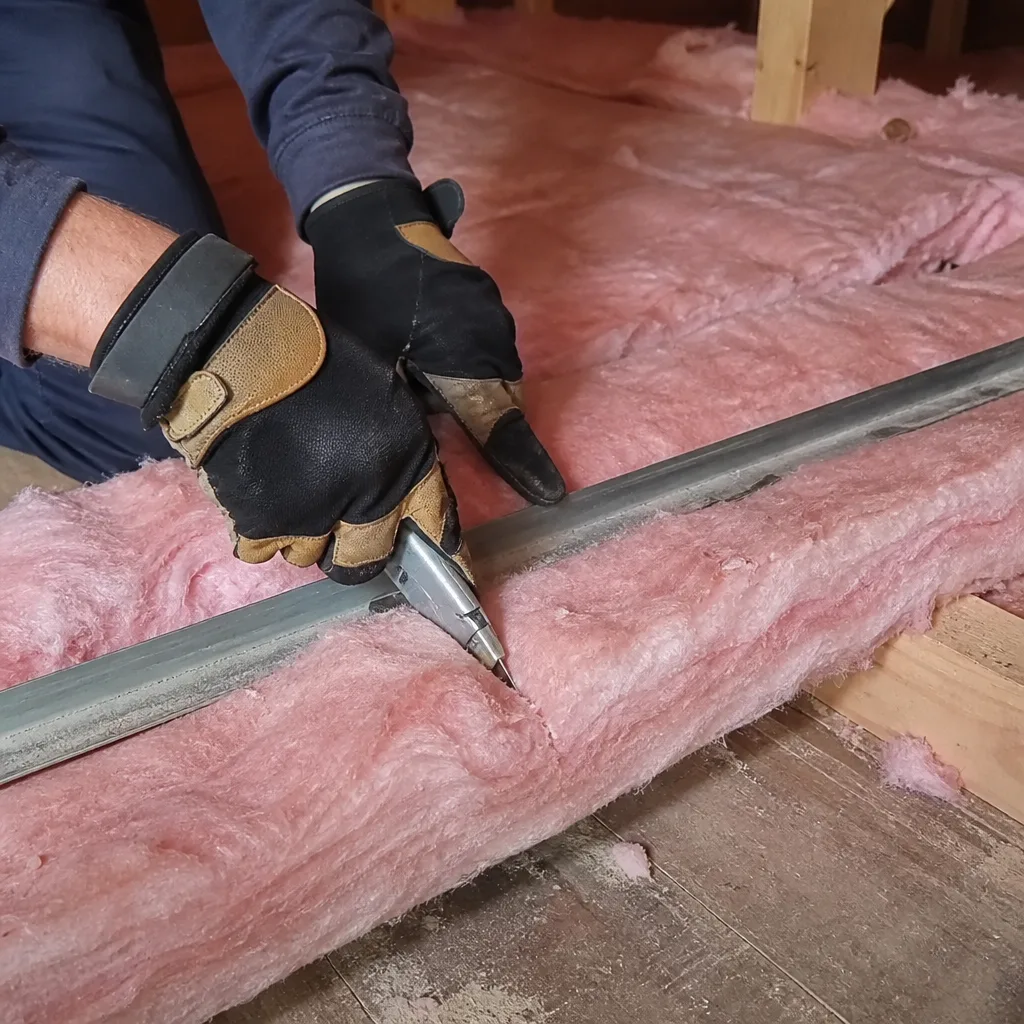
A few things about Leander specifically change how we approach blown-in insulation jobs here compared to cooler climates or older Texas markets.
First, the climate. Leander sits at the edge of Climate Zone 2, where cooling load – not heating – drives the energy calculus. The HVAC system in a typical 2,200-square-foot Leander home built between 2005 and 2018 is working against a 100°F-plus outdoor temperature for four to five months a year. That attic temperature differential – the gap between the 140°F attic and the 75°F interior your system is trying to maintain – is where insulation and air sealing earn their cost back. The math is different than it is in Dallas, and different again from Houston. Leander homeowners tend to see faster payback periods on attic insulation upgrades than national averages suggest, precisely because the cooling loads here are sustained.
Second, the housing stock. A significant portion of Leander’s homes were built between 2000 and 2020 as the city grew rapidly – from about 7,000 residents in 2000 to well over 75,000 today. That construction era is mixed in terms of original insulation quality. Homes built before 2010 often have R-19 to R-30 in the attic, well short of the R-38 minimum current code requires and further still from the R-49 that makes a practical difference in this climate. Newer subdivisions like Bryson and Larkspur sometimes have R-38 from the original build, but the air sealing quality varies widely even in recent construction.
Third, rapid growth means subcontracted original installation. In high-volume production builds – common throughout the Crystal Falls, Larkspur, and Block House Creek areas – original insulation was installed quickly across dozens of homes simultaneously. Depth gauges are sometimes missing. Top plates are often unsealed. Can lights in great rooms are sometimes open to the attic. These aren’t catastrophic defects; they’re predictable characteristics of volume construction that a blower-door test quantifies and a targeted air sealing scope addresses.
How to Save on Blown-In Insulation in Leander
A few practical approaches can reduce your total cost without cutting corners on performance.
Get a Blower-Door Test First
A home energy audit – which includes a blower-door test – tells you exactly where air is leaving the building envelope before you spend money on insulation. In Leander, we regularly find that homes with adequate R-value in the attic still have significant air leakage through unsealed penetrations. If the problem is air leakage rather than insulation depth, targeted air sealing alone may deliver better results than adding another three inches of blown-in. Spending $300-$500 on an audit before committing to a full insulation scope can prevent spending $2,000 on the wrong fix.
Combine Air Sealing and Insulation in One Visit
Scheduling air sealing and blown-in insulation as a single project – rather than two separate visits – reduces mobilization cost. When both scopes are completed in one day, you pay once for the truck, the hose run, and the setup. That consolidation typically saves $150-$300 compared to separate visits.
Check for Utility Rebates
Oncor Electric Delivery (the distributor serving most of Leander) offers residential rebates on qualifying insulation upgrades. CPS Energy customers in adjacent service territories have similar programs. The specific rebate amounts shift annually, so check current offers directly with your utility provider before assuming a number – but qualified insulation upgrades to R-38 or above have historically been rebatable in this service area. Your written scope from us will include the R-value documentation utilities require for rebate applications.
Consider Federal Tax Credits
The Inflation Reduction Act’s 25C tax credit covers 30% of the cost of qualifying home energy efficiency improvements, including insulation and air sealing, up to $1,200 per year. That credit applies to materials meeting specific performance criteria – ask us at the time of estimate whether the materials planned for your job qualify, and we’ll include the documentation you’ll need for your tax filing.
Get a Second Opinion on Any Existing Quote
If you have a written estimate from another contractor, bring it to us. We’ll read it with you – line by line – and tell you if the scope is complete, if the R-value is appropriate for your home size and layout, and whether the air sealing component is included or quietly omitted. That’s a free service, no obligation. Call (737) 252-7159 to schedule a second-opinion review of any written estimate you already have.
Don’t Skip Air Sealing to Save Money
This one goes against the short-term cost instinct, so it’s worth being direct about: skipping air sealing to reduce the project cost by $400-$600 is a decision that costs more over time. Blown-in insulation in an unsealed attic will consistently underperform its rated R-value. The Department of Energy estimates that air leakage accounts for 25-40% of heating and cooling energy loss in most homes. Adding insulation over open penetrations slows conduction; it doesn’t address convection. The two problems require two different fixes, applied in a specific order – air sealing first, insulation second.
Key Takeaways: Blown-In Insulation Cost in Leander, TX (2026)
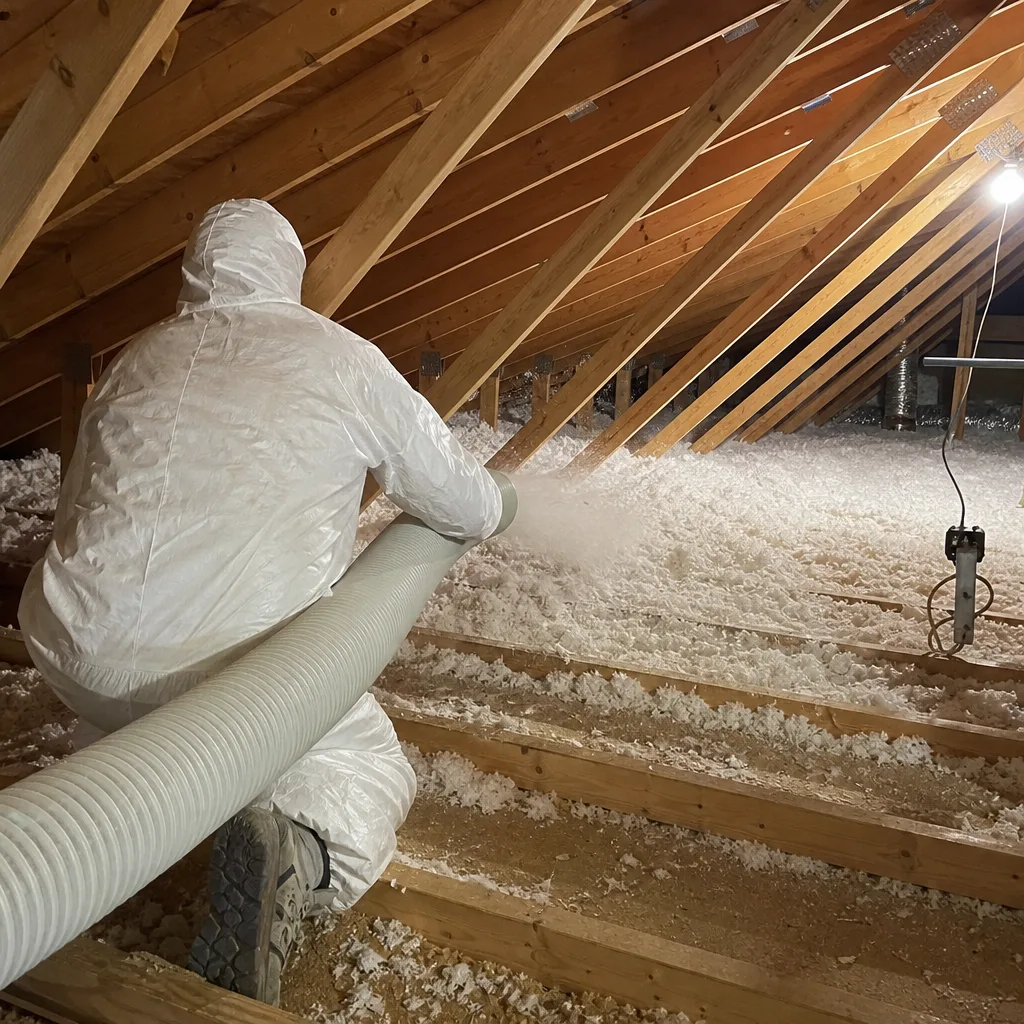
- Most Leander attic blow-ins run $1,600 – $2,600 for homes in the 1,800-2,800 sq ft range, including air sealing.
- R-49 is the practical target for Leander’s Climate Zone 2 – R-38 is the code minimum but doesn’t go far enough for year-round comfort in this heat.
- Air sealing is not optional – it’s the work that makes the insulation perform. Budget $400-$900 for air sealing as part of any blown-in project.
- Old insulation removal adds $0.75 – $1.50 per square foot if it’s needed.
- Federal 25C tax credits (30%, up to $1,200/year) and Oncor rebates can reduce net cost – ask for documentation at the time of estimate.
- Every job at Envelope Insulation Co. starts with a flat written price, ends with a documented photo record, and includes before-and-after blower-door numbers on applicable jobs.
FAQs – Blown-In Insulation Cost in Leander
How much does blown-in insulation cost per square foot in Leander, TX?
Blown-in insulation in Leander typically costs between $0.80 and $1.60 per square foot of attic floor, depending on the target R-value and whether air sealing is included. At R-38, expect the lower end of that range. At R-49 with air sealing included, expect $1.20 to $1.60 per square foot. Those numbers reflect current Leander market pricing for 2026, including materials (fiberglass or cellulose) and labor. Call (737) 252-7159 and we’ll give you a flat written price for your specific attic dimensions – no estimate range, an actual number.
Is it worth upgrading from R-19 to R-49 in a Leander home?
Yes, and the payback period in Leander is shorter than in most U.S. climates. The temperature differential between a Leander attic in July (often 135°F-145°F) and a conditioned interior (around 74°F-76°F) is large enough that doubling the insulation depth produces a measurable reduction in cooling load. Homes we’ve tested in the Block House Creek and Bryson areas with pre-upgrade R-19 have shown blower-door improvements of 35-50% after air sealing and insulation upgrades to R-49. The energy savings on a typical Leander electric bill – where cooling accounts for 40-55% of annual usage – generally recover the project cost within four to seven years, depending on usage patterns and utility rates.
Can blown-in insulation be added over existing insulation in Leander?
Yes, in most cases. If the existing insulation is dry, uncontaminated, and not compressed below 50% of its original depth, blown-in can be added directly on top. The existing material is treated as the base R-value, and the new blown-in brings the total to the target depth. If the existing insulation has moisture damage, rodent debris, or is old enough to have lost significant R-value through settling and compression, removal is the better call. We photograph the attic floor before touching anything so you have a documented baseline – and if removal is needed, we give you a separate written price for that scope before any work starts.
How long does a blown-in insulation job take in Leander?
Most blown-in attic insulation jobs in Leander take four to eight hours for a crew of two, including air sealing. A straightforward top-up on a 1,600-square-foot attic with clean existing insulation and minimal air sealing work can be done in three to four hours. A full air seal plus blow-in on a 2,400-square-foot attic with numerous penetrations – common in homes with open-plan great rooms and recessed lighting in Crystal Falls and Travisso – typically runs six to eight hours. We schedule Leander attic jobs to start early, before 7:30 AM in summer months, to keep the crew working in safe attic temperatures.
Does Envelope Insulation Co. offer financing for blown-in insulation in Leander?
You’ll want to ask specifically about current financing options when you call (737) 252-7159, as available programs change. What doesn’t change: you receive a flat written price before any work starts – Haven Standard Clause 1 – so you know the exact number you’re financing (or paying out of pocket) before a single bag of insulation is loaded. There are no surprise line items added after the job. The written scope is the scope.
What’s the difference between blown-in insulation and spray foam for a Leander attic?
Blown-in insulation (fiberglass or cellulose) is installed on the attic floor between and over the ceiling joists, maintaining a vented attic. Spray foam – when used at the roofline – creates an unvented attic by moving the thermal boundary to the rafters, which puts any ductwork inside conditioned space. Blown-in at R-49 on an attic floor typically costs $1,500 to $3,000 for a standard Leander home; spray foam at the roofline for the same home typically runs $4,500 to $9,000 or more. Spray foam makes the most sense when significant ductwork is in the attic and is difficult to relocate. Blown-in with attic floor air sealing is typically the more cost-efficient path when ductwork is already inside conditioned space or when the home’s attic geometry is straightforward.
Why Blown-In Insulation Projects at Envelope Insulation Co. Are Documented End to End
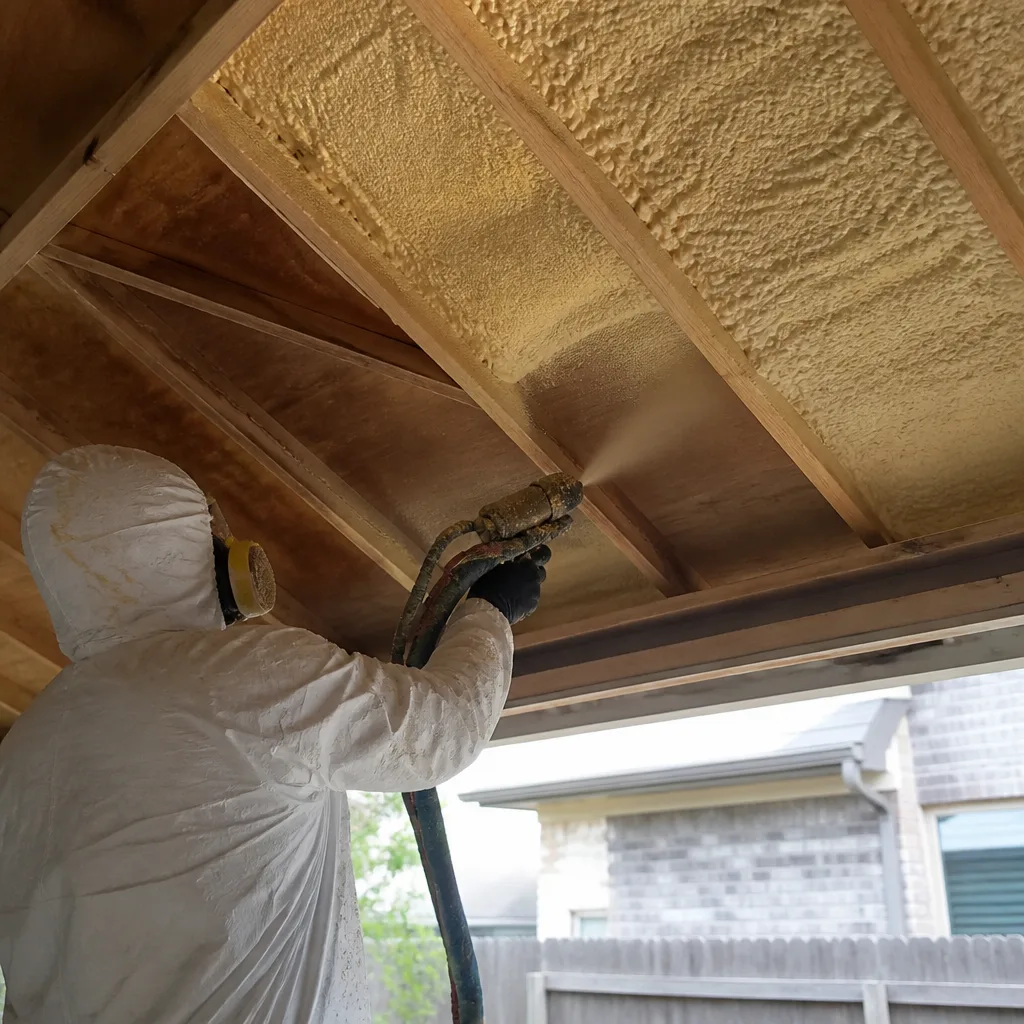
Wes Okafor built the company’s process around one premise: if you can’t measure it, you can’t promise it. That’s why every blown-in insulation job in Leander we complete includes a documented photo record of the attic floor before and after – depth gauge photos at multiple points, penetration sealing documentation, and on applicable jobs, before-and-after blower-door readings in CFM50. You receive those records before we leave the driveway.
The 365-Day Done Right Promise covers all completed work. If the blown-in settles below the documented target depth, or if a sealed penetration reopens, we come back and make it right – no new estimate, no debate. The written scope you receive before work starts defines what “done right” means for your specific job, so there’s no ambiguity on either side.
Envelope Insulation Co. has been independently owned and operated since 2016, with 9,000-plus homes sealed and insulated across the Central Texas area – every one with a written price before work started and a documented record when the crew left. Materials come from Owens Corning, Johns Manville, Knauf, GreenFiber, and others – no proprietary product lock-in, no single-source markup.
If you’ve already received a written estimate from another contractor, Wes and the team offer a free second opinion. Bring the quote, and we’ll go through it line by line – R-value, air sealing scope, material specification – so you know what you’re actually buying before you sign anything.
To get a flat written price for blown-in insulation at your Leander home, call (737) 252-7159. A live person answers – no voicemail loop, no callback window measured in business days.
Pricing reflects the Leander market as of 2026. Topside Attic Insulation Leander offers free estimates – call (737) 252-7159.
Written by Wes Okafor, Owner at Envelope Insulation Co. (operating as Topside Attic Insulation Leander), serving Leander, TX since 2016.
What Our Customers Say
"Two other companies quoted to blow more insulation on top of what was there. These were the only ones who said the existing material had to come out first, and explained why."
- Clifford E."The winter gas bill dropped by about a third. They had estimated a quarter, so they under-promised."
- Genevieve R."Crawl space encapsulation done properly. Photographs of the vapour barrier at every seam, and the damp smell in the hallway is gone."
- Ainsley P.