
Johns Manville Wall Insulation in Leander: What to Know First
We provide independent Johns Manville wall insulation service in Leander, with most jobs scheduled within 48 hours and completed in a single day. Our written price lands before any work starts - no exceptions - and you’ll receive a documented photo record and, on applicable jobs, before-and-after blower-door numbers showing exactly what changed. If your Leander home was built between 2005 and 2019 and has JM Spider or ComfortTherm in the walls, you’re the homeowner this page is for. Call (737) 252-7159 for a free estimate.
How Johns Manville Products Fail - and How We Fix Them
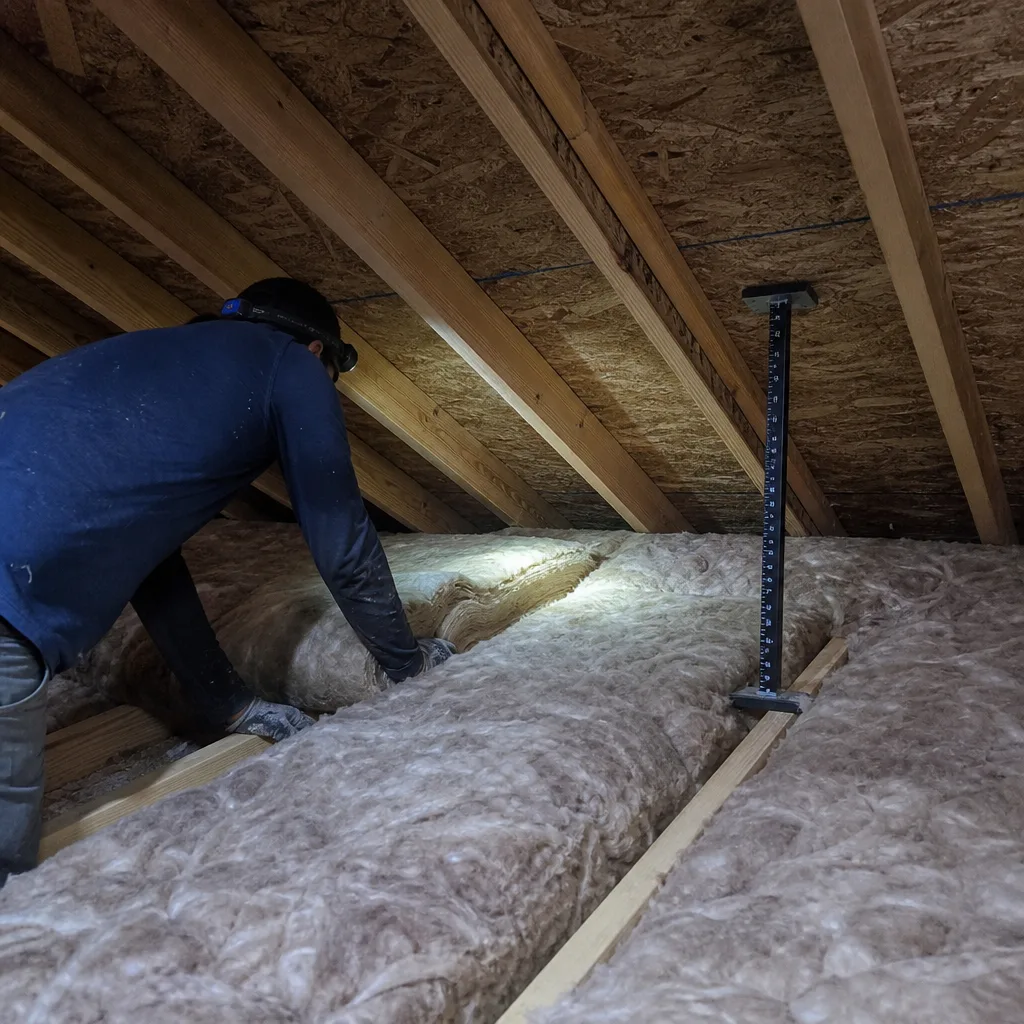
- Spider blown-in fiberglass settles below labeled depth in Leander’s heat cycles. The product is engineered to a specific installed density, but our FLIR scans in Crystal Falls and Travisso homes show 20-30% depth loss after five to seven years of 140°F attic temperatures conducting down through top plates. We remove the settled material, seal the top plates and electrical penetrations with acoustic sealant, then reinstall to a verified depth using a calibrated ruler card.
- ComfortTherm encapsulated batts lose their poly-encapsulation seal at staple points. The facing tears where it’s fastened to studs, creating localized convection loops that read as cold stripes on thermal imaging. We find these with blower-door-directed infrared during our initial assessment, then either replace with fresh batts or convert the cavity to dense-pack fiberglass depending on the wall assembly.
- Formaldehyde-free binder in pre-2015 JM batts can degrade in high-humidity wall cavities. Leander’s spring humidity spikes hit exterior walls hard, especially on north-facing elevations with inadequate vapor management. The binder breaks down, the batt delaminates, and you get a wall that tests fine for R-value but performs like a sieve under pressurization. We diagnose this with a guarded blower-door segment test, then specify either removal and replacement or injection foam depending on the cavity condition.
- JM Corbond III open-cell spray foam shrinks at the stud interface in timber-framed walls with high moisture content. This was more common in 2016-2018 Leander builds where framing lumber arrived green. The gap isn’t visible until you probe with a finned probe during our inspection. We cut back the failed foam, dry the cavity if needed, and reapply with corrected substrate moisture targets - or switch to a closed-cell alternative if the assembly requires it.
- Sound Control batts in interior walls compress during later electrical or plumbing modifications. Homeowners in Leander’s newer subdivisions often add outlets or media wiring after move-in, pushing the batt aside and leaving a 6-inch air gap that nullifies the STC rating. We verify with borescope inspection, replace the damaged section, and install mineral wool at any new penetration for maintained fireblocking and acoustics.
Our Johns Manville Wall Insulation Process
- 1
Call and schedule. A live person answers at (737) 252-7159 24/7. We book a 2-hour arrival window and text you when the technician is en route - Haven Standard: Arrive on schedule.
- 2
Blower-door test and thermal scan. We pressurize the house and run FLIR to find where your conditioned air is actually going. This gives us a CFM50 baseline and shows which walls are leaking, not just which ones are underinsulated.
- 3
Written price and scope. Before anyone lifts a tool, you get a flat price, written scope, and written warranty. This is Haven Standard Clause 1. No surprises.
- 4
Air sealing first, then insulation. Top plates, electrical boxes, conduit penetrations, and any gaps at the sole plate get sealed with appropriate materials. Seal the envelope first. Then fill it.
- 5
Installation with verified depth or density. Blown-in gets a ruler card every third cavity. Batts get compression-checked against the stud face. Spray foam gets in-situ depth measurement before trim.
- 6
Post-test, photo record, and documentation. We run the blower door again, hand you the before-and-after numbers, and leave a documented photo record showing what we found and what we did. The 365-Day Done Right Promise applies from this moment.
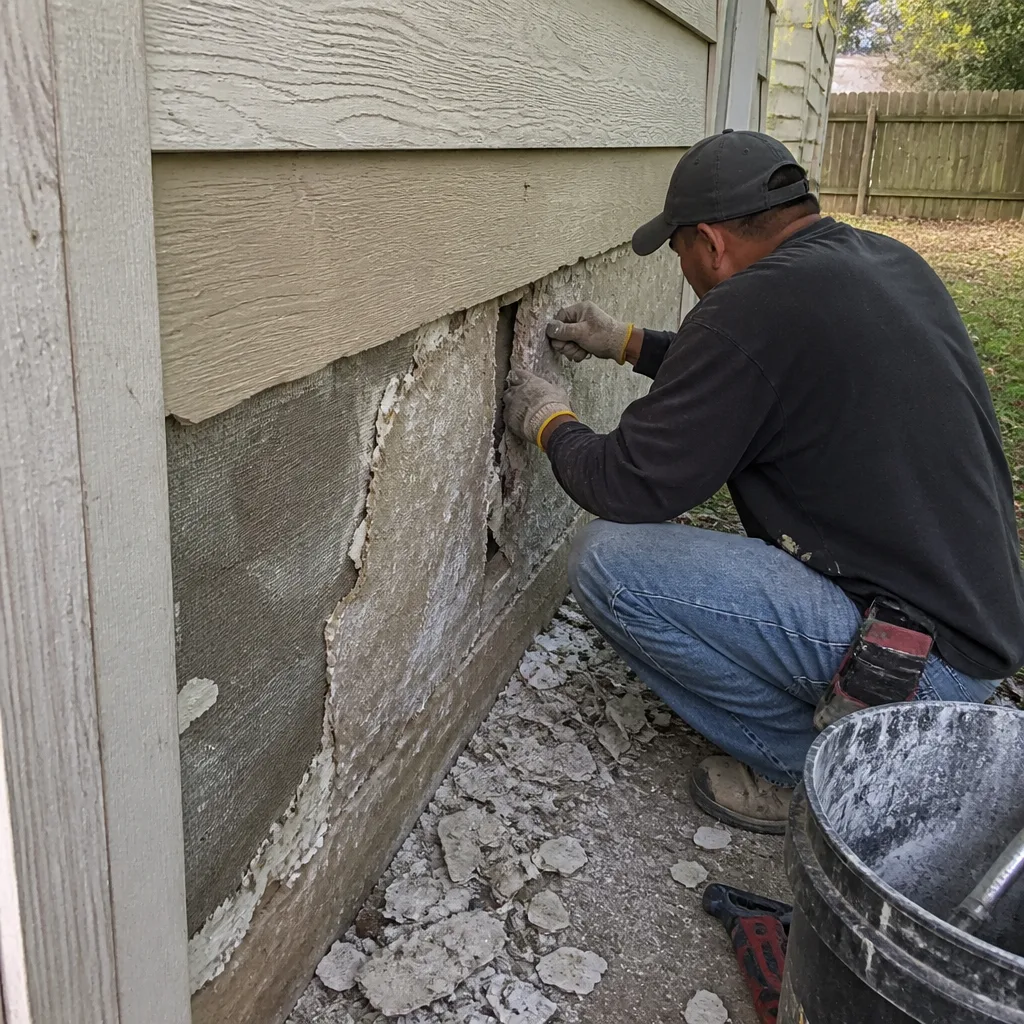 Before
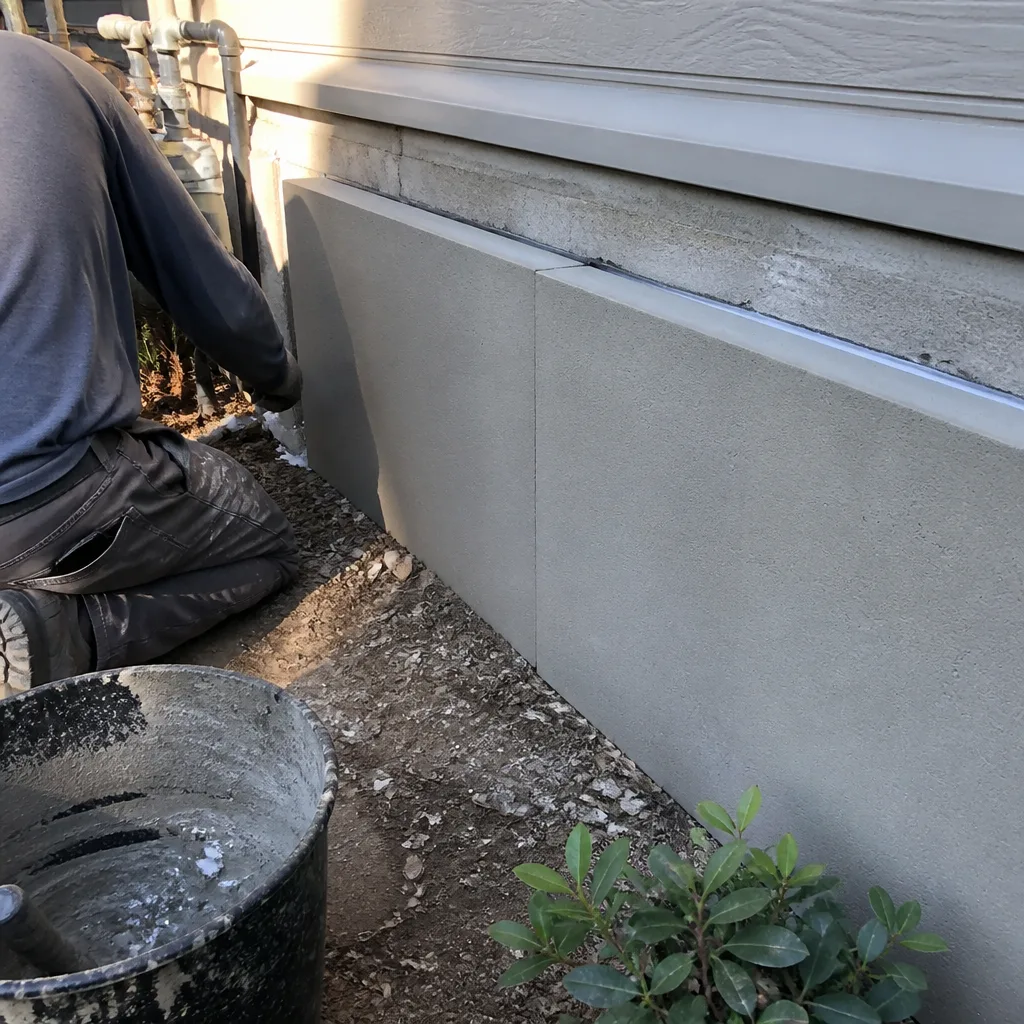 After
AfterWhat Johns Manville Wall Insulation Costs in Leander
Most Johns Manville wall insulation jobs in Leander run between $1,800 and $4,200 for a typical 2,000-square-foot home with standard 2×4 or 2×6 exterior walls. What moves the number:
- Access method: Drill-and-fill from exterior runs lower; interior access with drywall repair runs higher.
- Existing material condition: Removal of degraded or pest-contaminated insulation adds $400-$900.
- Cavity conversion: Switching from batt to dense-pack or injection foam adds material cost but improves air-sealing performance.
- Wall count: Interior soundproofing walls, garage common walls, and bonus room knee walls are priced per linear foot.
We also source from Owens Corning, Knauf, Rockwool, CertainTeed, Icynene, Demilec, and GreenFiber - no proprietary lock-in means we specify what’s right for your assembly, not what’s in our warehouse. Call (737) 252-7159 for your written price. Estimates are free.
Why Leander Homeowners Call Topside Attic Insulation Leander for Johns Manville Work
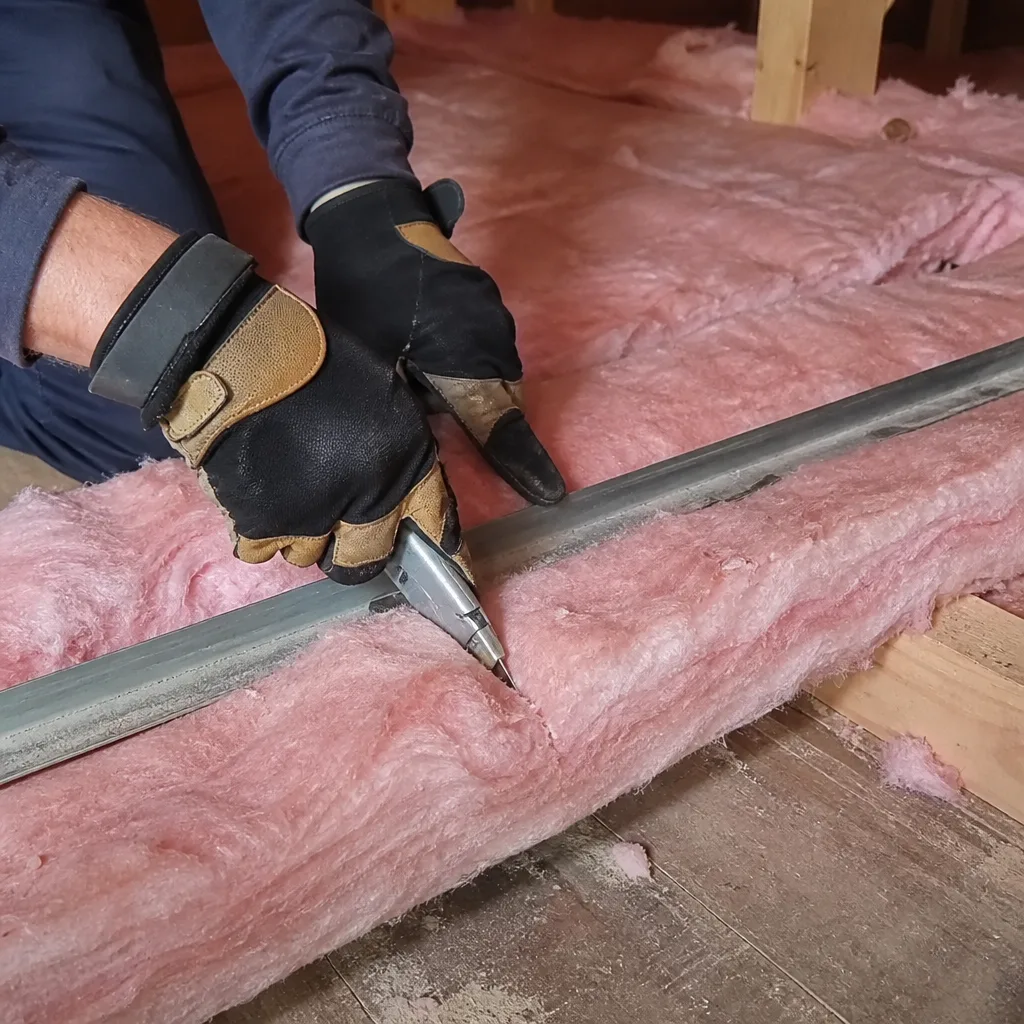
We’ve sealed and insulated over 9,000 homes since 2016, every one with a written price before work started and a documented record when the crew left. Our technicians are background-checked, uniformed, and trained on JM’s specific product lines - they know the difference between Spider and Spider Plus density requirements, and they don’t guess. The 365-Day Done Right Promise means if it’s not done right, we make it right, backed by the written scope you already have in hand. We also service Reflectix and other brands, so if your Leander home has mixed materials across additions or renovations, we don’t subcontract the unfamiliar stuff. Calls are answered by a live person, 24/7.
FAQs
No - Johns Manville’s product warranties cover manufacturing defects, not who installed them or when. Warranty claims require proof of proper installation per manufacturer specs, which is exactly what our documented photo record and written scope provide. If you have a current warranty concern, we’ll photograph the installed product label and installation condition to support any claim you file with JM directly. Call (737) 252-7159 and we’ll walk you through what’s covered.
We stock JM Spider, ComfortTherm, and Corbond lines for direct replacement when the assembly calls for it. When a JM product has been discontinued or when a different material performs better for your specific failure mode - like switching from open-cell to closed-cell foam in a moisture-compromised cavity - we explain the trade-off in writing before you decide. No proprietary lock-in means the specification follows the science, not the brand.
Repair is cheaper when the material is intact and only access points or localized compression need attention - typically $800-$1,500. Removal and replacement makes sense when the binder has degraded, there’s pest activity, or the cavity was never properly air-sealed in the first place. We make this recommendation based on borescope and blower-door findings, not age alone. Call (737) 252-7159 for a free assessment and written price for either approach.
Most jobs are scheduled within 48 hours of your call and completed in one working day. Two-story homes with complex access or interior drywall repair may extend to a second day. We don’t book more than we can finish properly - Haven Standard: Arrive on schedule, leave with documentation.
Yes - bring us any written estimate and we’ll read it with you. We’ll flag anything that doesn’t match what we see in your walls and give you our own written price for comparison. No charge, no obligation. Under Haven Standard, you deserve to know what you’re actually buying before anyone starts work.
Written by Wes Okafor, Owner, Topside Attic Insulation Leander at Topside Attic Insulation Leander, serving Leander and nearby areas.