
Knauf Attic Insulation: The Leander Owner’s Guide
We stock and install Knauf-compatible blown-in fiberglass attic insulation in Leander, with most residential jobs running between $1.80 and $2.40 per square foot installed depending on target R-value and existing conditions. Same-day installation is available when we have your target depth and square footage confirmed by phone. Leander homeowners usually discover their Knauf insulation is failing when summer attic temperatures spike past 130°F, the second floor won’t cool below 78°F, or an energy audit reveals the original R-30 has compressed to R-19 after a decade of Texas heat cycling.
Which Knauf Models This Applies To
Knauf’s residential attic line in Leander homes is almost exclusively Knauf Jet Stream Ultra (formaldehyde-free blown fiberglass) or Knauf Ecoseal (batt and roll systems), though we also encounter older Knauf Insulation loose-fill from pre-2018 installs. The critical identifier is the bag label: Jet Stream Ultra carries a pinkish-white color with the Ecose Technology binder, while older Knabf loose-fill tends toward yellowed white and breaks apart when disturbed.
Here’s where compatibility gets specific. Jet Stream Ultra is designed for open-blow attic applications at settled depths of 14.75 inches for R-38 (the Leander code minimum for new construction) or 18.25 inches for R-49 (what we recommend given local cooling loads). The product must be matched to the blowing machine: Knauf’s spec calls for a minimum 2.5-inch hose diameter and 3,000 RPM blower speed. We’ve found that contractors using generic rental equipment often under-fluff the material, achieving 0.4 pounds per cubic foot instead of the specified 0.5 to 0.6, which costs you R-value you paid for.
OEM Knauf bags versus equivalent aftermarket fiberglass: we source Knauf directly for color-matched top-offs, but for full replacement we also install Johns Manville, Owens Corning, or CertainTeed when the homeowner prefers. The thermal performance is identical at equivalent density; the difference is binder chemistry and dust characteristics during install. We do not stock Reflectix for attic floor applications, though we carry it for duct wrap and radiant barrier retrofits.
Topside Attic Insulation Leander is an independent service provider and is not affiliated with Knauf Insulation or its parent company.
Signs Your Knauf Attic Insulation Is Failing
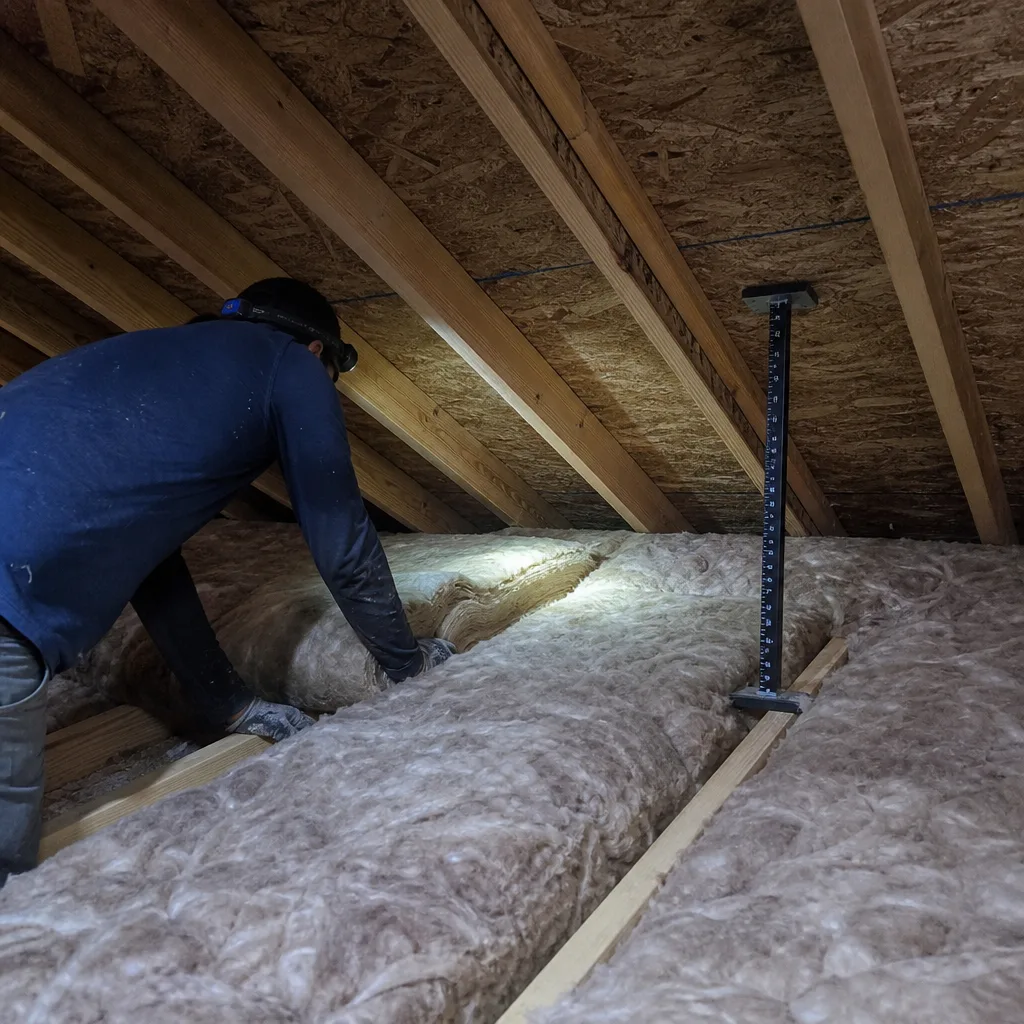
- Uneven temperature distribution between floors. The upstairs runs 8-12°F warmer than downstairs even with the AC running continuously. This usually means your Knauf blown-in has settled or been disturbed, creating thin spots over hallways and interior walls where the original installer couldn’t see the joists.
- Ice damming or heavy frost on north-facing roof sheathing in winter. Warm, moist interior air is hitting cold decking because the insulation barrier has gaps, typically at top plates or around chimney chases where the Knauf material was never properly dammed.
- Insulation depth below current Leander building code. We measure with a calibrated ruler card on every job. If your attic shows less than 14.75 inches of settled fiberglass and your home was built or reinsulated before 2021, you’re likely below the IECC climate zone 2 requirement.
- Visible degradation: clumping, dark staining, or rodent disturbance. Knauf’s Ecose binder resists moisture better than old-formaldehyde fiberglass, but once saturated from a roof leak, it mats permanently and loses loft. Dark streaks indicate airborne dust infiltration, meaning your attic floor isn’t sealed.
- Energy bills rising 15-25% year-over-year with no rate change. In Crystal Falls and other Leander neighborhoods with 2015-2019 construction, we’ve traced this pattern repeatedly to R-30 that has compressed to effective R-22 or lower under foot traffic from HVAC service and storage.
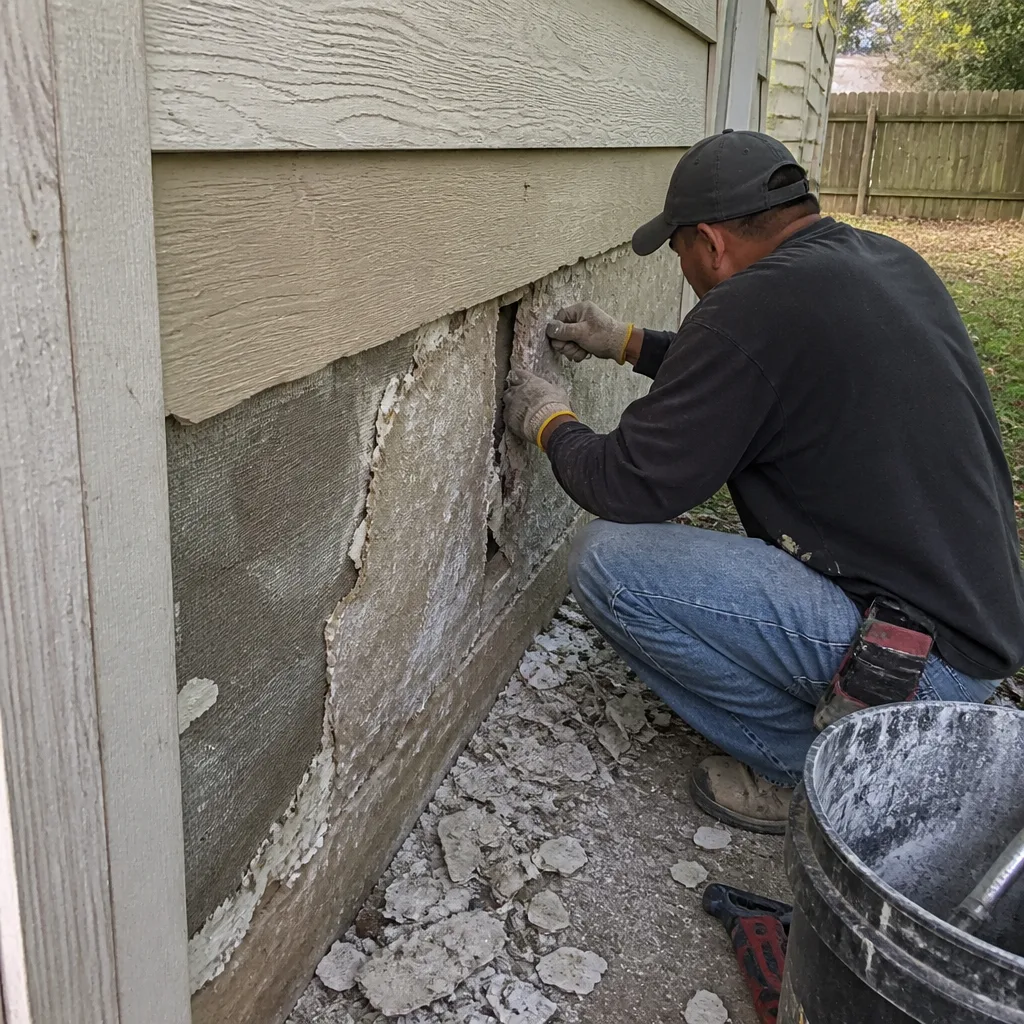 Before
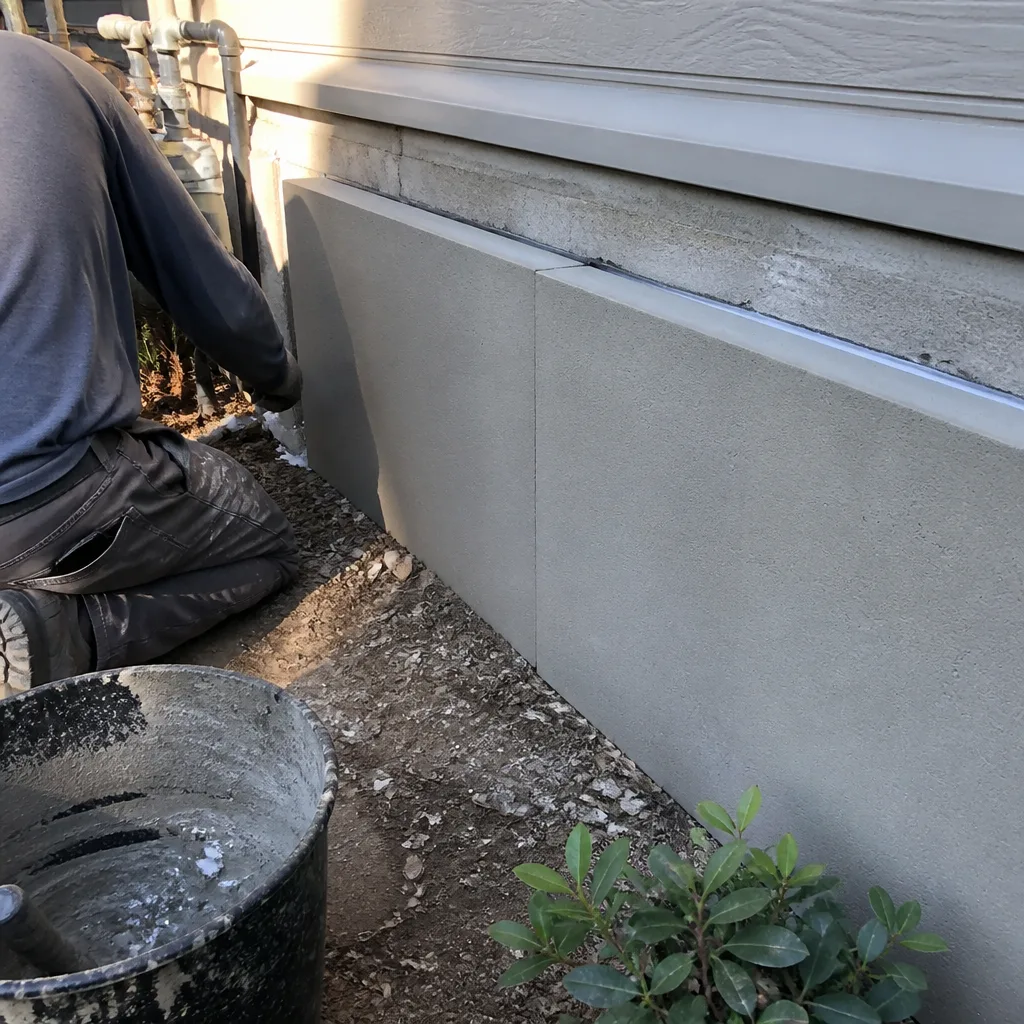 After
AfterReplacement Cost & What’s Included
Most Knauf attic insulation replacements in Leander run between $1.80 and $2.40 per square foot for open-blow fiberglass to R-38, and $2.20 to $2.90 per square foot to R-49. A typical 1,800 square foot attic at R-38 lands around $3,240 to $4,320. The range depends on four factors: whether we remove existing material ($0.40-$0.65/sq ft additional), the extent of air sealing required, access difficulty (steep roof pitch, limited attic entry), and whether you need baffles installed for soffit ventilation.
Every Knauf replacement includes: removal and responsible disposal of existing insulation if needed; air sealing of top plates, wire and pipe penetrations, can light housings, and chimney chases with fire-rated caulk and rigid foam; installation to verified depth with a calibrated ruler card; and a Documented Photo Record showing pre-condition, sealed penetrations, and finished depth. On applicable jobs, we provide before-and-after blower-door numbers so you can see the air leakage reduction in CFM50. The 365-Day Done Right Promise applies: if settling or performance doesn’t match the written scope, we make it right.
We do not start work without a written price. Haven Standard Clause 1: flat price, written scope, written warranty before anyone lifts a tool.
DIY or Call Us?
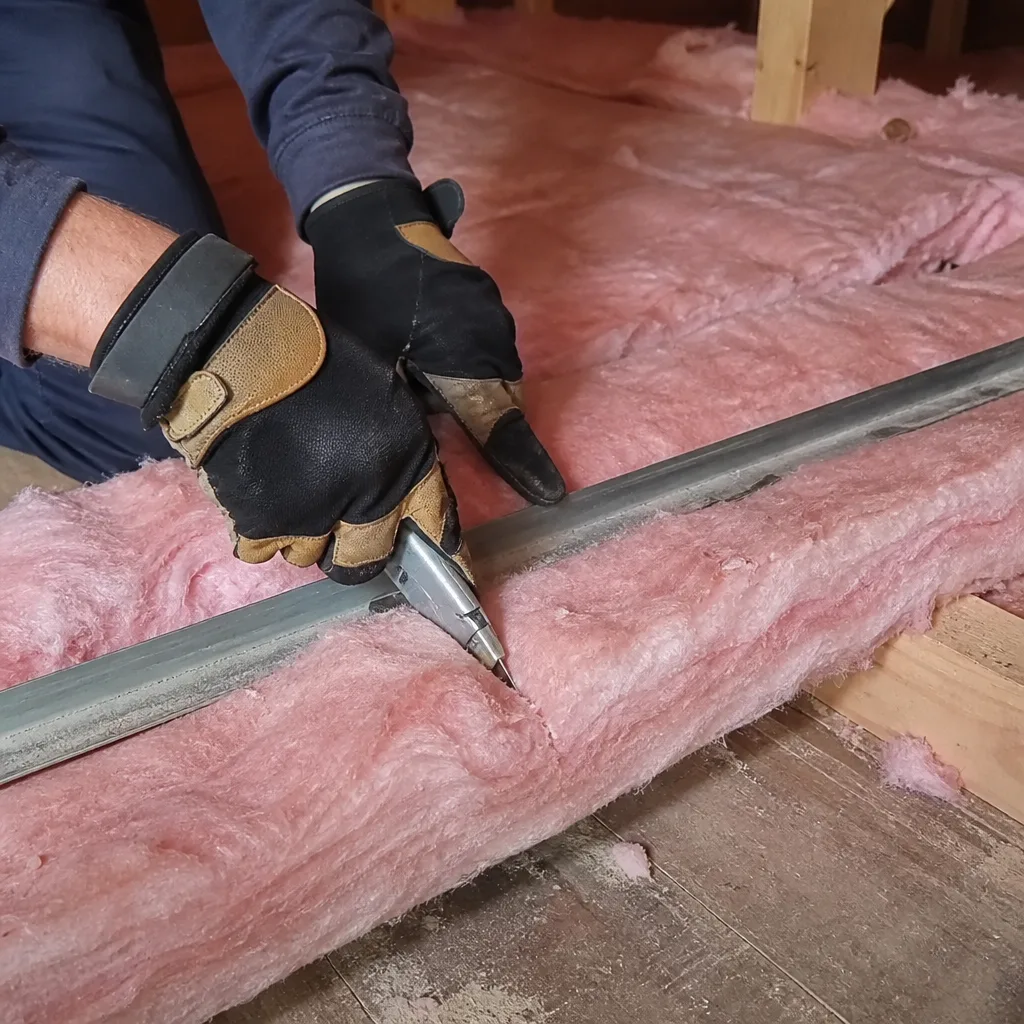
Here’s what you can safely check yourself. Grab a tape measure and a flashlight, and measure insulation depth at five points: center of attic, over the master bedroom, over the hallway, and two spots near the eaves. If you’re seeing 10 inches where 15 should be, or bare drywall at the eaves, you have a problem. You can also photograph any water staining, rodent activity, or compressed paths for our reference.
What goes wrong with DIY: blowing fiberglass to correct density requires equipment most rental yards don’t stock, and installing over an unsealed attic floor is the most common mistake we correct. The Knauf spec demands specific hose diameter and blower RPM for proper loft; without it, you get dense, underperforming material that settles further within a year. More critically, disturbing old insulation without respiratory protection and containment risks fiberglass exposure and cross-contamination through your HVAC returns. We’ve found live knob-and-tube wiring buried in attics across Leander’s older sections, including homes near Bagdad Road. If you see old wiring, stop and call.
Seal the envelope first. Then fill it. Call (737) 252-7159 for a written price before any work starts.
FAQs
Properly installed Knauf Jet Stream Ultra should maintain its rated R-value for 20 to 30 years, but in Leander’s climate we see effective performance drop after 10 to 15 years due to compression from HVAC service traffic, rodent disturbance, and the original install being under-fluffed. The material itself doesn’t “expire”; the installed density and coverage do. Call (737) 252-7159 for a free assessment of your current depth and condition.
Spot repair works only if the existing material is dry, uncompressed, and uniformly distributed; we can add matching Knauf to bring depth to spec. If there’s moisture damage, rodent contamination, or significant settling below R-30, removal and replacement is the only code-compliant path. We provide a Free Second Opinion on any written estimate that recommends one approach over the other.
Most residential jobs in Leander finish in one day: 2 to 3 hours for air sealing, 3 to 4 hours for blowing to depth, plus cleanup and documentation. Two-day jobs involve full removal, deck repairs, or extensive rodent proofing. We stock Knauf material on our trucks for confirmed appointments, and same-day install is available when the attic is accessible and prepped.
We stock Knauf Jet Stream Ultra and equivalent-density fiberglass from Owens Corning and Johns Manville on every truck serving Leander, Cedar Park, and Liberty Hill. For R-49 installs over 3,000 square feet, we may schedule a next-day material drop, but standard R-38 jobs carry same-day availability. Call (737) 252-7159 to confirm stock for your target depth and square footage.
Written by Wes Okafor, Owner, Topside Attic Insulation Leander at Topside Attic Insulation Leander, serving Leander and nearby areas.