
Owens Corning Radiant Barrier Installation: The Leander Owner’s Guide
Most Owens Corning radiant barrier installations in Leander run between $1,800 and $3,400 for a typical 2,000-square-foot attic, including material, labor, and the air-sealing prep that should happen first. We stock Owens Corning-compatible radiant barrier rolls and tape on every truck, and we can usually inspect and quote same-day if you call before noon. Homeowners usually figure out something’s wrong when the upstairs bedrooms won’t cool below 78°F in July despite the AC running nonstop, or when they climb into the attic and find the existing barrier torn, dusty, or stapled directly over unsealed can lights.
Which Owens Corning Models This Applies To
Owens Corning doesn’t sell a standalone “radiant barrier system” under one model name. What you’ll find in Leander attics is either Owens Corning Raft-R-Mate baffle products used in conjunction with reflective sheathing, or Owens Corning AtticCat blown-in insulation jobs where a previous contractor added a generic radiant barrier on top without proper integration. The actual reflective material Owens Corning distributes is typically a foil-faced polyisocyanurate sheathing (often called FI-FOIL in the field) or their EnergyComplete system components that include reflective elements.
To identify what you have, look for the printed ink code on any existing foil layer. Owens Corning foil products carry a date stamp and an “OC” prefix. Measure the width: OC-compatible rolls come in 48-inch and 24-inch widths, with 48-inch being standard for rafter-bay installation in Leander’s predominantly truss-framed homes built 2015-2023. If your existing barrier is 36-inch, it’s aftermarket or Reflectix, not Owens Corning, and the tape compatibility changes.
We don’t push OEM-only replacement. The Owens Corning foil performs well, but a quality aftermarket equivalent with the same emissivity rating below 0.05 and proper ASTM C1313 certification will outperform a degraded original every time. What matters more than the brand on the roll is whether the attic was sealed first. “Seal the envelope first. Then fill it.”
Signs Your Owens Corning Radiant Barrier Installation Is Failing
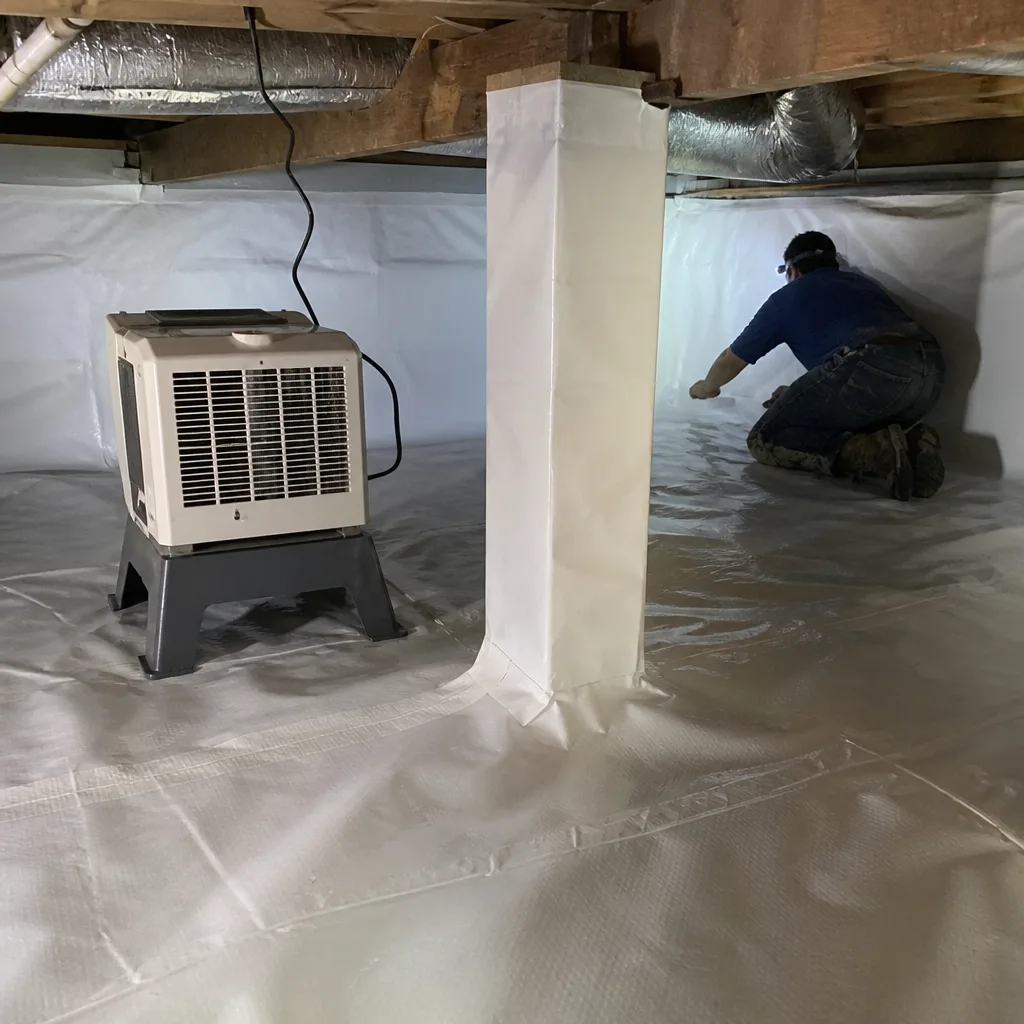
- Upstairs rooms stay hot past 9 p.m. The radiant barrier’s job is to reflect solar heat before it radiates into conditioned space. When foil tears, oxidizes, or collects a layer of attic dust, emissivity climbs and the barrier quits working. We see this most in Leander’s Crystal Falls and Travisso neighborhoods where attic ventilation is marginal and dust accumulation is heavy.
- Visible tears or sagging between rafters. Owens Corning foil is thinner than some competitors, which means it installs cleaner but tears more easily if a contractor walked on it during subsequent work. A torn barrier creates a thermal bypass; heat radiates through the gap at full strength.
- Foil surface is dull or chalky, not mirror-bright. Oxidation degrades the aluminum layer. In Texas attics with temperature swings from 40°F winter mornings to 140°F July afternoons, this happens faster than the manufacturer spec sheet suggests. We’ve replaced 6-year-old barriers in Leander that looked 20.
- Insulation underneath is compressed or wet. A radiant barrier stapled before air sealing traps moisture against the ceiling drywall. The foil becomes a condensing surface, especially in spring when attic humidity spikes. This isn’t a barrier failure; it’s an installation-sequence failure, and it’s common.
- Your energy bill jumped year-over-year with no rate change. A working radiant barrier should reduce attic heat transfer by 20-35%. When it fails, the load shifts entirely to your AC. We verify this with a FLIR scan showing ceiling surface temperatures; a failed barrier reads nearly as hot as the attic air.
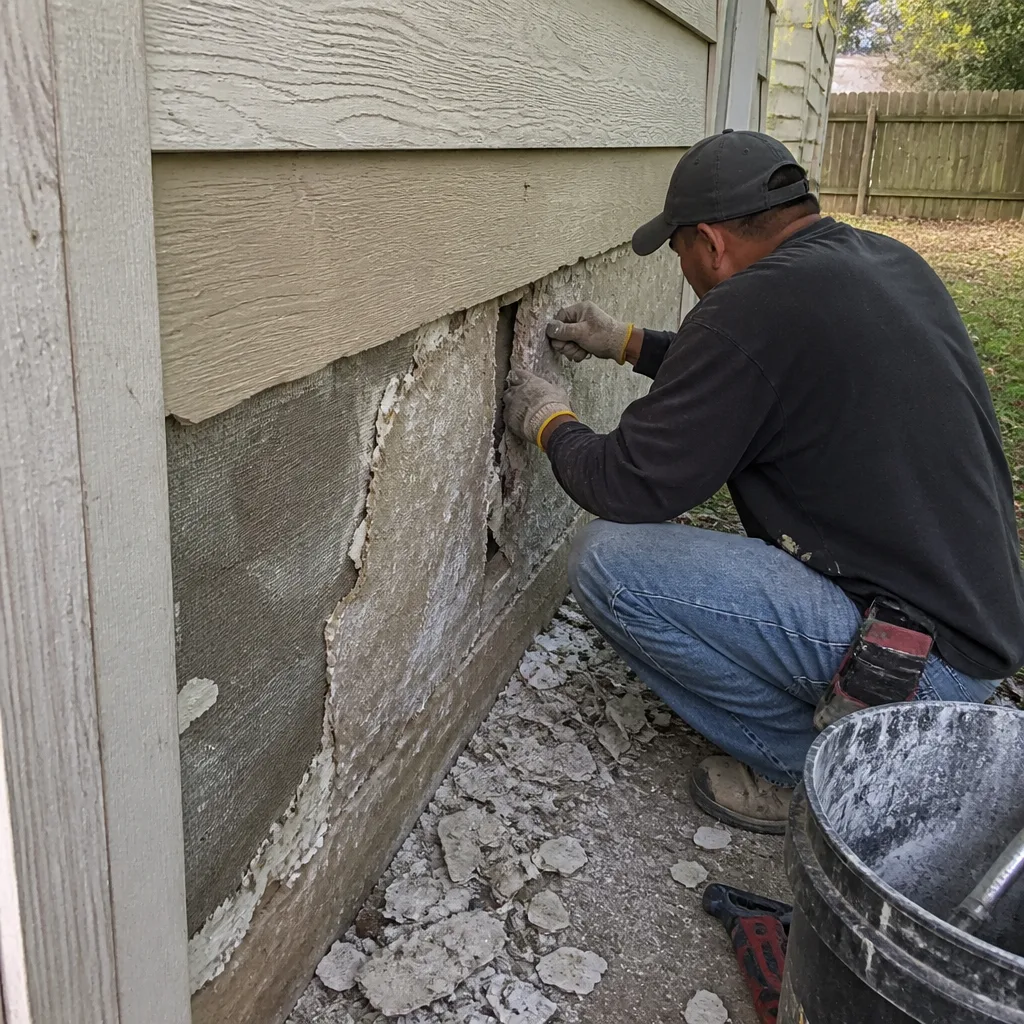 Before
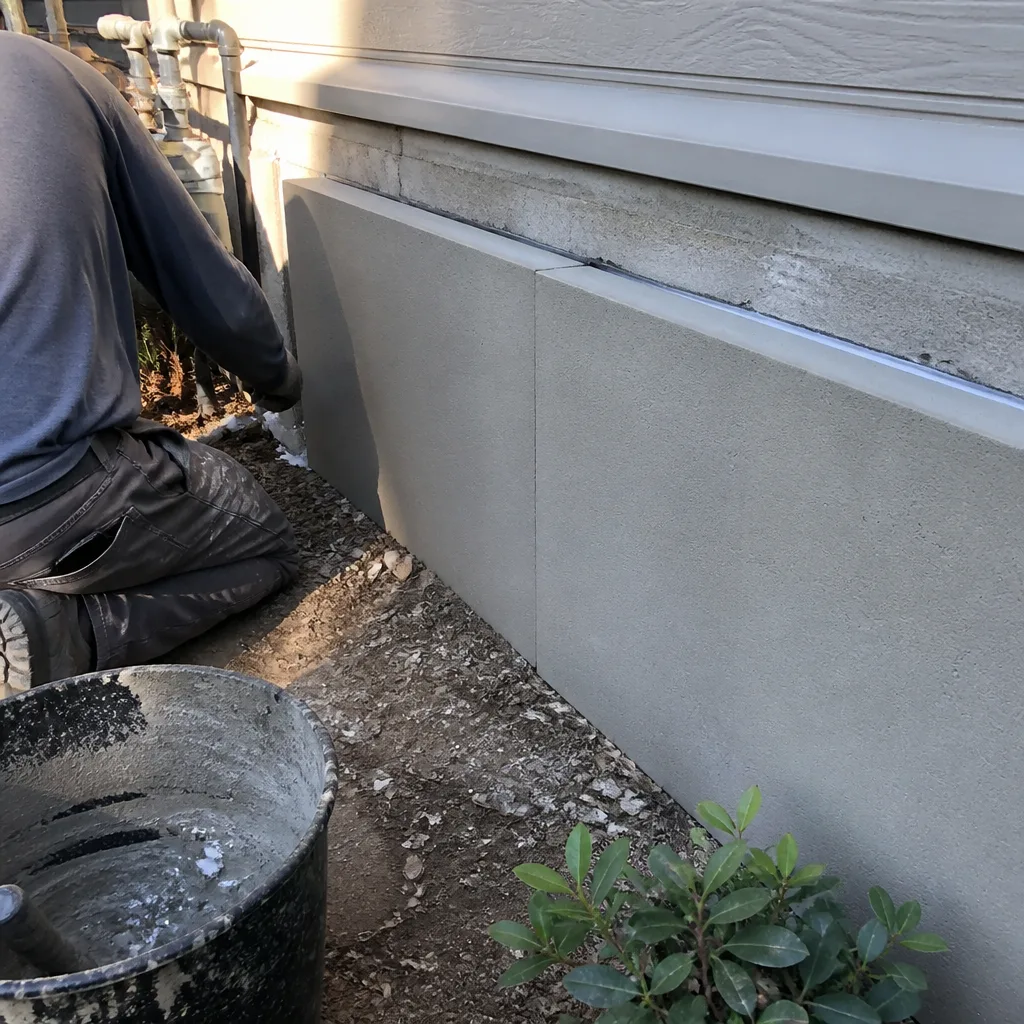 After
AfterReplacement Cost & What’s Included
| Component | Typical Range (Leander) |
|---|---|
| Air sealing prep (top plates, can lights, penetrations) | $400 - $800 |
| Owens Corning-compatible radiant barrier material | $600 - $1,200 |
| Labor: removal, surface prep, installation | $700 - $1,200 |
| Blower-door test (before/after) | Included |
| Documented Photo Record | Included |
| Total installed | $1,800 - $3,400 |
The range depends on attic square footage, accessibility (truss spacing, existing decking), and how much failed material needs removal. A 1,200 sq ft attic with open trusses and minimal existing barrier runs toward the low end. A 3,000 sq ft home with 24-inch oc trusses, existing compressed insulation, and a previous contractor’s staple mess runs higher. We don’t quote over the phone without photos, but we do provide a written price before any work starts, always, per Haven Standard Clause 1. The 365-Day Done Right Promise covers labor and workmanship; material defects carry the manufacturer’s warranty.
DIY or Call Us?
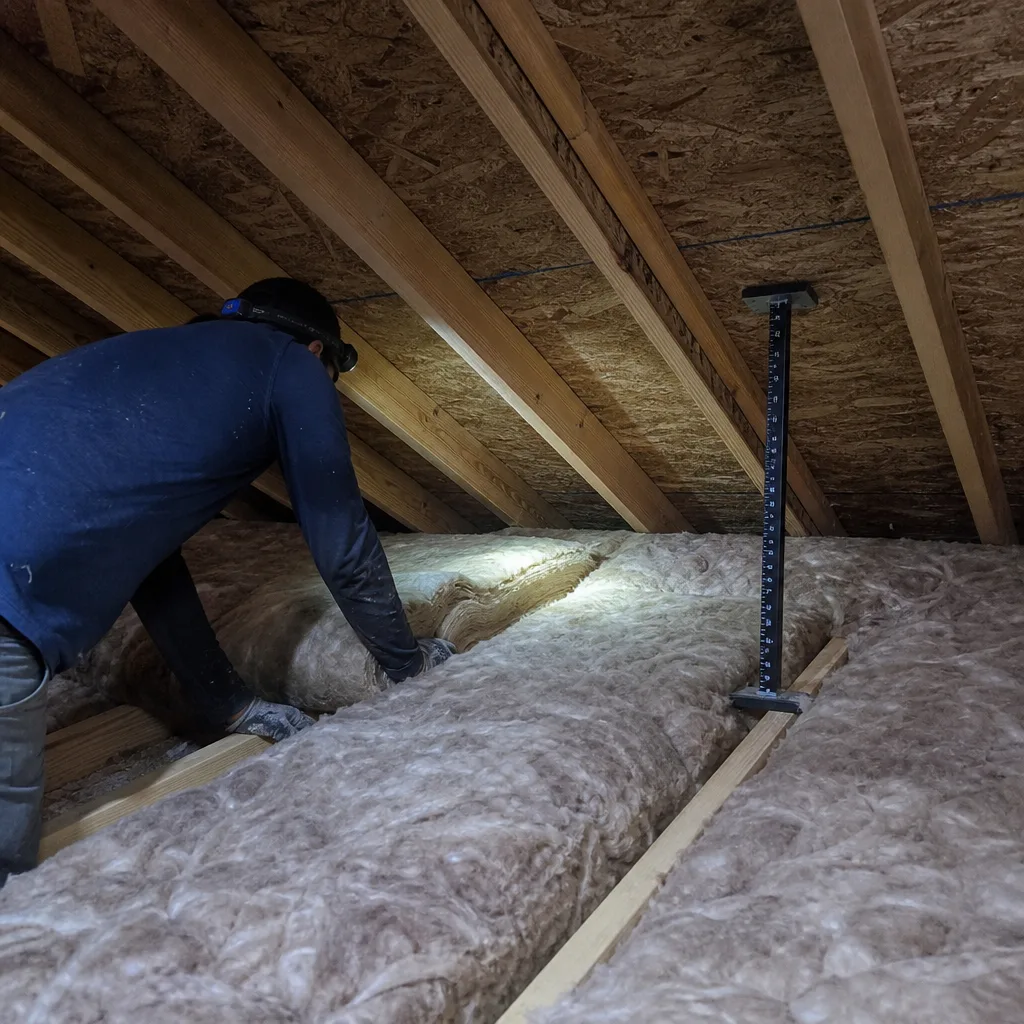
There’s no high-tension spring or electrical hazard here, but there is a sequencing hazard. A homeowner can safely inspect their own attic: look for tears, measure foil width, check for dust accumulation with a white glove. What goes wrong is the temptation to staple new foil over old problems. Unsealed top plates, unboxed can lights, and bathroom fan penetrations turn a radiant barrier into a moisture trap. We’ve pulled down DIY jobs in Leander where the homeowner did beautiful staple work and created a mold problem in six months.
If your attic floor is already sealed and vented properly, a careful DIY install with ASTM-rated tape and proper clearances is possible. If you haven’t verified that with a blower-door test, you’re guessing. We provide free second opinions on any written estimate, including your own material list. Call (737) 252-7159 and we’ll tell you straight whether this is a job you should handle or one that needs the full sequence.
FAQs
In Leander’s climate, a properly installed Owens Corning-compatible radiant barrier lasts 15-20 years if the attic stays dry and the foil isn’t disturbed. We’ve replaced barriers at 6-8 years in homes with poor ventilation or where the foil was installed before air sealing trapped moisture. Call (737) 252-7159 for an attic condition assessment - estimates are free.
Small tears in accessible areas can be patched with aluminum foil tape rated for high-temperature exposure, but patching is usually false economy. Tears indicate the material is brittle, and the labor to patch every failure point often exceeds replacement cost. We quote both options when we inspect. Call (737) 252-7159 to schedule.
A typical Leander home takes one day for removal, air sealing, and new barrier installation. Larger homes or attics with decking to remove and replace may run into a second day. We don’t charge by the hour; the written price is the price. Call (737) 252-7159 for scheduling.
We stock Owens Corning-compatible foil rolls, ASTM-rated tape, and air-sealing materials on every truck. We don’t stock every width; 48-inch is standard for Leander truss spacing. If your attic requires 24-inch or a specific Owens Corning EnergyComplete component, we order with next-day availability. Call (737) 252-7159 to confirm compatibility with your existing system.
Topside Attic Insulation Leander is an independent service provider; we are not affiliated with Owens Corning. We also stock and install Reflectix radiant barrier products when they’re the better match for a specific attic configuration.
Written by Wes Okafor, Owner, Topside Attic Insulation Leander at Topside Attic Insulation Leander, serving Leander and nearby areas.