
Rockwool Attic Insulation: The Leander Owner’s Guide
Rockwool attic insulation installed in Leander homes typically runs $2.80 to $4.20 per square foot for batt or loose-fill applications, with most complete attic jobs falling between $3,200 and $5,800 depending on accessibility and whether existing material needs removal. We stock Rockwool Comfortbatt, Comfortboard, and AFB evo lines on our Leander trucks, and we can usually inspect and quote same-day. Most homeowners in Leander realize their Rockwool insulation is underperforming when upstairs rooms won’t cool below 78°F despite the AC running nonstop, or when they find compressed, moisture-stained batts in the attic after a Central Texas storm season.
Which Rockwool Models This Applies To
Rockwool’s residential attic line breaks into three families, and matching the right product to your existing layer matters for both thermal performance and code compliance in Williamson County.
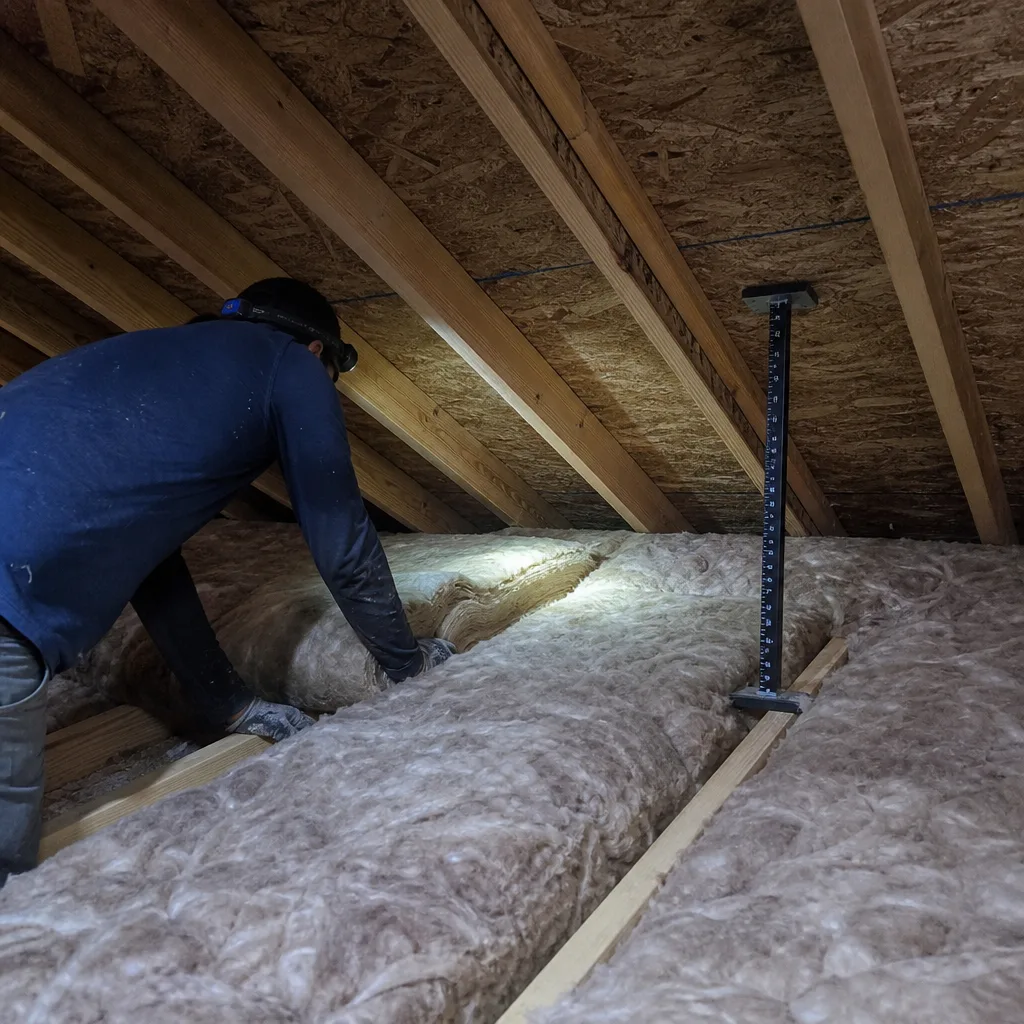
- Comfortbatt (semi-rigid batts): The most common retrofit product we see in Leander’s 2015-2022 builds. Available in R15, R23, R30, and R38 thicknesses. The R30 and R38 batts are 7.25″ and 10.25″ thick respectively; if your attic joists are only 2x8s, compressing an R38 into that cavity kills its rated performance. We verify with a calibrated ruler card before ordering.
- Comfortboard 80/110 (rigid boards): Used for attic hatch covers, kneewalls, and cathedral ceiling applications. The 80 and 110 refer to compressive strength in pounds per square foot. A Leander homeowner with a converted attic space in Crystal Falls or Travisso may have 2-inch Comfortboard 80 layered for an R8 thermal break; swapping in generic rigid foam without the fire rating voids the assembly’s ASTM E136 compliance.
- AFB evo (acoustic/fire batt): Less common in attics but found in Leander townhomes where fireblocking between units is code-required. The evo formulation is the current generation; pre-2019 AFB may be labeled simply “AFB” without the evo suffix. Density is 4 lb/ft³ versus Comfortbatt’s 2.8 lb/ft³, so they are not interchangeable for thermal-only applications despite similar dimensions.
Identification: Rockwool batts have a distinct fibrous, wool-like texture and are stamped with a density mark and R-value every 24 inches. If your existing batts are unlabeled and you’re unsure, we bring a sample card to the inspection. Topside Attic Insulation Leander is an independent service provider; we are not affiliated with Rockwool A/S, though we source through their authorized Texas distributors.
For OEM versus aftermarket: Rockwool’s mineral wool formulation is proprietary to their Danish manufacturing process. There is no generic mineral wool that matches the exact fiber structure and binder chemistry. We use OEM Rockwool for all thermal attic applications. The only “aftermarket” equivalent we consider is Johns Manville TempControl in fire-rated assemblies where Rockwool lead times stretch past two weeks, and we disclose this substitution in writing before any work starts.
Signs Your Rockwool Attic Insulation Is Failing
- Hot second-floor rooms that the AC cannot pull below 78°F. Rockwool does not degrade like fiberglass, but it can settle or be displaced by wind washing through soffit vents. In Leander, we see this most in homes near the Balcones Canyonlands where afternoon venturi effects pull conditioned air out through ridge gaps that were never sealed. The insulation itself is intact; the air barrier around it has failed.
- Moisture staining or black spotting on batt faces. Rockwool is hydrophobic and will not hold water like cellulose, but vapor drive from Leander’s humid spring months can condense on the top surface if the attic lacks proper ventilation. The stain pattern usually follows the joist bays, telling us the vapor barrier orientation was wrong or missing.
- Compressed batts measuring well below labeled thickness. Homeowners or previous contractors walking through the attic is the usual cause. Rockwool Comfortbatt at R30 needs its full 10.25″ loft to achieve rated R-value. A compressed batt at 6″ performs closer to R18. We measure with a ruler card at five points per 1,000 square feet.
- Visible gaps at top plates, chimney chases, or recessed light housings. Rockwool batts cut and fit well, but they are not an air barrier material. Gaps that were acceptable in 2016 are not acceptable under current IECC standards for Leander’s climate zone. We find these with blower-door-directed infrared scanning.
- Rodent nesting or droppings throughout the insulation layer. Rockwool’s density makes it less attractive than fiberglass, but mice will tunnel through any insulation to reach warmth. The contamination requires removal, not just topping off, because rodent waste carries pathogens that blower-door pressure differentials can mobilize into living space.
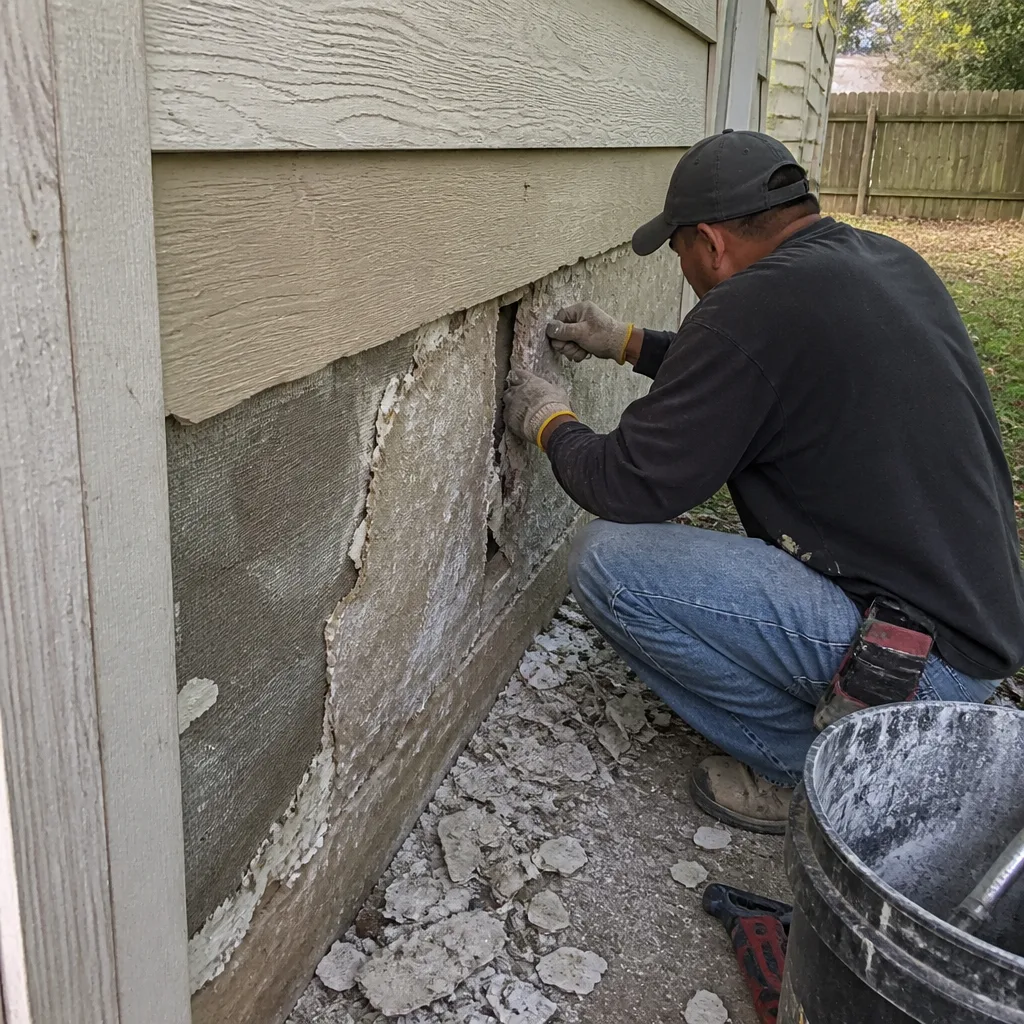 Before
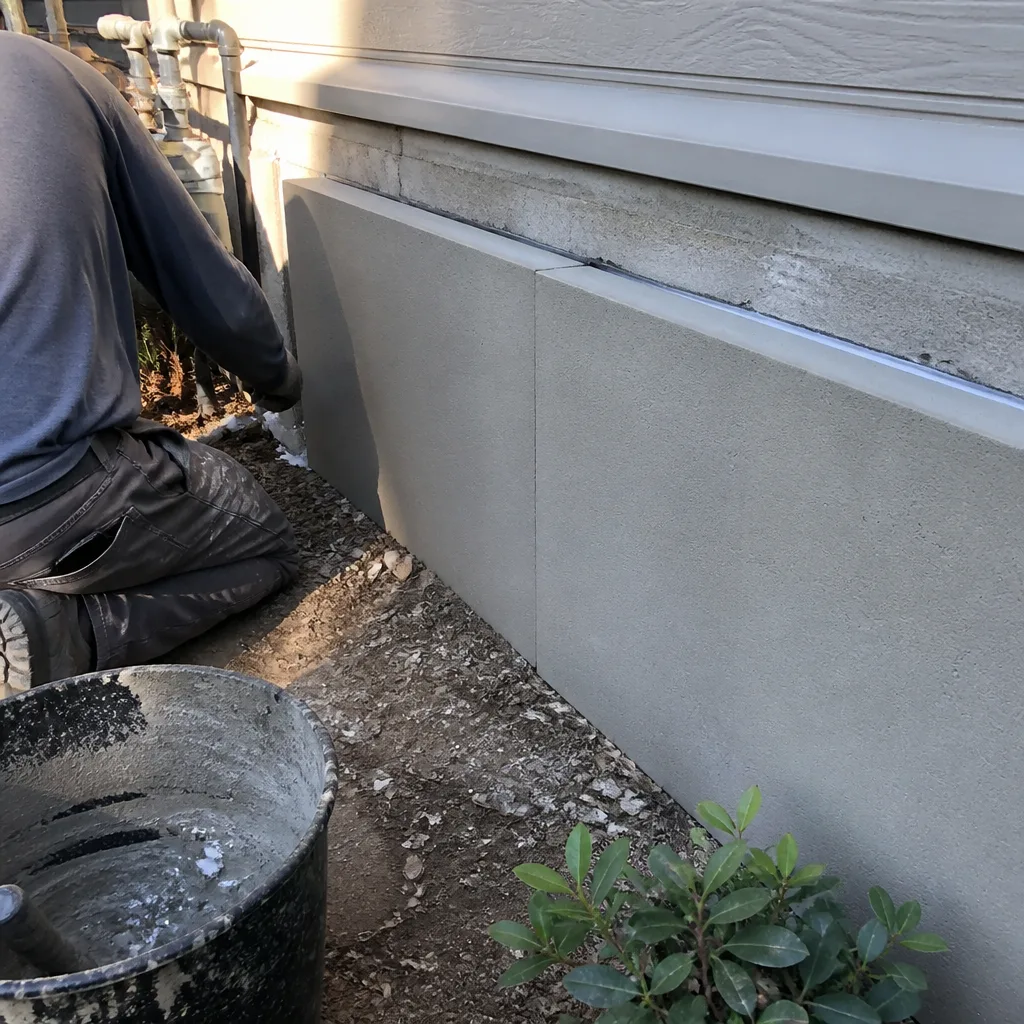 After
AfterReplacement Cost & What’s Included
| Scope | Typical Range in Leander | What Drives the Price |
|---|---|---|
| Comfortbatt R30 overlay (existing insulation stays) | $2.80-$3.40/sq ft | Attic floor area, access hatch size, whether we can stage material through a garage |
| Comfortbatt R38 full replacement with removal | $3.80-$4.80/sq ft | Volume of old material, disposal fees, joist cavity depth verification |
| Comfortboard hatch cover or kneewall upgrade | $340-$580 per assembly | Cutting complexity, whether existing framing needs extension |
| Air sealing package (top plates, can lights, penetrations) | $1.20-$1.80/sq ft | Number of recessed fixtures, chimney chase detail, duct boot condition |
These prices include Rockwool material sourced through authorized Texas distribution, labor, removal and disposal of existing insulation if applicable, and our Documented Photo Record delivered by email before the crew leaves. Every job gets a written price before any work starts - Haven Standard Clause 1 - and on air-sealing-inclusive jobs, we provide before-and-after blower-door numbers so you can verify the envelope performance change. The 365-Day Done Right Promise covers all completed work.
Most Leander attic jobs in the 1,800-2,400 square foot range total $3,200-$5,800 for a complete Rockwool replacement with air sealing. Homes in Crystal Falls or Bryson with complex rooflines and multiple dormers run toward the higher end. We do not upsell spray foam in attics where Rockwool is the appropriate solution; our material list includes Owens Corning, Johns Manville, Knauf, Rockwool, CertainTeed, Icynene, Demilec, and GreenFiber, and we specify based on the assembly, not inventory pressure.
DIY or Call Us?
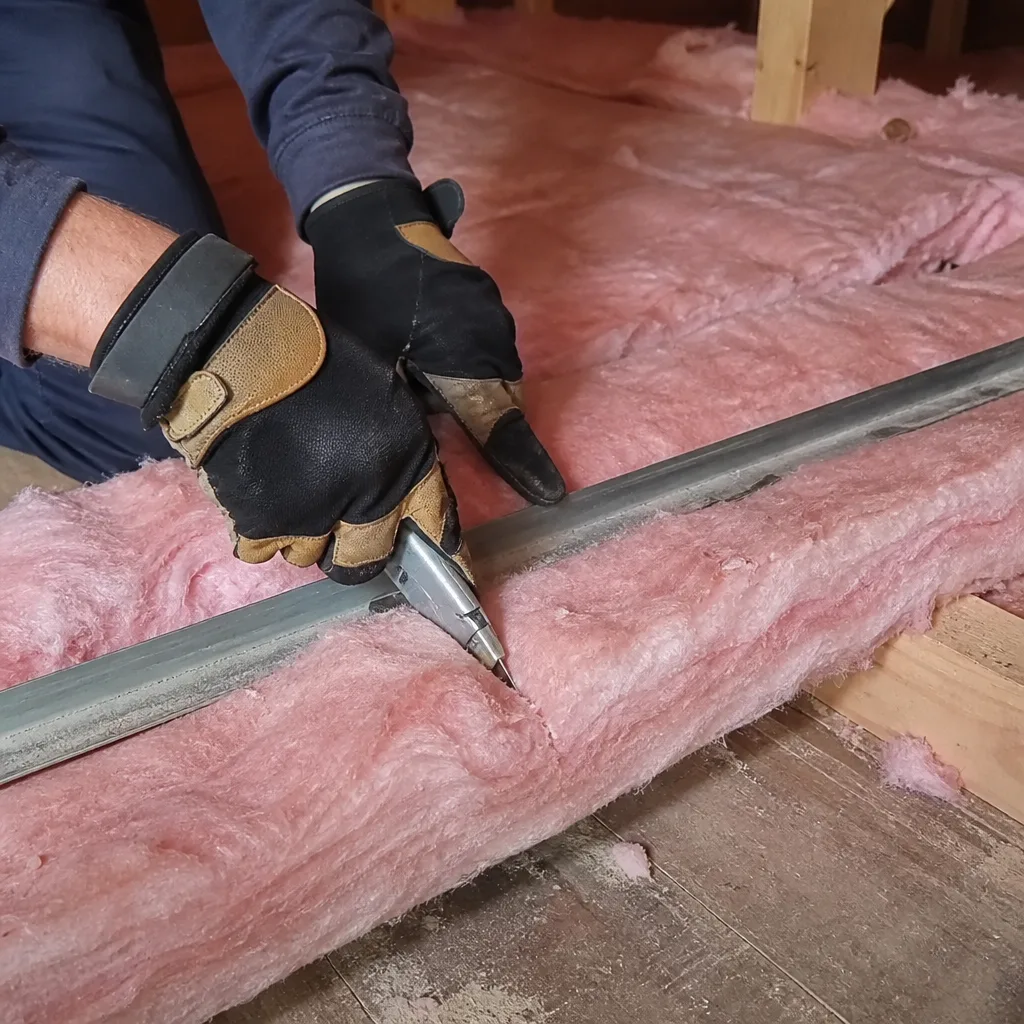
There is nothing in Rockwool installation that requires a license, but there is plenty that goes wrong when the sequence is wrong.
What you can safely check yourself: measure your existing batt thickness against the labeled R-value, inspect for moisture staining or rodent activity, and verify that your attic access hatch has weatherstripping and a latch that actually seals. These observations help any contractor quote accurately.
Where DIY fails: Rockwool’s mineral wool fibers require a properly fitted N95 minimum for handling; loose particles in attic dust are abrasive to lung tissue. More critically, most attic performance problems in Leander are air leakage problems disguised as insulation problems. Blowing new Rockwool over an unsealed attic floor is like putting a thick sweater over a screen door. The blower-door test - a pressurization reading that shows, in one number, how much air your building envelope is losing - is not equipment a homeowner owns. Without it, you cannot verify that your air sealing is complete before you bury the leaks under new material.
We have removed and reinstalled too many DIY Rockwool jobs where the homeowner compressed batts into 2×6 cavities, blocked soffit ventilation with stuffed insulation, or covered recessed can lights with combustible material. Seal the envelope first. Then fill it. Call (737) 252-7159 for a free estimate; we bring the blower door, the ruler card, and the written scope.
FAQs
Rockwool mineral wool does not settle, rot, or support mold growth, so the material itself is functionally permanent. The assembly performance degrades when air leaks develop, ventilation gets blocked, or rodents move in. In Leander’s heat and occasional hail-driven roof leaks, we see effective lifespans of 20-30 years for properly installed, air-sealed applications. Call (737) 252-7159 for an inspection if you’re unsure of your installation date.
Localized damage from a roof leak or rodent activity can be spot-repaired with matching Rockwool batts if the surrounding material is dry, uncompressed, and uncontaminated. Widespread compression, moisture staining, or air leakage beneath the layer requires removal and reinstallation with proper air sealing first. We do not top off over compromised existing material. Bring us a written estimate from another contractor; our Free Second Opinion reads it with you.
Most Leander homes in the 2,000-square-foot range take one full day for removal, air sealing, and new Rockwool installation. Complex attics with multiple dormers, HVAC equipment relocation, or extensive rodent remediation may extend to a second day. We provide a written timeline with the written price before anyone lifts a tool.
We stock Comfortbatt R30 and R38, Comfortboard 80 in 1″ and 2″ thicknesses, and AFB evo for fireblocking applications on every Leander-based truck. Less common R-values or large commercial quantities may require a 24-48 hour pull from Austin distribution. If your job is urgent, call (737) 252-7159 and we can confirm stock against your attic measurements.
Written by Wes Okafor, Owner, Topside Attic Insulation Leander at Topside Attic Insulation Leander, serving Leander and nearby areas.