
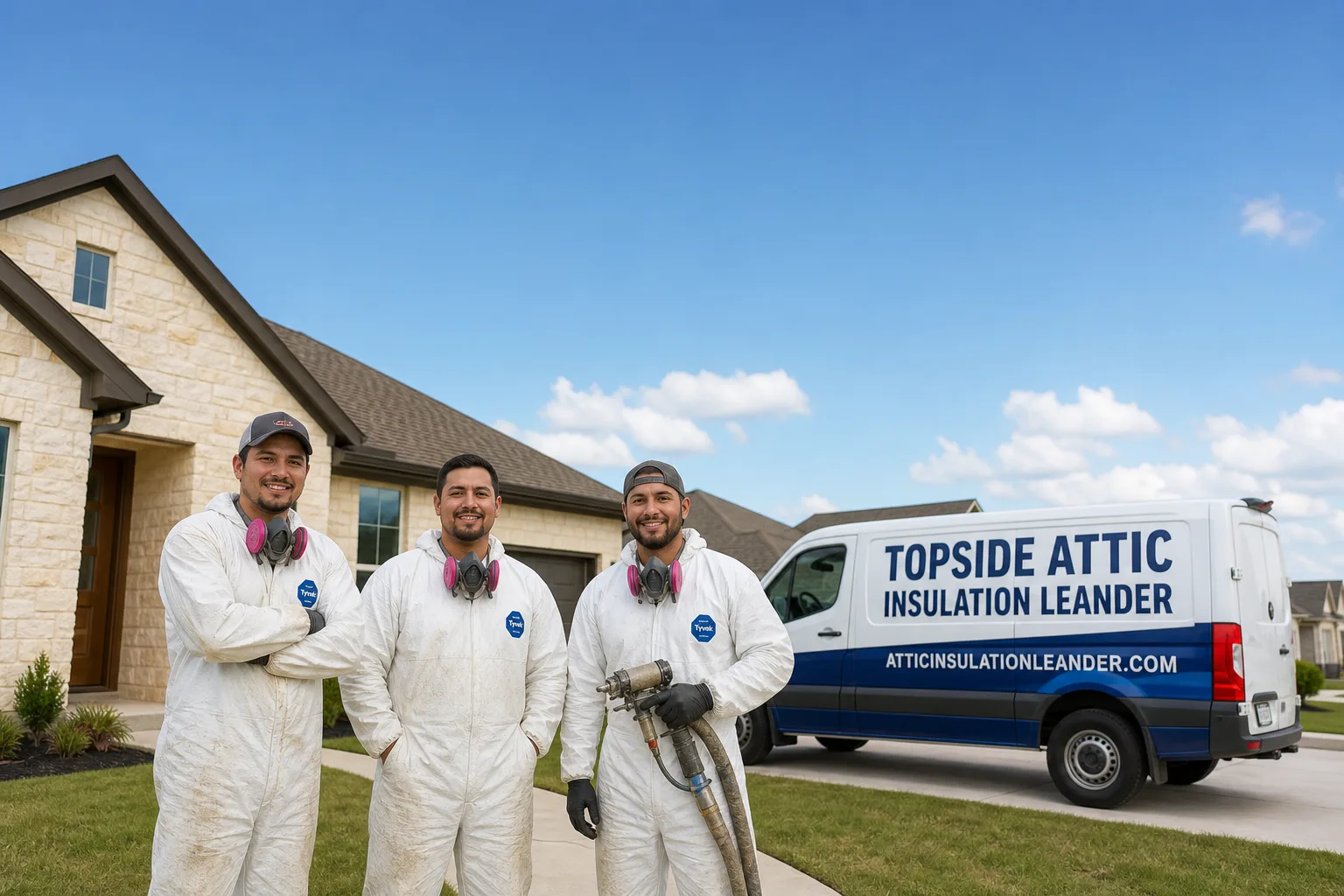
How Much Does a Home Energy Audit Cost in Leander?
A home energy audit in Leander, TX typically costs between $250 and $650 for a standard diagnostic visit that includes a blower-door test – a pressurization reading that shows, in one number, how much conditioned air your building envelope is losing. Most Leander homeowners with a single-story home between 1,500 and 2,500 square feet land closer to the $300-$400 range. Larger two-story homes in Leander’s newer subdivisions, or homes with crawl spaces, tend to run $450-$650 once the added floor area and complexity are factored in.
Home Energy Audit Cost Breakdown (2026)
Prices below reflect what Leander homeowners are actually paying in 2026 – not national averages pulled from a survey conducted in Phoenix or Seattle. Central Texas homes have distinct characteristics: attic temperatures that regularly exceed 150°F in July and August, clay-heavy Blackland Prairie soils that shift pier foundations and crack duct connections, and a building boom between 2005 and 2022 that produced a lot of tract housing with bypasses left open above top plates. Those conditions shape what a real diagnostic here costs.
| Audit Component | Typical Cost Range (Leander, 2026) | What You Get |
|---|---|---|
| Basic visual inspection only (no blower door) | $100 – $175 | Inspector walks the attic, crawl space, and mechanical area; notes visible gaps and insulation condition; no measured data |
| Standard diagnostic audit (blower-door test + visual) | $250 – $400 | Blower-door CFM50 reading before and after; thermal imaging walk; written report with prioritized recommendations |
| Full diagnostic audit (blower-door + duct leakage test + thermal imaging) | $375 – $550 | Everything above plus duct blaster test measuring duct leakage to outside; common in Leander homes with ducts run through unconditioned attic space |
| Large home or two-story with crawl space (over 3,000 sq ft) | $475 – $650 | Extended testing time, additional blower-door door panel configurations, full photo documentation of each zone |
| Pre-insulation diagnostic (air sealing verification) | $150 – $275 | Targeted blower-door test run specifically to confirm air sealing is complete before insulation is installed; applies when audit is bundled with a scope of work |
| Follow-up or post-work verification test | $125 – $200 | Second blower-door reading taken after air sealing or insulation work to document the performance change |
What Drives the Price Up
Square footage is the most direct factor: a 3,400-square-foot home in Crystal Falls or Travisso takes meaningfully longer to walk, pressurize, and document than a 1,600-square-foot home near Leander’s older Blockhouse Creek neighborhood. Duct testing adds time and a second piece of equipment. Homes with complex geometries – step-downs, bonus rooms over garages, multiple HVAC zones – require more blower-door configurations to get an accurate reading.
Thermal imaging is another cost variable. Some auditors include it in the base price; others charge separately because it requires a temperature differential of at least 10-15 degrees between inside and outside to produce a readable image. In Leander, that window exists most reliably in November through early March and again on cool mornings in April. Running thermal imaging in August when outdoor temperatures match indoor temperatures produces low-quality images, and a good auditor will tell you that rather than charge for useless data.
What Drives the Price Down
Bundling the audit with a contracted scope of work – attic air sealing, insulation replacement, or crawl space work – often brings the diagnostic cost down or folds it into the overall project price. Some contractors apply the audit fee as a credit toward the work. When you call (737) 252-7159, ask specifically whether the diagnostic cost is credited if you move forward with the recommended work; that question alone can save you $200-$300.
Utility incentives also reduce your net cost. Leander is served by Pedernales Electric Cooperative (PEC) and, depending on your street, by Oncor. Both have run rebate programs for qualifying energy audits and air-sealing work. Availability changes year to year and sometimes month to month, so confirm directly with your utility before assuming a rebate applies – but in years when PEC’s programs are active, homeowners have recovered $75-$150 of the audit cost through the utility portal.
What Affects Home Energy Audit Pricing in Leander
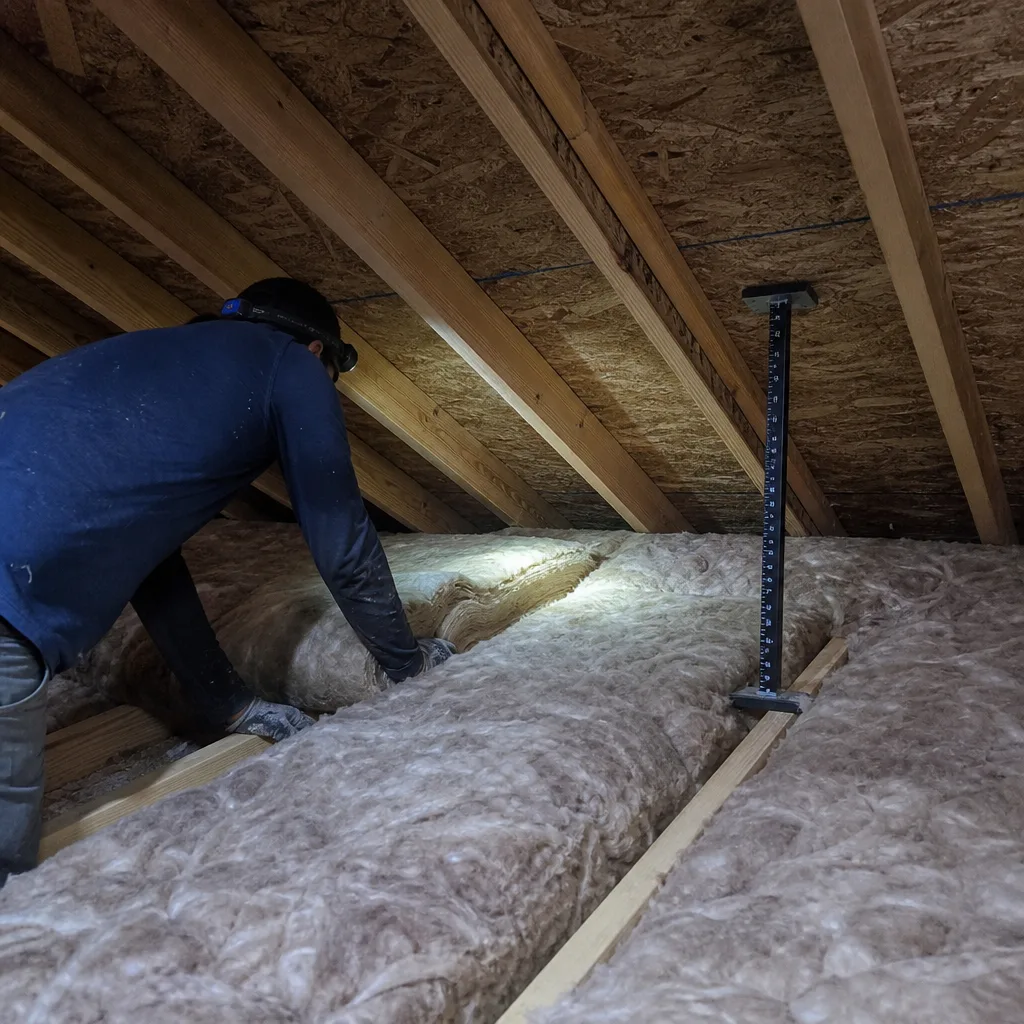
- Home size and layout: Blower-door testing takes longer in larger homes and homes with multiple stories. A 2,800-square-foot two-story in Leander’s Fairways at Crystal Falls adds roughly 45-60 minutes compared to a single-story 1,800-square-foot home. That time difference is reflected in the price.
- Duct location and condition: A significant share of Leander homes built between 2000 and 2018 have duct systems running through unconditioned attic space. Auditors who test those ducts properly – using a duct blaster – need additional setup time and equipment, which adds $75-$150 to the standard rate.
- Accessibility of the attic and crawl space: Shallow attic clearances, particularly in homes with hip roofs common in Lakeline Ranch and Summerlyn, slow an auditor down. Crawl spaces with standing moisture from the region’s clay soils require more careful navigation and documentation. Both conditions add time and can add $50-$100 to the invoice.
- Scope of the deliverable: A written report with CFM50 readings, thermal images, and a prioritized recommendation list takes more time to produce than a verbal walkthrough. If you’re planning to use the report to compare contractor bids or apply for a utility rebate, that written deliverable is worth paying for – and it’s worth confirming upfront that the auditor produces one.
- Time of year: Demand for energy audits in Leander spikes in late spring (April-May) as homeowners prepare for summer cooling bills, and again in October as the first electric bills reflecting summer consumption arrive. During peak demand, some independent auditors charge a scheduling premium or extend lead times. If your schedule is flexible, February and March often yield faster appointments at standard pricing.
- Whether air sealing is verified before or after work: If you’re hiring a contractor for attic air sealing and insulation, a pre-work blower-door baseline and a post-work verification test together give you documented before-and-after numbers. That two-test sequence costs more than a single diagnostic visit but produces the kind of evidence – actual CFM50 figures – that tells you whether the work you paid for actually reduced air leakage.
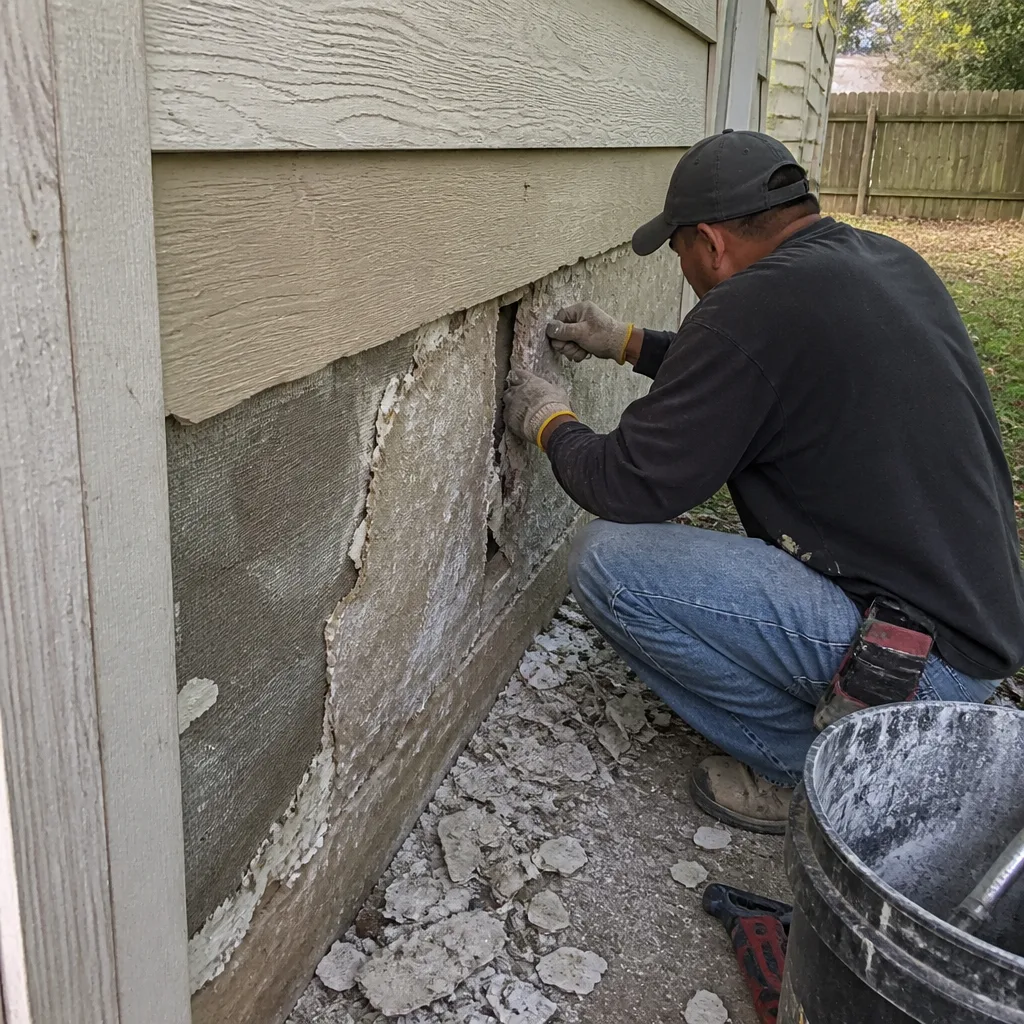 Before
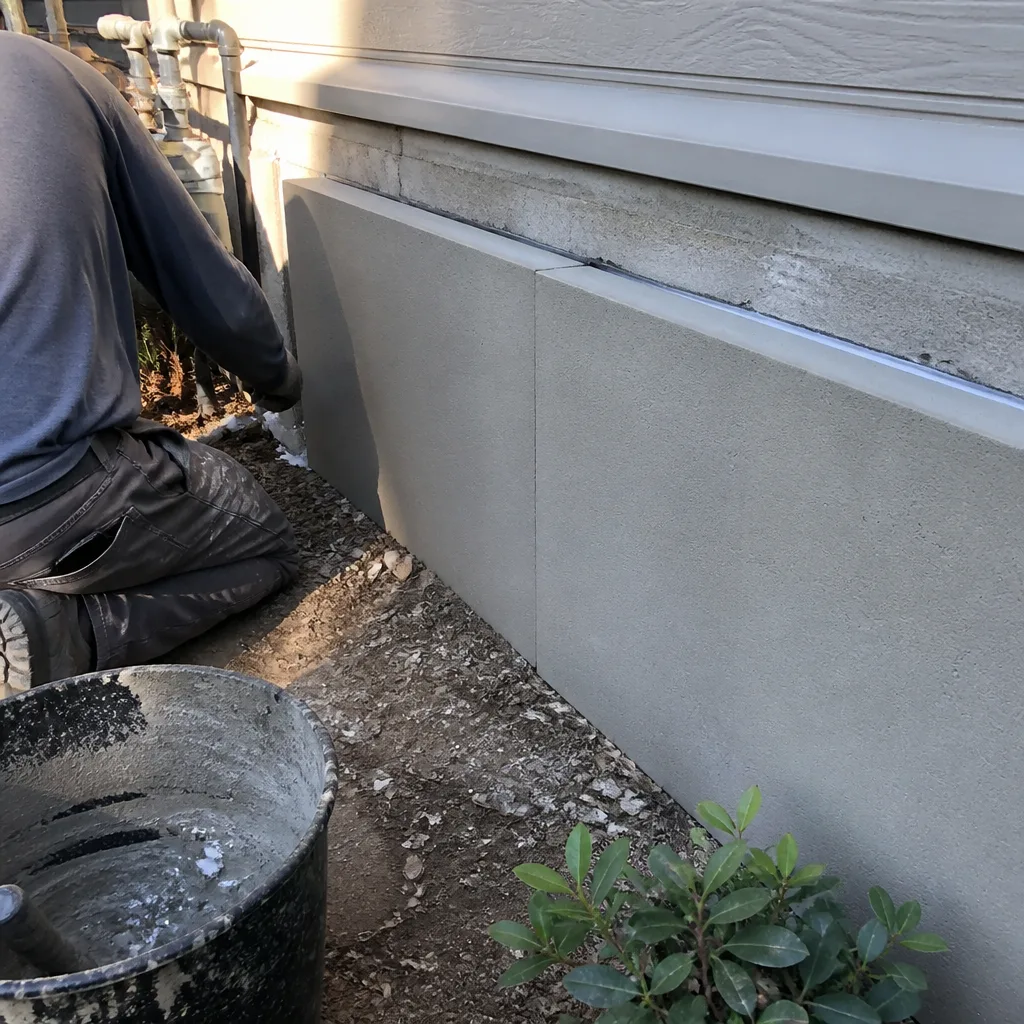 After
AfterWhat You Should Actually Receive at the End of an Audit
This part matters more than most homeowners expect, so it’s worth spelling out. A diagnostic visit that ends with the auditor saying “you’ve got some gaps up there and your insulation is thin” is not an energy audit. It’s an opinion. What you should walk away with:
- A written blower-door result expressed in CFM50 – the volume of air, in cubic feet per minute, flowing through your building envelope under 50 pascals of pressure. For context, a moderately leaky 2,000-square-foot Leander home might read 3,500-4,500 CFM50 before any air sealing. A well-sealed version of the same home reads closer to 1,200-1,800 CFM50.
- A written scope of findings – not a verbal list, a document – identifying the specific locations where air is leaking: top-plate bypasses at interior walls, can lights without covers, plumbing and electrical penetrations through the attic floor, attic hatch gaps.
- Thermal images, if thermal imaging was part of the service, showing where temperature differentials indicate missing insulation or active air movement.
- A prioritized recommendation list with estimated costs for each item so you can make an informed decision about sequencing.
- If the audit was bundled with or followed by insulation work: a post-work CFM50 reading that documents the actual change. The before-and-after numbers are the only objective evidence that the work reduced air leakage. Everything else is a narrative.
At Envelope Insulation Co., operating as Topside Attic Insulation Leander under The Haven Standard since 2016, every applicable job produces before-and-after blower-door numbers and a Documented Photo Record. Those aren’t available on request – they’re included by default, because Wes Okafor’s position has always been that if you can’t show a number, you can’t verify a result.
How to Save on a Home Energy Audit in Leander
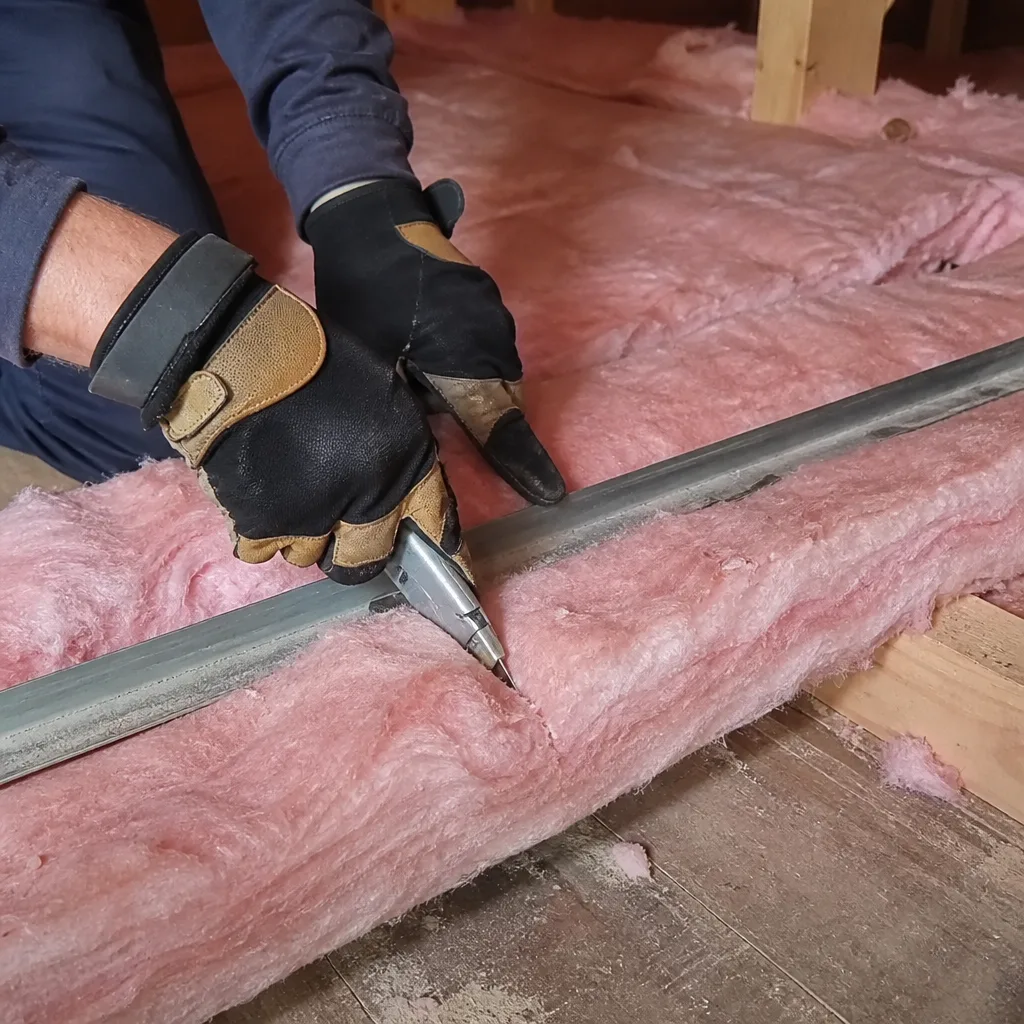
Bundle the Audit with the Work
If your goal is to reduce cooling costs – and for most Leander homeowners, that is the goal – a standalone audit followed by a separate contractor search adds cost and time. Many Leander insulation contractors, including Topside Attic Insulation Leander, will apply the diagnostic cost toward a contracted project or include the blower-door testing within the overall project price. Ask specifically: “Is the audit fee credited if I move forward with the recommended work?” A clear yes or no is a reasonable answer to expect before you schedule.
Ask for a Free Second Opinion on Any Written Estimate
Under Haven Standard practice, Envelope Insulation Co. offers a free second opinion on any written estimate you’ve received. That means if you’ve already paid for an audit elsewhere and received a recommendation for $4,800 in attic insulation and air sealing, you can bring that written estimate and we will read it with you – line by line. No charge. That process has saved Leander homeowners money when they find out a recommendation was over-scoped, and it has also given homeowners confidence to move forward when a competing bid turns out to be legitimately priced.
Check Utility Rebate Availability Before You Schedule
PEC and Oncor both run rebate programs that offset the cost of qualifying audits and efficiency improvements. Rebate structures change, and they’re not always advertised prominently. Before you pay full price for an audit, spend five minutes on your utility’s website or call their efficiency program line. If a rebate is available, you’ll typically need to use a qualifying auditor and submit documentation – another reason the written report and blower-door numbers matter.
Schedule During Off-Peak Months
April, May, and October are the busiest months for energy audits in Leander. If your situation isn’t urgent, scheduling in January, February, or early March often means faster availability and sometimes pricing at the lower end of the range because auditors aren’t working through a backlog. The thermal imaging window is also better during those months – temperature differentials are larger and the images are more useful.
Don’t Skip the Blower-Door Test to Save $75
This comes up enough to mention directly. Some homeowners ask whether they can skip the blower-door test to keep the audit cost down. The test typically adds $75-$125 to a visual inspection price. Skipping it means you have an opinion about where the leaks are, not a measurement. When work is done later – air sealing, new insulation – you have no baseline to compare against. You can’t verify whether the work changed anything. The $75-$125 for the test is the most cost-effective part of the whole visit.
To schedule a free estimate or ask about bundling diagnostic testing with a project scope, call (737) 252-7159. A live person answers – no voicemail loop, no callback window measured in business days.
The Leander-Specific Context: Why Audits Here Find What They Find
Leander sits on the eastern edge of the Hill Country transition zone, where the soil shifts from Blackland Prairie clay to caliche and limestone. That soil movement is one reason pier-and-beam foundations in older Leander neighborhoods – particularly around Hero Way and the blocks east of 183 – shift enough to crack duct connections at the trunk line. Blower-door testing flags whole-home leakage, but duct blaster testing finds the specific leakage that’s pulling unconditioned attic air directly into your duct system. In a house with badly leaking ducts in a 150°F attic, that’s not a minor comfort issue – it’s a direct energy cost measured in dollars per month.
The second Leander-specific pattern is attic construction from the mid-2000s building wave. Builders were moving fast, and top-plate air sealing was rarely done. In Crystal Falls, Travisso, and Summerlyn homes built between 2004 and 2012, we regularly find open bypasses at interior wall top plates, unsealed can lights, and bath fan housings that connect directly to the attic. The blower-door finds them all in a single pressurization. Thermal imaging, run in the right temperature window, shows you exactly where they are.
That’s the value of a diagnostic done by someone who knows what to look for in Leander specifically – not just what an audit checklist says to look for in any house anywhere.
Audit vs. Going Straight to Insulation: Which Makes More Sense?
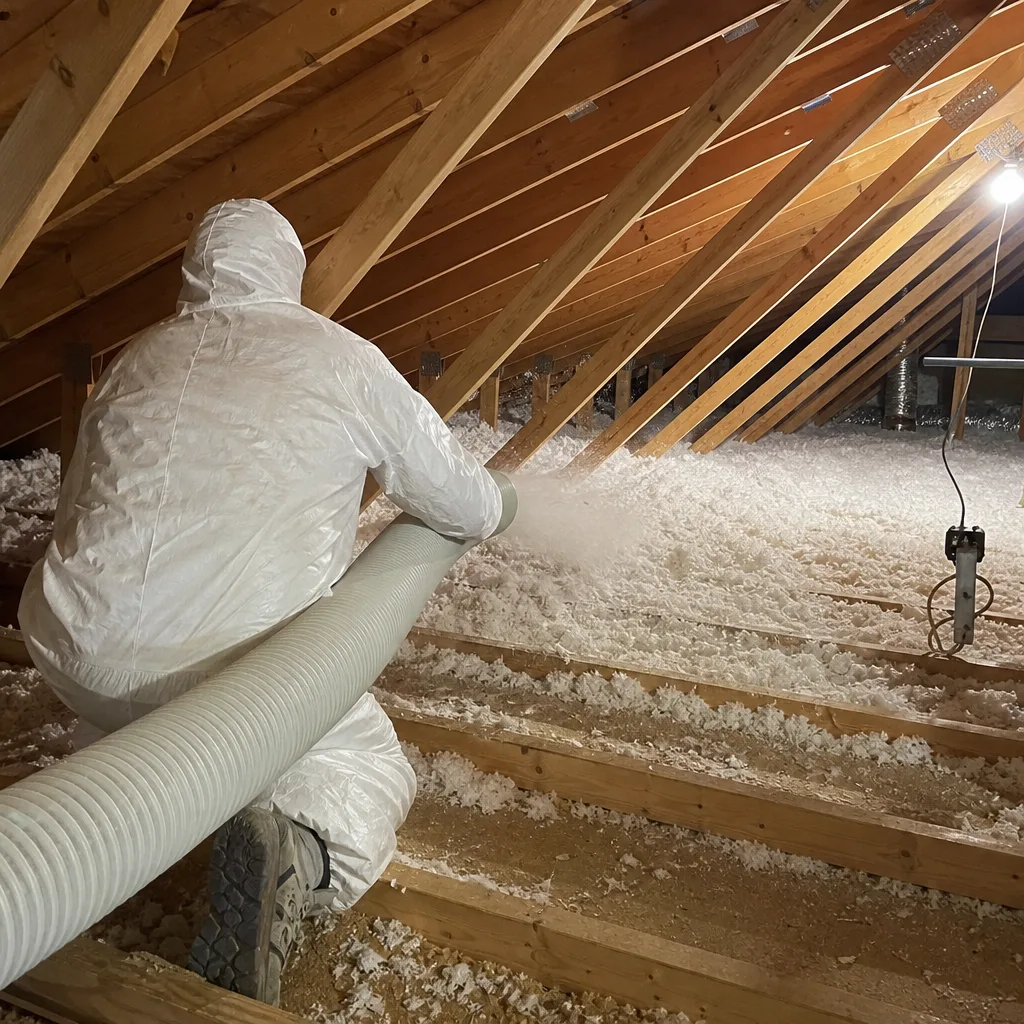
This is a question Leander homeowners ask often, and it has a direct answer.
If your attic has visibly degraded or missing insulation and you have no reason to suspect significant air leakage issues – for instance, a newer home built after 2018 in a subdivision with reasonable quality control – going straight to insulation with a contractor who requires pre-work air sealing is reasonable. You’ll still want blower-door numbers before and after the sealing step so you have documented evidence the sealing actually worked.
If your home is more than 10 years old, if you’ve noticed significant room-to-room temperature variation, if your utility bills have been climbing without an obvious cause, or if you’ve had any duct or HVAC work done in the last few years, a diagnostic audit before committing to a scope of work is the smarter sequence. The $300-$400 audit cost is cheap compared to finding out after $5,000 in attic insulation that the duct system was leaking 30% of your conditioned air into an unconditioned attic.
One position worth stating plainly: Envelope Insulation Co. will not blow insulation over an unsealed attic floor. Air sealing of top plates, can lights, and penetrations is completed before any insulation is added, every time. That’s not a selling point – it’s the correct order of operations. Insulation over active air bypasses traps the air leakage behind new material and makes it harder to find and fix later. If you’ve received an insulation bid that doesn’t mention air sealing as a first step, that’s a useful question to ask before signing anything.
For a full picture of what an audit includes and how it connects to the insulation work that follows, the Home Energy Audit in Leander page walks through the diagnostic process in detail.
FAQs – Home Energy Audit Cost in Leander
How much does a home energy audit cost in Leander, TX?
A standard home energy audit in Leander costs between $250 and $550 for most homes. A basic blower-door test plus visual inspection on a 1,500-2,200 square foot single-story home typically runs $300-$400. Adding a duct leakage test brings the range to $375-$550. Large homes over 3,000 square feet, or homes with crawl spaces, may run $475-$650. Call (737) 252-7159 for a free estimate specific to your home’s size and configuration – the price on the page is the price you pay, written before anyone shows up.
Is a home energy audit worth it in Leander?
For most Leander homes built before 2018, yes – the audit cost is recovered quickly. A home reading 4,000 CFM50 on a blower-door test and corrected to 1,800 CFM50 after air sealing typically sees a measurable reduction in cooling costs. Central Texas cooling seasons run roughly five months, and Leander’s summer electric bills reflect that. A $350 audit that identifies $1,800 in targeted air-sealing work – rather than a $6,000 insulation job that leaves the bypasses open – pays for itself in the first summer. The blower-door number before and after the work is the objective evidence that it worked.
What does a home energy audit include?
A proper energy audit in Leander includes a blower-door test (depressurizing the home to measure total air leakage in CFM50), a walk of the attic, crawl space, and mechanical areas, thermal imaging where the temperature differential is sufficient, and a written report with specific findings and prioritized recommendations. Some audits also include a duct blaster test, which measures how much conditioned air is escaping through duct leaks into unconditioned space. A verbal summary at the end is not a deliverable – ask for the written report and blower-door readings before you commit to any auditor.
Can I get a cheaper energy audit in Leander?
Visual-only inspections start around $100-$175, but they produce no measured data – just observations. You can’t verify a contractor’s later work against a baseline you don’t have, and you can’t qualify for most utility rebates without blower-door documentation. The cheapest option that still gives you usable data is a standard blower-door test plus visual inspection in the $250-$400 range. Bundling the audit with a contracted project often reduces or eliminates the separate diagnostic charge. Call (737) 252-7159 to ask how the diagnostic cost applies if you move forward with the recommended work.
How long does a home energy audit take in Leander?
A standard audit on a 1,500-2,500 square foot Leander home takes 2 to 3 hours on-site. Larger homes, homes with crawl spaces, or audits that include duct blaster testing run 3 to 4 hours. The written report is typically delivered within 24-48 hours of the visit. Plan for the auditor to need access to the attic hatch, the HVAC air handler, the crawl space access panel if applicable, and all exterior doors – they’ll be sealed temporarily during the blower-door pressurization.
Does Topside Attic Insulation Leander offer energy audits?
Yes. Envelope Insulation Co., operating as Topside Attic Insulation Leander, has provided diagnostic testing and air sealing in Leander since 2016 – across more than 9,000 homes in the region. Every applicable job includes before-and-after blower-door numbers and a Documented Photo Record. Wes Okafor’s approach has been consistent since the beginning: written price before any work starts, measured results when it’s done. To schedule a free estimate or ask about combining a diagnostic with a project scope, call (737) 252-7159.
Key Takeaways
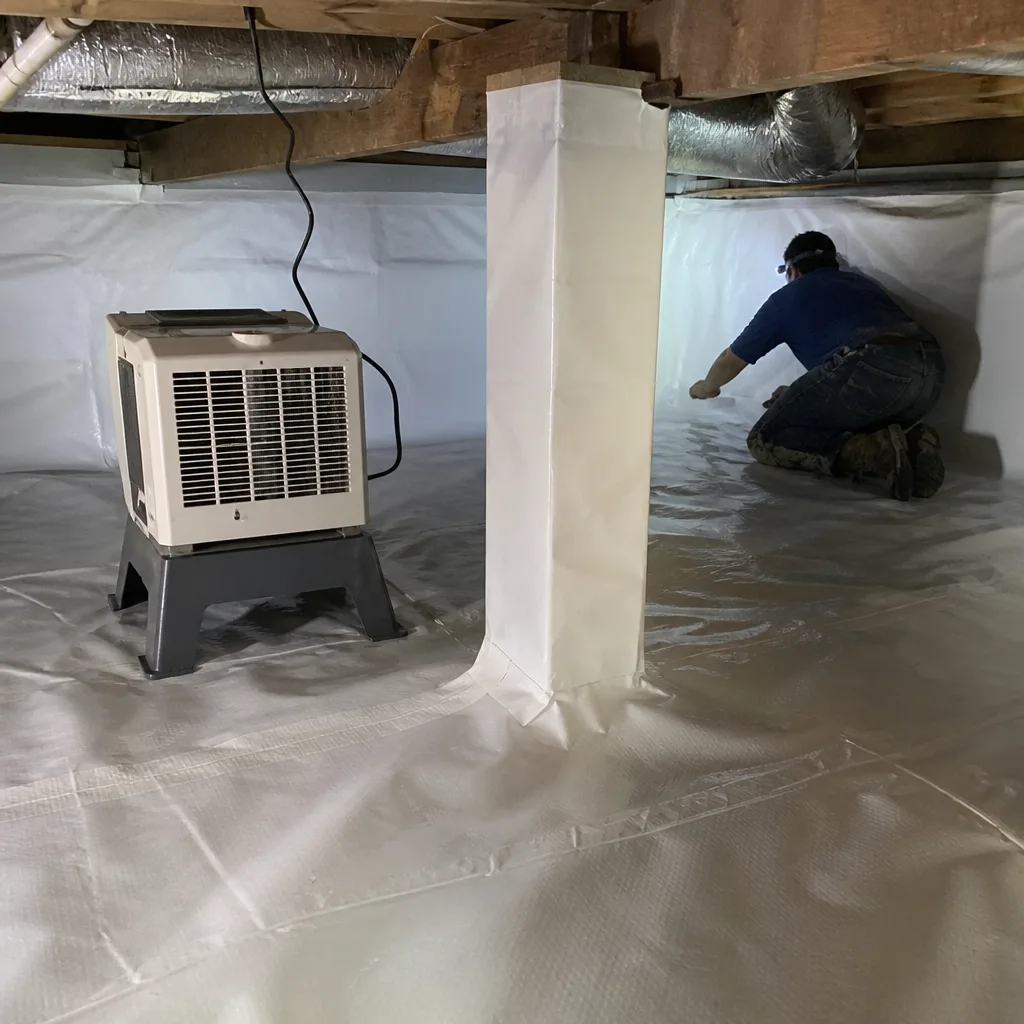
- Most Leander homeowners pay $250-$550 for a standard energy audit with a blower-door test and written report.
- Large homes, duct testing, and crawl space access push the price toward $475-$650.
- The blower-door CFM50 number is the only objective measure of air leakage – audits without one produce opinions, not data.
- Leander homes from 2004-2012 in Crystal Falls, Travisso, and Summerlyn regularly show open top-plate bypasses and unsealed can lights – a blower-door test finds all of them in one visit.
- Bundling the audit with contracted work often reduces the net audit cost; ask whether the diagnostic fee is credited toward the project.
- PEC and Oncor rebate programs can offset $75-$150 of the audit cost when active – verify with your utility before scheduling.
- Under The Haven Standard, a written price is delivered before anyone starts and a documented record is provided when the work is done.
To get a written estimate for a home energy audit or an air sealing and insulation project in Leander, call (737) 252-7159. A live person answers. Wes Okafor’s team serves Leander and the surrounding communities with the same written-price, documented-results process on every visit – no exceptions. You can also learn more about what the full diagnostic process covers on the home page.
Pricing reflects the Leander market as of 2026. Topside Attic Insulation Leander offers free estimates – call (737) 252-7159.
Written by Wes Okafor, Owner at Envelope Insulation Co. (Topside Attic Insulation Leander), serving Leander, TX since 2016.
What Our Customers Say
"Fixed price, clean work, and they hauled the old material away as agreed."
- Todd M."They photographed rodent damage in the old insulation that we had no idea about, and priced the exclusion work separately so we could decide."
- Harriet N."Two other companies quoted to blow more insulation on top of what was there. These were the only ones who said the existing material had to come out first, and explained why."
- Clifford E.