
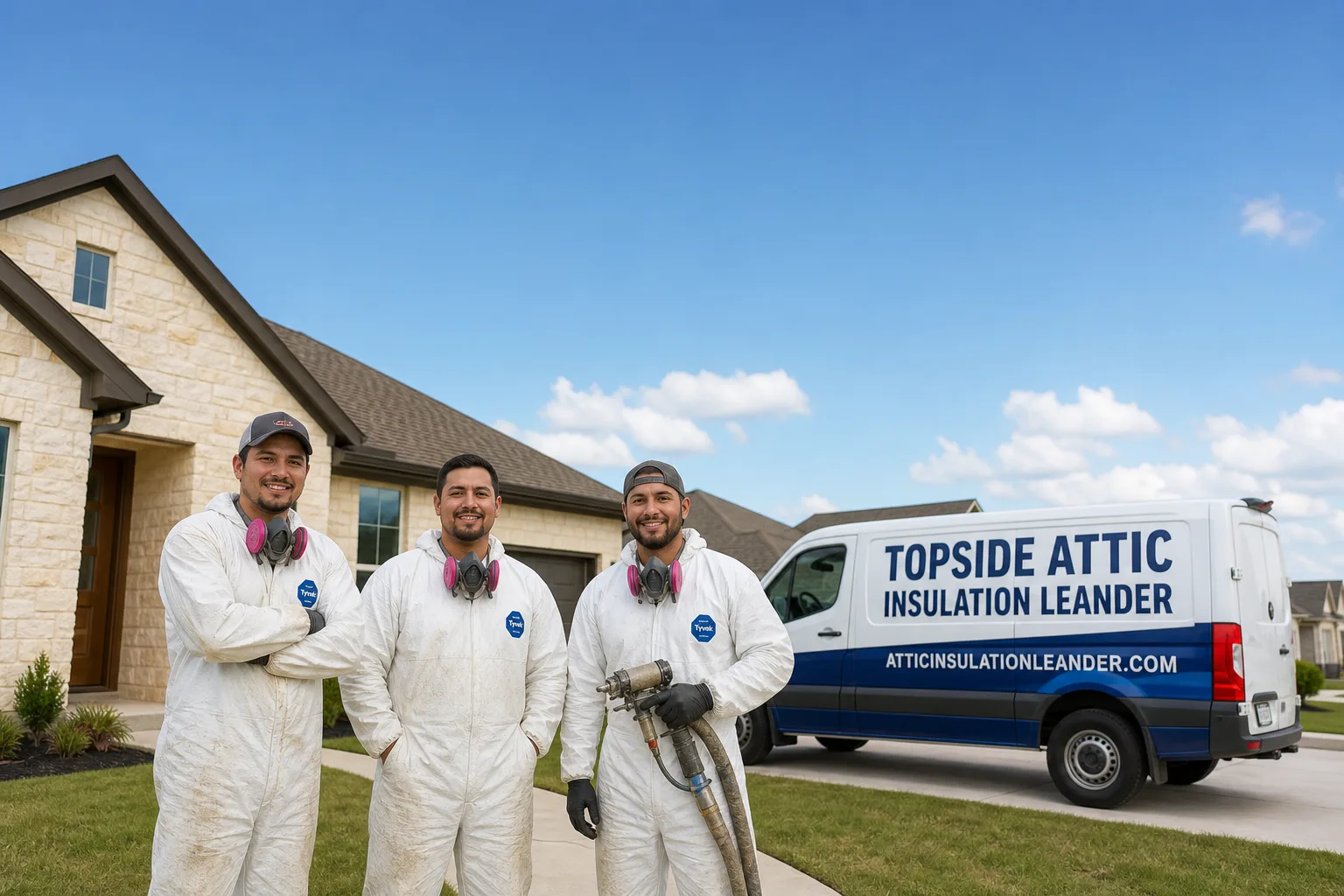
How Much Does Spray Foam Insulation Cost in Leander?
Our Spray Foam Insulation services in Leander, TX typically run between $1.50 and $4.50 per square foot, depending on foam type, application area, and existing air-sealing conditions. Most whole-attic spray foam jobs in a 1,800-2,400 sq ft Leander home land between $3,200 and $7,800 installed. Open-cell foam sits at the lower end of that range; closed-cell foam costs more per board foot but does a different job – and in Central Texas, that difference matters.
Spray Foam Insulation Cost Breakdown (2026)
Spray foam insulation in Leander costs $1.50-$4.50 per square foot installed, depending on foam type, thickness, and where it’s going. Here’s how those numbers break down across the most common applications:
| Application | Foam Type | Typical Cost Range | Notes |
|---|---|---|---|
| Attic roof deck (unvented) | Closed-cell | $3.50-$4.50 / sq ft | 2-3″ thickness; creates conditioned attic space |
| Attic roof deck (unvented) | Open-cell | $1.75-$2.75 / sq ft | 5-7″ required to hit R-21; vapor permeable |
| Attic floor air sealing + spray foam | Open-cell (2-lb lift) | $1.50-$2.25 / sq ft | Paired with blown-in; seals top plates first |
| Crawl space walls/rim joist | Closed-cell | $3.25-$4.25 / sq ft | Moisture control is primary driver here |
| Exterior wall cavities (new construction) | Open-cell | $1.50-$2.50 / sq ft | Before drywall; common in Leander new builds |
| Exterior wall cavities (retrofit) | Closed-cell (injection foam) | $3.00-$5.00 / sq ft | Injected through small holes; no demo required |
| Garage ceiling or bonus room floor | Closed-cell | $3.50-$4.50 / sq ft | Common in Leander homes with HVAC over garage |
| Whole attic (1,800-2,400 sq ft home) | Open-cell (unvented deck) | $3,200-$5,500 | Full job, installed |
| Whole attic (1,800-2,400 sq ft home) | Closed-cell (unvented deck) | $5,200-$7,800 | Full job, installed |
| Partial attic air-seal + open-cell combo | Mixed | $1,800-$3,500 | Air sealing first, then open-cell lift over floor |
A few things move these numbers in Leander’s specific market. Homes built in Crystal Falls, Travisso, and Bryson typically have 8:12 or steeper roof pitches, which adds staging time and labor. Homes in Mason Hills and the older sections near East Leander on SH-195 tend to have vented attics with decades of compressed blown-in insulation that needs to come out before spray foam goes in – removal adds $800-$1,500 depending on volume. And because Leander’s summer attic temperatures regularly exceed 140°F, contractors here use higher-yield foam formulations that perform correctly at those temperatures, which factors into material cost slightly more than you’d see quoted in, say, Austin’s Mueller neighborhood.
One number to understand before comparing quotes: foam is sold by the board foot (1 square foot, 1 inch thick), not by the square foot of floor area. A quote written in board feet gives you an apples-to-apples comparison; a quote written only in square feet tells you nothing about thickness. Under Haven Standard Clause 1, every estimate from Spray Foam Insulation in Leander includes written scope with specified R-value, foam type, and target thickness – before any work starts.
What Affects Spray Foam Insulation Pricing in Leander
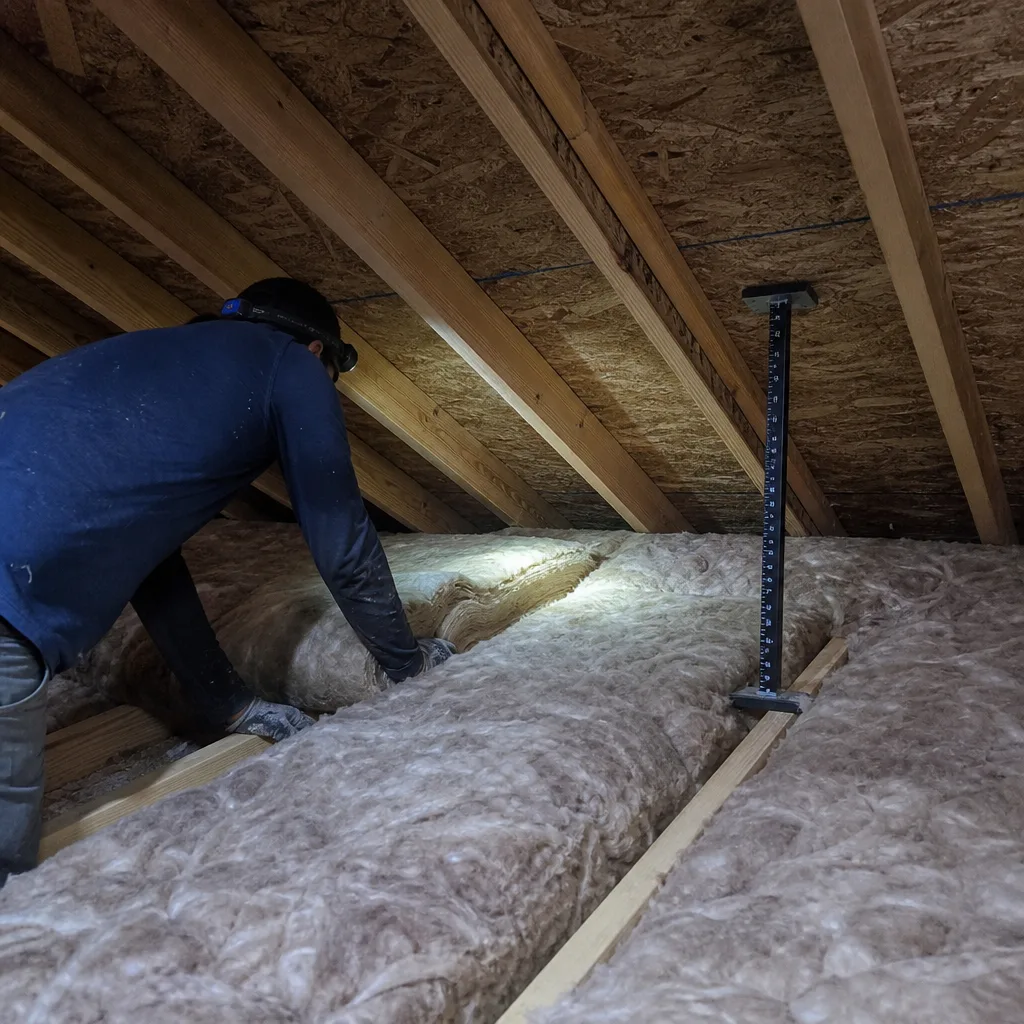
- Foam type: open-cell vs. closed-cell. Open-cell foam (roughly 0.5 lb/cubic ft density) expands to fill cavities and runs $0.44-$0.65 per board foot in material cost. Closed-cell foam (2 lb/cubic ft) achieves a higher R-value per inch (R-6 to R-7 vs. R-3.5 to R-4), resists moisture, and adds structural rigidity – but it costs $1.00-$1.50 per board foot in materials. For Leander attics where you’re conditioning the roof deck, either can work; for rim joists, crawl spaces, or any location with bulk-water risk, closed-cell is almost always the right call.
- Attic configuration and access. Leander’s housing stock skews toward 2,000-3,500 sq ft homes built between 2000 and 2022, many with multi-gable rooflines and hip-to-gable transitions that create dead triangles, knee walls, and blocked bays. These hard-to-reach areas add labor time. A simple gable-roof ranch in Leander’s older neighborhoods near Hero Way takes noticeably less labor than a two-story home in Travisso with a vaulted great room and an HVAC closet tucked under the ridge.
- Existing insulation removal. If blown-in fiberglass or cellulose is already in the attic floor, it typically has to come out before spray foam is applied to the deck – you don’t want to trap the old material behind a sealed assembly. In Leander, removal of a full attic floor runs $800-$1,500 for a typical 1,800-2,400 sq ft footprint, depending on depth and access. That cost should appear as a separate line item on any written estimate.
- Air sealing as a prerequisite. At Envelope Insulation Co., air sealing of top plates, can lights, and penetrations is completed before insulation is added – not as an upsell, but as a hard prerequisite. This is documented in the written scope. A blower-door test – a pressurization measurement that shows, in one number, how much conditioned air the home is losing before and after the work – is included on applicable jobs. If you’re getting a quote elsewhere that doesn’t mention air sealing at all, ask specifically what’s being done to the top plate penetrations before the foam goes in. Many Leander homes built before 2010 have recessed can lights that are open into the attic – those are a direct connection between your conditioned living space and a 140°F attic, and spray foam alone won’t fix them unless they’re addressed first.
- Leander’s climate zone (Zone 2/3 boundary) and required R-values. Williamson County sits at the edge of IECC Climate Zones 2 and 3, and the 2021 IRC (which Texas has adopted locally in many jurisdictions) calls for R-38 to R-60 in attic assemblies. When spray foam is applied to the roof deck as an unvented assembly, the combined R-value calculation changes – you need to hit the right numbers at the roof deck to satisfy code and avoid condensation at the deck sheathing. Getting this wrong isn’t a comfort issue, it’s a moisture and structural issue. This is why thickness specification belongs in your written scope.
- Market and material conditions in 2026. Foam chemical pricing has stabilized after the volatility of 2021-2023, but supply-chain constraints for MDI (methylene diphenyl diisocyanate – one of the two core components in polyurethane foam) still create periodic regional price swings. In the Leander and greater Georgetown corridor, installed spray foam pricing has held relatively steady since mid-2024, though labor costs reflect the sustained construction activity around the 183A/Ronald Reagan Blvd growth corridor. Materials from Icynene and Demilec – two of the suppliers we source from – are priced without proprietary lock-in, which keeps estimates honest.
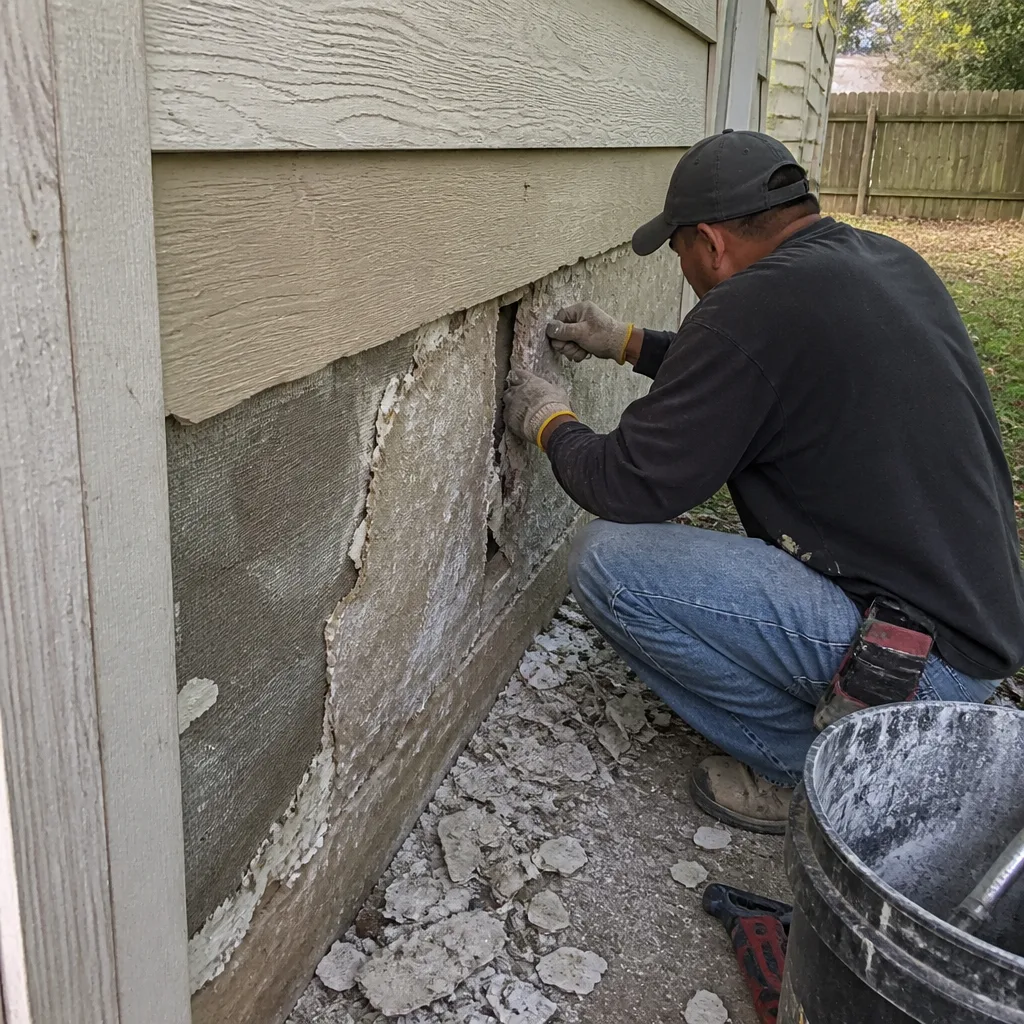 Before
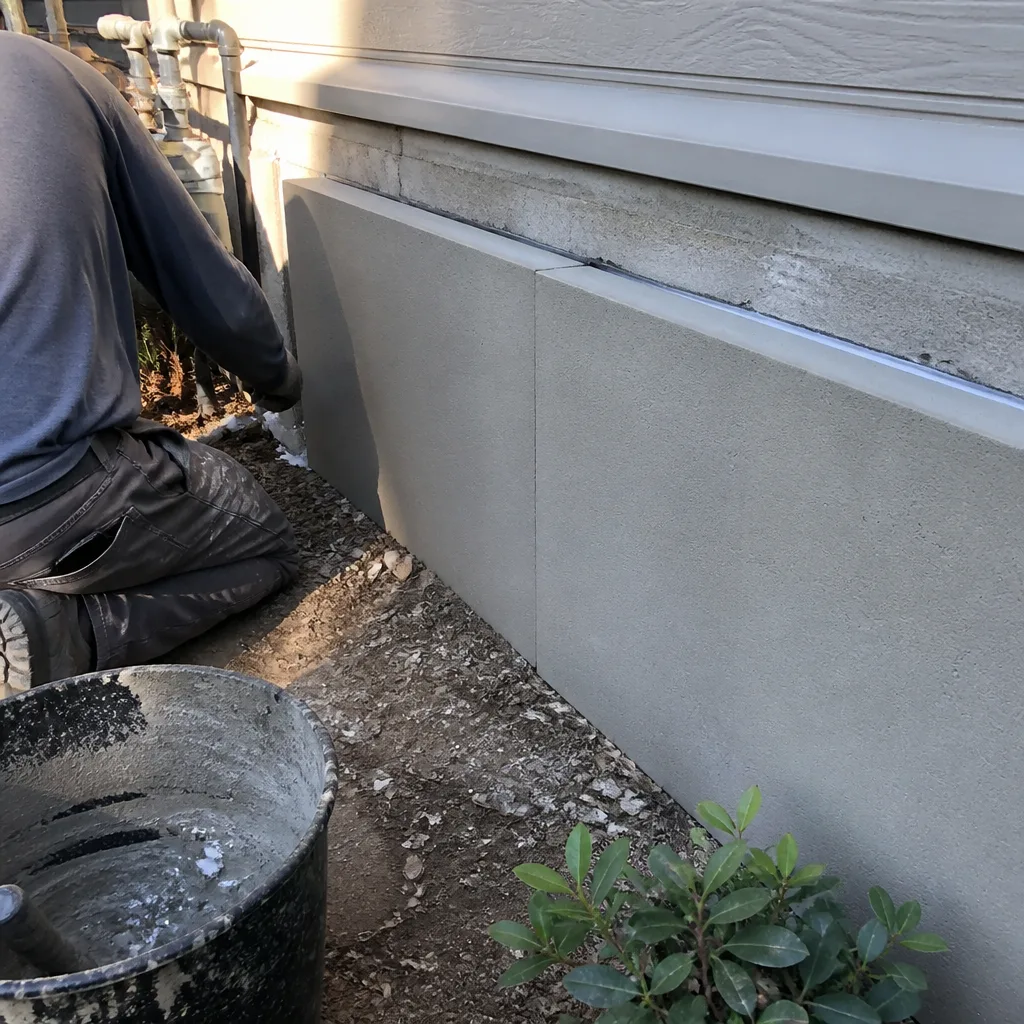 After
AfterOpen-Cell vs. Closed-Cell Spray Foam: Which Is Right for Your Leander Home?
This question comes up on nearly every estimate we write in Leander, and the honest answer is that it depends on the assembly, not just the budget.
Open-Cell foam is usually the right call when:
- You’re spraying the underside of roof sheathing in an unvented attic assembly and your HVAC is in the attic space.
- Your attic floor joists or framing need to breathe slightly – open-cell is vapor-permeable, which matters in certain assemblies.
- Budget is a real constraint and the moisture environment doesn’t require a vapor barrier in the foam itself.
- You’re doing wall cavities in new construction before drywall goes up.
Closed-cell foam is usually the right call when:
- You need maximum R-value per inch and space is limited (rim joists, shallow rafter bays).
- Moisture is a risk: crawl spaces, homes in Leander near the South Fork San Gabriel River lowlands, or any application where bulk water has been a problem.
- You need the foam to add structural rigidity to the assembly.
- The application requires a Class II vapor retarder within the assembly.
In Crystal Falls and Travisso – neighborhoods with higher-end finishes and HVAC systems often installed in attic spaces – closed-cell on the roof deck is the most common specification we see. In Bryson and the newer sections near Leander’s 2243 corridor, open-cell on the deck or a hybrid open-cell/fiberglass system is common because those attics are designed with the HVAC unit in mind from the start.
How to Save on Spray Foam Insulation in Leander
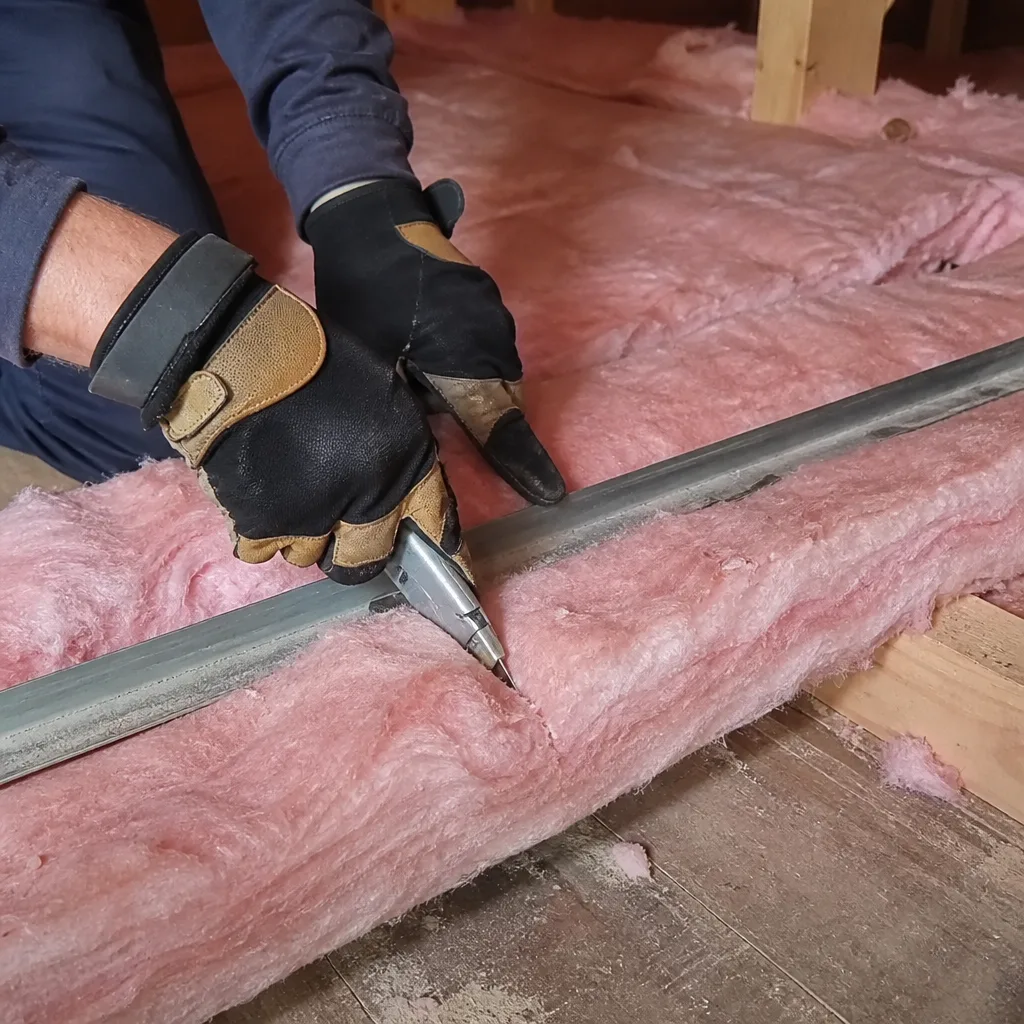
Spray foam is not the cheapest insulation option per square foot, but it’s frequently the highest-performing one in Central Texas’s climate. That said, there are real ways to get more value from the same spend.
Get a scope, not just a price.
The single most useful thing you can do before spending a dollar is read a written scope that specifies foam type, target thickness, R-value, and what happens to existing insulation. A low quote that doesn’t address existing blown-in removal, or that doesn’t mention air sealing, is typically a low quote that will generate an expensive change order. Under Haven Standard Clause 1, the written price and scope are delivered before any work starts – and the quote doesn’t change unless the physical conditions in the attic change what was described in the scope.
Use the free second opinion.
We’ll read any written estimate with you – not to tear it apart, but to make sure you understand what it does and doesn’t include. Bring us a competing quote; we’ll tell you if the specifications are comparable. Call (737) 252-7159 to set that up. There’s no charge for that conversation.
Consider a hybrid system if a full closed-cell job is over budget.
In many Leander attics, a 1-inch closed-cell lift on the roof deck (to handle the moisture control and vapor barrier function) followed by open-cell foam to full depth is a legitimate performance option that can run 15-25% less than all-closed-cell while still achieving the unvented assembly you’re looking for. This isn’t a compromise; it’s a code-compliant hybrid that major building scientists have documented thoroughly. It should be in the written scope with the R-value for each layer.
Check for utility rebates.
Leander is served by Pedernales Electric Cooperative (PEC) for a significant portion of its coverage area, and by Oncor in others. PEC has historically offered rebates for insulation upgrades meeting specific R-value thresholds. In 2026, check PEC’s rebate portal directly – the program terms change, and we won’t quote a rebate amount we can’t verify for your specific account. A documented photo record and written scope make filing rebate documentation straightforward.
Schedule outside peak season.
In the Leander market, demand for attic insulation work spikes in May-June (before summer) and again in October (before winter). Scheduling in February-March or November typically allows for better scheduling flexibility. We don’t manufacture scarcity or run seasonal promotions, but contractor availability does affect scheduling lead times, and that’s worth knowing.
Don’t pay for insulation before the air leaks are sealed.
Adding spray foam over an unsealed attic floor – with open top plates, unsealed can light penetrations, and HVAC boots sitting on unsealed openings – leaves the biggest efficiency losses intact. Every dollar spent on insulation above an unsealed air barrier is doing partial work. Air sealing first, then insulating is the sequence that produces the before-and-after blower-door numbers worth paying for. We won’t skip that step.
Spray Foam in Leander Compared to Other Insulation Types
Spray foam isn’t always the right answer for every application. Here’s how it stacks up against the alternatives most Leander homeowners ask about:
- Blown-in fiberglass or cellulose (attic floor): $0.70-$1.20 per sq ft installed. Lower cost, good R-value when installed thick enough, but does nothing for air sealing on its own. In Leander homes with existing vented attics where the HVAC is in conditioned space below, blown-in over a properly air-sealed attic floor is a practical, cost-effective option. We install both.
- Batt insulation (walls, floors): $0.50-$1.00 per sq ft. Easiest to install in new construction, but batts don’t seal air leaks – they fill cavities. In a retrofit wall application, injection foam almost always outperforms batt.
- Rigid foam board: $0.90-$2.50 per sq ft. Used in specific applications (under roof decks, continuous exterior insulation), but not a replacement for spray foam in irregular cavities.
- Spray foam (open-cell): $1.50-$2.75 per sq ft installed. Best air-sealing performance of any material, fills irregular cavities completely, good R-value with enough thickness.
- Spray foam (closed-cell): $3.25-$4.50 per sq ft installed. Highest R-value per inch, vapor control, moisture resistance – the right tool for specific conditions, not every application.
The home energy performance work we do across Leander almost always combines types: air sealing and spray foam at the critical junctions (top plates, penetrations, rim joists), blown-in at the attic floor to hit R-value targets, and sometimes rigid board in specific locations. The written scope tells you exactly what goes where and why.
What the Job Process Actually Looks Like
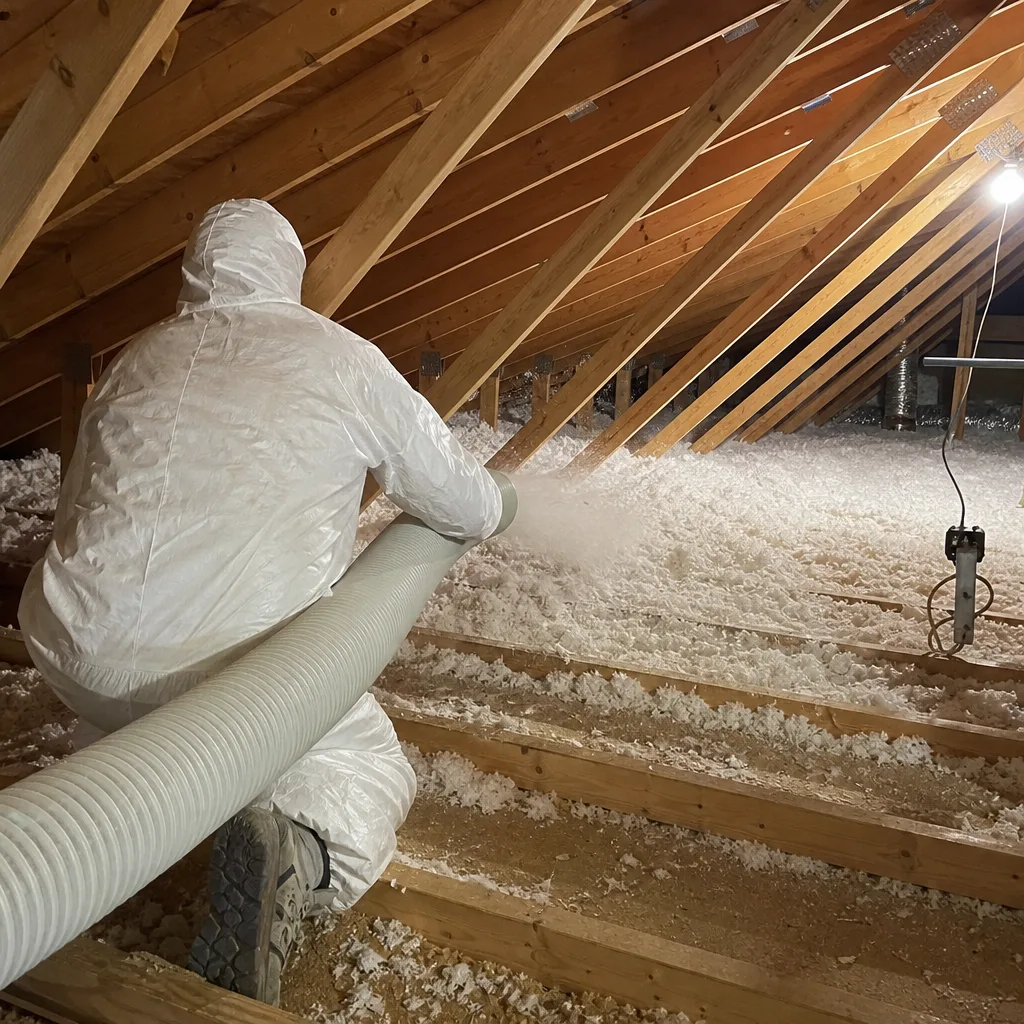
For a Leander homeowner who’s never had spray foam installed, here’s what to expect:
Before the job starts:
You receive a flat, written price and a written scope specifying foam type, thickness, R-value targets, and what happens to any existing insulation. No work starts until that document exists and you’ve agreed to it. This is Haven Standard Clause 1, and it applies without exception.
Day of installation:
Spray foam requires a clear attic space – HVAC equipment is typically masked off to protect it. The two-component foam (an isocyanate and a polyol resin) is mixed at the spray gun tip and expands within seconds of application. Closed-cell foam cures firm within a minute; open-cell cures to a soft, spongy texture. The attic will be off-limits during application and for a period after (typically 1-2 hours minimum for off-gassing, longer for full cure depending on the specific product used). A uniformed, background-checked technician will walk you through the ventilation requirements for your specific product before the job starts.
A safety note: spray foam application involves chemicals that require proper respiratory protection and protective equipment. This is not a DIY material. The two-component reaction generates heat, and improper mixing ratios can result in under-cured foam that off-gasses for extended periods. Every Leander job we do uses trained applicators following manufacturer protocols – if someone quotes you spray foam at an unusually low price and shows up with a small consumer-grade kit, ask specifically about their applicator training and the product’s tested R-value per inch.
After the job:
You receive a documented photo record showing the completed work. On applicable jobs, a before-and-after blower-door test – a pressurization reading that shows, in one number, how much air the building envelope was losing before and after – gives you a verifiable result, not just an invoice. The 365-Day Done Right Promise applies: if it’s not done right, we make it right, and that’s in writing before anyone starts.
FAQs – Spray Foam Insulation Cost in Leander
How much does spray foam insulation cost in Leander, TX in 2026?
Spray foam insulation in Leander runs $1.50-$4.50 per square foot installed, with most whole-attic jobs on 1,800-2,400 sq ft homes landing between $3,200 and $7,800. Open-cell foam is at the lower end; closed-cell is at the higher end. The largest variables are foam type, application thickness, attic configuration, and whether existing insulation needs to be removed first. Call (737) 252-7159 for a written estimate specific to your home’s configuration – it won’t cost you anything and won’t change once it’s written unless the physical conditions change.
Is open-cell or closed-cell spray foam better for Leander attics?
For most Leander attics where the goal is creating an unvented conditioned space, open-cell foam applied to the underside of the roof deck is the most common and cost-effective specification – typically $1.75-$2.75 per sq ft vs. $3.50-$4.50 for closed-cell at comparable thickness. Closed-cell becomes the right call when moisture control is a priority, when space is limited (shallow rafter bays), or when the application involves a crawl space or rim joist. In Crystal Falls and Travisso, where higher-end finishes and tighter HVAC configurations are common, closed-cell on the deck is more frequently specified. A written scope should explain which type is being used and why.
How long does spray foam insulation last in a Leander home?
Properly installed spray foam – both open-cell and closed-cell – has a service life measured in decades, typically 20-30+ years, without significant degradation in R-value. The limiting factor in Leander is usually not the foam itself but what’s around it: if the roof deck develops a leak, or if pest infiltration creates pathways through the foam, those need to be addressed. The documented photo record we leave after every job gives you a baseline of what the installation looked like at completion, which is useful if a future inspection or repair requires knowing where the foam is and how thick it was applied.
Does spray foam insulation qualify for a tax credit or utility rebate in Leander?
As of 2026, spray foam insulation that meets the required R-value thresholds qualifies for the federal Energy Efficient Home Improvement Credit (25C) – currently 30% of installed costs up to $1,200 per year for insulation materials. This is a materials credit, not a labor credit, and the specific qualifying requirements should be confirmed with a tax advisor. For utility rebates, Leander homes served by Pedernales Electric Cooperative should check PEC’s current rebate program directly, as program terms and available funding change year to year. We don’t quote rebate amounts we can’t verify, but we do provide the written documentation you’ll need to file.
Can spray foam insulation be added over existing insulation in my Leander attic?
It depends on the application. If you’re spray-foaming the roof deck (unvented assembly), existing insulation on the attic floor typically needs to come out first – you don’t want to trap old material behind a sealed deck assembly, and doing so can create moisture problems in the framing. Removal of existing blown-in insulation in a typical Leander attic runs $800-$1,500 and should appear as a separate line item in the written scope. If you’re adding spray foam as part of an attic floor air-sealing approach (sealing top plate penetrations, can lights, and other bypasses before re-insulating the floor), existing insulation can sometimes be left in place depending on condition. This distinction matters for the final price and performance outcome, and it should be spelled out in writing before any work starts.
How do I know if the spray foam job was done correctly?
Two things tell you this clearly: a before-and-after blower-door test and a documented photo record. A blower-door test – a pressurization measurement that produces a single CFM50 number showing how much air the envelope is losing – gives you a before and after figure so you can see the actual change rather than taking someone’s word for it. On applicable jobs, we publish those numbers. The photo record documents the installed thickness and coverage. If a contractor can’t or won’t provide either, you’re relying on their word alone. Under the 365-Day Done Right Promise, if the work doesn’t meet the written scope, we make it right – and that promise is in writing before anyone starts.
Why the Sequence Matters: Air Sealing Before Spray Foam
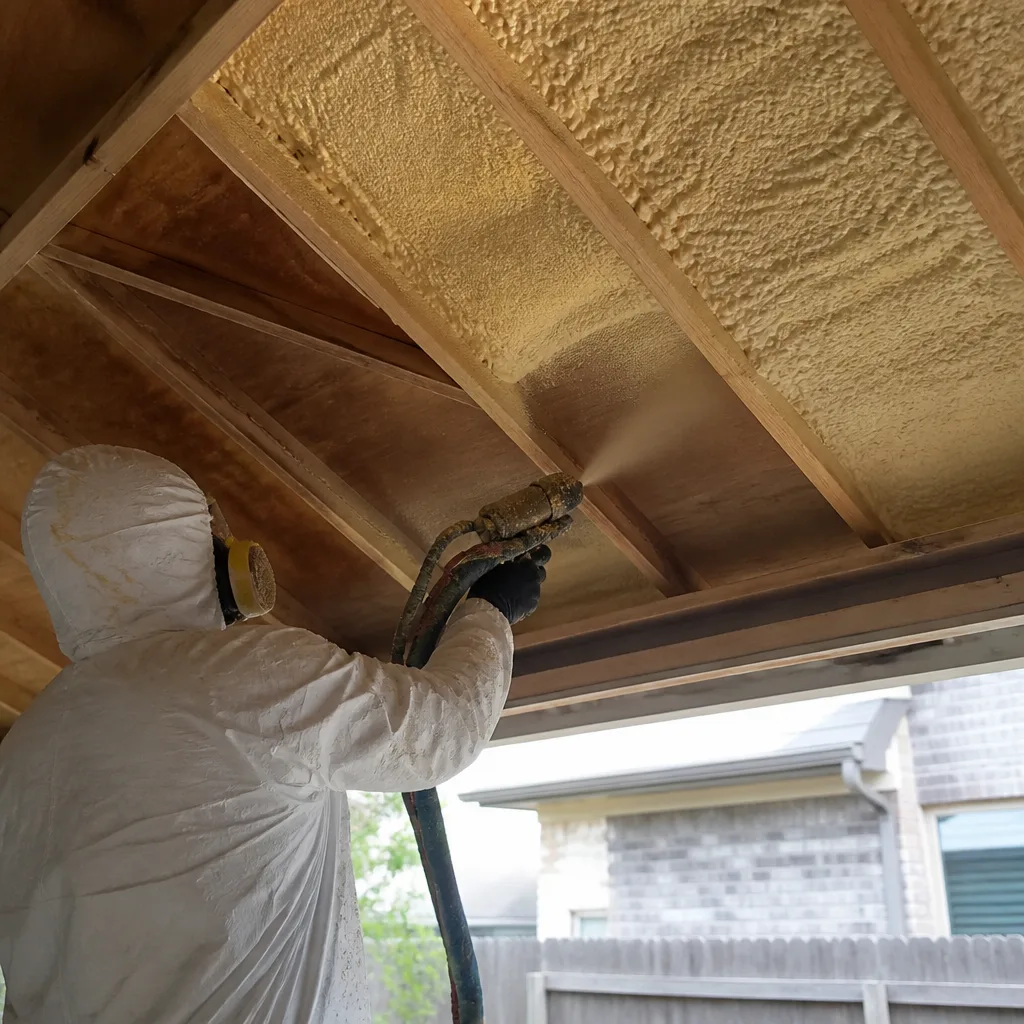
A detail that separates a high-performance installation from an average one in Leander: the air sealing step that happens before the spray foam goes in.
In a typical Leander home built between 2000 and 2015, the attic floor has dozens of penetrations – top plates where interior walls meet the ceiling, recessed can lights that open directly into the attic, plumbing and electrical chases, and HVAC duct boots sitting on unsealed openings. These aren’t small gaps. In many homes we’ve documented in Leander and the surrounding Williamson County area, the total equivalent leakage area from attic penetrations alone equals a window-sized hole left open 24 hours a day.
Spray foam applied to the roof deck or attic floor without addressing those penetrations first leaves the biggest air-movement pathways intact. The R-value improves; the air sealing performance doesn’t. That’s why we treat air sealing as a hard prerequisite – not an upsell – and it’s documented in every written scope. The blower-door number before and after tells you whether that step actually worked.
For homeowners comparing quotes in Leander’s current market: if an estimate doesn’t mention top plate sealing, can light air sealing, or penetration sealing as part of the scope, ask specifically what happens to those bypasses. The answer tells you a lot about what you’re actually buying.
Key Takeaways
- Spray foam insulation in Leander, TX costs $1.50-$4.50 per sq ft installed, with open-cell at the lower end and closed-cell at the higher end.
- Whole-attic spray foam jobs on typical Leander homes (1,800-2,400 sq ft) run $3,200-$7,800 depending on foam type and attic configuration.
- Removal of existing insulation adds $800-$1,500 and should be a separate line item in any written scope.
- Open-cell foam is the common specification for Leander unvented attic decks; closed-cell is right for moisture-critical applications (crawl spaces, rim joists, shallow rafter bays).
- Air sealing of top plates, can lights, and penetrations should happen before any foam is installed – not as an add-on, but as a prerequisite. Ask any contractor you’re considering what specifically they’re doing to those penetrations.
- The federal 25C energy tax credit (30%, up to $1,200/year for materials) may apply to qualifying spray foam installations – confirm current terms with a tax advisor.
- A written price, written scope, and documented photo record should be standard deliverables on every spray foam job in Leander. Before-and-after blower-door numbers on applicable jobs let you verify the result.
Get a Written Price for Spray Foam Insulation in Leander
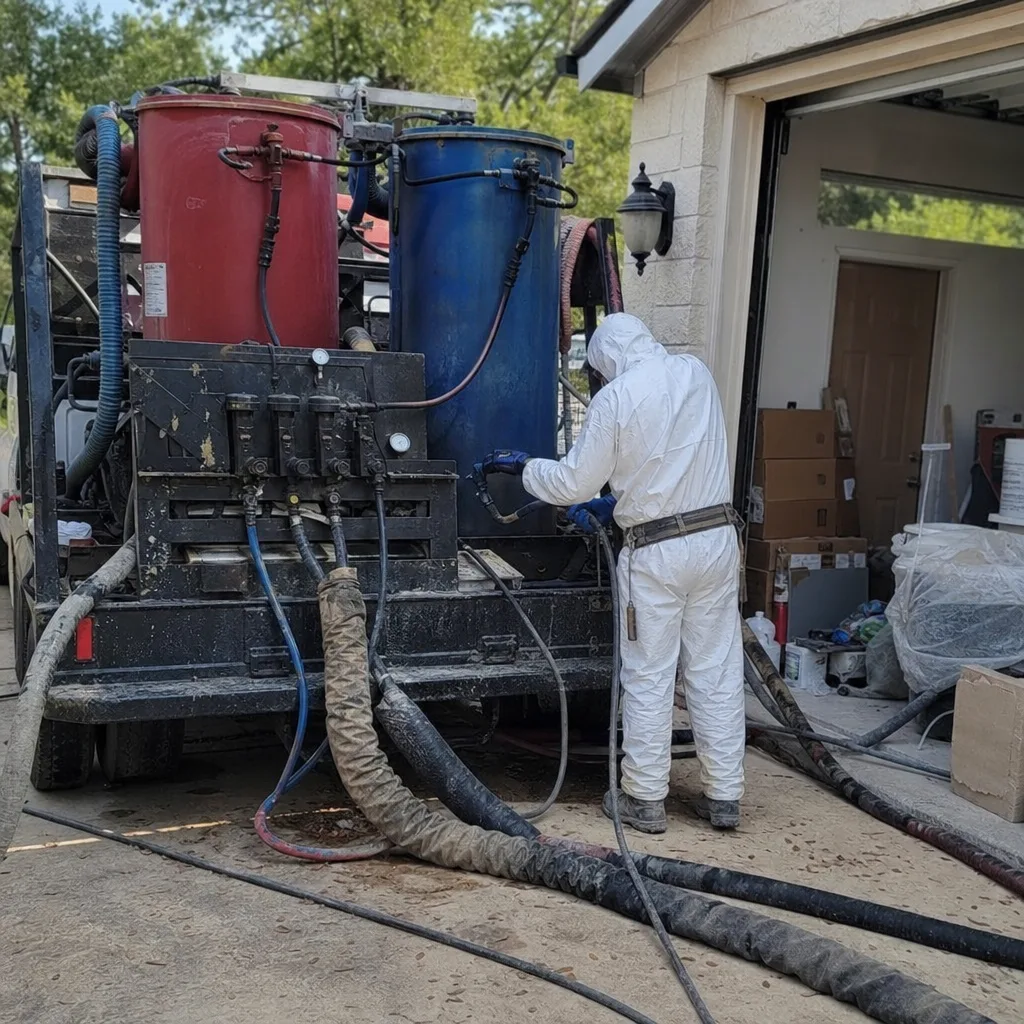
Wes Okafor and the crew at Envelope Insulation Co. write a flat, written price before any work starts – that’s not a feature, it’s the foundation of how we operate under The Haven Standard. If you have a written estimate from another contractor, bring it. We’ll read it with you at no charge and tell you exactly what it does and doesn’t include. On every spray foam job in Leander, you’ll receive a documented photo record of the completed work and, on applicable jobs, before-and-after blower-door readings so you can see the performance change in a single number.
For a free estimate on spray foam insulation for your Leander home, call (737) 252-7159. A live person will answer – no voicemail loops, no callback windows.
Written by Wes Okafor, Owner at Envelope Insulation Co. (operating as Topside Attic Insulation Leander), serving Leander, TX since 2016. Pricing reflects the Leander market as of 2026. Topside Attic Insulation Leander offers free estimates – call (737) 252-7159.
What Our Customers Say
"They photographed rodent damage in the old insulation that we had no idea about, and priced the exclusion work separately so we could decide."
- Harriet N."Two other companies quoted to blow more insulation on top of what was there. These were the only ones who said the existing material had to come out first, and explained why."
- Clifford E."The winter gas bill dropped by about a third. They had estimated a quarter, so they under-promised."
- Genevieve R.