
How Much Does Wall Insulation Cost in Leander?
Our Wall Insulation services in Leander, TX typically cost between $1,800 and $5,200 for a standard single-story home, depending on wall area, insulation type, and whether the walls are open (new construction or gut renovation) or closed (existing drywall intact). Most Leander homeowners with a 1,800-2,400 square-foot home land somewhere in the $2,200-$3,800 range when using blown-in dense-pack or injection foam in existing walls. Under the Haven Standard, you get a written price before any work starts – no surprises when the crew shows up.
Wall Insulation Cost Breakdown (2026)
The table below reflects actual project pricing in the Leander market as of 2026. Prices account for Central Texas labor rates, material availability, and the wall configurations we see most often in Leander neighborhoods like Crystal Falls, Travisso, Benbrook Ranch, and Bryson.
| Insulation Type / Method | Typical Cost Range | Best For |
|---|---|---|
| Blown-in dense-pack (cellulose or fiberglass) – existing walls | $1.80-$3.10 per sq ft of wall area | Closed walls, retrofit projects, most Leander homes built before 2015 |
| Injection foam (RetroFoam or equivalent) – existing walls | $2.50-$4.20 per sq ft of wall area | Closed walls where air sealing is as important as R-value |
| Open-cell spray foam – open walls (new construction or renovation) | $1.40-$2.20 per sq ft of wall area | Open stud bays, additions, gut renovations |
| Closed-cell spray foam – open walls | $2.80-$4.80 per sq ft of wall area | High-humidity zones, garages, storm-prone wall sections |
| Batt insulation (Owens Corning, Johns Manville, Knauf) – open walls | $0.60-$1.20 per sq ft of wall area | Open stud bays, budget-conscious new builds |
| Rigid foam board (exterior sheathing layer) | $1.20-$2.60 per sq ft installed | Gut renovations where exterior cladding is being replaced anyway |
| Full-home retrofit (1,800-2,400 sq ft single-story, dense-pack) | $2,200-$3,800 total | Typical Leander ranch-style or single-story home, existing drywall |
| Full-home retrofit (2,400-3,500 sq ft, two-story, injection foam) | $3,800-$5,800 total | Larger Crystal Falls or Travisso homes with higher ceilings |
What Pushes the Price Up or Down
The single biggest cost driver in Leander wall insulation projects is whether the walls are open or closed. Open walls – stud bays exposed during a renovation – are straightforward and relatively inexpensive because a crew can roll or spray material in without any drilling or patching. Closed walls require small holes drilled through the exterior or interior surface every 16 to 24 inches, material injected under pressure, holes patched, and surfaces finished. That process takes more labor hours and more material precision, which is why retrofit pricing per square foot runs roughly 2-3x higher than new-construction batt work.
Home age is the second major variable specific to Leander. Homes built in Crystal Falls before 2005 often have 2×4 framing with 3.5-inch wall cavities – meaning maximum achievable R-value in the cavity is around R-13 to R-15. Newer construction in Bryson and Travisso tends to use 2×6 framing, which opens the door to R-19 to R-21 cavity fills. That extra depth costs somewhat more in material but delivers meaningfully better performance through a Central Texas August.
Leander sits in IECC Climate Zone 2B – one of the hotter, drier designations in the state – and the Texas Department of Insurance building code review after the 2021 winter storm events tightened air-sealing requirements that indirectly affect how wall insulation is specified in permitted renovations. If your project requires a permit (which gut renovations and additions typically do), the insulation spec has to meet current energy code minimums, and that can shift material choices and cost.
What Affects Wall Insulation Pricing in Leander
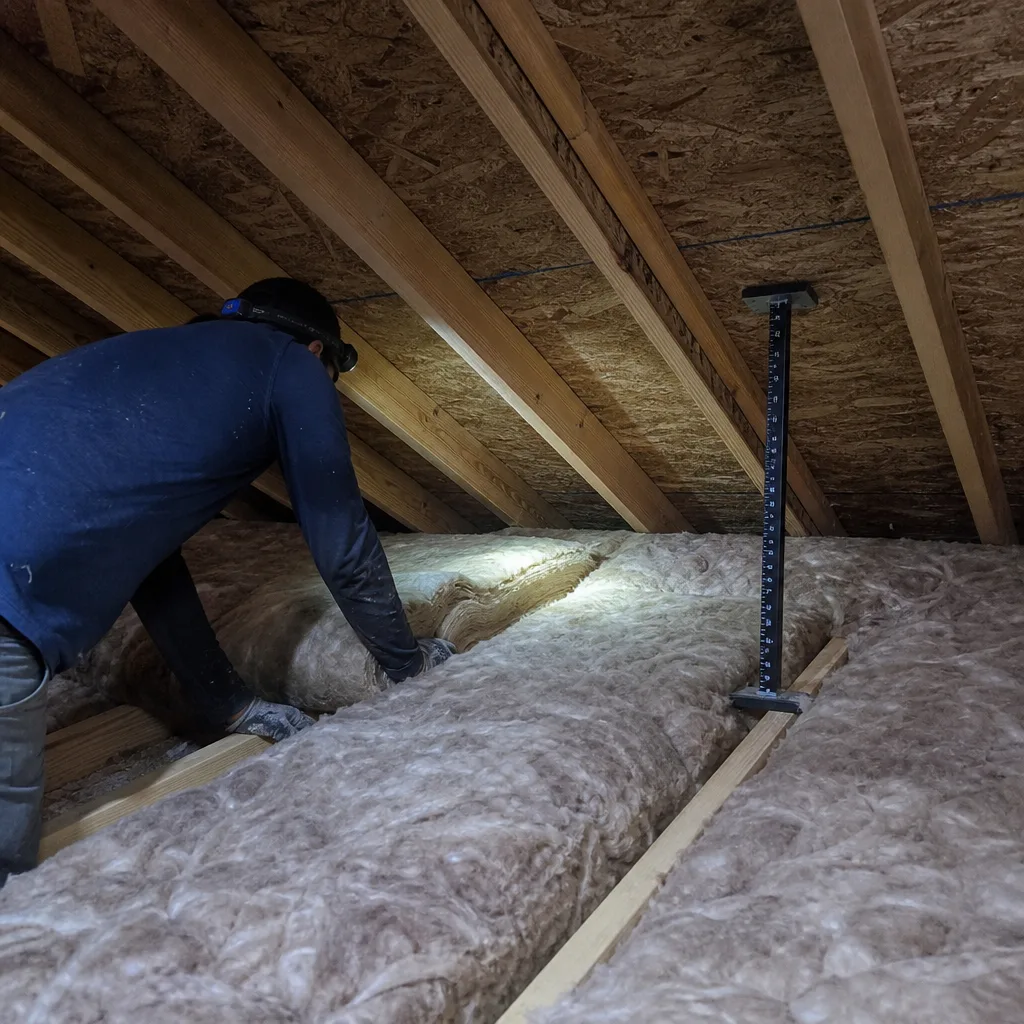
- Wall cavity depth (2×4 vs. 2×6 framing): Most Leander homes built before 2010 use 2×4 studs, capping the cavity at 3.5 inches. Newer developments like Benbrook Ranch and Bryson increasingly spec 2×6 framing. More depth means more material cost but also a higher achievable R-value – R-21 vs. R-13 is a significant performance difference in a climate where cooling loads run from April through October.
- Open vs. closed wall access: Open walls (stud bays exposed) cut labor significantly. Closed walls require drilling, injecting, patching, and finishing – a process that can add $0.80-$1.60 per square foot to the base material cost depending on exterior surface type (brick veneer vs. fiber cement vs. stucco).
- Exterior cladding type: Brick veneer – common in established Leander subdivisions like Mason Hills and Lakeline Ranch – adds complexity to exterior-access retrofit work. Drill patterns are different, bit sizes vary, and patching mortar adds a small but real cost. Fiber cement and vinyl siding are faster to drill and patch, which is reflected in lower labor hours.
- Air sealing scope: At Envelope Insulation Co., air sealing is not optional and not an upsell. Before any insulation goes into a wall cavity, penetrations, outlet boxes, and top and bottom plates get sealed. That work takes time and material – tripolymer sealant, canned foam, and occasionally rigid blocking – and it’s included in the written price. Some contractors quote wall insulation without this step and quote it separately later. Our written price covers both.
- Linear feet of exterior wall and floor plan complexity: A simple rectangular ranch in Leander’s older neighborhoods has fewer corners, fewer bump-outs, and fewer transitions than a newer two-story with pop-outs, bonus rooms over garages, and cantilevers. Complex geometry adds drilling points and increases labor hours. When we walk the home before pricing, we count every corner and every wall section – that’s how the written price stays accurate.
- Existing insulation condition: Some Leander homes – particularly those built in the late 1980s and 1990s – were insulated with degraded fiberglass batt that has settled or been disturbed by pest activity. If existing material has to be removed before new insulation goes in, that’s an additional line item. Removal and disposal runs roughly $0.40-$0.90 per square foot depending on wall access method and material type. We note this on the written scope before work begins.
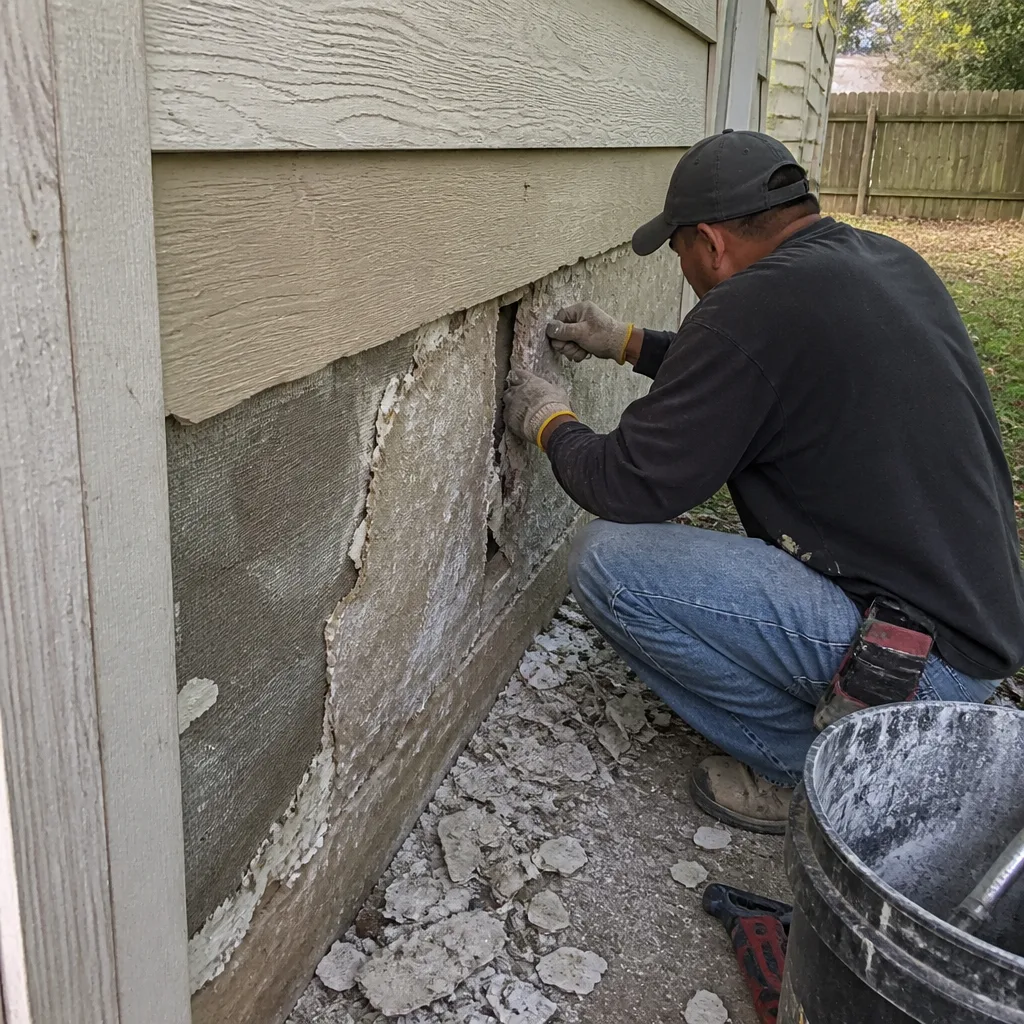 Before
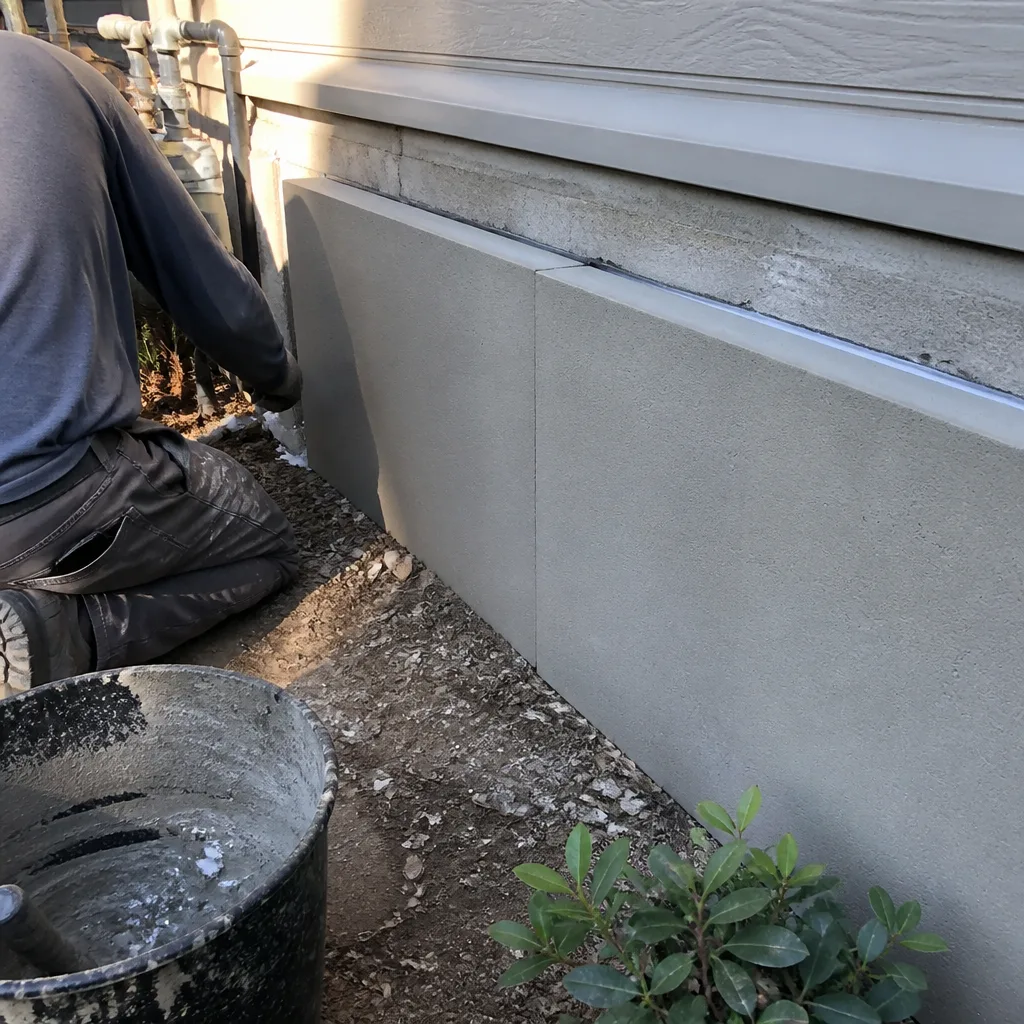 After
AfterWall Insulation Types: A Plain-Language Comparison
Dense-Pack Cellulose
Dense-pack cellulose – GreenFiber is the brand we use most in Leander retrofit work – is blown into closed wall cavities at high density, typically 3.5 pounds per cubic foot or higher. At that density, it resists settling, limits convective looping inside the cavity (a heat-transfer mode that standard batt insulation doesn’t address), and achieves R-13 in a 2×4 wall or R-21 in a 2×6 wall. In Leander’s climate, where summer cooling bills are the primary driver, limiting convective looping matters. Cellulose also carries a Class 1 fire rating and uses recycled content, which matters to a number of homeowners we work with in environmentally-conscious neighborhoods like Travisso.
Injection Foam
Injection foam – we source from Icynene and Demilec – flows into closed cavities at low pressure and expands to fill irregularly shaped spaces that dense-pack sometimes bridges over. It sets into a semi-rigid foam that doesn’t settle. The tradeoff is cost: injection foam runs roughly 30-50% more than cellulose dense-pack per square foot. In homes where air infiltration is the primary energy problem – and blower-door testing before the job often confirms this – injection foam’s superior air-stopping performance can justify that premium. In Leander, we see this most often in homes near the Brushy Creek corridor where temperature swings between seasons create significant stack effect pressure on exterior walls.
Spray Foam (Open and Closed Cell)
Spray foam is the right answer when walls are open – during an addition, a gut renovation, or construction of a new accessory dwelling unit. Open-cell spray foam, sourced from Icynene, achieves R-3.7 per inch and allows vapor diffusion, which is appropriate for most above-grade walls in Leander. Closed-cell foam, at R-6.5 per inch, also acts as a vapor retarder and adds structural rigidity – useful in garage walls and in wall sections that face prevailing storm exposure from the south and southwest. We explain both options in writing before a project starts so the choice is informed, not assumed.
Fiberglass Batt
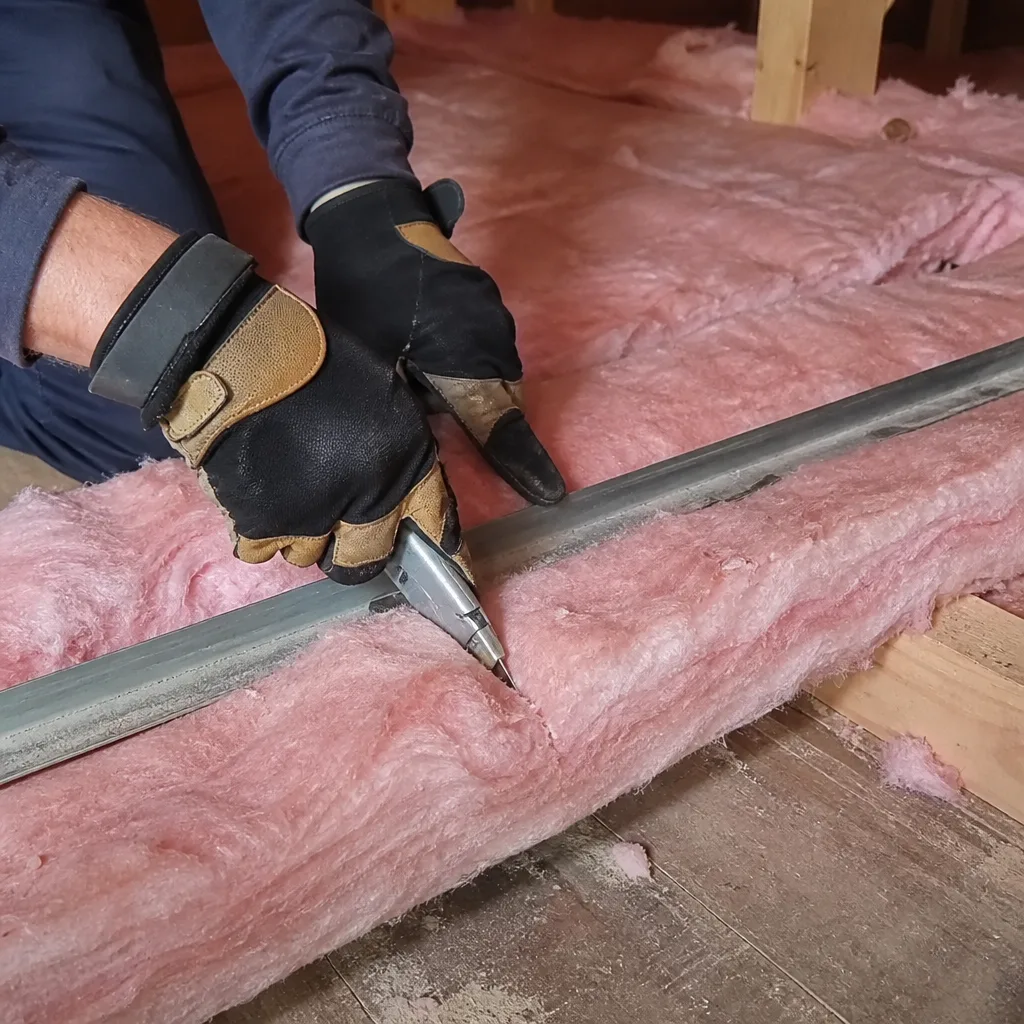
Batt insulation from Owens Corning, Knauf, or Johns Manville is the most cost-effective option when walls are fully open. It performs adequately at R-13 (2×4) or R-19 (2×6) if installed without voids, compression, or gaps – and those conditions are harder to achieve than manufacturers’ literature suggests. In Leander new-construction framing, we have pulled drywall during renovation work and found batt that was compressed around electrical runs, split around plumbing, and missing entirely above window headers. Batt is inexpensive per square foot; poor batt installation is expensive in energy bills over time. Our installation crews follow manufacturer tolerances and the photo documentation we provide covers every wall section before drywall closes it.
How to Save on Wall Insulation in Leander
Combine Wall Work with Attic Air Sealing
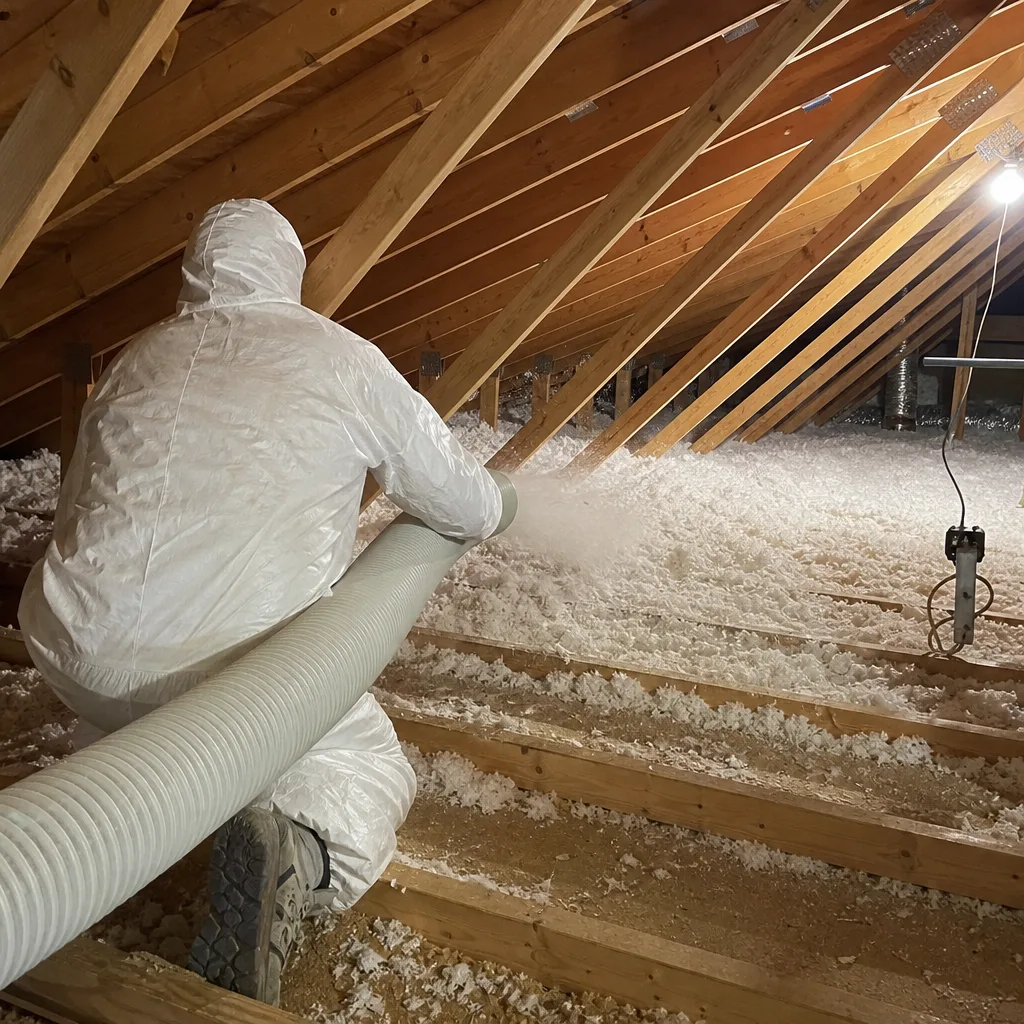
The most consistent way to reduce per-job cost in Leander is to schedule wall insulation and Wall Insulation in Leander work at the same time as attic air sealing and insulation. Crew mobilization – the truck, the equipment rig, the compressor or spray rig – is a fixed cost regardless of how many hours the crew works once they’re on-site. When we’re already there sealing the attic floor before adding blown insulation, adding wall work on the same visit spreads that mobilization cost across a larger project. In practical terms, homeowners in Leander who bundle attic and wall work typically see 10-18% lower per-square-foot pricing than homeowners who schedule each job separately.
Check for Utility Rebates Before Scheduling
Leander is served by Pedernales Electric Cooperative (PEC) and, in some sections closer to 183A, by Austin Energy. Both have offered rebate programs for qualifying insulation and air-sealing work, though program details and funding availability shift year to year. Before you commit to a project scope, check the current PEC Home Energy Efficiency rebate schedule and Austin Energy’s rebate portal. We can note which insulation specifications qualify on the written scope so you have documentation for the rebate application – something not every contractor thinks to include.
Don’t Skip Air Sealing to Cut Cost
This sounds counterintuitive in a savings section, but it belongs here. Some contractors will quote wall insulation without air sealing to hit a lower number. In Leander’s climate, insulation without air sealing is a partial fix – conditioned air still leaks through outlet boxes, top plates, and framing penetrations, and the blower-door reading after the job will show it. A home that tests at 4,800 CFM50 before wall insulation should test meaningfully lower after. If it doesn’t, the insulation is doing partial work and the energy savings won’t reflect what you paid for. We publish before-and-after blower-door numbers on every applicable job precisely because it holds us to that standard.
Get a Second Opinion on Any Written Estimate
We offer a free second opinion on any written estimate from another contractor – we’ll read it with you and tell you specifically what’s included, what’s missing, and what the line items mean in practice. No pressure to switch. The goal is that you make a decision with full information. Call (737) 252-7159 and we can schedule a time to review a competing quote before you sign anything.
Time the Project Before Peak Cooling Season
In Leander, the practical window between winter cold and summer heat is narrow. February through mid-April and October through November are the periods when neither heating nor cooling demand is putting pressure on scheduling. Booking wall insulation in that window means faster crew availability and a shorter wait between your written estimate and your project start date. It also means the work is done before the months – May through September – when a poorly insulated exterior wall costs the most in electricity bills.
The Envelope Approach: Air Sealing Before Insulation, Every Time
Wes Okafor built Envelope Insulation Co. around a principle that sounds simple and turns out to be uncommon: you seal the air leaks first, and then you insulate. Not simultaneously. Not with air sealing as an optional add-on after the insulation is in. First.
The reason this order matters in Leander walls specifically is stack effect. A two-story home in Crystal Falls or Travisso has a measurable pressure differential between the lowest level and the highest level, particularly during summer when interior and exterior temperature differences are extreme. That pressure differential drives conditioned air out through any unsealed penetration in the building envelope – outlet boxes, top plates, the gap behind a bathtub on an exterior wall, framing around a recessed light. If you fill a wall cavity with perfectly installed dense-pack and leave those penetrations open, the blower-door reading won’t change as much as you’d expect, and the homeowner’s energy bill won’t either.
Every wall insulation project at Envelope Insulation Co. starts with a written price that includes air sealing of all accessible penetrations in the wall sections being insulated. It’s not a separate line item you can remove to hit a budget number. It’s the work.
The documentation you receive when we leave includes: a written scope and warranty delivered before the project starts (Haven Standard Clause 1), a Documented Photo Record of every wall section worked on, and – on applicable projects – before-and-after blower-door readings so you can see in a single number what changed. The blower-door test measures CFM50 – cubic feet per minute of air movement at 50 Pascals of pressure – and the delta between before and after is the closest thing to an objective proof-of-work that residential insulation offers.
Since 2016, we’ve sealed and insulated more than 9,000 homes in Central Texas under that standard. Every one of them started with a written price. Every one of them ended with documentation. That’s not a marketing promise – it’s the operating procedure.
If you’d like to understand more about what a full building-envelope approach covers, visit our home page for the complete service overview.
FAQs – Wall Insulation Cost in Leander
How much does wall insulation cost per square foot in Leander, TX?
Wall insulation in Leander runs $0.60-$4.80 per square foot of wall area depending on method. Batt in open walls sits at the low end ($0.60-$1.20/sq ft). Dense-pack cellulose in closed walls runs $1.80-$3.10/sq ft. Injection foam in closed walls runs $2.50-$4.20/sq ft. Closed-cell spray foam in open walls is the most expensive option at $2.80-$4.80/sq ft. For a written price specific to your home’s wall area and construction type, call (737) 252-7159 – estimates are free and in writing before anything starts.
How much does it cost to insulate the walls of an existing Leander home without removing drywall?
Retrofitting insulation into existing walls without removing drywall – using dense-pack blown-in or injection foam – typically costs $1.80-$4.20 per square foot of wall area in Leander. For a 1,800 square-foot single-story home with roughly 900-1,100 square feet of exterior wall area, expect a total project cost of $1,800-$4,600 depending on material choice. The work involves drilling small holes (typically 1.5-2 inches in diameter) through the exterior or interior surface, filling the cavity under pressure, then patching. Call (737) 252-7159 and we’ll walk the exterior with you before writing a number.
Is spray foam or blown-in insulation better for Leander walls?
For closed existing walls, injection foam or dense-pack cellulose are both solid choices. Injection foam wins on air sealing performance – in a blower-door test, homes retrofitted with injection foam in all exterior walls typically show a larger CFM50 reduction than those done with cellulose. The tradeoff is cost: roughly 30-50% more per square foot. For open walls in new construction or a renovation, open-cell spray foam is competitive in price and performs well in Leander’s Climate Zone 2B. The material choice also depends on framing depth, vapor control requirements, and project budget. We explain both options in the written scope before you decide – no one commits to a material based on a verbal recommendation.
Does Leander, TX require a permit for wall insulation work?
Permit requirements in Leander depend on the scope of work. A simple retrofit of existing walls – drilling, filling, and patching with no structural changes – generally does not require a permit. An addition, a gut renovation opening walls for structural work, or insulation tied to a permitted HVAC replacement may trigger an energy code review under the current International Energy Conservation Code (IECC) as adopted by Texas and the City of Leander. When your project is borderline, we note on the written scope whether a permit is likely required. Leander’s Development Services department can confirm requirements for specific project types; their current contact information is on the City of Leander website. We don’t guess at code questions – we document what we know and flag what you should confirm.
How long does wall insulation installation take in an average Leander home?
A standard retrofit of exterior walls in a 1,800-2,400 square-foot single-story Leander home typically takes one full day for a two-person crew – drilling, filling, and patching included. Larger two-story homes in Travisso or Crystal Falls with more exterior wall area and added complexity from brick veneer may run 1.5 to 2 days. New-construction batt or spray foam in open walls is generally faster – often a half-day or less. Before the crew arrives, you’ll have a written scope that includes a project timeline estimate, so the timeline isn’t a guess on day one. Call (737) 252-7159 to get a free estimate and a realistic timeline specific to your home.
Key Takeaways
- Wall insulation in Leander costs $1,800-$5,800 total for most homes, with per-square-foot rates from $0.60 (open-wall batt) to $4.80 (closed-cell spray foam in open walls).
- Retrofit work in closed walls runs higher per square foot than new-construction or open-wall work – expect $1.80-$4.20/sq ft for the most common Leander retrofit scenarios.
- Air sealing before insulation is not optional at Envelope Insulation Co. – it’s part of every written price, and before-and-after blower-door numbers show the result.
- Bundling wall insulation with attic work on the same visit typically reduces per-square-foot cost by 10-18% compared to scheduling separately.
- Check PEC and Austin Energy rebate programs before finalizing scope – qualifying specs can be noted on the written scope for rebate documentation.
- Every project starts with a written price and ends with a Documented Photo Record. The 365-Day Done Right Promise applies to all completed work.
- Wes Okafor leads every project assessment – free estimates, written price, no work starts without your signature on a written scope.
Get a Written Price for Your Leander Home
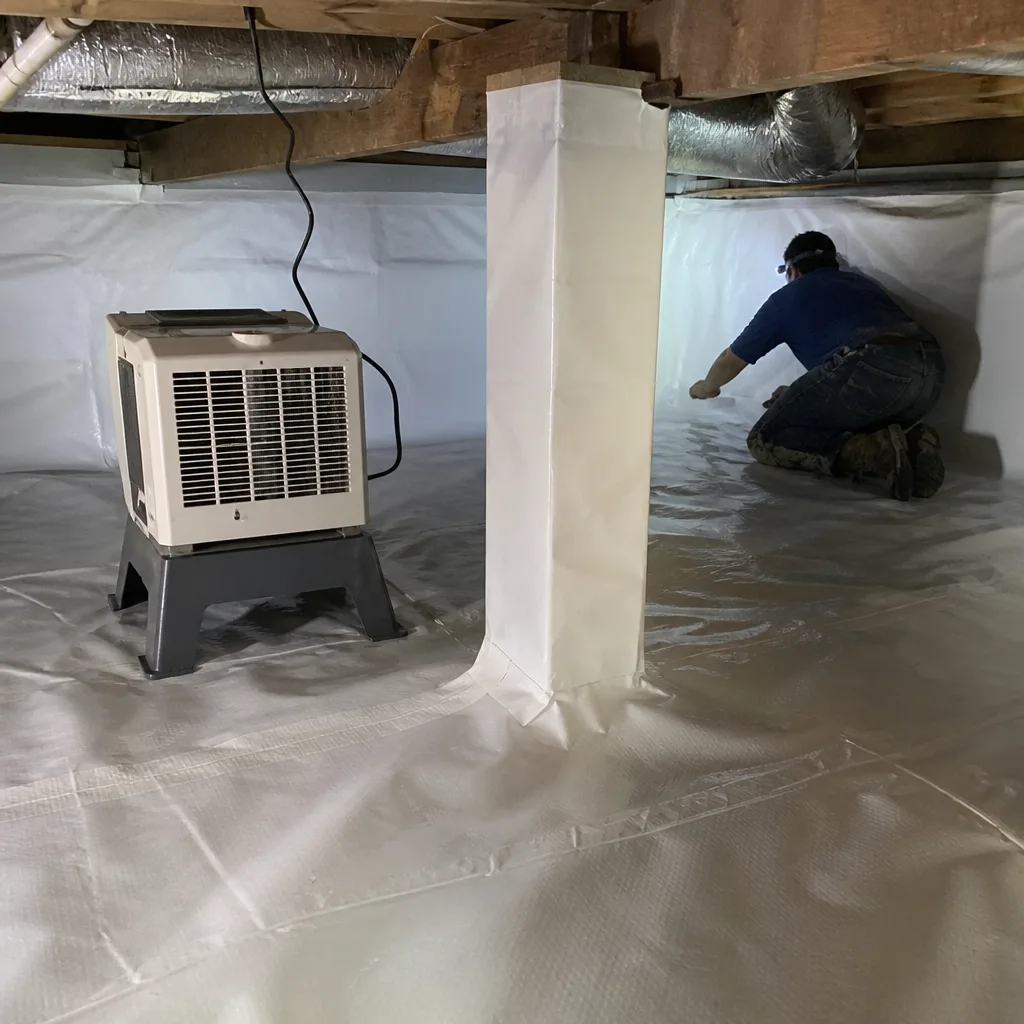
If your home was built before 2010 and you haven’t had the wall cavities tested or insulated since you moved in, there’s a reasonable chance the exterior walls are contributing to the cooling load in a way that shows up in your electric bill every summer. The only way to know is to measure – blower-door test before the work, written scope with material and method specified, then installation, then blower-door test after.
Wes Okafor and the Envelope Insulation Co. crew serve Leander and surrounding Central Texas communities, and we’re available to walk your home, document what we find, and give you a written price before any discussion of scheduling. The estimate costs nothing. The written price is yours to keep – whether you hire us or not.
Call (737) 252-7159. A live person picks up, any time. No voicemail loops, no callback windows measured in business days. If you’d rather text first, that works too.
Under Haven Standard Clause 1: you get a flat written price, a written scope, and a written warranty before anyone lifts a tool. That’s the only way we operate.
Pricing reflects the Leander market as of 2026. Topside Attic Insulation Leander offers free estimates – call (737) 252-7159.
Written by Wes Okafor, Owner at Envelope Insulation Co., serving Leander, TX since 2016.
What Our Customers Say
"They air-sealed the attic floor before insulating and showed me the blower-door number before and after. The upstairs is finally the same temperature as downstairs."
- Marisol D."Fixed price, clean work, and they hauled the old material away as agreed."
- Todd M."They photographed rodent damage in the old insulation that we had no idea about, and priced the exclusion work separately so we could decide."
- Harriet N.