
Attic Baffles & Ventilation Prep in Leander, TX
Attic baffles – sometimes called rafter vents or vent chutes – are rigid channels installed between roof rafters that hold a clear airflow path from your soffit vents to your ridge vent, even after insulation is blown in on top of them. In Leander, where summer attic temperatures routinely push past 140°F and builders frequently under-vent homes in fast-growing subdivisions like Savannah Ranch, Crystal Falls, and Bryson, skipping this step means your insulation works against your ventilation instead of alongside it. Before we ever touch Attic Insulation services like blown-in insulation or spray foam, ventilation prep is completed – baffles installed, air pathways confirmed open, and the attic floor air-sealed – because adding R-value over a blocked or unventilated cavity just traps heat and moisture rather than managing them.
This page covers exactly what we do during a ventilation prep visit, what it costs in Leander’s current market, and the questions homeowners ask us most often. If you want the broader picture first, our Attic Insulation in Leander page explains how this sub-service fits into the full scope of work. To schedule or get a written price on your specific home, call us at (737) 252-7159 – a live person answers, not a voicemail.
Envelope Insulation Co., operating as Topside Attic Insulation Leander, has been independently owned and operated under The Haven Standard since 2016. Every job begins with a written price before anyone lifts a tool, and closes with a documented photo record so you can see exactly what was done.
When You Need Attic Baffles & Ventilation Prep
Not every Leander home shows the same signs, but the following situations consistently point to a ventilation prep problem rather than a simple insulation upgrade.
- Hot second floor despite a new HVAC system. If the upstairs rooms in a two-story home in Northline or Carneros Ranch stay 5-8°F warmer than the thermostat setting all summer, stagnant attic air is usually part of the cause – not an undersized AC unit.
- Insulation piled against the eaves, blocking soffit vents. This is the most common issue we find in Leander homes built between 2005 and 2018. Blown-in insulation settled or was added without baffles, and the soffit vents are now completely buried. The attic loses its intake airflow, heat builds, and moisture follows.
- Visible moisture staining or mold at the roof sheathing near the eaves. When warm, humid air from inside the living space hits the cold underside of the decking in winter – or when stagnant attic air can’t dry out after a Leander spring storm – you get condensation and eventually wood rot. Baffles restore the drying airflow that prevents this cycle.
- Energy bills that don’t match the reported R-value. A homeowner in Crystal Falls called us after adding R-38 insulation through another contractor, yet saw no change in utility bills. We found the soffit vents were completely blocked, the ridge vent was improperly installed, and the insulation was doing nothing but trapping radiant heat. The R-value on the bag means nothing if the ventilation can’t move that heat out.
- Pre-insulation inspection flagging inadequate airflow. If you’ve received an energy audit or HERS rating report that notes “insufficient attic ventilation” or “blocked eave vents,” that’s a direct call for baffle installation before any insulation work proceeds.
- Planning a full attic re-insulation or insulation removal and replacement. Any time existing insulation is removed – for rodent remediation, moisture damage, or simple age – baffles should be confirmed or installed before the new material goes in. Skipping this step during a re-insulation project is how the problem gets buried and forgotten for another decade.
Our Attic Baffles & Ventilation Prep Process
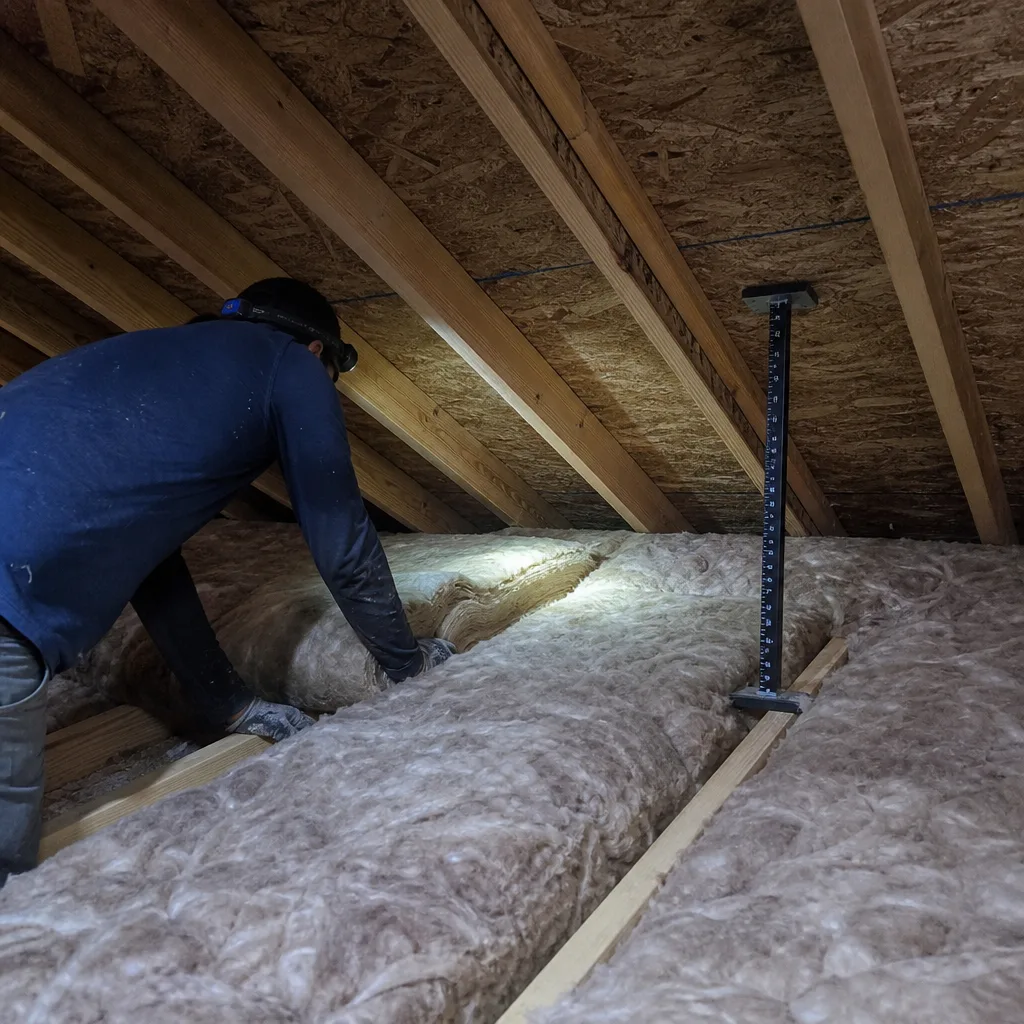
We follow the same sequence on every Leander home, whether it’s a 1,400-square-foot starter home near Hero Way or a 3,800-square-foot home backing up to the Leander greenbelt. The order matters: ventilation is confirmed before air sealing, and air sealing is completed before any insulation is added. That sequence is non-negotiable.
- Diagnostic walkthrough and blower-door baseline. Before any materials come out of the truck, a technician walks the attic with a flashlight and a thermal camera. We document the current state of the soffit vents, ridge vent, gable vents (if present), and any existing baffles. On applicable jobs, we also run a blower-door test – a pressurization reading that gives us a single number (CFM50) showing how much conditioned air the building envelope is currently losing. That number goes into your job record and becomes the “before” figure we’ll compare against at the end. You receive the documented photo record from this visit regardless of what work follows.
- Clear and measure each rafter bay at the eaves. Existing insulation is pulled back from the eaves so we can see what’s there. We measure the available net free area – the actual open space the air has to pass through – against the ventilation requirements for your roof pitch and attic square footage. Texas residential code and ASHRAE 62.2 both reference the 1:150 and 1:300 ventilation ratios; we note which applies to your home and where it currently stands.
- Install baffles in every rafter bay that runs to a soffit vent. We use rigid foam or cardboard vent chutes (the material choice depends on the rafter bay depth and the insulation type going in after). Each baffle is stapled flush to the roof decking and extends from the soffit vent opening past the top plate of the exterior wall, creating a protected channel that insulation cannot collapse. On homes with Owens Corning blown-in systems going in afterward, we confirm the baffle depth accounts for the full target R-value so the insulation doesn’t compress the channel at the top of the channel.
- Air-seal the attic floor before insulation. This step is part of ventilation prep because the two systems interact: a leaky attic floor pulls conditioned air up into the attic cavity, raising humidity and interfering with ventilation. We seal top plates, recessed can lights, plumbing and electrical penetrations, and any other bypasses using fire-rated caulk or two-component spray foam. This is completed before any blown-in material goes in – it cannot be done effectively after. Under Haven Standard: every penetration we seal is documented in the photo record.
- Confirm ridge and exhaust vent function. Baffles at the soffit only work if there’s a functioning exhaust point at or near the ridge. We inspect the ridge vent or gable vents for blockage, damage, or improper installation. If we find a problem – and in Leander homes built during the 2003-2012 builder boom, we frequently do – we document it in writing and give you a written price for the repair before touching anything.
- Post-work blower-door reading and documented close-out. On jobs where air sealing was part of the scope, we run a second blower-door test and compare it to the baseline. If the before reading was 3,800 CFM50 and the after reading is 2,200 CFM50, that goes into your written record. You leave with a documented photo record, the written scope, the written warranty, and – where applicable – the blower-door before-and-after numbers. That’s what finishing a job looks like under The Haven Standard.
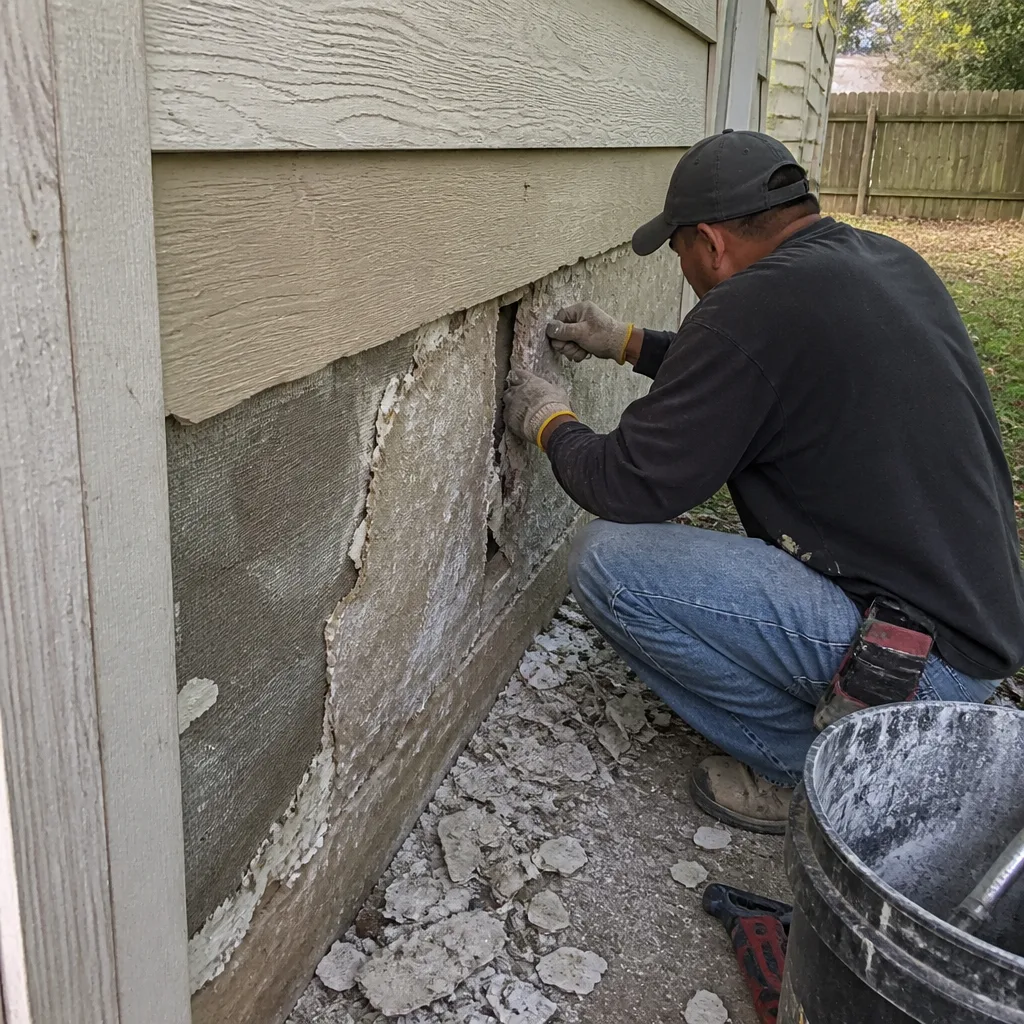 Before
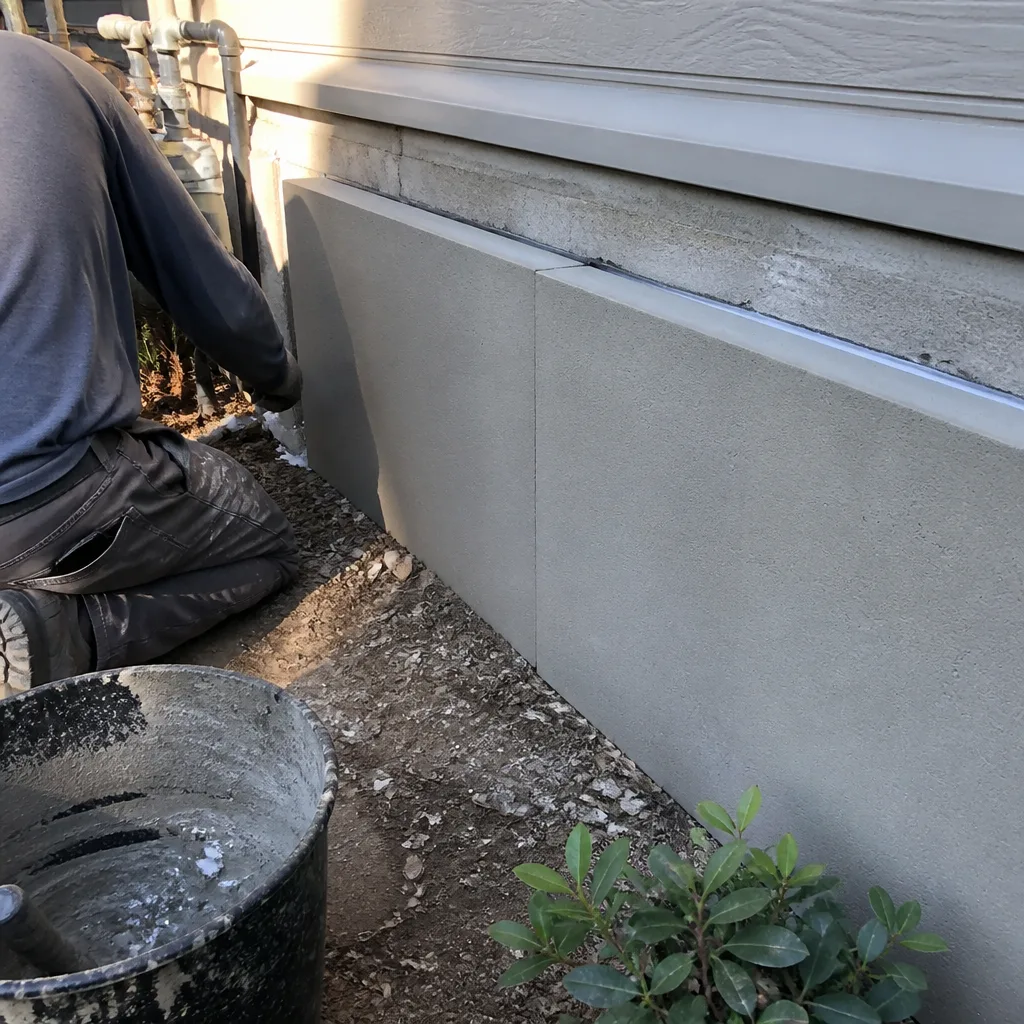 After
AfterAttic Baffles & Ventilation Prep Pricing in Leander
Ventilation prep pricing in Leander depends primarily on three things: the number of rafter bays that need baffles, whether air sealing is included in the same visit, and the accessibility of your attic space. A tight, low-pitch attic in a 1970s Leander ranch takes more labor per bay than a tall, open attic in a newer two-story home in the Larkspur subdivision, which affects your overall How Much Does Attic Insulation Cost? (2026 Price Guide) - Leander, TX.
The ranges below reflect what most Leander homeowners pay for this specific scope of work. These are standalone prices for baffle installation and ventilation prep – they do not include the cost of blown-in insulation or other attic work that may follow.
- Baffle installation only (no air sealing), average home (1,400-2,200 sq ft attic footprint): $350 – $650
- Baffle installation with attic floor air sealing, average home: $650 – $1,100
- Larger homes (2,200-3,500 sq ft attic footprint) or complex rooflines: $900 – $1,600
- Blower-door test (before and after), when added to any sealing scope: typically included as part of air-sealing jobs at no separate line-item charge
- Ridge vent repair or replacement (if found deficient during inspection): quoted separately in writing before any work starts
Under Haven Standard Clause 1, you receive a flat written price and written scope before anyone starts. The number you sign off on is the number on the invoice. If we open the attic and find something that changes the scope – damage, unexpected penetrations, a collapsed soffit – we stop, document it, and give you a revised written price. Work does not continue on new findings without your written approval.
We also offer a free second opinion on any written estimate you’ve already received. Bring us the competing quote and we’ll go through it line by line with you – what’s included, what’s missing, and whether the scope actually addresses your home’s ventilation situation. Call (737) 252-7159 to set that up.
FAQs – Attic Baffles & Ventilation Prep
Do I really need baffles if my Leander home already has soffit vents?
Having soffit vents installed is not the same as having soffit vents that are actually working. In the majority of Leander homes we inspect where insulation was added after the original build – particularly homes in older parts of Leander near Bagdad Road and the Leander Road corridor – the blown-in insulation has pushed all the way to the eave and is sitting directly against or over the soffit vent openings. The vents are physically present but functionally blocked. Baffles hold a clear channel between the vent opening and the rest of the attic cavity so air can actually move. If you’re not sure whether yours are open, searching for Attic Insulation Near Me in Leander, TX and booking a diagnostic walkthrough will tell you in writing.
Can you install baffles without removing all my existing insulation?
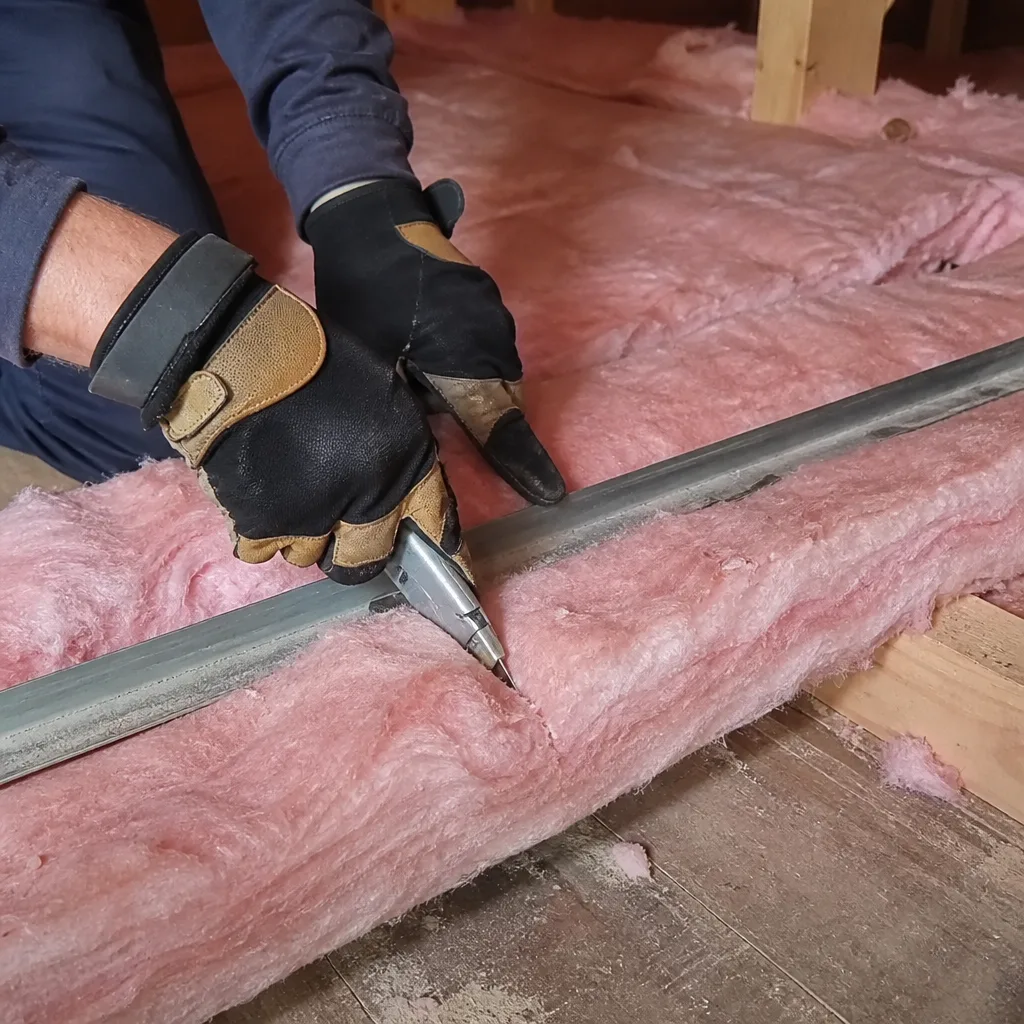
In most cases, yes. We pull the insulation back from the eave area of each rafter bay, install the baffle, and push or blow the insulation back in around it. We don’t have to strip the entire attic floor unless the existing Attic Batt Insulation is damaged, contaminated, or so compressed it’s no longer performing to its rated R-value. If removal does turn out to be necessary, that gets documented and priced separately in writing before we do it – it’s never a surprise charge.
How do baffles and air sealing relate to each other – aren’t they separate things?
They work on different parts of the attic’s thermal and moisture performance, but they interact closely enough that we treat them as a coordinated prep step rather than two independent jobs. Baffles manage ventilation airflow – moving heat and moisture out through the eaves and ridge. Air sealing at the attic floor controls what comes up from the living space below. If you seal the floor but leave the ventilation blocked, you’ve reduced moisture entry but you can’t remove what’s already there. If you open the ventilation but leave the floor unsealed, you’re continuously pumping conditioned air into the attic and asking the ventilation system to exhaust it. Both steps done together is what actually moves the performance needle. Our home page gives a brief overview of how we approach the full building envelope if you want that broader context.
How long does a typical ventilation prep visit take in Leander?
For a standard single-story home in the 1,600-2,400 square foot range, baffle installation with air sealing typically runs four to six hours with a two-person crew. Larger homes, complex hip rooflines common in some Crystal Falls and Travisso properties, or attics with significant existing debris or blockage can extend that to a full day. We give you a specific time estimate as part of the written scope – not a window measured in business days. Under Haven Standard: Arrive on Schedule, you get a named technician and a text when they’re on the way.
What Sets This Work Apart
Wes Okafor built Topside Attic Insulation Leander around a single operating rule: insulation goes in last, not first. The insulation is the layer that preserves the condition the prep work created. If the ventilation is blocked and the attic floor leaks, R-38 GreenFiber blown-in is just an expensive way to trap heat and moisture more efficiently.
Since 2016, we’ve completed ventilation prep as part of more than 9,000 homes sealed and insulated across the area – each one with a written price before work started and a documented record when the crew left. The before-and-after blower-door numbers we publish on applicable jobs aren’t a marketing claim; they’re the raw CFM50 figures from a calibrated test, and they either show a meaningful change or they don’t. So far, they do.
If you’ve had insulation work done before that didn’t move your energy bills, there’s a reasonable chance ventilation prep was skipped or done wrong. That’s worth a second look before you pay for more insulation. As part of our Attic Insulation in Leander service, ventilation prep is always scoped first – never treated as optional.
The 365-Day Done Right Promise applies to all completed work. If the baffles fail, if a sealed penetration opens, if something we documented as corrected turns out not to be – we come back and make it right. That’s in writing before anyone starts, not offered after a complaint.
Schedule Your Ventilation Prep Assessment in Leander
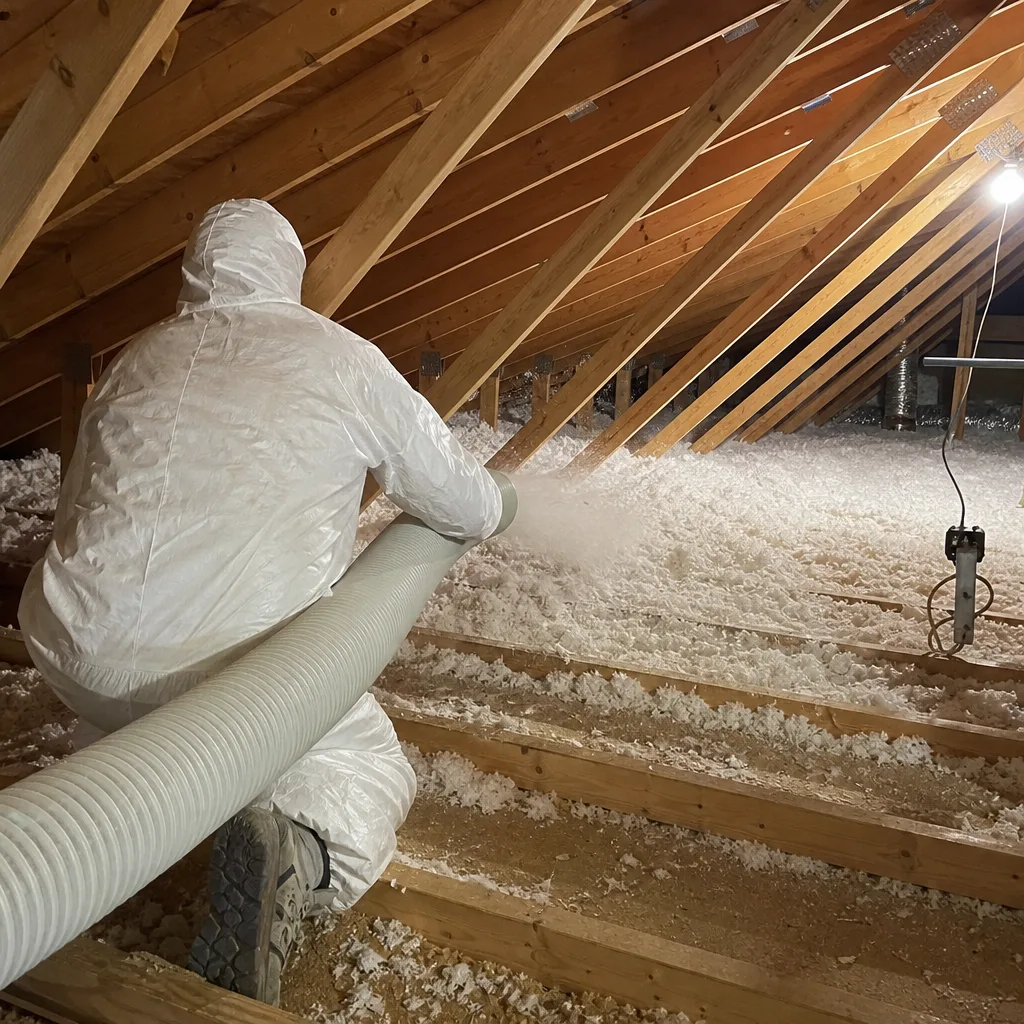
If your Leander home is running hot upstairs, if your utility bills haven’t responded to past insulation upgrades, or if you’re planning a full re-insulation and want it done correctly from the start, the first step is a diagnostic walkthrough with a written price. No work starts without it.
Call (737) 252-7159 to schedule. A live person picks up – no voicemail, no callback window. We’ll confirm a named technician, give you a text when they’re on the way, and leave you with a written scope and documented photo record whether you proceed with work or not.
Written by Wes Okafor, Owner at Topside Attic Insulation Leander, serving Leander.