
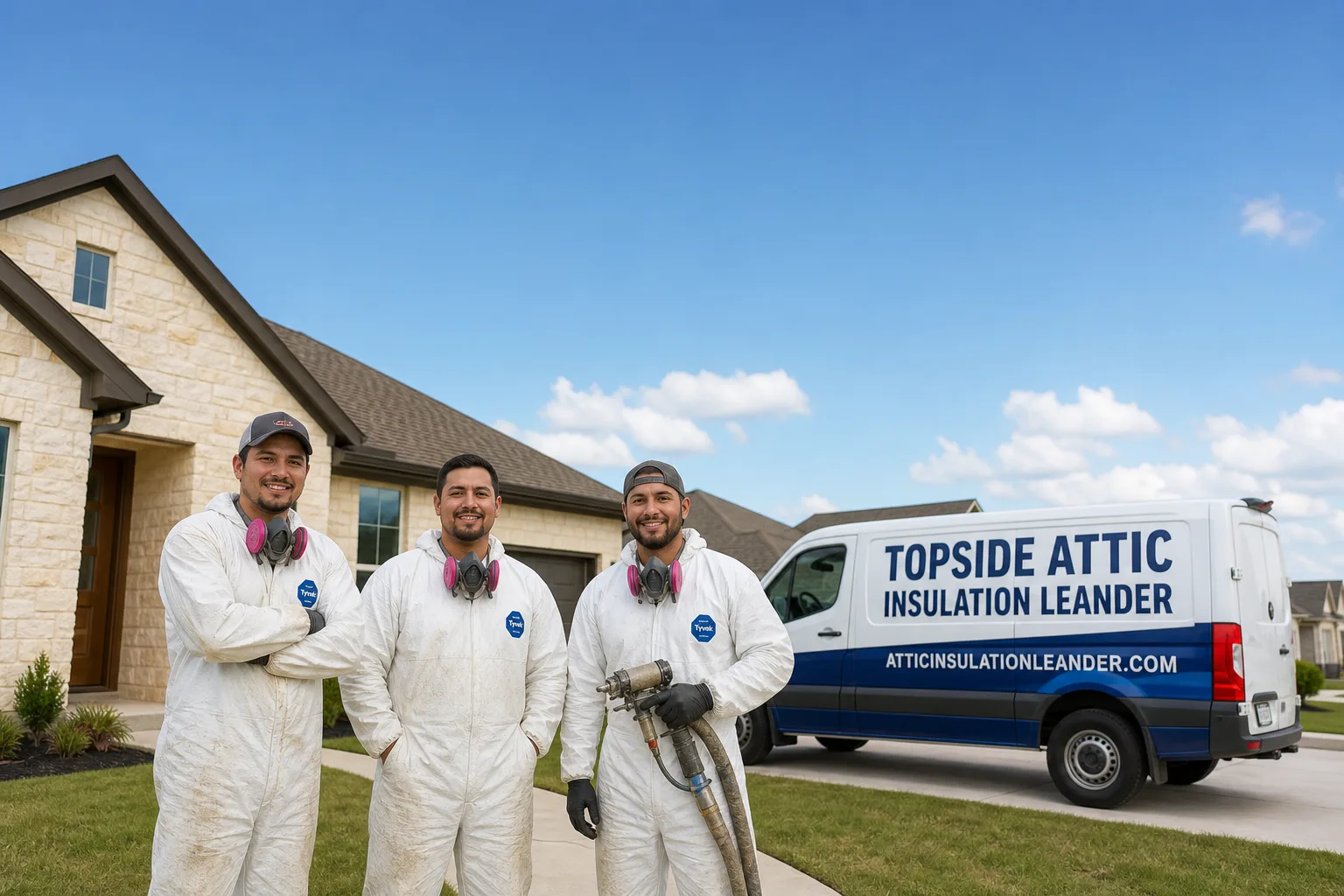
Insulation in Austin, TX
Crawl space encapsulation and vapor barrier work in Austin runs $2,800-$6,500 for most pier-and-beam homes, with full encapsulations on larger or more complex crawl spaces reaching toward the upper end. We’re Envelope Insulation Co., and we treat air sealing as a hard prerequisite before any insulation goes in. Our Austin office coordinates dispatch and scheduling locally; crews serve the full metro with blower-door verification on every applicable job. Call (737) 252-7159 for a written price before any work starts.
Why Austin Homes Are Different
Austin sits at the meteorological seam between Gulf Coast humidity and the drier Edwards Plateau, which means vapor management and air-sealing are year-round concerns rather than a seasonal afterthought. The city logs 60-90 days above 95°F annually, pushing unventilated attic temperatures to 140-160°F and making the attic the single highest-leverage insulation zone in any structure.
The housing stock splits sharply. Central Austin’s 1920s-1960s pier-and-beam bungalows in Hyde Park, Cherrywood, Crestview, and Allandale were built with little to no insulation - crews routinely find original 1940s-1950s rock wool batts collapsed into joist bays, or nothing at all. The suburban crescent from the 1980s onward is largely slab-on-grade wood-frame with entirely different retrofit profiles. Meanwhile, Austin Energy enforces building energy standards that exceed Texas state minimums, so insulation work inside city limits must meet stricter R-value and air-sealing requirements than identical work in Pflugerville, Cedar Park, or Round Rock just miles away.
Our Main Austin Services
Most Austin homeowners who call us start with one of these three services. Each has its own detailed Austin page if you want deeper pricing and neighborhood-specific notes.
Attic Insulation in Austin
Attic insulation in Austin is almost always a cooling-load decision first. We begin with a blower-door test to measure how much conditioned air the home is losing, then seal top plates, can lights, and penetrations before adding any material. In central Austin’s uninsulated 1950s ranches, we typically see blower-door readings cut by 40-60% after sealing and insulating. Attic Insulation in Austin covers full pricing, material options from Owens Corning and Johns Manville, and what Austin Energy’s standards mean for your permit.
Spray Foam Insulation in Austin
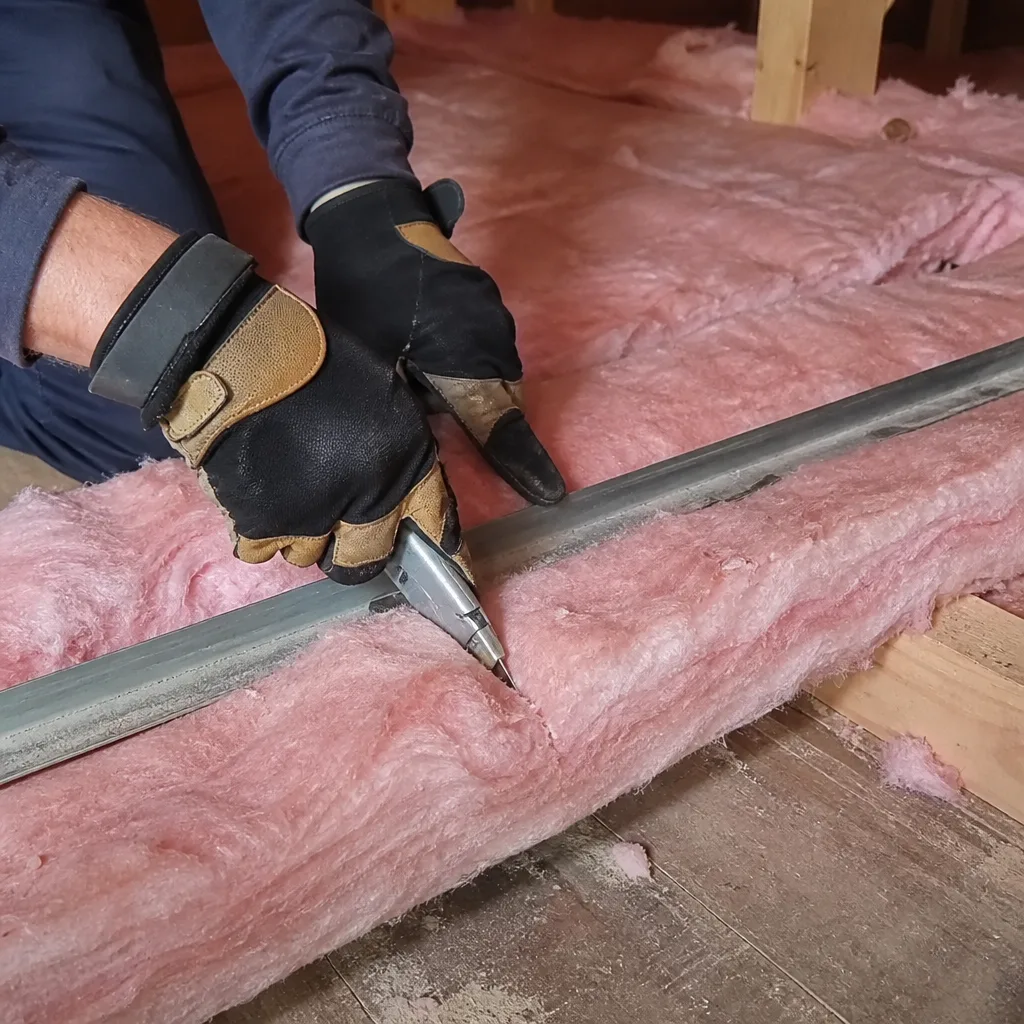
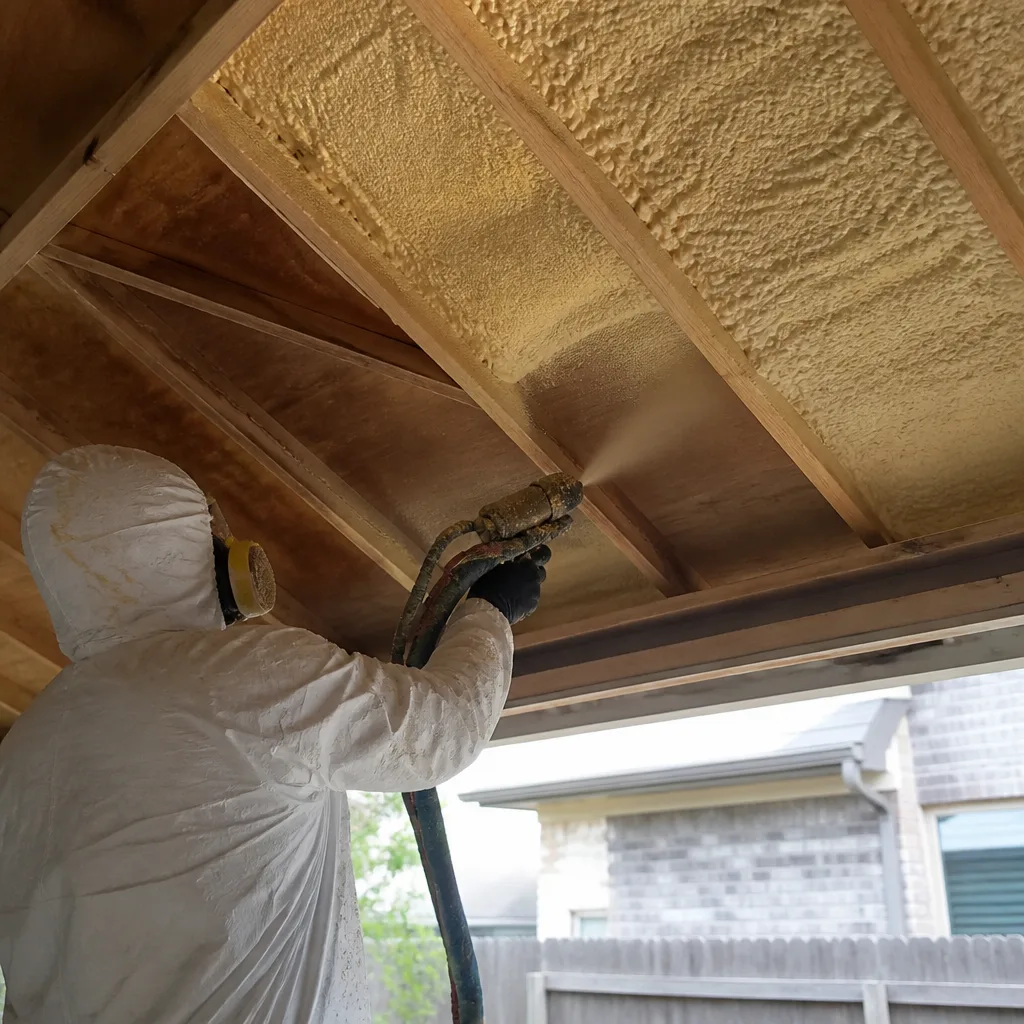
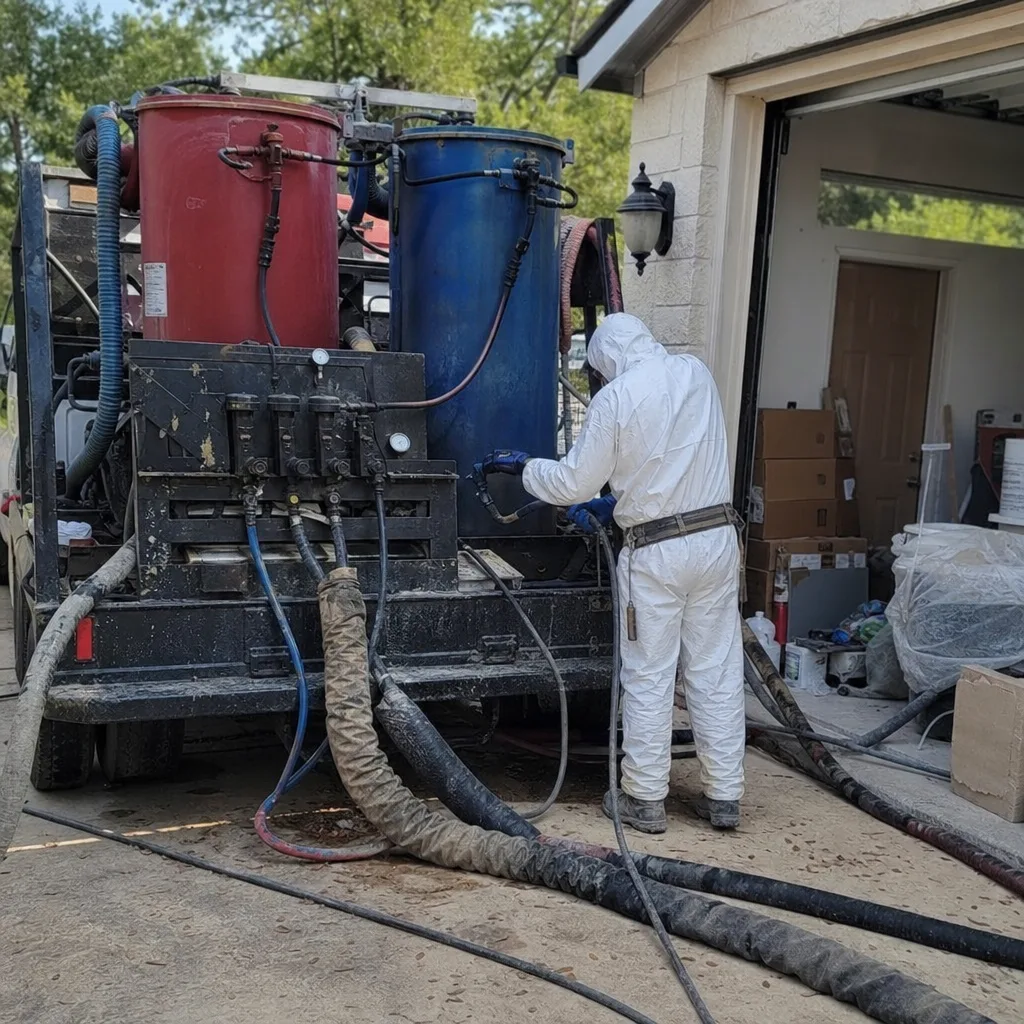
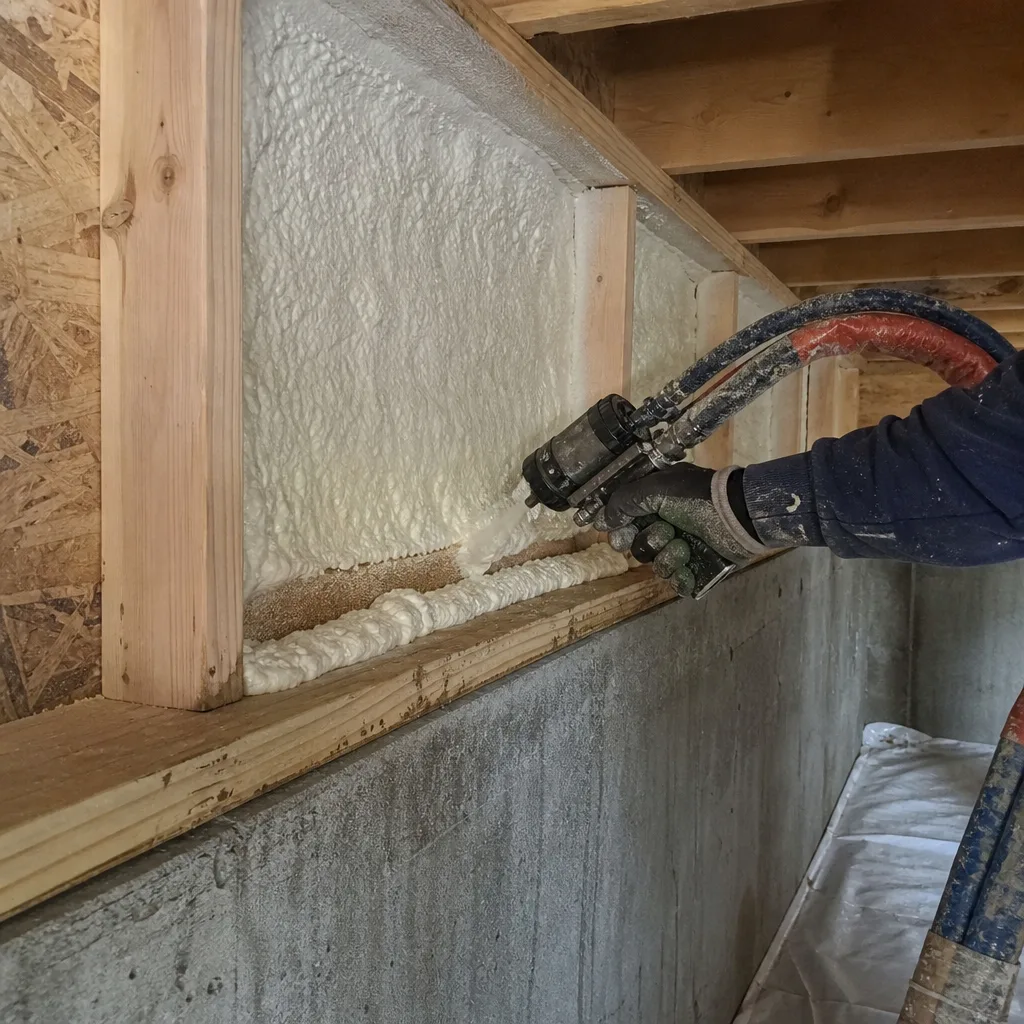
Spray foam in Austin is increasingly specified for townhome and ADU roof-deck assemblies where vented attics are impractical and Austin Energy code requires conditioned attic space. We use open-cell and closed-cell products from Demilec and Icynene, with the choice driven by moisture profile and budget. Every spray foam job gets a post-install blower-door test to verify the air barrier is continuous. Spray Foam Insulation in Austin has detailed cost tables and application guidance.
Blown-In Insulation in Austin
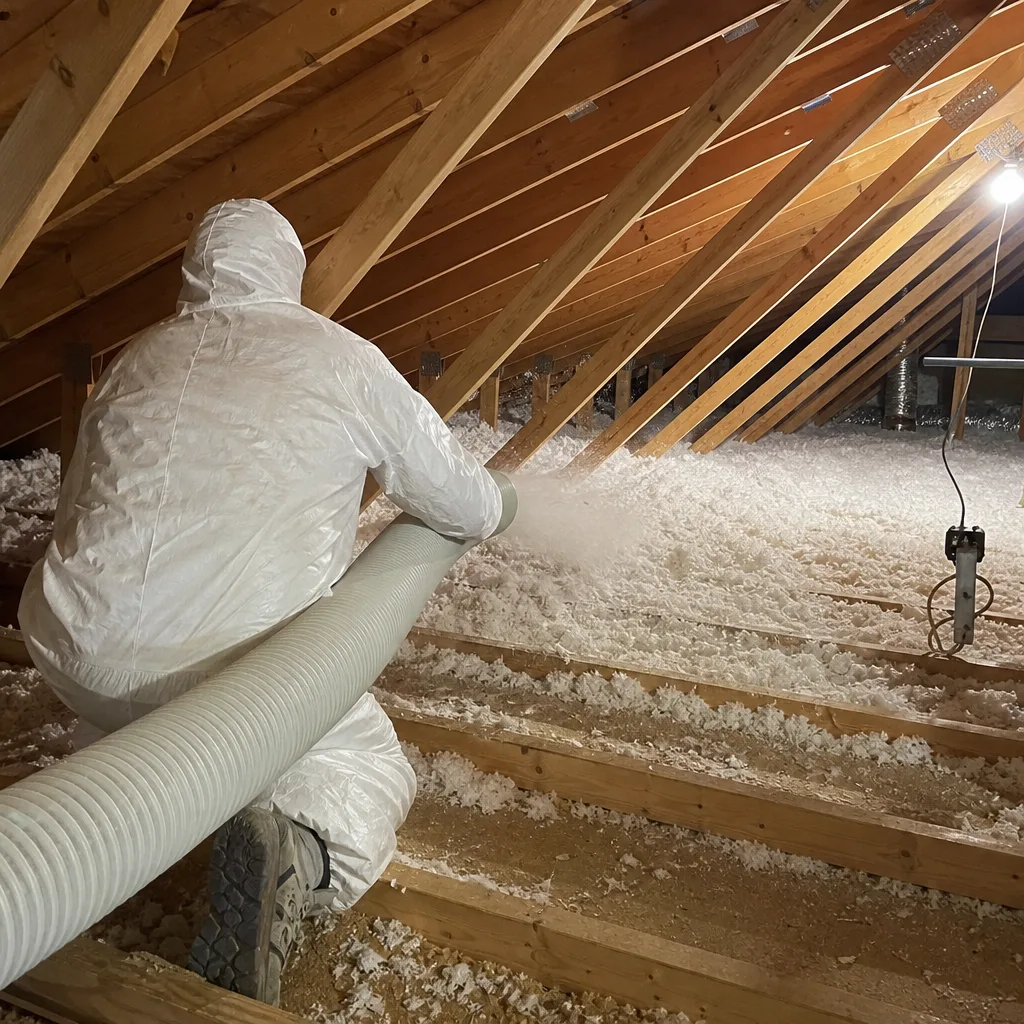
Blown-in insulation remains the most common retrofit for Austin’s suburban slab-on-grade homes with accessible attics. We blow fiberglass from Owens Corning or Knauf, or cellulose from GreenFiber, only after completing attic floor air sealing. In Austin’s newer construction, we often find the attic insulated but the floor leaky - the blown-in material performs poorly until the envelope is sealed. Blown-In Insulation in Austin breaks down when each material makes sense.
What happens when you call
- 1
A real person answersNo phone trees - you reach a local pro.
- 2
You get an upfront price rangeHonest numbers before anyone is dispatched.
- 3
A background-checked tech heads outLicensed & insured, dispatched right away.
- 4
You approve before work beginsNothing starts until you say go.
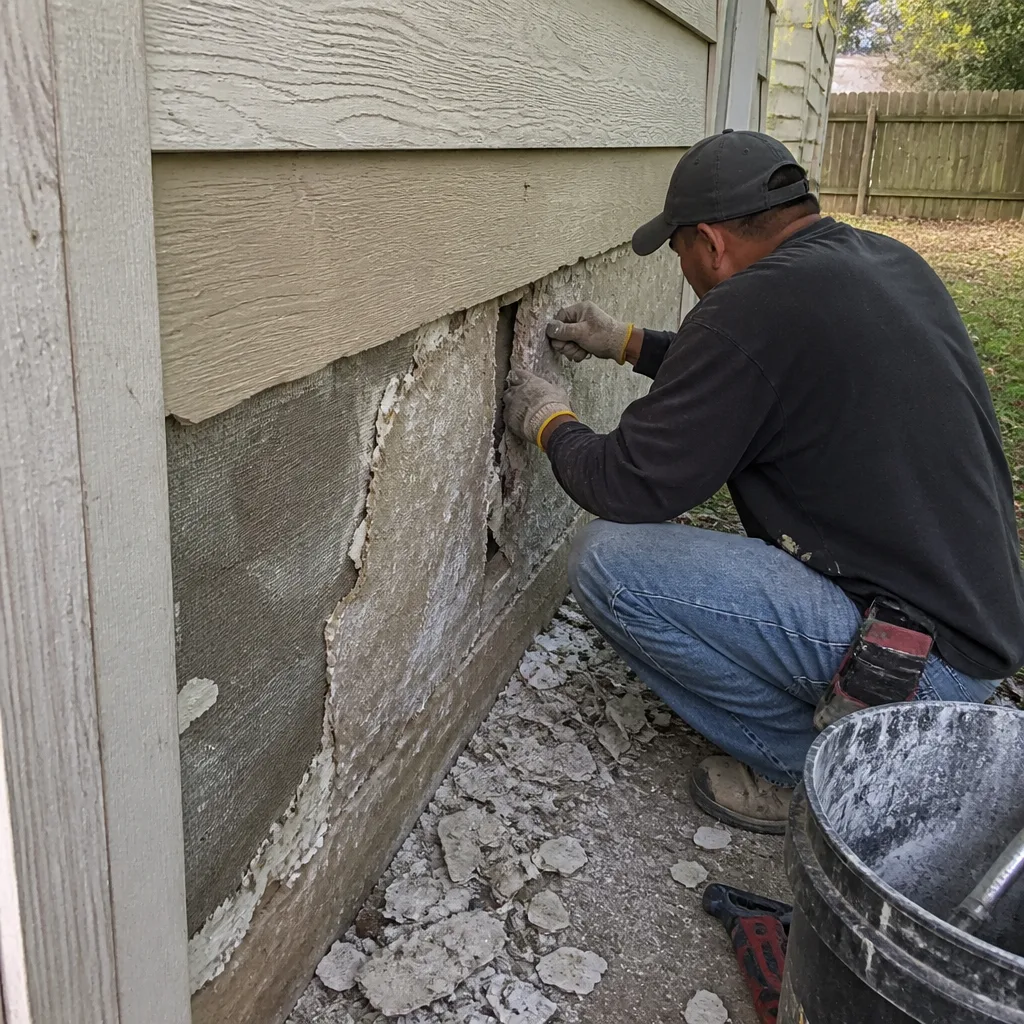 Before
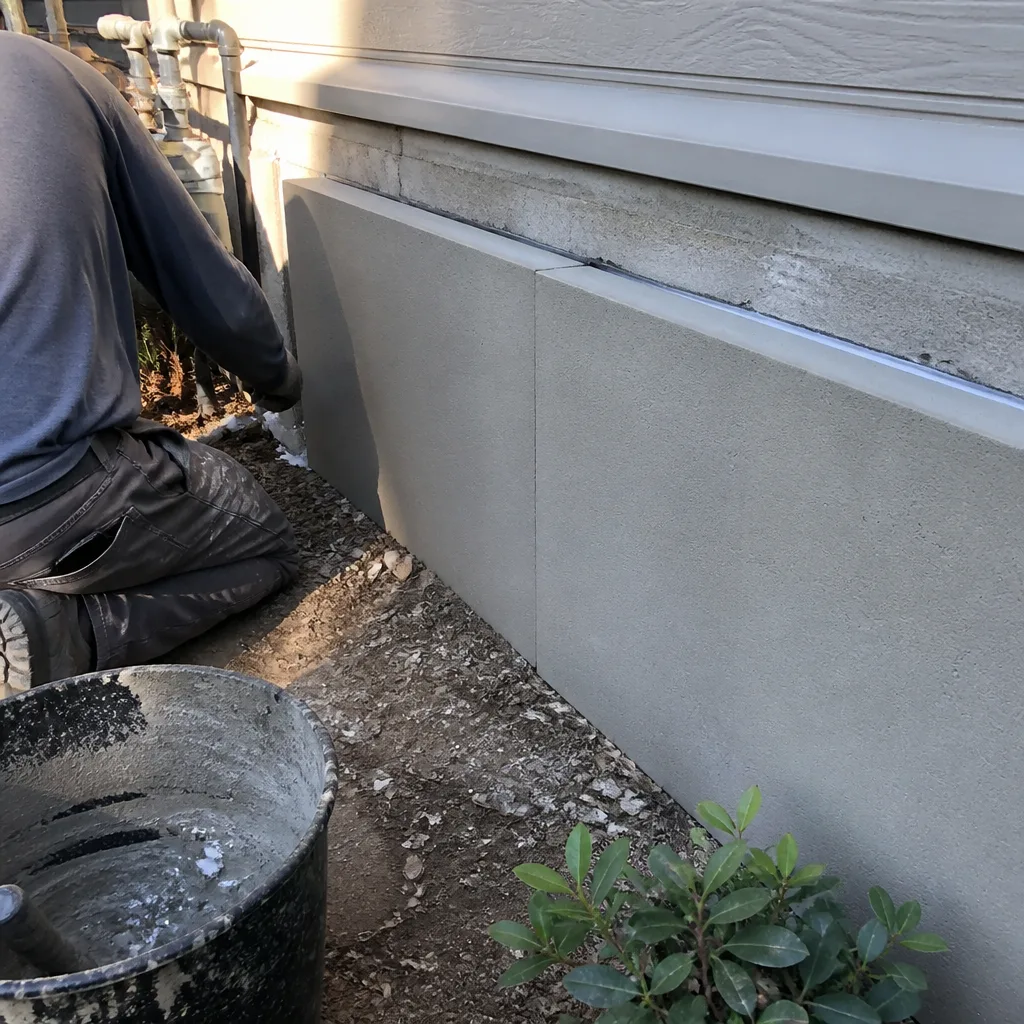 After
AfterCrawl Space Encapsulation & Vapor Barrier in Austin
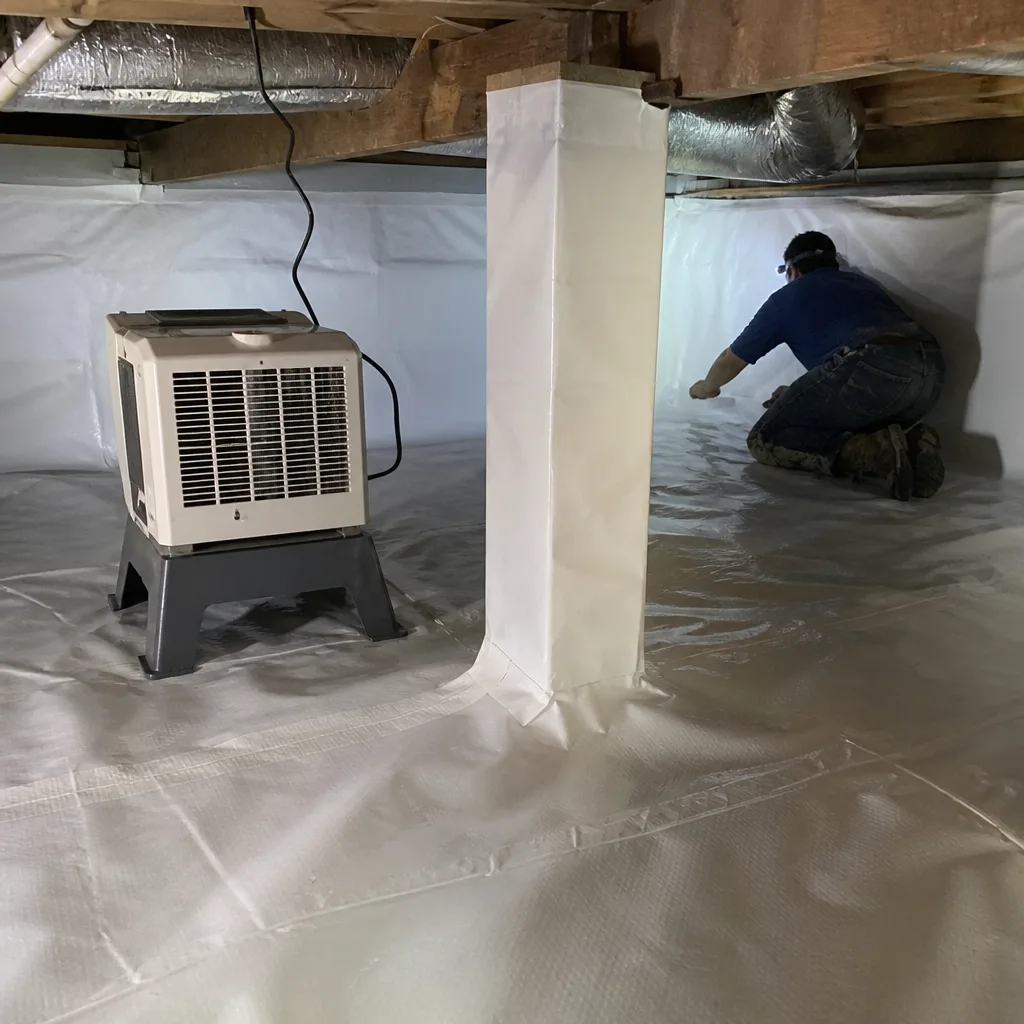
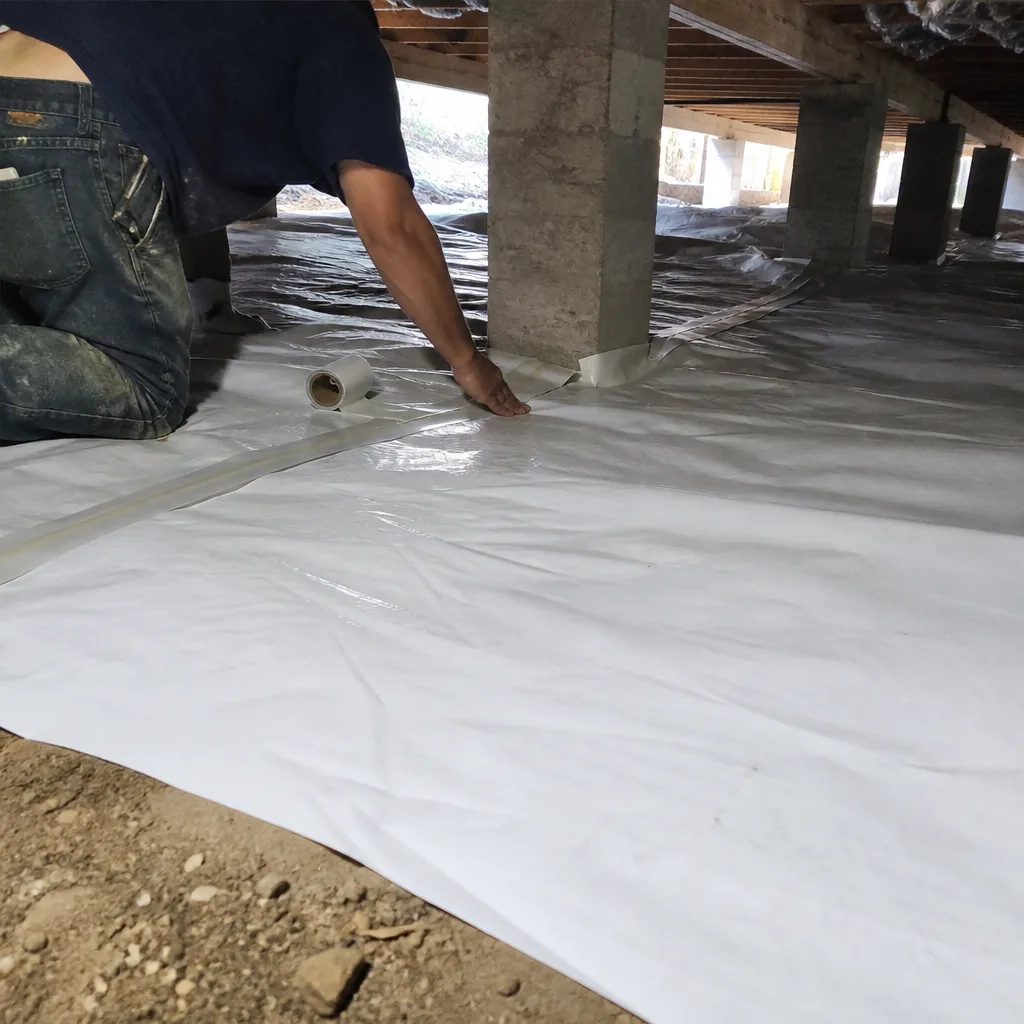
In Austin’s central neighborhoods, pier-and-beam homes from the 1920s through 1960s sit on crawl spaces that were never designed for modern humidity loads. The combination of Gulf moisture pushing in from the east and limestone bedrock limiting drainage means crawl spaces in Hyde Park and Cherrywood regularly show 70-80% relative humidity year-round, even when the house above feels dry. Crawl Space Encapsulation & Vapor Barrier is often the only way to stop floor system rot and indoor air quality problems at their source.
Crawl Space Vapor Barrier
Signs you need it
Your crawl space needs a vapor barrier if the ground is bare soil or thin plastic, or if you notice musty odors rising through floor registers in summer.
What it costs in Austin
A 6-mil to 20-mil vapor barrier installed over bare ground in a typical central Austin pier-and-beam crawl space runs $2,800-$4,200.
How we do it
We remove debris, grade the soil, seam-seal the barrier at all penetrations, and mechanically fasten it to foundation walls before inspecting with the homeowner.
Crawl Space Encapsulation
Signs you need it
Full encapsulation becomes necessary when fiberglass batts are sagging and blackened, or when hardwood floors cup seasonally despite normal indoor humidity.
What it costs in Austin
Complete encapsulation with sealed vapor barrier, wall insulation, and conditioned air supply for a typical Austin crawl space ranges $4,500-$6,500.
How we do it
We install the vapor barrier, seal rim joists and sill plates, insulate foundation walls, add a dehumidifier if needed, and deliver before-and-after humidity readings.
What Crawl Space Encapsulation & Vapor Barrier Costs in Austin
| Item | Typical range in Austin |
|---|---|
| Vapor barrier (ground only) | $2,800 - $4,200 |
| Full encapsulation | $4,500 - $6,500 |
| Crawl space insulation add-on | $1,200 - $2,800 |
How long does crawl space encapsulation take in Austin?
Most vapor barrier jobs finish in one day; full encapsulations with wall insulation and dehumidification take two to three days. We schedule around Austin’s spring storm season to avoid working in standing water. Call (737) 252-7159 for a written price and timeline.
Will encapsulation help with Austin’s humidity?
Yes - a properly sealed crawl space with dehumidification typically holds 45-55% relative humidity even when outdoor humidity exceeds 80%. We document the before-and-after readings so you can verify the result.
Radiant Barrier Installation in Austin
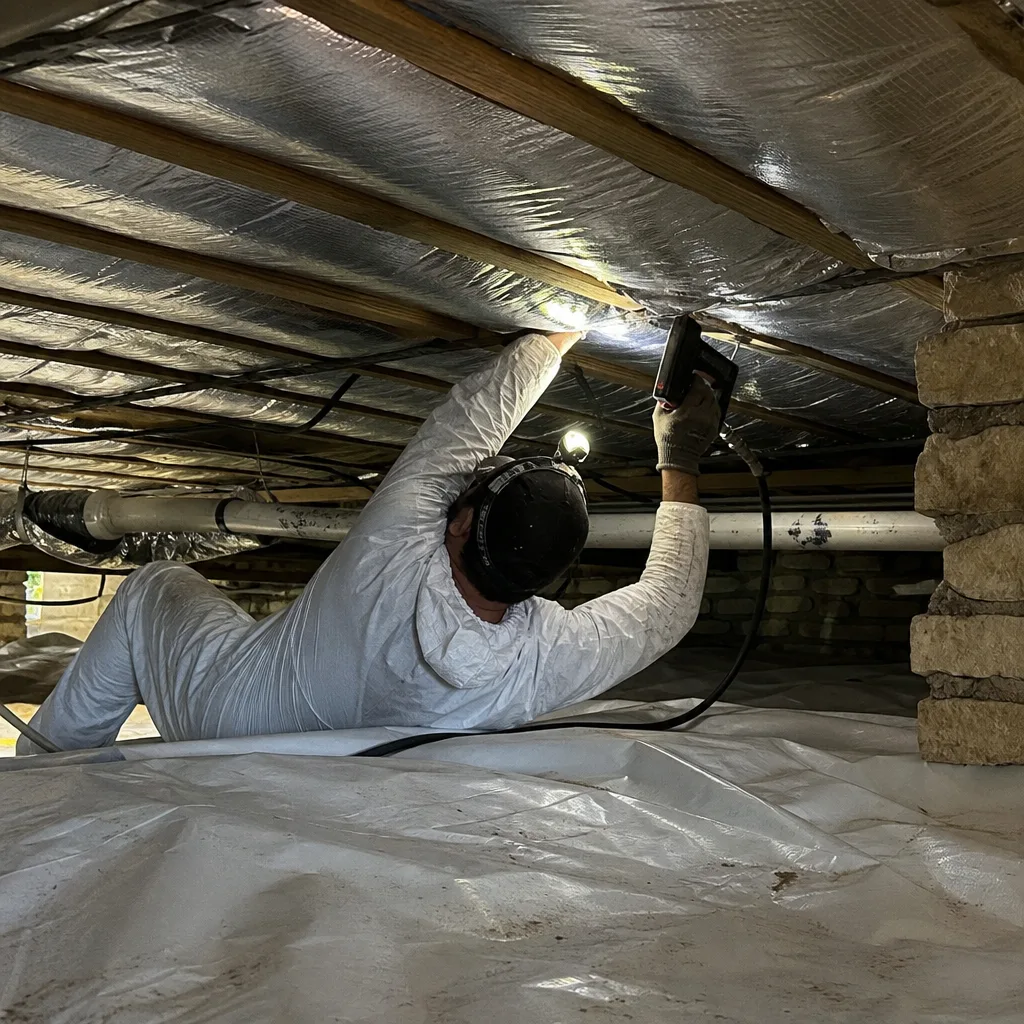
Austin’s 60-90 days above 95°F make radiant barrier installation one of the fastest-payback envelope upgrades available. In unventilated attics reaching 140-160°F, a properly installed radiant barrier can reduce ceiling heat gain by 20-35%, which matters enormously in 1960s ranch homes with R-19 or less overhead. Radiant Barrier Installation is particularly effective when paired with attic air sealing, since convective heat transfer through leaks undermines reflective performance.
Attic Radiant Barrier
Signs you need it
Your attic needs a radiant barrier if second-story rooms stay uncomfortably hot after sunset or if your AC runs continuously on 100°F days despite adequate insulation depth.
What it costs in Austin
Radiant barrier installed to attic rafters or truss chords in a typical Austin home runs $1,800-$3,200.
How we do it
We staple perforated foil to rafter bottoms or lay it over existing insulation, maintaining proper ventilation gaps and avoiding compression that would eliminate the air space the barrier requires.
Radiant Barrier & Ventilation
Signs you need it
Combine radiant barrier with ventilation upgrades if your attic has no ridge vent, blocked soffits, or if bathroom fans dump moist air directly into the space.
What it costs in Austin
Radiant barrier plus balanced ventilation installation in Austin typically ranges $2,800-$4,500.
How we do it
We install the barrier, add or clear soffit vents, install ridge or powered vents as appropriate, and verify airflow with a smoke pencil before closing the job.
What Radiant Barrier Installation Costs in Austin
| Item | Typical range in Austin |
|---|---|
| Attic radiant barrier (foil) | $1,800 - $3,200 |
| Radiant barrier with ventilation | $2,800 - $4,500 |
| Radiant barrier roof deck (new construction) | $2,200 - $3,800 |
Does radiant barrier work with spray foam?
No - radiant barrier requires an air gap to function, and spray foam applied to roof decks eliminates that gap. In conditioned attics, we skip the barrier and rely on foam’s R-value and air-sealing performance instead.
How much will my cooling bill drop?
Most Austin homeowners see 5-15% cooling savings after radiant barrier installation, with the highest returns in homes with dark shingles, poor attic ventilation, and minimal existing insulation. We measure the starting attic temperature and blower-door reading so you have baseline data.
Insulation Removal & Replacement in Austin
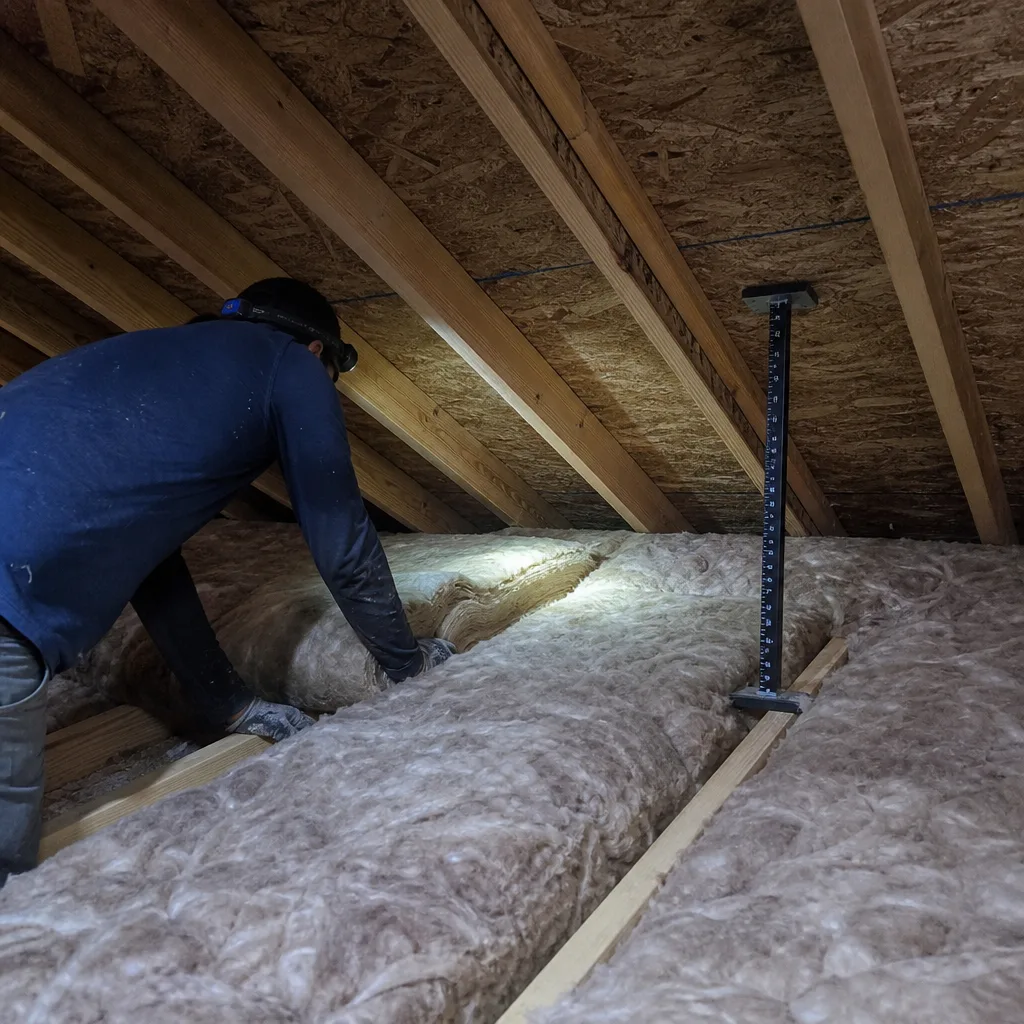
Central Austin’s 1920s-1960s housing stock often contains insulation that has collapsed, compacted, or been compromised by rodents, roof leaks, or decades of dust accumulation. In Crestview and Allandale, we’ve pulled out original rock wool batts that disintegrate on contact, and in some pier-and-beam homes found floor cavities entirely empty where batts once sat. Insulation Removal & Replacement begins with a documented photo record of what we find, followed by safe extraction and disposal before any new material goes in.
Attic Insulation Removal
Signs you need it
Remove attic insulation when you see widespread compression below the joist tops, water staining, or evidence of rodent nesting throughout the material.
What it costs in Austin
Attic insulation removal and disposal for a typical Austin home runs $1,800-$3,500 depending on access constraints and contamination level.
How we do it
We contain the attic opening with negative air pressure, remove material with industrial vacuums, bag it for proper disposal, and photograph the bare deck before proceeding.
Contaminated Insulation Removal
Signs you need it
Contaminated removal is necessary when insulation shows rodent droppings, mold growth, or sewage backup from overhead drain leaks.
What it costs in Austin
Contaminated insulation removal with full PPE, HEPA containment, and sanitizing in Austin ranges $3,200-$5,800.
How we do it
We establish containment, remove material under negative pressure, apply antimicrobial treatment to exposed surfaces, and provide clearance documentation before reinsulating.
What Insulation Removal & Replacement Costs in Austin
| Item | Typical range in Austin |
|---|---|
| Standard attic removal | $1,800 - $3,500 |
| Contaminated removal | $3,200 - $5,800 |
| Removal + replacement package | $4,500 - $8,200 |
Can you remove insulation with asbestos?
We do not handle asbestos-containing material; if we suspect vermiculite or pre-1980 batt insulation, we pause work and refer you to a licensed abatement contractor. We resume with replacement only after receiving written clearance.
How long does removal take?
Most attic removals finish in one day; contaminated jobs with full containment take two days. We schedule replacement for the following day so your home is never uninsulated overnight. Call (737) 252-7159 to coordinate timing.
Attic Air Sealing in Austin
Austin Energy’s stricter air-sealing requirements mean that insulation contractors inside city limits must achieve lower blower-door numbers than state minimums, making attic air sealing non-negotiable before adding any insulation. In Austin’s 1950s-1960s ranches, we routinely measure 4,000-5,500 CFM50 before sealing and cut that by 40-60% after addressing top plates, can lights, and duct boots. Attic Air Sealing is the foundation of every job we do; we will not blow insulation over an unsealed attic floor.
Top Plate & Penetration Sealing
Signs you need it
Your top plates need sealing if you feel drafts at interior wall outlets on windy days or if your blower-door test shows excessive leakage at the attic floor.
What it costs in Austin
Top plate and penetration sealing for a typical Austin home runs $1,200-$2,400 as a standalone service.
How we do it
We locate every top plate gap, wire penetration, and plumbing stack with a smoke pencil, seal with fire-rated caulk or foam, and verify with a post-sealing blower-door test.
Can Light & Duct Boot Sealing
Signs you need it
Seal can lights and duct boots when you see dirty insulation patterns around recessed fixtures or when supply registers blow attic-temperature air before the AC kicks on.
What it costs in Austin
Can light and duct boot sealing in Austin typically ranges $800-$1,800 depending on fixture count and accessibility.
How we do it
We install fire-rated covers over IC and non-IC can lights, mastic-seal duct boots to drywall, and pressure-test the duct system to confirm no attic air is entering the conditioned space.
What Attic Air Sealing Costs in Austin
| Item | Typical range in Austin |
|---|---|
| Top plate & penetration sealing | $1,200 - $2,400 |
| Can light & duct boot sealing | $800 - $1,800 |
| Full attic air sealing package | $2,200 - $4,200 |
Is attic air sealing required by Austin Energy?
Austin Energy’s efficiency programs and rebates require verified air-sealing performance, and their inspectors check for sealed top plates and penetrations. We provide the blower-door documentation you need for rebate submission.
Can air sealing alone lower my bills?
Yes - we’ve seen 15-25% cooling reductions in Austin homes after air sealing alone, though we typically recommend pairing it with insulation replacement for maximum effect. The blower-door numbers show exactly what you paid for.
Wall Insulation in Austin
Austin’s pier-and-beam bungalows and 1960s ranch homes often have empty exterior wall cavities or compressed batts that settled decades ago, while the city’s rapid infill of townhomes and ADUs demands high-performance wall assemblies to meet Austin Energy code. We approach wall insulation differently for each era: injection foam for existing closed cavities, and dense-pack or spray foam for open walls during renovation. Wall Insulation in Austin requires understanding whether your home has plaster, drywall, or exterior sheathing that affects material choice and installation method.
Injection Foam Wall Insulation
Signs you need it
Injection foam makes sense when exterior walls feel hot to the touch in summer, or when you can drop a marble down the cavity from an outlet box with no resistance.
What it costs in Austin
Injection foam for exterior walls in a typical Austin home runs $3,500-$6,500 depending on wall area and cavity condition.
How we do it
We drill 2-inch holes at stud bay intervals, inject slow-rise foam that fills without bowing drywall, patch with matching texture, and verify fill with thermal imaging.
Drill & Fill Wall Insulation
Signs you need it
Drill and fill with cellulose or fiberglass works well for homes with settled batts where you want improved R-value without the cost of full foam injection.
What it costs in Austin
Drill and fill wall insulation in Austin typically ranges $2,800-$5,200 for a complete home.
How we do it
We drill access holes, dense-pack cellulose from GreenFiber or fiberglass to 3.5 pounds per cubic foot, patch walls, and spot-check density with core samples.
What Wall Insulation Costs in Austin
| Item | Typical range in Austin |
|---|---|
| Injection foam walls | $3,500 - $6,500 |
| Drill & fill (cellulose/fiberglass) | $2,800 - $5,200 |
| Exterior wall insulation (open wall) | $4,200 - $7,800 |
Will injection foam damage my walls?
We use slow-rise formulations specifically rated for existing walls, and we drill at stud bay centers to avoid electrical and plumbing. In 15 years we’ve had zero wall blowouts in Austin homes.
Can you insulate walls without removing drywall?
Injection foam and dense-pack cellulose both install through small exterior or interior holes that we patch and texture-match. Full drywall removal is only necessary for spray foam or if we’re also rewiring or replumbing.
Attic Cleaning & Rodent Proofing in Austin
Austin’s combination of mature tree canopy, limestone geology, and pier-and-beam construction creates ideal rodent highway conditions: roof rats travel oak branches to soffits, then nest in attics with easy floor-cavity access. In Allandale and Crestview, we’ve documented attits with decade-old droppings compacted into original insulation, active trails along joists, and chewed wiring that posed fire hazards. Attic Cleaning & Rodent Proofing addresses both the contamination and the entry points, with a photo record of every finding.
Attic Cleanout & Sanitizing
Signs you need it
You need attic cleaning when you hear scratching at night, find droppings in insulation, or notice a persistent organic odor that worsens in summer heat.
What it costs in Austin
Attic cleanout with removal of contaminated insulation, HEPA vacuuming, and sanitizing in Austin runs $2,200-$4,500.
How we do it
We remove all material, HEPA-vacuum every surface, apply enzyme-based sanitizer, and photograph the clean deck before discussing reinsulation or rodent proofing.
Rodent Proofing & Exclusion
Signs you need it
Rodent proofing is necessary when you find gnawed soffit vents, gaping roof returns, or trails of grease marks along joists indicating active traffic.
What it costs in Austin
Comprehensive rodent exclusion for a typical Austin home ranges $1,800-$3,800 depending on entry point count and roof complexity.
How we do it
We inspect every roof penetration, seal with rodent-proof materials, install hardware cloth over vents, and provide a written warranty on our exclusion work.
What Attic Cleaning & Rodent Proofing Costs in Austin
| Item | Typical range in Austin |
|---|---|
| Attic cleanout & sanitizing | $2,200 - $4,500 |
| Rodent proofing & exclusion | $1,800 - $3,800 |
| Full restoration (cleanout + proofing + insulation) | $5,500 - $9,200 |
How do I know rodents are gone before you reinsulate?
We set monitoring devices, seal all entry points, and wait for a two-week clear period before installing new insulation. Reinsulating over active infestation wastes your money and creates a future removal job.
Does homeowners insurance cover rodent damage?
Most policies exclude rodent damage explicitly, though some cover chewed wiring if it causes a fire. We document everything photographically so you have evidence if your adjuster makes an exception. Call (737) 252-7159 to schedule inspection.
Home Energy Audit in Austin
A home energy audit in Austin is the only way to prioritize envelope spending when every zone seems to need work simultaneously. With Austin Energy’s rebate programs requiring pre- and post-improvement documentation, a professional audit with blower-door testing, thermal imaging, and duct leakage measurement gives you the data to claim incentives and verify results. Home Energy Audit from Envelope Insulation Co. includes a written scope with prioritized recommendations and flat pricing for each item.
Blower Door Test
Signs you need it
Schedule a blower-door test when your home feels drafty despite new windows, or when you’re considering insulation but don’t know where the biggest leaks are.
What it costs in Austin
A standalone blower-door test with written report in Austin runs $350-$550; it’s included free with any insulation proposal we write.
How we do it
We install a calibrated fan in an exterior door, depressurize the house to 50 Pascals, and use a smoke pencil to locate leakage paths while the manometer records total CFM50.
Thermal Imaging Inspection
Signs you need it
Thermal imaging reveals hidden problems when you have uneven room temperatures, suspect missing insulation behind walls, or need documentation for an Austin Energy rebate.
What it costs in Austin
Thermal imaging as part of a full audit runs $450-$750; we include it with every blower-door test we perform.
How we do it
We scan every surface with a FLIR camera during blower-door depressurization to make air leaks visible, then annotate images with temperature differentials and recommended repairs.
What Home Energy Audit Costs in Austin
| Item | Typical range in Austin |
|---|---|
| Blower-door test with report | $350 - $550 |
| Full audit (blower door + thermal + duct test) | $450 - $750 |
| Audit with written scope and pricing | $550 - $950 |
Does Austin Energy require a specific auditor?
Austin Energy maintains a participating contractor list for rebate eligibility, and we meet their documentation requirements. We provide the blower-door and thermal imaging reports in their required format.
How soon after the audit can work start?
We deliver your written scope and flat pricing within 48 hours of the audit; work starts on your schedule, never before you’ve approved the price in writing. Under Haven Standard Clause 1, no work begins without your signature.
Brands We Service in Austin
We source insulation and air-sealing materials from Owens Corning, Johns Manville, Knauf, Rockwool, CertainTeed, Icynene, Demilec, and GreenFiber - no proprietary lock-in means we specify what’s right for your home’s conditions and your budget. Our Austin office stocks common batt and blown-in sizes for same-day starts on standard jobs. our brands
Pricing for Insulation in Austin, TX
| Service | Typical range in Austin |
|---|---|
| Crawl space vapor barrier | $2,800 - $4,200 |
| Crawl space encapsulation | $4,500 - $6,500 |
| Attic radiant barrier | $1,800 - $3,200 |
| Radiant barrier with ventilation | $2,800 - $4,500 |
| Attic insulation removal | $1,800 - $3,500 |
| Contaminated insulation removal | $3,200 - $5,800 |
| Top plate & penetration sealing | $1,200 - $2,400 |
| Full attic air sealing | $2,200 - $4,200 |
| Injection foam wall insulation | $3,500 - $6,500 |
| Drill & fill wall insulation | $2,800 - $5,200 |
| Attic cleanout & sanitizing | $2,200 - $4,500 |
| Home energy audit (full) | $450 - $750 |
Prices in Austin run higher than state averages when homes require multi-zone retrofits - common in central Austin’s pier-and-beam stock - or when Austin Energy’s stricter standards demand additional air-sealing detail. Every job starts with a written price before any work starts; no exceptions, no surprises.
Neighborhoods We Serve in Austin
Our crews work throughout Austin’s core and suburban ring, with same-day response available for most central and north-central neighborhoods. Dispatch is coordinated from our Austin office to minimize drive time and keep appointments on schedule.
- Hyde Park
- Cherrywood
- Crestview
- Allandale
- Circle C Ranch
Service Area - Cities Near Austin
We serve the full Austin metro including Pflugerville, TX, Cedar Park, TX, Round Rock, TX, and Hutto, TX. Note that Austin Energy’s stricter standards apply only within city limits; homes in these surrounding cities follow Texas state minimums, which affects both permit requirements and rebate eligibility.
Serving Austin, TX - Our Local Coverage Area
We’re based in the Austin area and know this community well. Use the map below to see our service coverage - if you’re nearby, we can almost certainly help.
FAQs About Insulation in Austin
Yes - Austin requires permits for insulation replacement in attics and walls, and Austin Energy may inspect for compliance with their enhanced standards. We pull permits as part of our standard process and include the cost in your written price.
Our Austin office dispatches crews same-day or next-day for most service requests; energy audits typically schedule within 48 hours. A live person answers calls 24/7, so you’ll never wait for a callback window.
Yes - we document every job with blower-door readings and photos in the format Austin Energy requires. We meet their air-sealing and R-value standards, which exceed state minimums, so your rebate submission has the verification it needs.
Ready for a written price before any work starts? Call (737) 252-7159 for a free estimate. We’ll schedule a blower-door test, show you exactly what your home is losing, and deliver a flat price with a written scope and warranty - Haven Standard, no exceptions.
What happens when you call
- 1A real person answersNo phone trees - talk to a local insulation pro.
- 2You get an upfront price rangeHonest numbers before anyone is dispatched. No surprises.
- 3A background-checked tech heads outLicensed & insured, typically within 30-60 min.
- 4You approve before work beginsNothing starts until you say go.
What Austin Customers Say
"They air-sealed the attic floor before insulating and showed me the blower-door number before and after. The upstairs is finally the same temperature as downstairs."
- Marisol D."Fixed price, clean work, and they hauled the old material away as agreed."
- Todd M."They photographed rodent damage in the old insulation that we had no idea about, and priced the exclusion work separately so we could decide."
- Harriet N.