
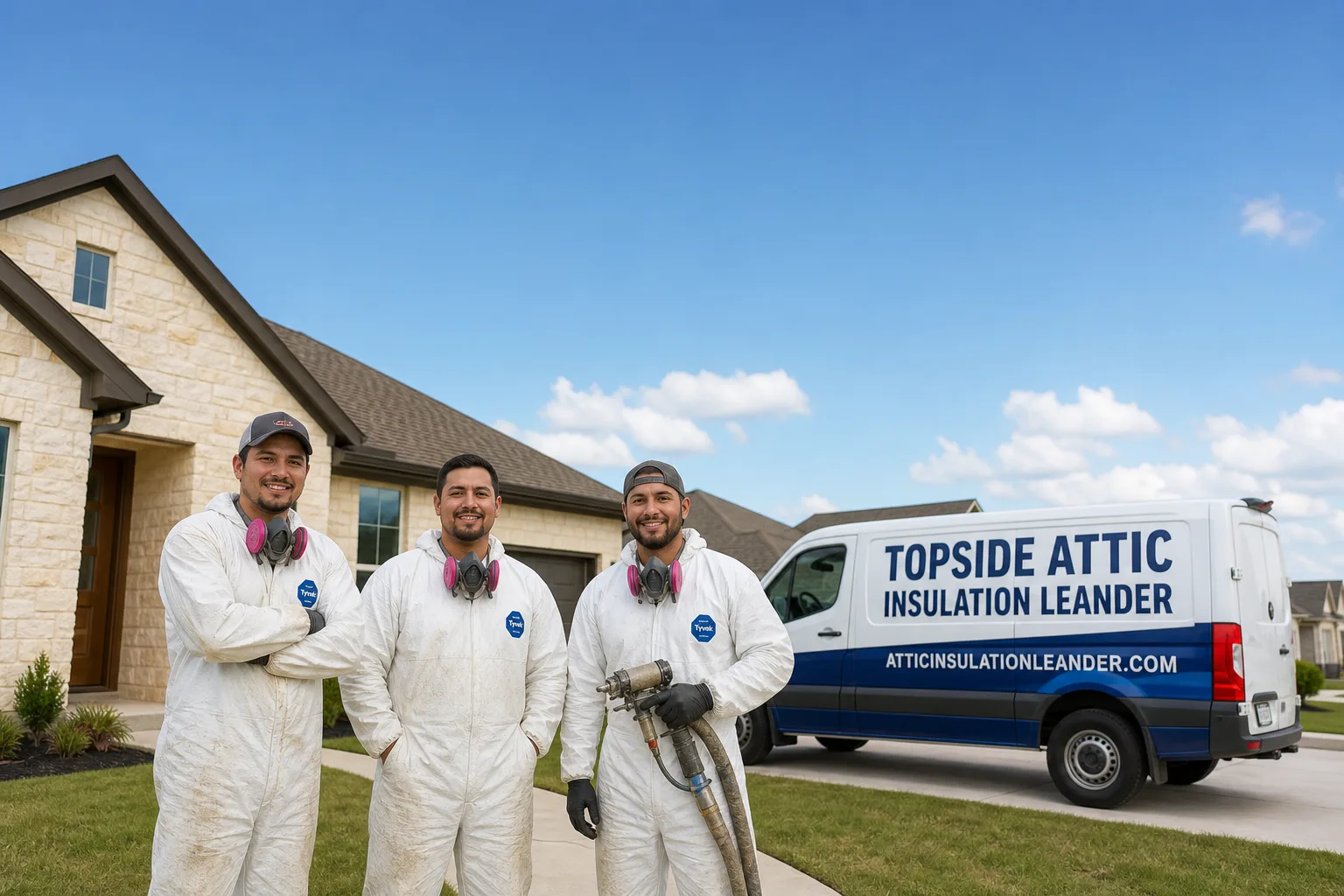
Fast, Reliable Attic Insulation Across Lakeway
Most attic insulation jobs in Lakeway run $2,800-$6,500 depending on whether we’re topping up existing material or stripping a 1970s vacation cabin and starting fresh. Our crews are in Lakeway regularly - dispatch coordinates from our Austin office, but the trucks that serve your neighborhood are already running Hill Country routes and can usually book next-day or same-week appointments. Call (737) 252-7159 for a written price before any work starts.
We know Lakeway’s split personality: the original 1960s lakeside resort homes built for weekend escapes, and the post-2000 custom builds in Rough Hollow and Serene Hills that expect performance-grade thermal envelopes. Both need very different approaches, and we’ve sealed and insulated both since 2016.
Why Topside Attic Insulation Leander Is Lakeway’s Preferred Attic Insulation Company
We’ve completed work in the original Lakeway subdivision, Rough Hollow, Serene Hills, and the low-density pockets along Lohmans Crossing and Lakeway Boulevard. Our Lakeway customers leave reviews that mention the same things: the crew showed up on time, the price on the page matched the invoice, and the photo documentation showed exactly what changed in their attic.
Response time to Lakeway is typically next-day for standard appointments and same-day for urgent cases - a ceiling hot enough to touch in August or visible moisture staining after a humid stretch. Our technicians are background-checked and uniformed, and when we text that we’re on the way, the name in that message is the person who’ll walk your attic.
What separates us in Lakeway specifically is that we understand the conversion-era housing stock. A contractor from Cedar Park or Round Rock sees standard suburban construction; we see homes that were never meant to be lived in year-round, now baking under 150°F attic temperatures with insulation that was optional in 1972. That context changes every recommendation we make.
Our Attic Insulation Services in Lakeway
Blown-In Attic Insulation
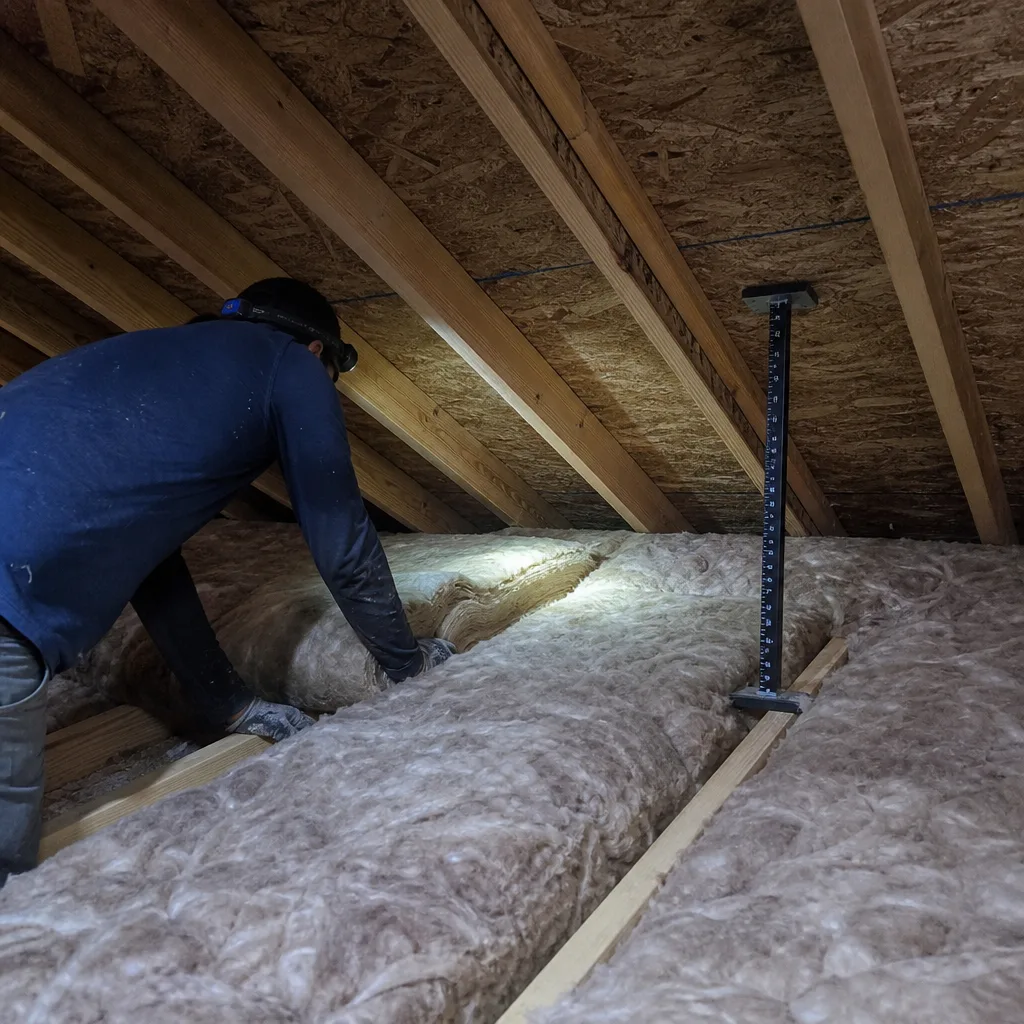
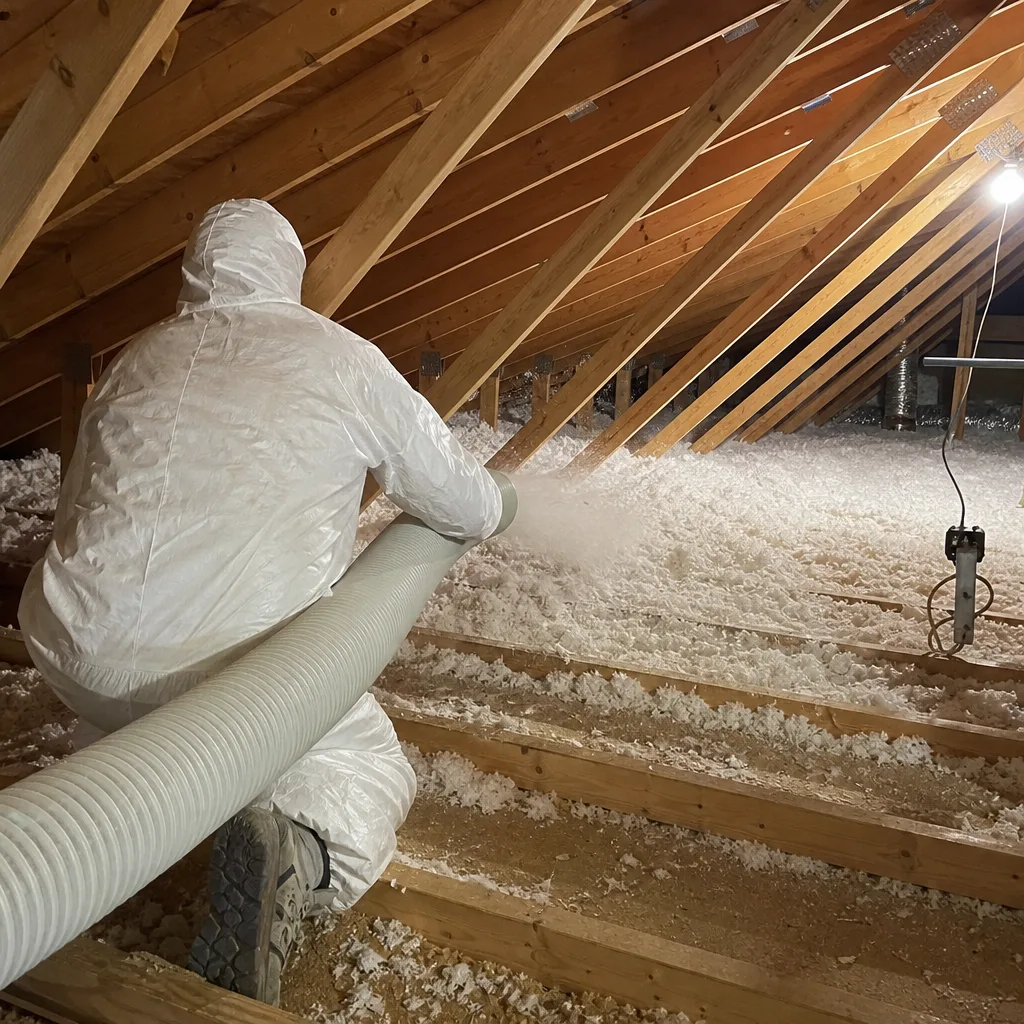
Blown-in fiberglass or cellulose is our most common fix for Lakeway’s original vacation-era homes with flat or low-slope ceilings and open attic floors. We use Owens Corning and GreenFiber materials, blown to consistent depth with marked rulers visible across the joist bays. In Rough Hollow, we often pair blown-in with targeted air sealing of top plates and can-light penetrations first - because blowing insulation over an unsealed attic floor is something we simply don’t do. The blower-door test, a pressurization reading that shows in one number how much conditioned air your home is losing, proves the sealing worked before any insulation goes in.
Attic Batt Insulation
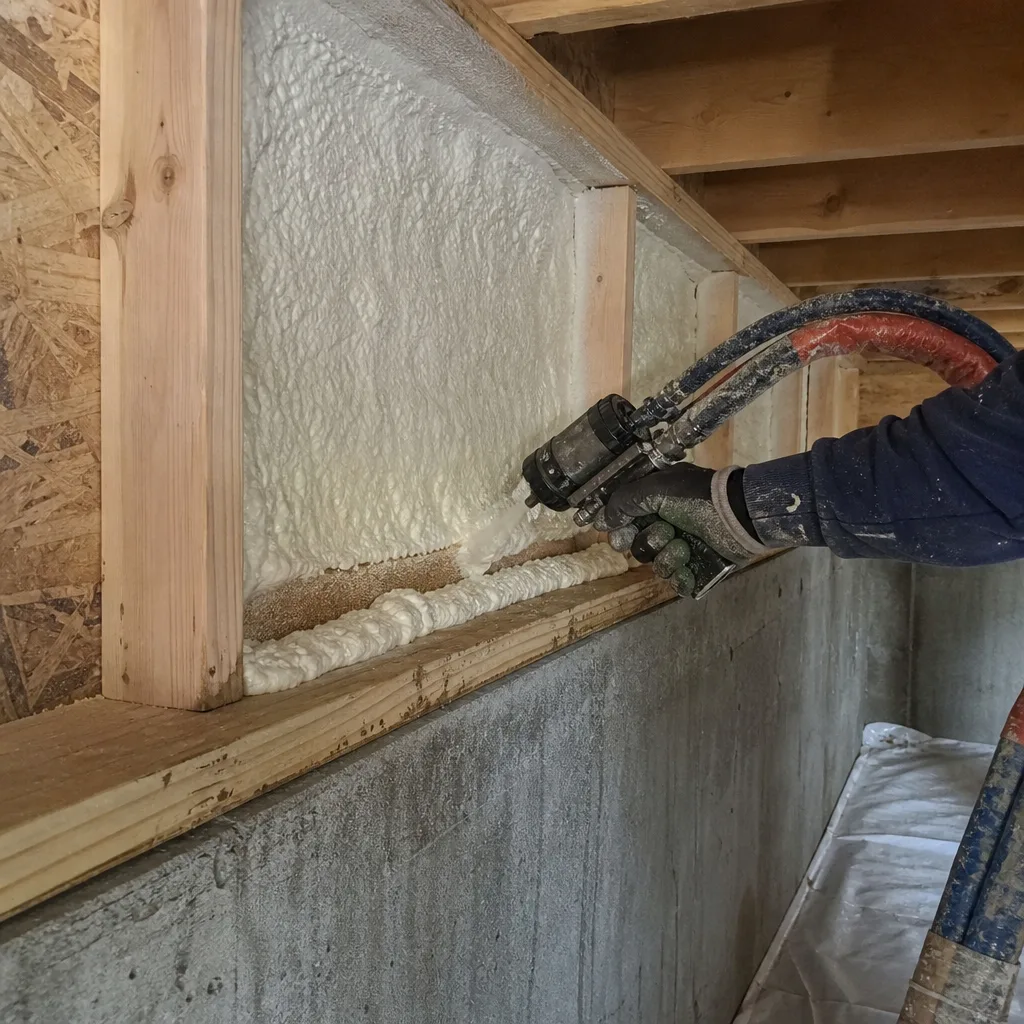
Batt insulation still has a place in Lakeway’s newer construction and in selective replacement jobs where we’re matching existing material or working in confined knee-wall spaces. We source batts from Owens Corning and Johns Manville, cut to fit without compression gaps, and never lay new batts over old, compressed ones. In Serene Hills homes with finished bonus rooms, we often use batts in combination with dense-pack approaches for the sloped ceiling sections where blown-in won’t hold position.
Attic Insulation Top-Up
This is the service we perform most often in Lakeway’s 1980s and 1990s buildouts - homes that have some insulation, just not enough for Central Texas summers. A typical top-up in Lakeway runs $2,800-$4,200 and brings existing flat-ceiling attics from R-19 or R-22 up to R-38 or R-49. But we always inspect first. In the original Lakeway subdivision, we’ve found “top-up” jobs that were actually full replacements waiting to happen - 1970s batts compressed to R-8 or lower, sometimes with rodent damage or moisture staining that makes adding new material pointless. We photograph everything and show you before we quote.
Attic Insulation Replacement
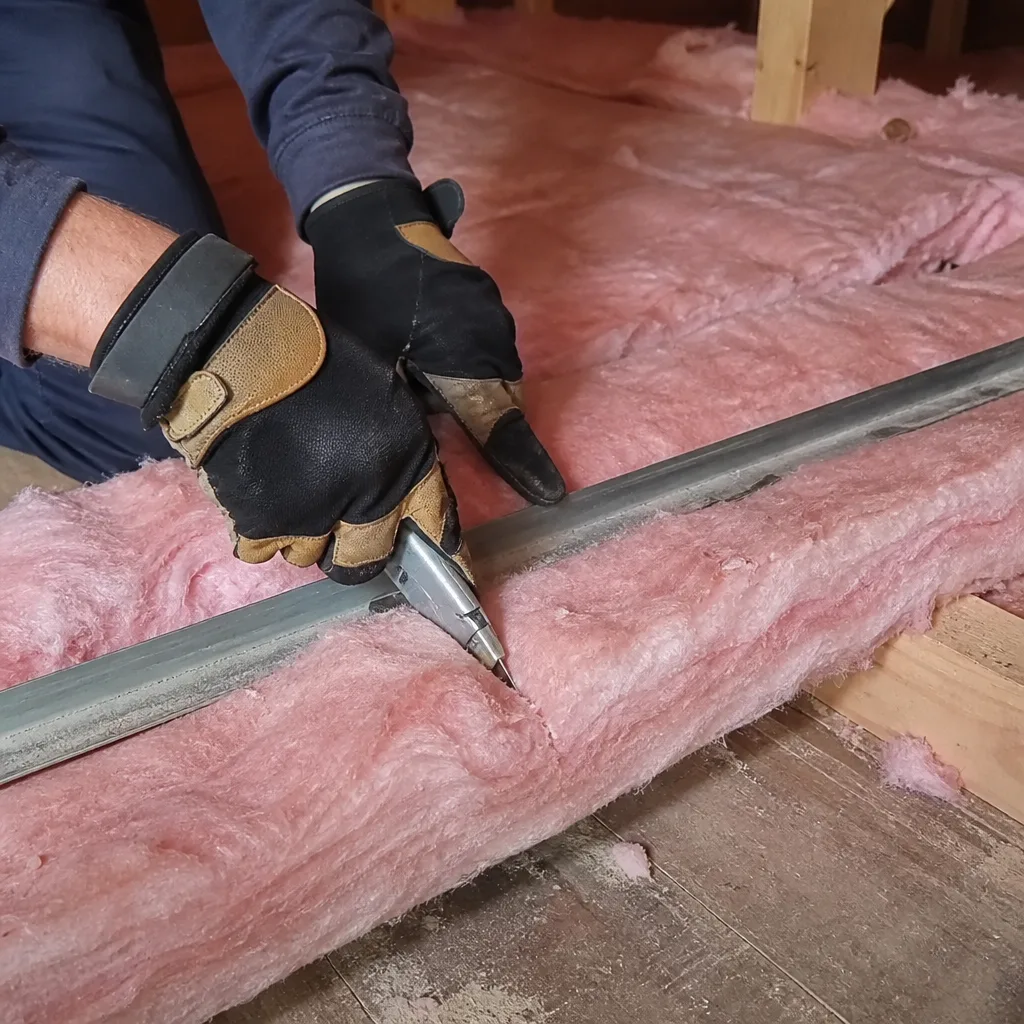
When the existing material is compromised - compressed, mold-affected, or simply absent - we strip it out, dispose of it properly, and rebuild the thermal layer from the sheathing down. Full replacement in Lakeway typically runs $4,500-$6,500 for homes in the 2,000-3,500 square foot range. This is almost always the right call for the original 1960s-1970s resort cabins that were never properly insulated in the first place. We air seal first, then insulate, in that order. Every time.
Attic Baffles & Ventilation Prep
Lakeway’s Lake Travis proximity means humidity management isn’t optional. Baffles - the chutes we install at eaves to maintain airflow from soffit vents up through the attic - prevent wind-washing (where incoming air scours away loose insulation) and stop moist outdoor air from condensing against cool ceiling drywall. In low-slope original Lakeway roofs, baffle installation is often the difference between a dry attic and August ceiling stains. We install baffles as standard prep on every blown-in job where eave ventilation exists, and we note in writing when it doesn’t so you know what you’re working with.
What happens when you call
- 1
A real person answersNo phone trees - you reach a local pro.
- 2
You get an upfront price rangeHonest numbers before anyone is dispatched.
- 3
A background-checked tech heads outLicensed & insured, dispatched right away.
- 4
You approve before work beginsNothing starts until you say go.
 Before
 After
AfterTrusted Brands We Service in Lakeway
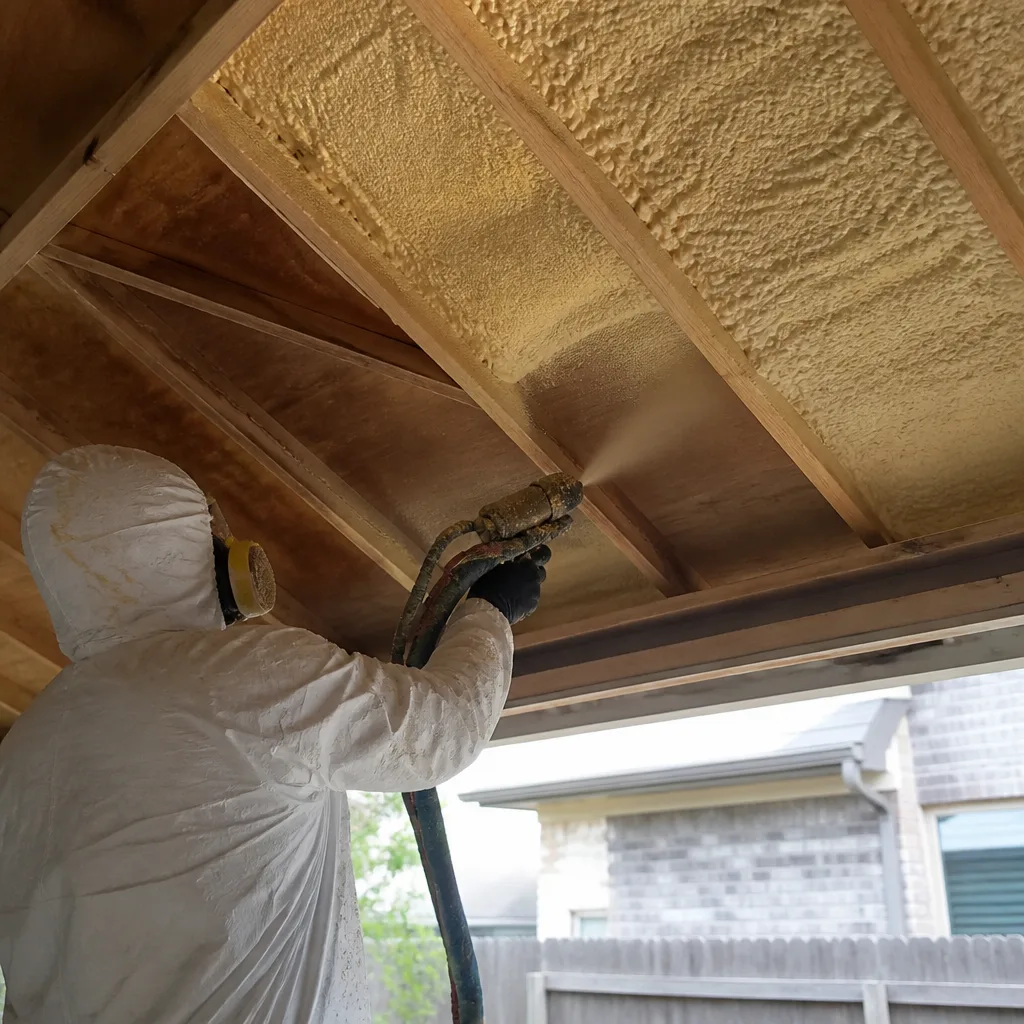
We source materials from Owens Corning, Johns Manville, Knauf, Icynene, Demilec, and GreenFiber - no proprietary lock-in, no house-brand substitutions. For Lakeway customers, this means we match the right material to the home, not the other way around. Owens Corning blown-in for standard flat-ceiling top-ups. Icynene or Demilec open-cell spray foam for Rough Hollow custom homes with complex rooflines and cathedral ceilings. GreenFiber cellulose where homeowners prefer recycled-content material with proven vapor-handling characteristics. We stock common products locally for fast turnaround, and we publish the brand name in your written scope so there’s no ambiguity about what goes in your attic.
Common Attic Insulation Problems We See in Lakeway Homes
- Zero or near-zero insulation in original vacation-era homes. The 1960s-1970s Lakeway resort cabins often have nothing between the ceiling drywall and the roof deck, or a single layer of deteriorated fiberglass batts that long ago compressed below R-10. Dark cedar-shake or tile roofs radiate heat downward all summer, and the ceiling plane becomes a radiant heater.
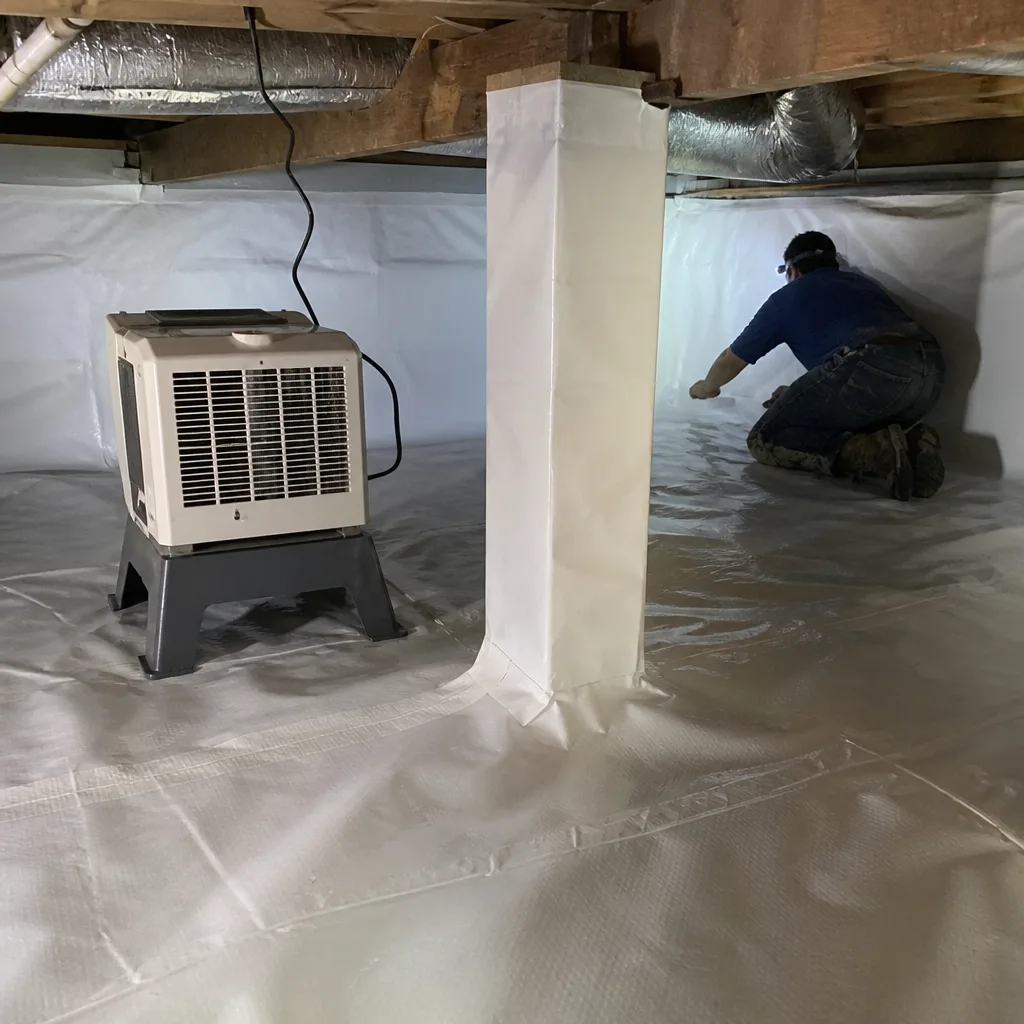
- Thermal bridging from pier-and-beam foundations on sloped limestone lots. Hill Country topography pushes many older Lakeway homes onto irregular lots with exposed stem walls and unconditioned crawl spaces. Attic insulation alone won’t fix the heat flow path through those stem walls; we flag this in our assessment and address it as part of a whole-envelope approach when needed.
- Vapor trapping in under-ventilated low-slope attics. Lake Travis humidity plus an attic that can’t breathe turns poorly installed blown-in or spray foam into a moisture trap. We’ve repaired jobs where the insulation was technically installed correctly but the ventilation prep was skipped, and by the second summer the ceiling drywall was staining.
- Wind-washing in homes with soffit vents but no baffles. Common in 1980s Lakeway buildouts where builders added vents for code but never installed chutes to protect the insulation. The incoming air scours the edges of blown-in material, creating cold spots in winter and hot zones in summer that homeowners feel as inconsistent room temperatures.
Pricing for Attic Insulation in Lakeway, TX
| Service | Typical Range in Lakeway |
|---|---|
| Attic Insulation Top-Up (flat ceiling, 2,000-3,000 sq ft home) | $2,800-$4,200 |
| Full Attic Insulation Replacement (strip and rebuild) | $4,500-$6,500 |
| Attic Baffles & Ventilation Prep (standalone) | $800-$1,400 |
| Spray Foam Insulation (open-cell, complex rooflines) | $5,500-$9,000 |
| Home Energy Audit with Blower-Door Test | $350-$500 |
What moves the number: attic square footage, existing material condition, accessibility (some Lakeway homes on steep lots have hatches we’d rather not send a crew through), and whether air sealing is needed before insulation. We don’t guess. We inspect, photograph, and deliver a written price before any work starts - Haven Standard Clause 1. Free second opinion on any written estimate you’ve already received. Call (737) 252-7159 to schedule.
We Also Serve Cities Near Lakeway
Our crews run regular routes through Leander, Cedar Park, Brushy Creek, and Jollyville. If you’re outside Lakeway city limits but in the Hill Country corridor west of Austin, we likely already have trucks in your area. Our Attic Insulation team coordinates scheduling from our Austin office to keep response times tight across the full service area.
Serving Lakeway, TX - Our Local Coverage Area
We’re based in the Lakeway area and know this community well. Use the map below to see our service coverage - if you’re nearby, we can almost certainly help.
FAQs - Attic Insulation in Lakeway
It usually needs full replacement. The 1970s fiberglass batts in original Lakeway vacation homes are typically compressed to R-8 or lower, often with rodent damage or moisture staining that makes topping up pointless. We inspect and photograph before quoting; if the existing material is compromised, we’ll show you exactly why and quote replacement with air sealing first. Call (737) 252-7159 for a free inspection and written price.
Yes. Hill Country topography creates thermal bridging through exposed stem walls and unconditioned crawl spaces that attic insulation alone cannot solve. We assess the whole envelope, not just the attic floor, and we’ll tell you upfront if stem-wall sealing or crawl space work needs to happen alongside the attic for the result to hold. Our written scope separates these items so you see exactly what each costs.
Dense-pack cellulose or open-cell spray foam, depending on the roof assembly. Cathedral ceilings with hidden soffit vents need baffles to maintain airflow channels, then insulation that fills the cavity without sagging. In Rough Hollow, we’ve used Owens Corning blown-in for flat-ceiling zones and dense-packed sloped sections with baffles at every eave - the field approach we documented on a low-pitched tile roof job where the builder had left attic floor open between soffits and finished ceiling. The measurable result: no more August condensation staining on ceiling drywall.
It affects the installation, not necessarily the material choice. High humidity near Lake Travis means vapor management is mandatory: proper baffles, adequate exhaust ventilation, and no shortcuts on air sealing. Blown-in cellulose handles moderate humidity well when installed with correct ventilation; spray foam creates its own air barrier but still needs the roof to breathe. We choose based on your roof geometry and budget, not on humidity alone. The wrong installation in either material traps moisture and stains drywall by year two.
Look for uneven room temperatures, a ceiling that’s hot to the touch in August, or energy bills that spike disproportionately to your neighbors’. But the only way to know for certain is to look. We provide free attic inspections with photo documentation - you’ll see exactly what’s up there, whether it’s nothing, compressed 1970s batts, or something a previous owner added. No obligation, just evidence. Call (737) 252-7159 to book.
Ready to fix the attic that’s been cooking your Lakeway home since the Johnson administration? Call (737) 252-7159 for a free inspection, written price, and documented photo record - or bring us any competitor’s written estimate for a free second opinion. Under Haven Standard: Have it in writing. Every job. No exceptions.
Written by Wes Okafor, Owner at Topside Attic Insulation Leander, serving Lakeway and the Hill Country corridor since 2016.