
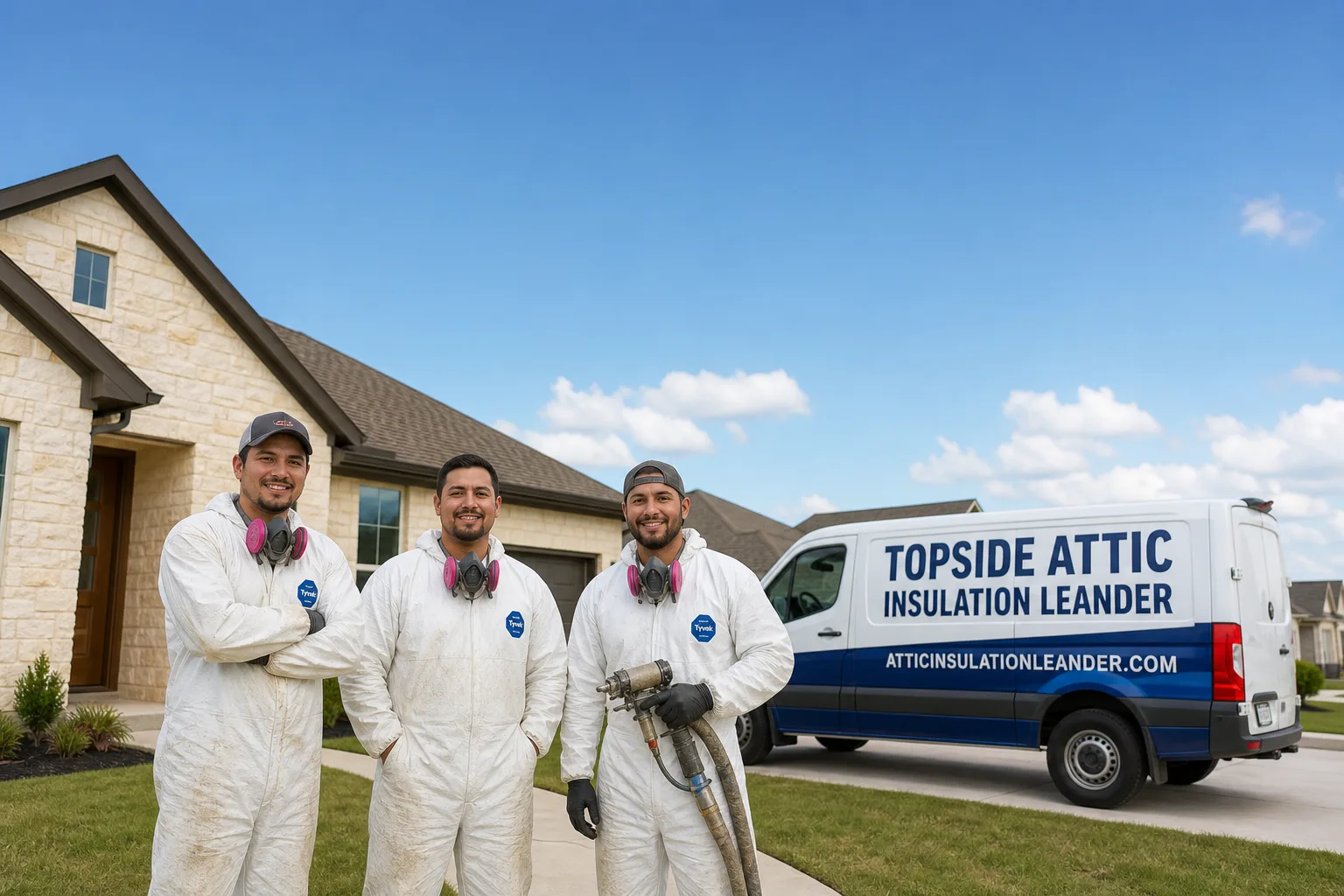
Fast, Reliable Blown-In Insulation Across Lakeway
Blown-in insulation in Lakeway typically runs $1.80-$3.20 per square foot of attic floor, with most complete attic jobs falling between $2,400 and $5,800 depending on whether we’re working over existing material or starting from a bare ceiling plane. Our crews dispatch to Lakeway from our Austin office and usually book next-day or two-day appointments for standard blown-in work, same-day for urgent heat-load failures in peak summer. Call (737) 252-7159 for a written price before any work starts.
We’ve been working the Lakeway market long enough to know the difference between a 1978 vacation conversion off Lakeway Blvd and a 2015 build in Rough Hollow. That distinction matters for your insulation spec, your vapor management, and how we stage the blower truck on your lot. Our Blown-In Insulation team treats every Lakeway job as its own envelope problem, not a template.
Why Topside Attic Insulation Leander Is Lakeway’s Preferred Blown-In Insulation Company
Lakeway homeowners find us through referral chains in the 78734 zip, particularly in the original subdivision and the Serene Hills corridor, where we’ve completed enough blown-in top-ups that neighbors recognize our trucks. Our reviews from Lakeway customers consistently note two things: we show up when scheduled, and we leave documentation - photos, blower-door numbers, written scope - that holds up when they sell or refinance.
Response time to Lakeway is typically next-day for blown-in cellulose or fiberglass top-ups, two days for dense-pack wall work that requires interior access planning. We coordinate dispatch from our Austin office, so we’re not guessing drive times on RM 620 or Bee Cave Parkway.
Local knowledge that actually changes the job: we know which original Lakeway lots have alley-only rear access too tight for standard blower trucks, which means we plan hose runs and staging before we arrive, not after we’ve blocked your neighbor’s driveway. We also know which post-2000 developments have HOA attic-access restrictions and which don’t.
Our Blown-In Insulation Services in Lakeway
Blown-In Cellulose
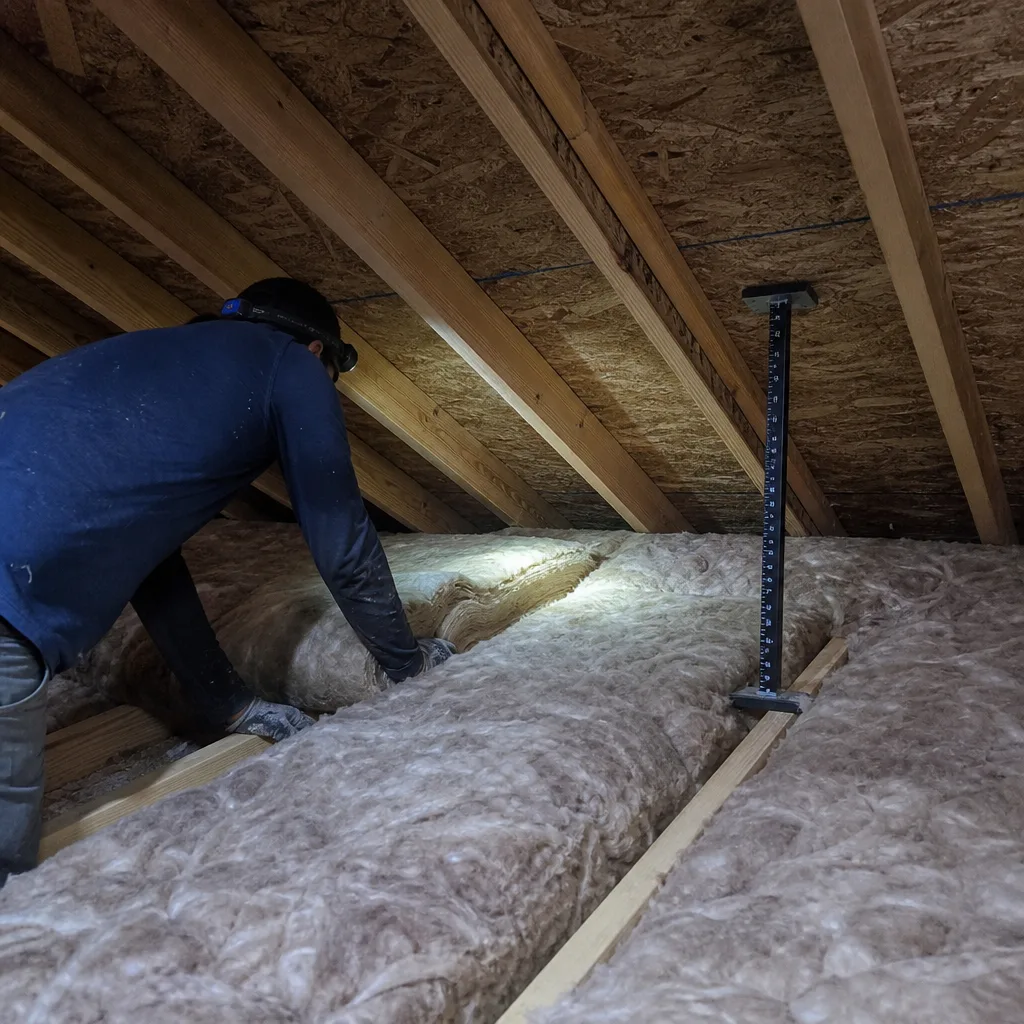
Blown-in cellulose is our most common spec for original Lakeway subdivision homes built as 1960s-1980s weekend cabins. The material - we frequently use GreenFiber - packs well into irregular framing and provides both thermal resistance and some air-flow resistance when installed at proper density. In Lakeway, we specify cellulose for homes with dark cedar-shake or tile roofs that drive attic temperatures above 150°F in July; the material’s higher density per inch versus loose fiberglass slows convective looping in those extreme delta-T conditions. We never blow cellulose over unsealed top plates or can-light penetrations - that’s how you get a filter, not an insulation layer.
Blown-In Fiberglass
Blown-in fiberglass works well in Lakeway’s newer construction, particularly in Rough Hollow and Serene Hills builds with deeper truss cavities and engineered venting schemes. Owens Corning and Johns Manville fiberglass products handle the Hill Country’s wide temperature swings without settling as aggressively as some cellulose formulations. We specify fiberglass when the attic floor is already reasonably air-sealed and the primary problem is simply insufficient R-value - common in semi-custom builds where the original contractor stopped at R-30 and the homeowner wants R-49 or R-60 for the cooling-load reduction.
Dense-Pack Wall Insulation
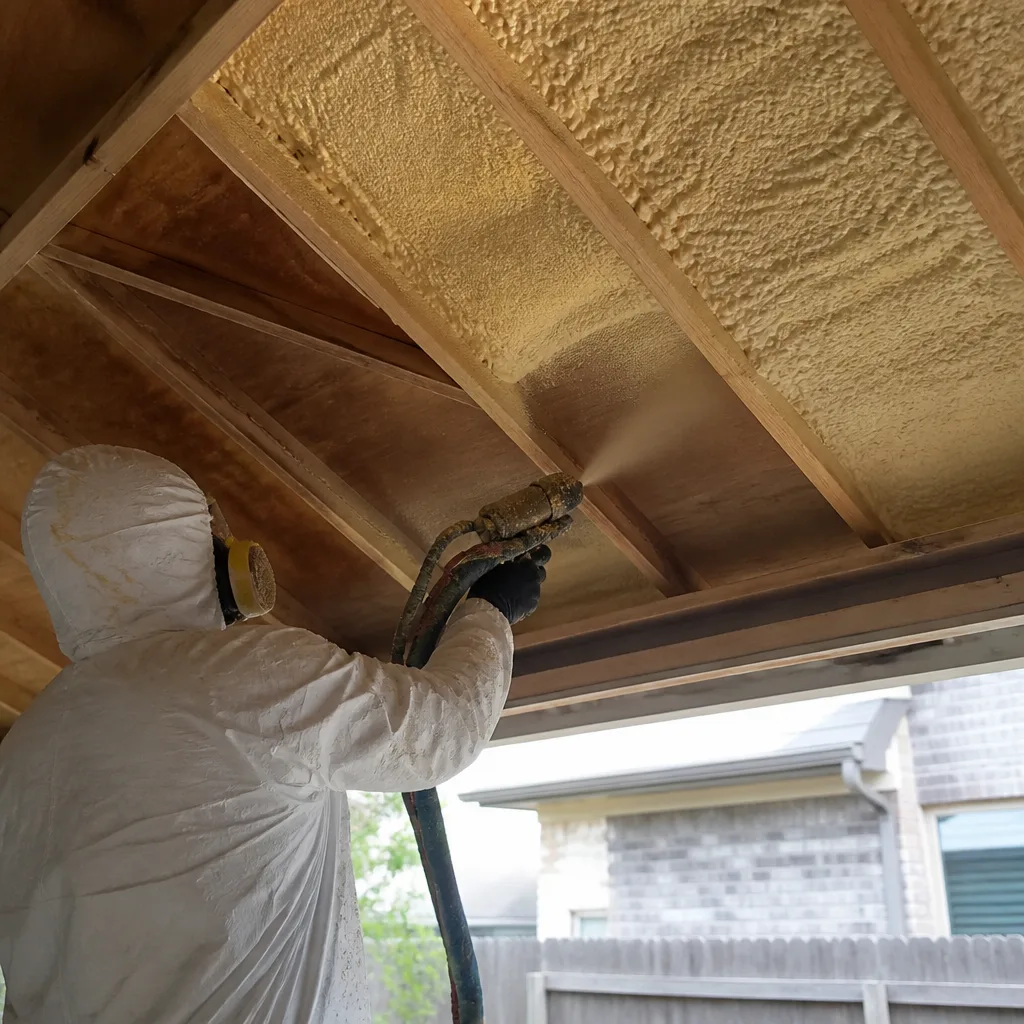
Dense-pack wall insulation is the right tool for Lakeway’s lake-facing walls with large window banks and minimal original cavity fill. We dense-pack with cellulose at 3.5-4.0 pounds per cubic foot, which converts a conventionally framed wall from a convection chimney into a legitimate thermal barrier. In the original Lakeway subdivision, we regularly find walls with zero insulation behind lake-facing drywall - the 1970s builder assumed weekend occupancy in spring and fall. Dense-pack requires drilling access, either exterior or interior, and we always map electrical and plumbing before cutting. The result is a wall assembly that performs in August and February, not just April.
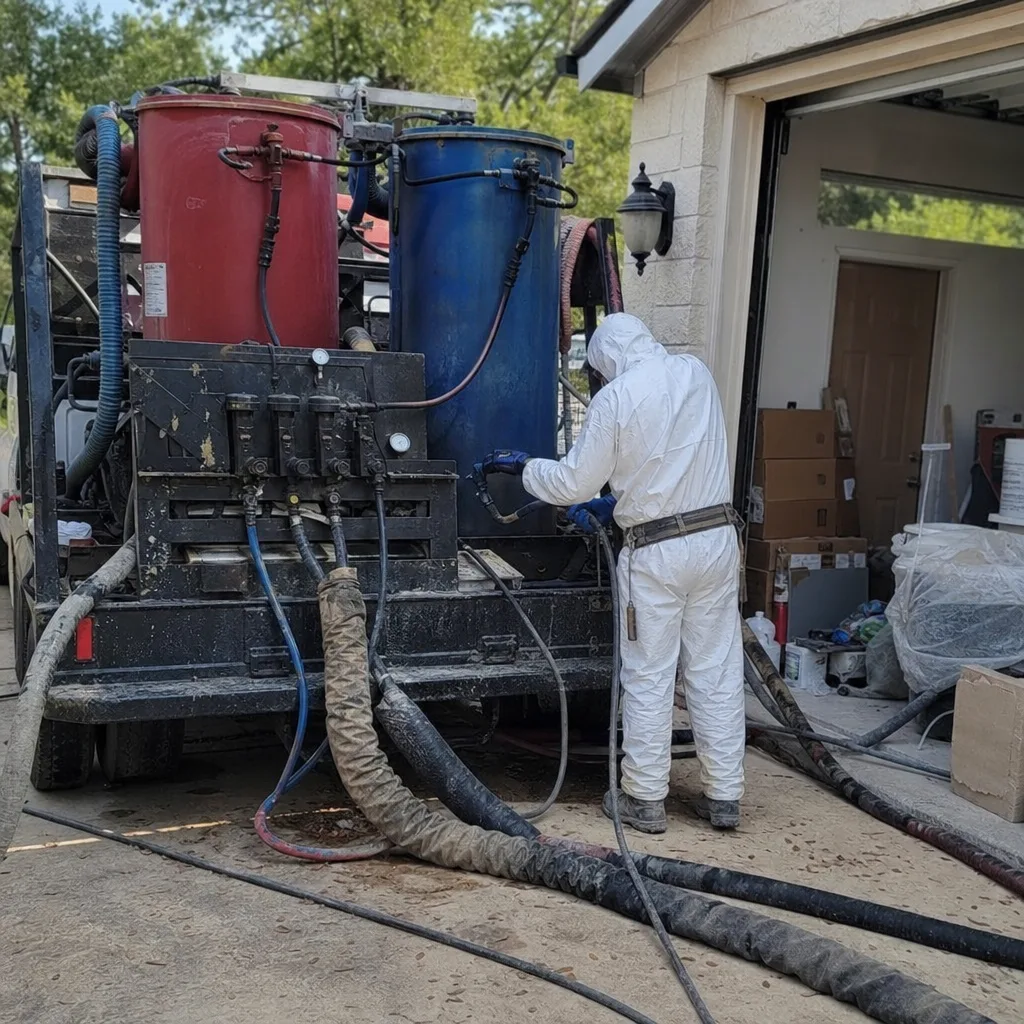
Blown-In Top-Up
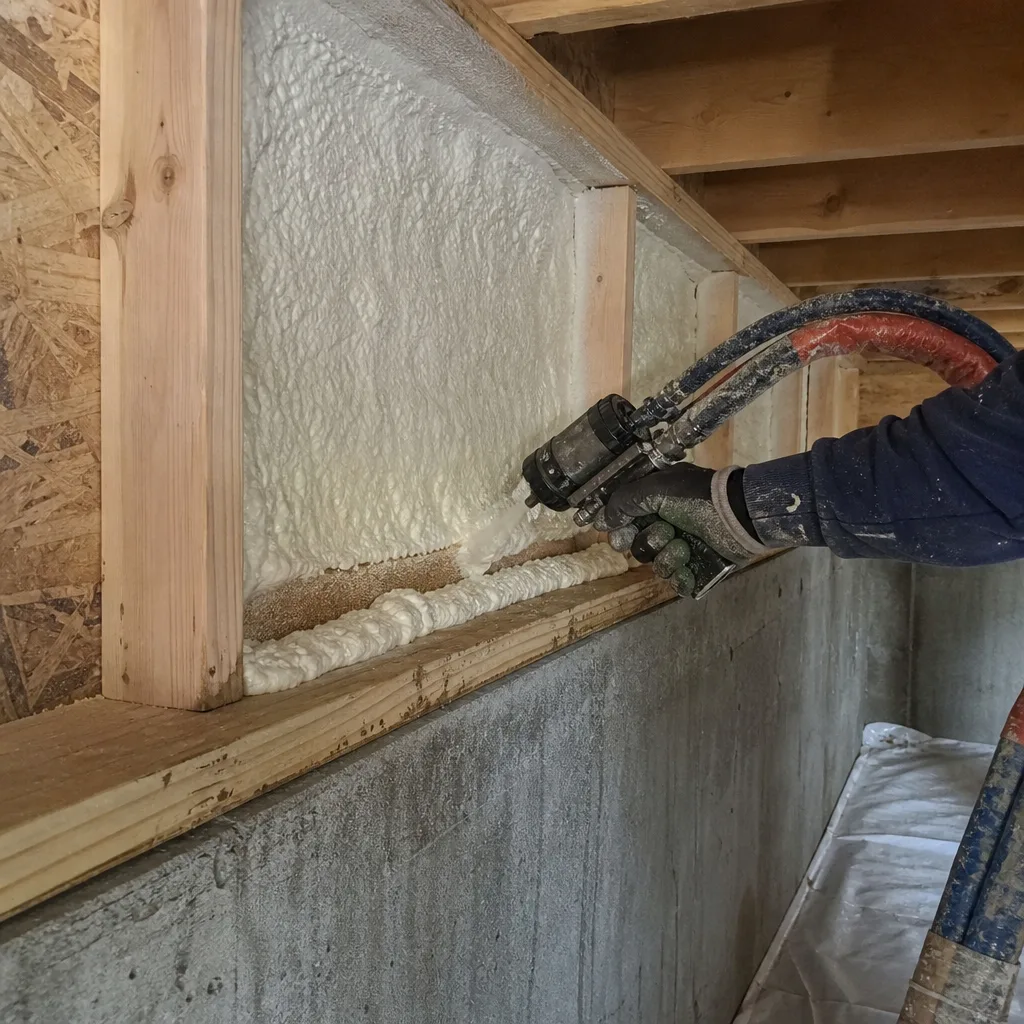
Blown-in top-up is our most frequent Lakeway call: a home has some existing insulation, usually compressed or under-spec, and needs additional R-value without full removal. In Lakeway, we see two distinct top-up scenarios. In Rough Hollow and Serene Hills, it’s often R-30 fiberglass batts that never reached the promised thickness. In the original subdivision, it’s a single collapsed layer of 1970s batt sitting directly on the ceiling plane, sometimes with rodent damage, sometimes just cooked flat by decades of cedar-shake roof heat. We assess what’s there, air-seal what leaks, then blow to a uniform depth with documented coverage. A top-up typically costs 40-60% less than full removal and replacement, but only if the existing material is dry, uncontaminated, and not blocking ventilation.
What happens when you call
- 1
A real person answersNo phone trees - you reach a local pro.
- 2
You get an upfront price rangeHonest numbers before anyone is dispatched.
- 3
A background-checked tech heads outLicensed & insured, dispatched right away.
- 4
You approve before work beginsNothing starts until you say go.
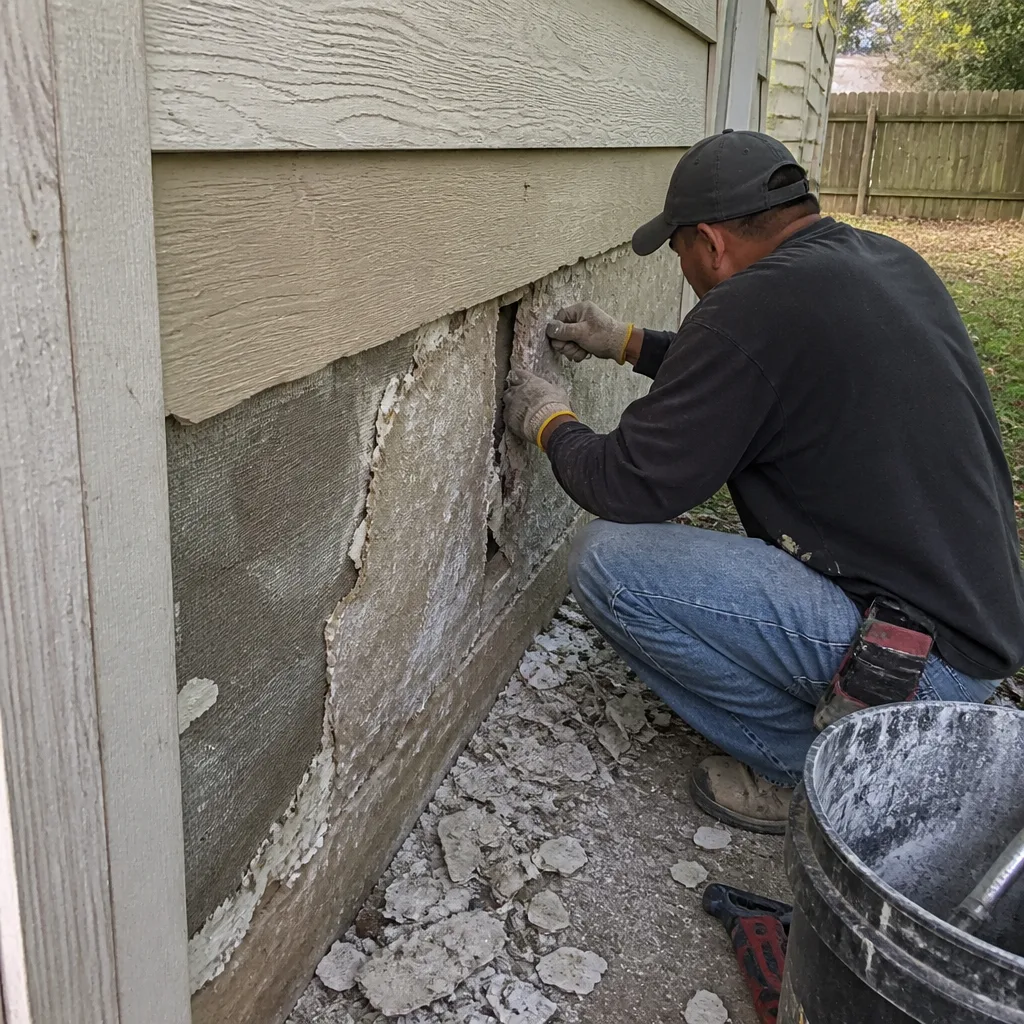 Before
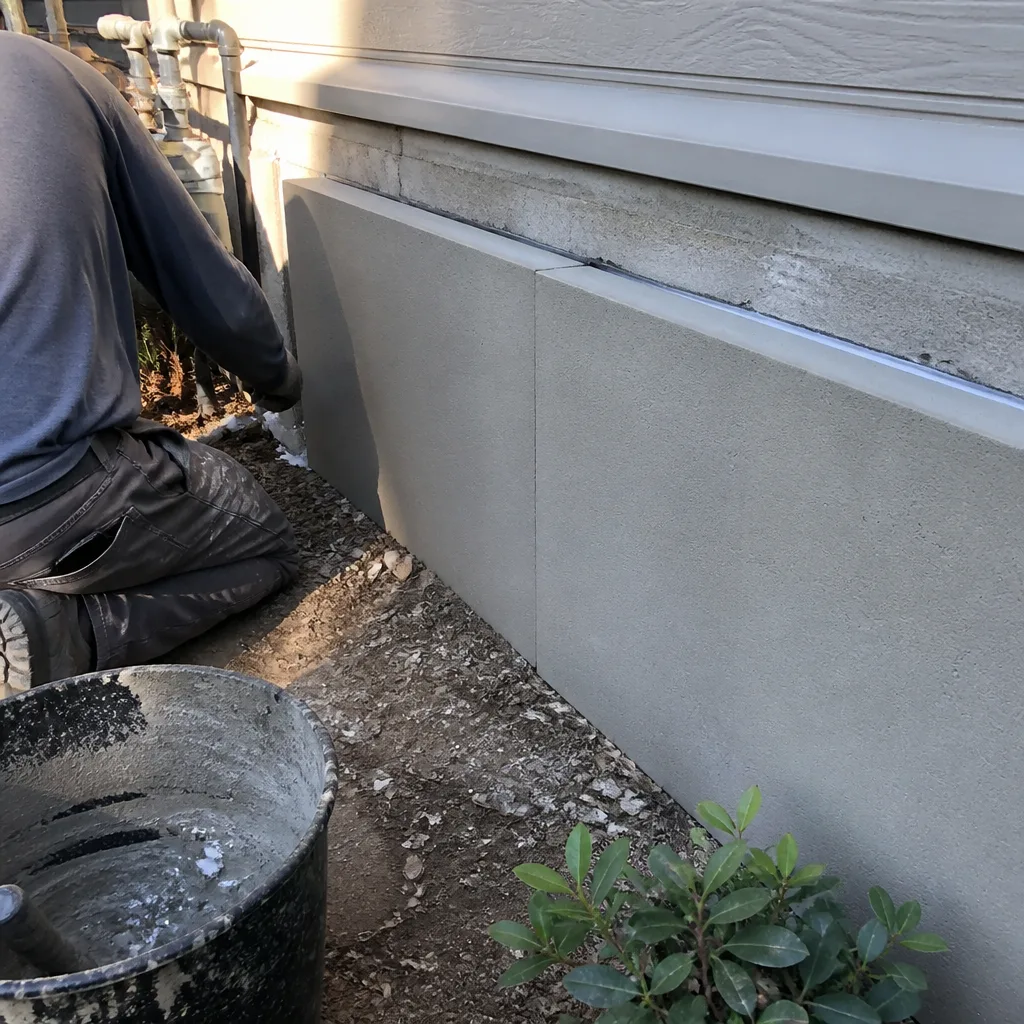 After
AfterTrusted Brands We Service in Lakeway
We stock and install materials from Owens Corning, Johns Manville, Knauf, and GreenFiber - no proprietary lock-in, no single-source requirement. For Lakeway jobs, this means we can match an existing insulation type for a top-up or switch materials based on performance need without waiting on special orders. Our blower trucks carry cellulose and fiberglass on rotation, so most Lakeway appointments don’t require a return trip for material delivery. We document the manufacturer and product on every written scope, so your record matches what’s in your attic.
Common Blown-In Insulation Problems We See in Lakeway Homes
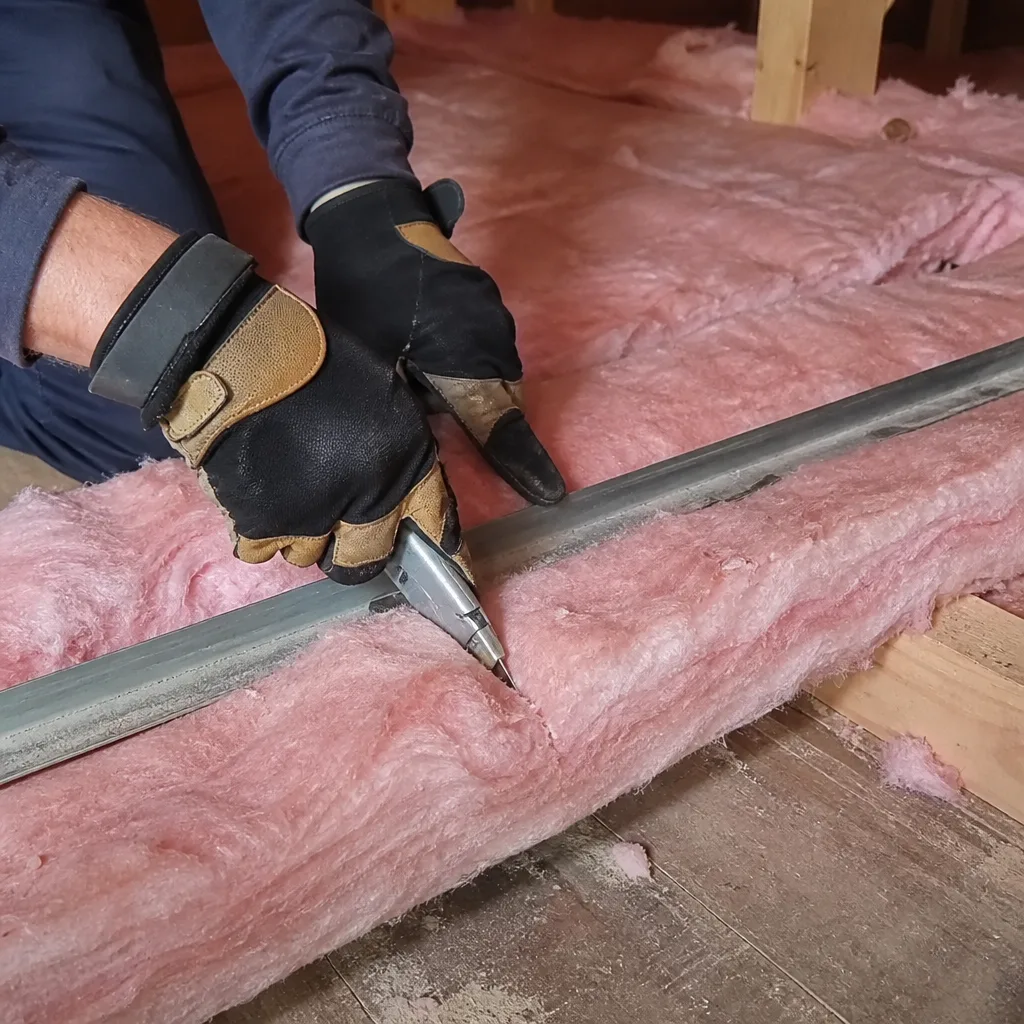
- Blown-in cellulose installed over old 1970s batts without air-sealing top plates first. The loose fill just filters hot attic air instead of stopping it, and the cedar-shake ceiling plane keeps cooking it. We find this in vacation-conversion ranches where a previous contractor blew material in from the hatch and called it done.
- Dense-pack or spray foam applied without vapor management. Lake Travis ambient humidity gets trapped against pier-and-beam floor framing and shallow slab edges on sloped limestone lots. The insulation performs on paper; the framing rots in practice.
- Alley-load hose runs stretched too far from the truck on tight Lakeway side yards. Blower pressure drops, coverage ends up uneven in the far corners of open-plan lake-facing rooms. We measure hose length and plan staging before we commit to a truck position.
- Original vacation-cabin attics with zero vapor control between ceiling plane and roof deck. The dark roofing radiates heat downward all summer, and any blown-in material without an air barrier on the warm side becomes a condensation surface in winter. We address this with targeted air sealing, not just more insulation depth.
Pricing for Blown-In Insulation in Lakeway, TX
Most complete attic blown-in jobs in Lakeway run $2,400-$5,800. Blown-in top-ups over existing material typically fall between $1,200 and $2,800. Dense-pack wall insulation runs $2.80-$4.50 per square foot of wall area, with most whole-house Lakeway projects between $4,200 and $8,600. What moves the number: attic accessibility (steep pitch, shallow height, or irregular framing), whether we need to remove existing material, the extent of air-sealing required before blowing, and hose-run complexity on tight lots.
We provide a written price before any work starts - no exceptions. That price includes the scope, the material spec, the warranty terms, and the documentation you’ll receive. Free estimates are available by phone or site visit. Call (737) 252-7159.
We Also Serve Cities Near Lakeway
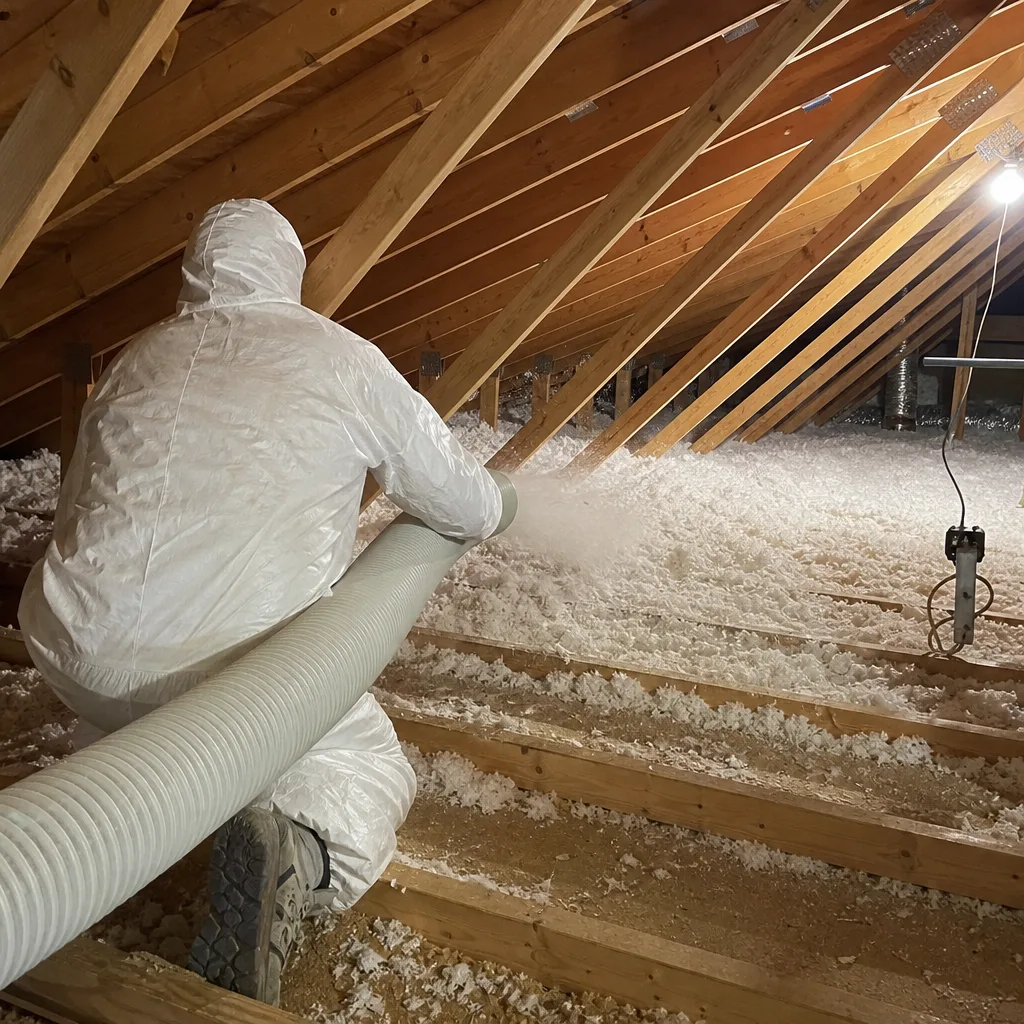
Our crews work throughout the Austin metro, including Lakeway, Leander, Cedar Park, Brushy Creek, and Jollyville. Dispatch and scheduling are coordinated from our Austin office; crews serve each city locally with material stocked for the market.
Serving Lakeway, TX - Our Local Coverage Area
We’re based in the Lakeway area and know this community well. Use the map below to see our service coverage - if you’re nearby, we can almost certainly help.
FAQs - Blown-In Insulation in Lakeway
Yes, with the right sequence: air-seal first, then insulate, and address the wall cavities facing those windows with dense-pack if they’re empty. The original Lakeway vacation homes were built for intermittent occupancy, but a complete envelope upgrade - attic blown-in, wall dense-pack, and targeted air sealing - can bring them to residential-grade performance. We’ve done this conversion on dozens of 78734 properties. Call (737) 252-7159 for a written scope and price.
Usually yes, with staging planning. We alley-load material through extended hose runs when the rear approach is too tight for the blower truck, and we confirm access constraints during scheduling, not on arrival. The 1978 vacation-conversion ranch we worked off Lakeway Blvd required a 30-foot hose run from the driveway - we planned it in advance and hit our appointment window. Call (737) 252-7159 to discuss your specific lot layout.
Because unsealed top plates and can-light penetrations turn loose-fill insulation into an air filter, not a thermal barrier. Hot attic air loops through the cellulose, the ceiling plane stays hot, and your cooling load doesn’t drop. We air-seal every penetration, then blow - under Haven Standard, we don’t skip this step. The homeowner gets before-and-after blower-door documentation showing the actual reduction in air leakage. Call (737) 252-7159 for an estimate.
Blown-in makes sense for most Rough Hollow attics if the framing is standard truss and the primary issue is R-value, not air leakage. Spray foam excels at air sealing and is the right choice for complex rooflines or conditioned attic conversions, but a well-sealed blown-in system at R-49 or R-60 often outperforms an under-spec spray foam job on cost and thermal resistance. We assess what’s actually in your attic before recommending. Call (737) 252-7159 for a free second opinion on any existing estimate.
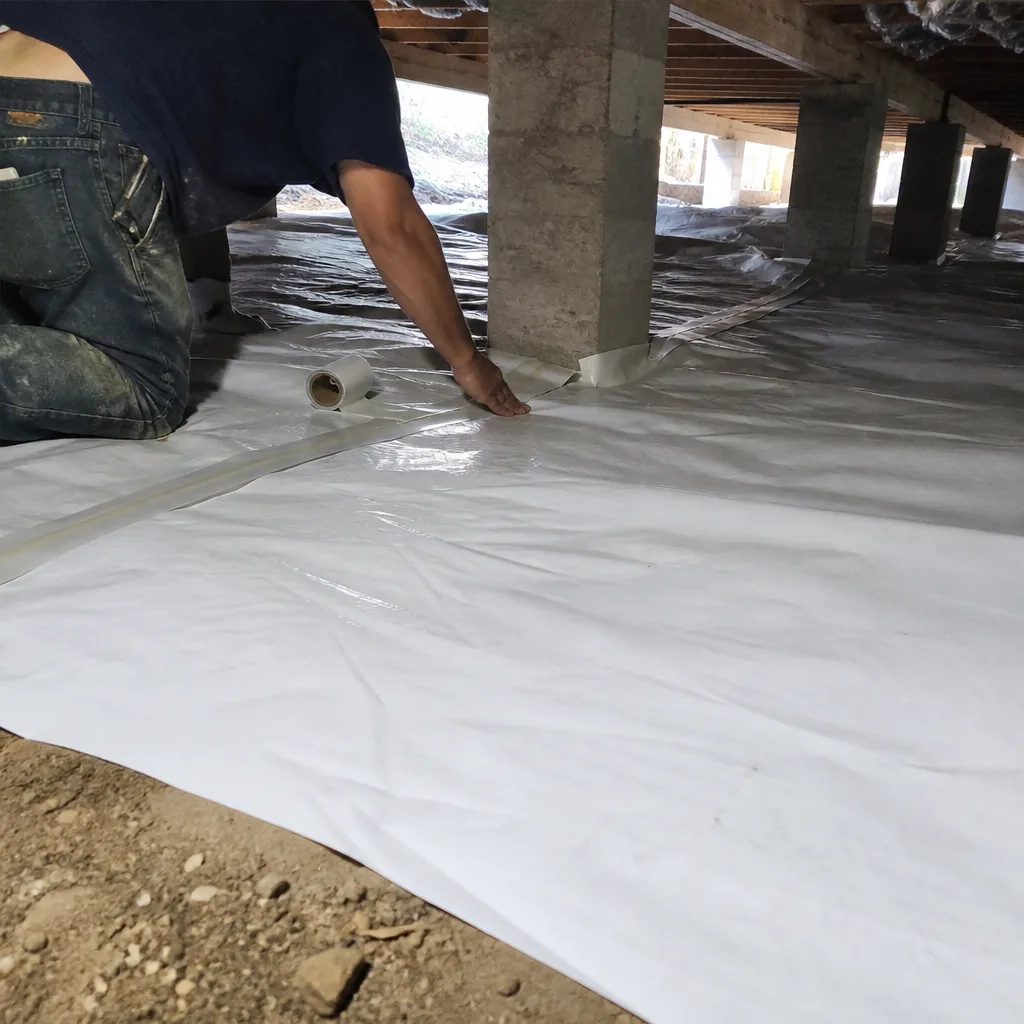
Yes. The ambient humidity from Lake Travis means vapor management is not optional in any insulation installation. We specify vapor-smart assemblies - proper interior-side air sealing, appropriate exterior drying potential, and no impermeable layers in the wrong sequence. In pier-and-beam homes on sloped limestone lots, we pay particular attention to crawl-space vapor conditions before dense-packing walls. The wrong stack-up traps moisture; the right one manages it. Call (737) 252-7159 to discuss your home’s specific conditions.
Written by Wes Okafor, Owner at Envelope Insulation Co., serving Lakeway since 2016 under The Haven Standard.