
Crawl Space Insulation in Leander, TX
Crawl space insulation in Leander typically runs between $1,800 and $4,500 depending on square footage, access conditions, and whether air sealing needs to happen first. Most jobs in a standard single-story Leander home – somewhere in the 1,400 to 2,200 square foot footprint common to Travisso, Crystal Falls, and Leander’s older subdivisions off Hero Way – are completed in one day. We air-seal every penetration before any insulation goes in, and you get a written price before we touch a thing.
If your floors feel cold in January despite a working furnace, or your energy bills climb every summer even after your HVAC was serviced, the crawl space under your house is often where the problem starts. The building science term for it is “stack effect” – the phenomenon where conditioned air escapes upward through your living space and pulls unconditioned air in through the lowest point of your envelope. In Leander, that lowest point is almost always the crawl space.
We’ve been sealing and insulating building envelopes since 2016, and we’ve learned that Leander’s specific combination of clay-heavy soils, periodic flooding from wet seasons near Lake Travis tributaries, and hot-humid summers creates conditions that punish a poorly insulated crawl space faster than almost anywhere else in the Austin metro. Our full-service approach to the crawl space lives under Crawl Space Encapsulation & Vapor Barrier in Leander – insulation is one part of that larger envelope. Call us at (737) 252-7159 to schedule a written estimate, no work starts without it.
When You Need Crawl Space Insulation
- Cold or uneven floors in winter. In Leander neighborhoods like Summerlyn and Block House Creek, slab-on-grade construction is common, but a significant share of homes built between 1985 and 2005 sit on pier-and-beam foundations. If your hardwood or tile floors feel noticeably colder in January than the rest of your house, heat is escaping through an under-insulated floor system.
- High humidity readings inside the living space. When crawl space moisture migrates upward – which it does readily in Leander’s clay soils after a heavy rain – relative humidity inside the home climbs. We regularly record crawl space RH readings above 70% in homes off 183A that haven’t had vapor control addressed. That moisture feeds mold before it shows on your walls.
- Energy bills that don’t match your neighbors’. A typical 1,800-square-foot Leander home with an unsealed, uninsulated crawl space can lose 15 to 25 percent of its heating and cooling load through the floor system. If your bill is running $40 to $80 per month above comparable homes on your street, the crawl space is a strong candidate for investigation.
- Visible insulation hanging or missing in sections. Batt insulation installed between floor joists – the standard method in older Leander homes – has a tendency to sag, fall, or shift after rodents pass through or after repeated seasonal moisture cycles. If you can see sections of subfloor with no insulation from the crawl space access point, the system is no longer performing.
- Musty odors in the living space or near registers. Your HVAC ductwork in a crawl space pulls air from that environment into the living space every time the system runs. A musty smell that gets worse when the air comes on is a reliable indicator that the crawl space has a moisture and biological growth problem that insulation – paired with proper air sealing and vapor barrier – can help correct.
- Recent purchase of a home built before 2000. Pre-2000 construction in Leander frequently predates IRC 2012 floor insulation requirements. If your home inspection flagged inadequate crawl space insulation, or if no documentation exists for when it was last replaced, a current assessment with documented before-and-after photos is the only way to know what you actually have.
Our Crawl Space Insulation Process
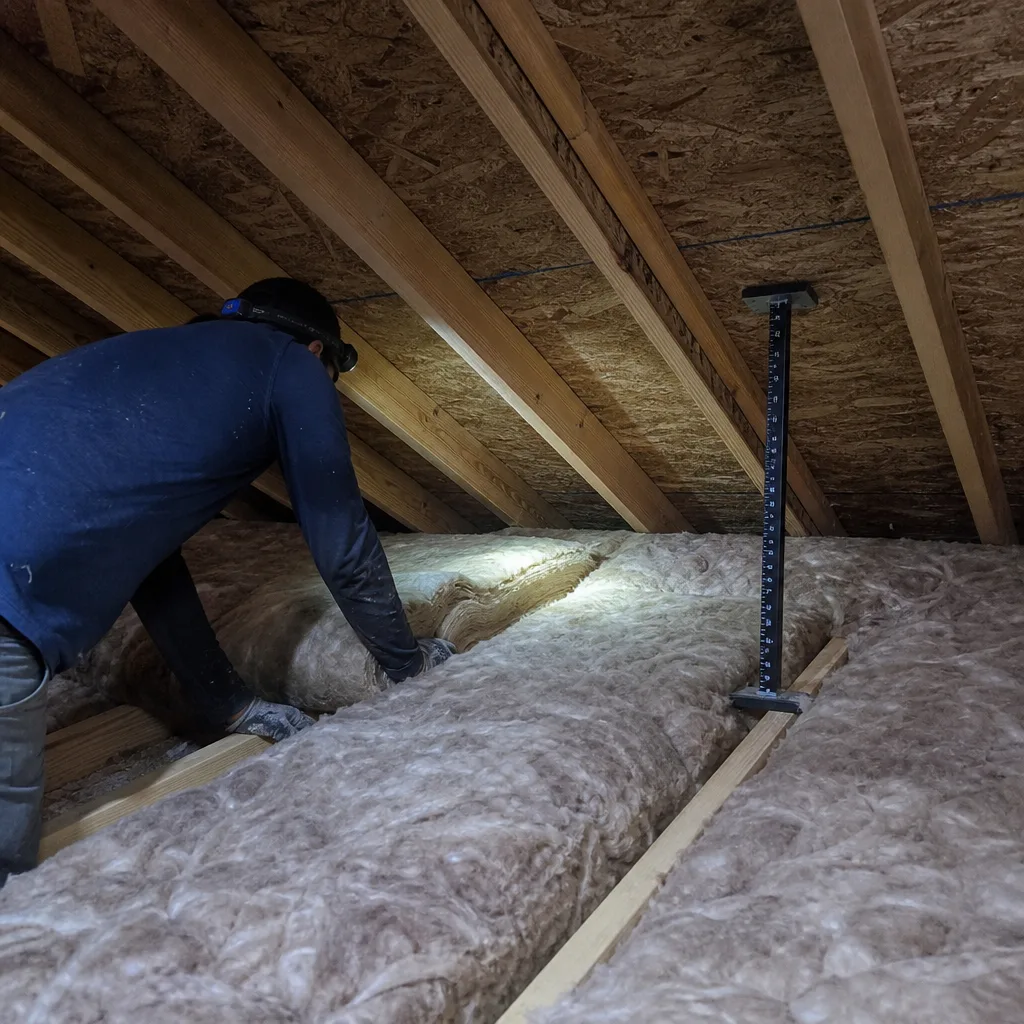
- Written scope and price before any work starts. Under Haven Standard Clause 1, you get a flat written price, a written scope of work, and a written warranty before anyone lifts a tool. We walk the crawl space during the estimate, document access conditions, measure the floor area, and identify any pre-existing moisture or pest issues. What you sign is what you pay.
- Air sealing of all penetrations – first. This is the step most contractors skip, and it’s the one that determines whether the insulation you paid for actually performs. Before any material goes in, we seal rim joists, band joists, pipe penetrations, duct boots, and any gaps at top plates that connect the crawl space cavity to the living space above. We use closed-cell spray foam and fire-rated caulk rated for the application. Insulating over unsealed penetrations is not something we do.
- Removal of failed or contaminated existing insulation. If batt insulation is sagging, wet, or contaminated by rodent activity, it comes out before new material goes in. We bag and remove it on the same visit and document the condition photographically. Installing new insulation over compromised material gives you an R-value on paper that the system cannot actually deliver.
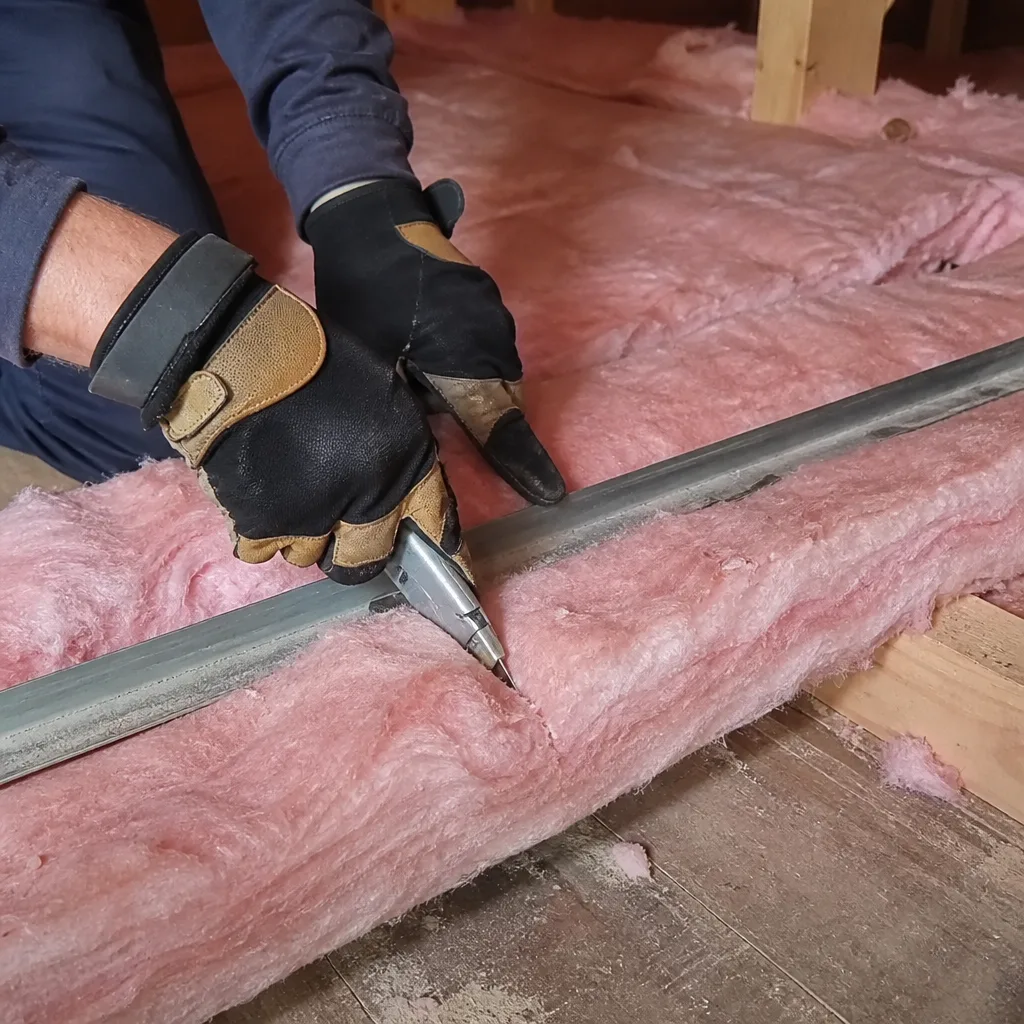
- Installation of insulation to current IRC floor requirements. For most Leander crawl spaces, that means achieving R-19 minimum between floor joists for Climate Zone 2, which is where Leander sits. Depending on joist depth and access conditions, we use unfaced fiberglass batt (typically Owens Corning or Johns Manville) held in place with wire stays, or – in tighter or irregularly framed sections – closed-cell spray foam. We don’t select the material based on margin; we select it based on what the geometry of the floor system requires.
- Vapor barrier installation or confirmation. Crawl space insulation without a ground vapor barrier is a short-term fix in Leander’s soil conditions. If a 6-mil or 20-mil poly barrier isn’t already in place, we install one as part of this service or flag it as a required companion item in the written scope. The full encapsulation pathway is explained in our Crawl Space Encapsulation & Vapor Barrier in Leander page.
- Documented photo record and written close-out. Every visit closes with a Documented Photo Record – before and after photos of every section worked, delivered to you digitally before the crew leaves. You have documented evidence of the condition we found and the condition we left. On applicable jobs where we’ve completed air sealing of the floor system, we provide blower-door readings – a pressurization test that gives you a single number showing how much conditioned air the envelope was losing before and after the work.
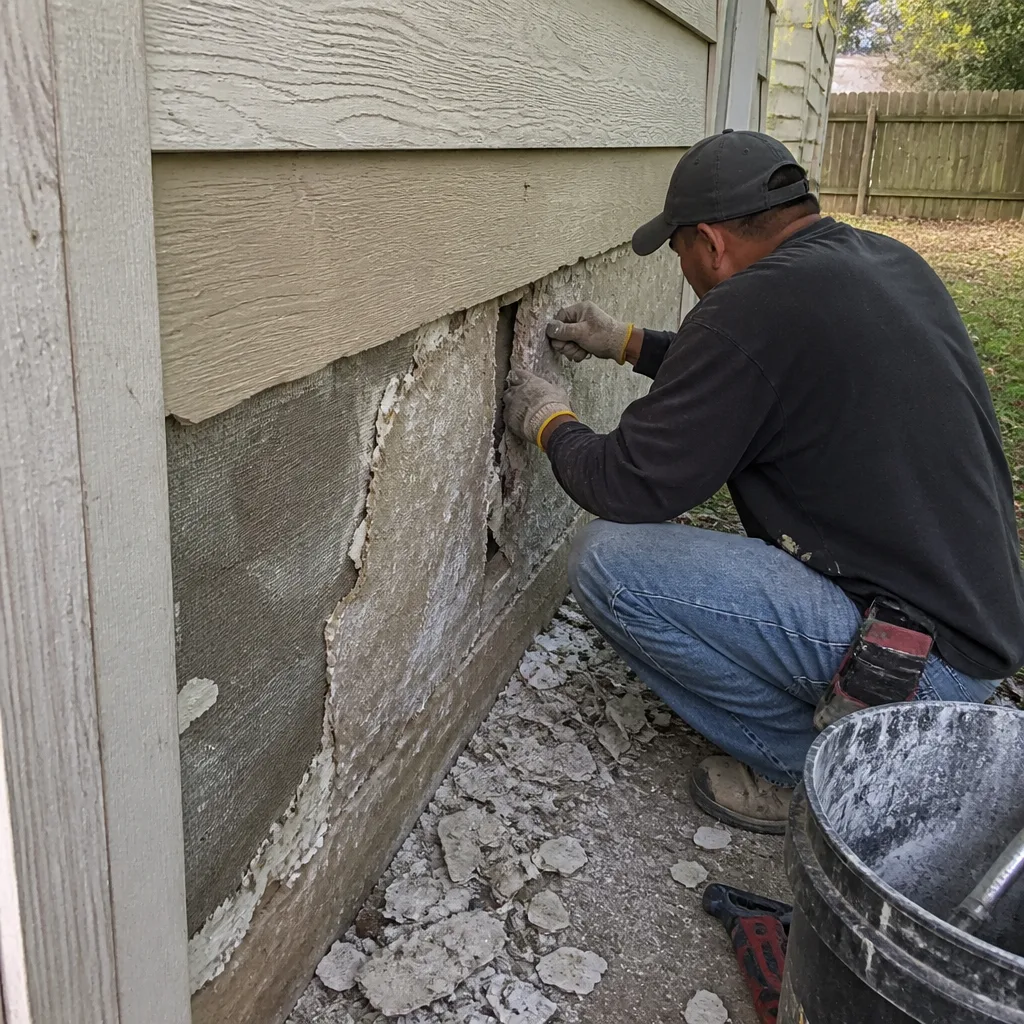 Before
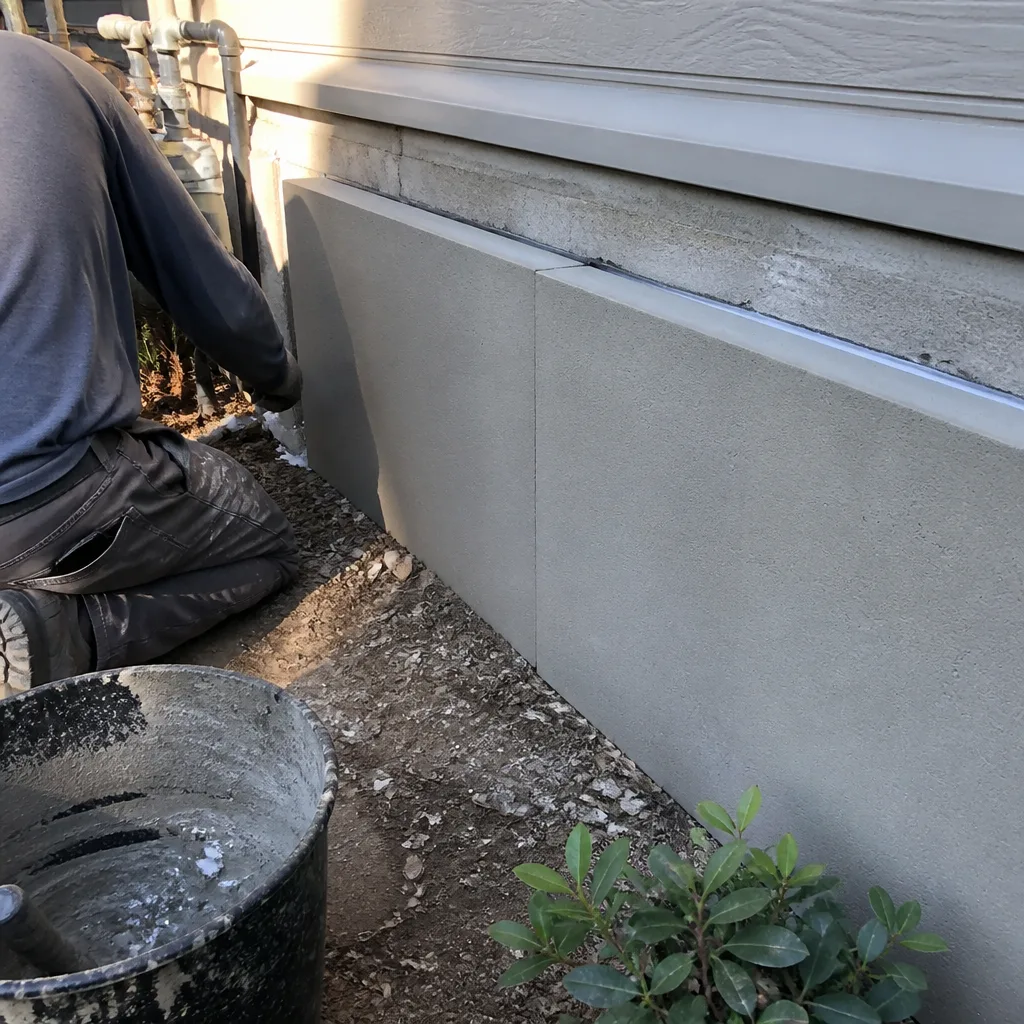 After
AfterCrawl Space Insulation Pricing in Leander
Crawl space insulation in Leander runs in a real range depending on several variables. Below are the line-item ranges we see most often on jobs across the area. These are not estimates designed to get you in the door – they reflect actual project costs from homes in Leander, Cedar Park, Liberty Hill, and the surrounding communities we’ve worked in since 2016.
| Scope Item | Typical Range |
|---|---|
| Crawl space insulation only (batt, 1,200-1,800 sq ft floor area) | $1,800 – $2,800 |
| Crawl space insulation only (batt, 1,800-2,800 sq ft floor area) | $2,800 – $4,500 |
| Air sealing (rim joists, penetrations) added to insulation scope | $400 – $900 |
| Old insulation removal before new installation | $600 – $1,400 |
| Closed-cell spray foam (spot application, tight areas or rim joists) | $800 – $2,200 |
| 6-mil poly vapor barrier (if not already present) | $900 – $2,100 |
What moves the number
- Access height. A crawl space under 18 inches makes every step slower. Homes on older lots in Leander’s Devine Lake Road corridor and the original ’80s-era subdivisions near Hero Way often have tighter access than newer builds in Travisso. Tighter access takes longer; longer takes more labor.
- Existing insulation condition. If what’s there is still sound, we sometimes work around it. More often, batt that has been in place since 1995 has sagged enough that removal is the cleaner option. Removal adds cost, but insulating over failed material is not something we’ll write into a scope.
- Moisture and biological activity. If there’s active mold or a rodent entry point that hasn’t been addressed, that work needs to happen before insulation. We document it in the estimate; we don’t surprise you at invoice.
- Climate Zone compliance gap. Older homes sometimes have R-11 where current code calls for R-19. Bringing the system to current IRC requirements for Leander’s Climate Zone 2 adds material cost over a simple patch job.
Every estimate from Envelope Insulation Co. is written before work starts – that’s not a policy we apply selectively, it’s how every job runs. If you’ve already received a written estimate from another contractor, bring it to us. Under our Free Second Opinion offer, we’ll read it with you line by line and tell you what it includes, what it doesn’t, and how it compares. Call (737) 252-7159 to schedule your written estimate.
FAQs – Crawl Space Insulation in Leander
What R-value does a Leander crawl space need?
Leander sits in IECC Climate Zone 2, which requires a minimum of R-19 for wood-framed floors over unconditioned crawl spaces under the IRC 2021 requirements Texas adopted. Most standard 2×10 floor joist construction can accommodate R-19 unfaced batt without modification. If your home has 2×8 joists, achieving R-19 in the cavity depth alone is tighter, and we’ll note that in the written scope with the approach we recommend. Homes built before 2000 in Leander frequently have R-11 or less – enough to have passed inspection under the code in force at the time, but not enough to meet current standards or to meaningfully reduce stack-effect losses. Call (737) 252-7159 and we’ll assess your specific floor system during the estimate visit.
Should the crawl space be vented or unvented in Leander?
In Leander’s hot-humid climate, an unvented (conditioned) crawl space generally outperforms a vented one – but the approach you choose changes where the insulation goes. In a vented crawl space, insulation belongs between the floor joists. In an unvented (sealed) crawl space, insulation moves to the foundation walls instead, and the space inside the envelope is effectively conditioned. Getting this wrong – insulating the floor joists in a sealed crawl space, for example – creates a thermal bypass and a potential moisture trap. We assess your specific configuration during the estimate and write a scope that matches the actual design of your crawl space, not a generic template. The full encapsulation question is covered in detail on our Crawl Space Encapsulation & Vapor Barrier in Leander page.
How long does crawl space insulation installation take in Leander?
Most crawl space insulation jobs in a Leander home between 1,400 and 2,400 square feet are completed in a single day – typically four to seven hours on site depending on access and whether removal is part of the scope. If air sealing, Crawl Space Encapsulation & Vapor Barrier installation, and insulation are all being done together, allow for a full day. We give you a time estimate in the written scope before we start, and we text you when the technician is on the way. You’re not waiting in a callback window; a live person answers at (737) 252-7159 around the clock.
Is crawl space insulation covered by a warranty?
Yes. Every completed job at Envelope Insulation Co. carries our 365-Day Done Right Promise: if something isn’t right within 365 days of completion, we make it right. The warranty is written into the scope document you receive before work starts – not offered verbally afterward. On top of that, the materials we use carry manufacturer warranties. Owens Corning fiberglass products, for instance, come with their own written product warranty, which we document in your job record. The Documented Photo Record you receive at close-out gives you a baseline reference for any future question about condition at the time of installation.
Why Air Sealing Comes First – Every Time
The single most common mistake in crawl space insulation is installing new material over an unsealed building envelope. It’s easy to understand why it happens: insulation is visible, measurable, and billable. Air sealing is invisible once it’s done. But the physics don’t care about what’s visible.
Stack effect – the upward movement of air from crawl space to attic driven by pressure differentials and temperature gradients – bypasses insulation entirely when penetrations are open. You can install R-30 between floor joists and still lose a significant fraction of your conditioned air through an unsealed pipe chase or an open rim joist cavity. We seal those first, every time, and on applicable jobs we give you a blower-door number before and after so you’re not taking our word for it.
This isn’t an upsell. Under the Haven Standard, air sealing is a prerequisite – if it needs to happen, it’s in the written scope before you agree to the work, at a stated price, not added on afterward. The 9,000-plus homes we’ve sealed and insulated since 2016 have all started the same way: written price, written scope, written warranty. No exceptions.
If you’re researching insulation contractors in Leander and want to understand the full envelope picture before committing to any scope of work, our home page outlines every service line we run, from attic insulation to crawl space work to home energy audits. The crawl space doesn’t exist in isolation – it’s one part of an envelope that either holds conditioned air or doesn’t.
Leander-Specific Notes
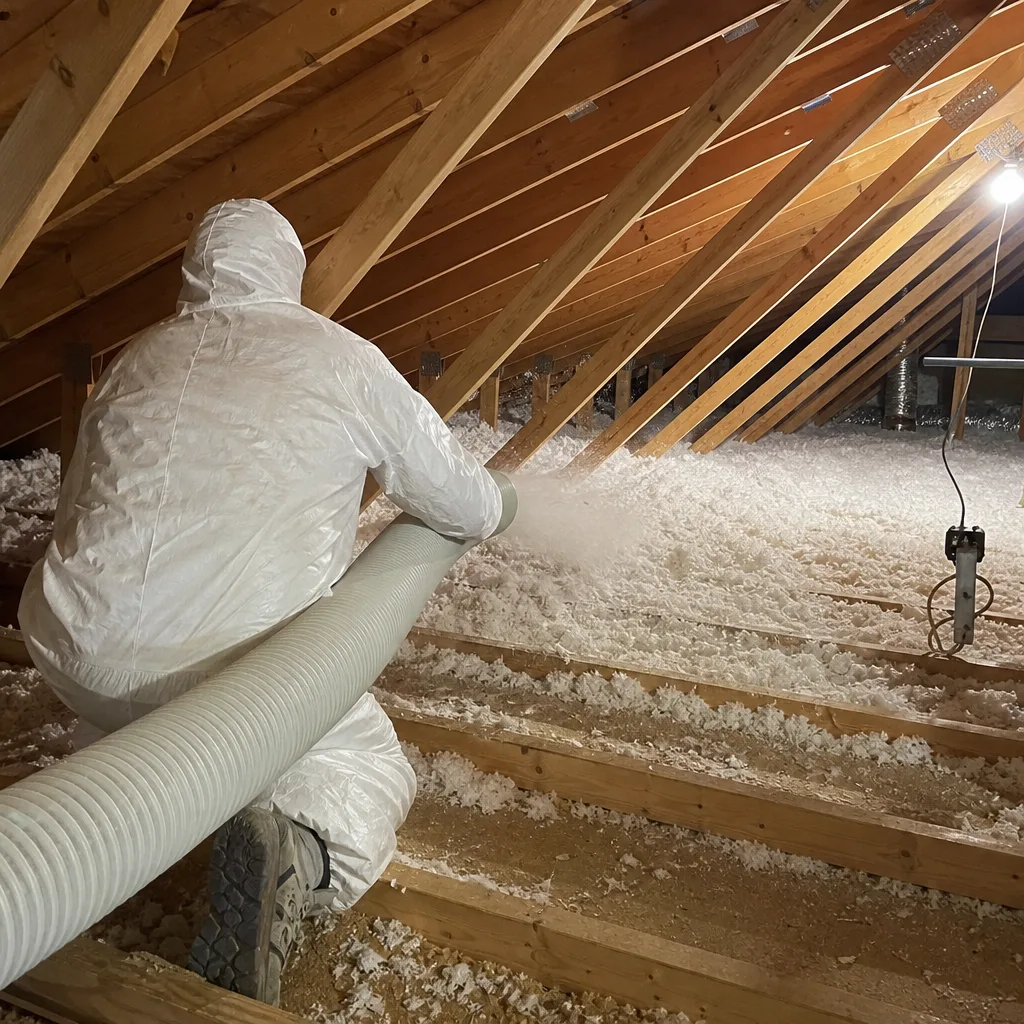
Leander’s position at the edge of the Edwards Plateau means the crawl space environment here isn’t identical to what you’d find in, say, a pier-and-beam neighborhood in East Austin or a Buda subdivision. A few things we see regularly in Leander that are worth knowing:
- Expansive clay soils in the eastern sections of Leander – particularly around Benbrook Ranch and the older sections along US-183 – shift seasonally in ways that stress vapor barriers and can displace batt insulation that isn’t mechanically secured. Wire stays and proper detailing at the perimeter matter more here than in more stable soil conditions.
- The heavy rainfall events that come with Central Texas’s bimodal wet season push groundwater moisture through crawl space foundations with enough pressure that a 6-mil poly barrier, by itself, is often not adequate. We see this in homes in the Crystal Falls and Travisso areas where storm drainage gets concentrated along lot lines. When we see evidence of hydrostatic pressure during the estimate, we flag it in writing.
- Leander’s growth since 2015 means a lot of homes were built quickly during the suburban expansion north of 183A. Some of that construction used the minimum code-compliant insulation at the time. If you bought a home built between 2016 and 2022, it’s worth verifying what’s actually under the floor – not what the listing said was there.
Get a Written Estimate for Crawl Space Insulation in Leander
If you want to know what crawl space insulation in your specific Leander home will cost – not a range from a website, but a flat written price for your actual square footage and conditions – call (737) 252-7159. A live person answers. We’ll schedule an on-site assessment, document what we find, and give you a written price before any work starts. That’s Haven Standard Clause 1, and it applies to every job, regardless of size.
If you already have a written quote from another contractor, bring it. We’ll read it with you and tell you what it includes and what it doesn’t. No pressure. Just a second set of eyes on a document you’re about to sign.
Written by Wes Okafor, Owner at Topside Attic Insulation Leander, serving Leander since 2016.