
Crawl Space Vapor Barrier in Leander, TX
A crawl space vapor barrier is a reinforced polyethylene sheet installed across the ground of your crawl space to block ground moisture from migrating up into your floor system, subfloor framing, and living space above. In Leander, where clay-heavy soil holds water long after a rain event and summer humidity regularly pushes dew points past 70°F, an unprotected dirt crawl space is one of the most reliable sources of structural moisture damage and indoor air quality problems we see. Most vapor barrier installations in the Leander area run between $1,200 and $3,800, depending on crawl space square footage, ground condition, and the mil-thickness of liner specified.
At Topside Attic Insulation Leander, led by Wes Okafor, we’ve been doing this work under The Haven Standard since 2016. That means a written price before any work starts, a documented photo record when we leave, and a 365-Day Done Right Promise on every completed job. Call us at (737) 252-7159 and you’ll reach a live person – not a voicemail. If you want to understand the full scope of what ground moisture control involves, our Crawl Space Encapsulation & Vapor Barrier in Leander page walks through the broader system, of which the vapor barrier is the foundational layer.
When You Need a Crawl Space Vapor Barrier
These are the conditions we most commonly find when homeowners in Leander call us after ignoring their crawl space for a season or two:
- Musty odors rising through the floor. If the ground under your home is releasing moisture vapor, it moves upward – through subfloor gaps, through ductwork penetrations, through the same path warm air takes out of your conditioned space. The smell is the first thing most homeowners notice, usually in the hallway or a bedroom with a floor register.
- Soft spots or bounce in hardwood or laminate flooring. Persistent ground moisture swells OSB subfloor panels and wicks into wood joists. In the neighborhoods around Crystal Falls and Blockhouse Creek, we regularly find subfloor deflection that started as a minor bounce and ended as a framing repair bill.
- Visible standing water or wet dirt after rain. Leander sits on expansive clay soils that drain slowly. After a heavy spring rain, water can pool against a foundation wall and seep under the footprint. A bare dirt crawl space has nothing to interrupt that process.
- High relative humidity in your living space. When the crawl space acts as an uncontrolled humidifier, your HVAC works harder to dehumidify the air it’s conditioning. If your system is short-cycling in summer or your energy bills spiked without an obvious cause, ground moisture is worth investigating.
- Condensation on ductwork or pipes. Cold supply ducts and cold water pipes in a warm, humid crawl space sweat. That condensation drips onto the ground, adding more moisture – a cycle a vapor barrier interrupts at the source.
- Existing insulation that’s sagging, stained, or deteriorated. Fiberglass batt insulation installed between floor joists absorbs moisture vapor and loses R-value as it does. If your crawl space insulation looks like it’s pulling away from the joists, ground moisture is almost always part of the explanation.
Our Crawl Space Vapor Barrier Process
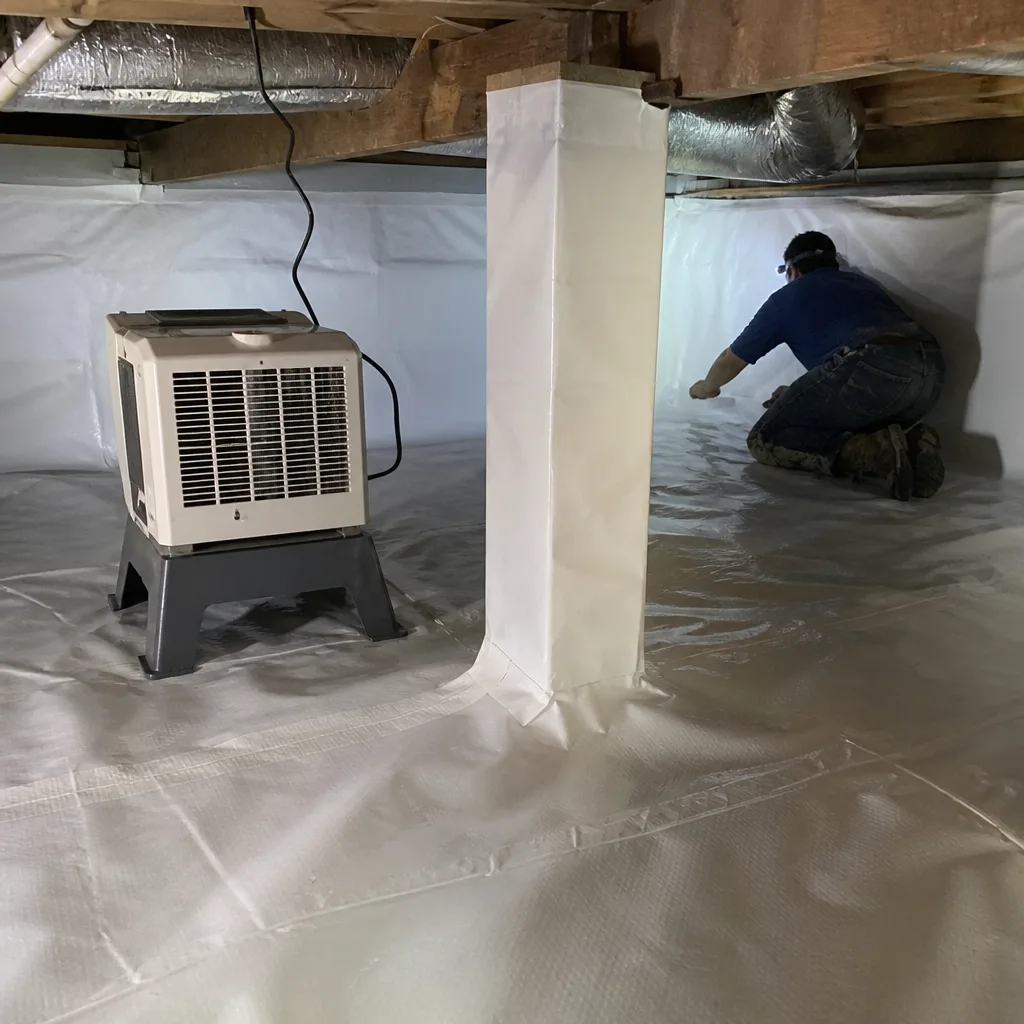
Every crawl space we enter in Leander is different – different dimensions, different soil conditions, different drainage patterns. The process below is what we complete on every job, in this order.
- Initial crawl space inspection and documentation. Before any material goes in, Wes Okafor or one of our background-checked technicians enters the crawl space with a moisture meter, a thermal probe, and a camera. We record the existing ground moisture level, check for standing water or efflorescence on the foundation walls, note the location of piers, mechanicals, and vents, and photograph everything. You get that photo record regardless of whether you proceed with the work.
- Debris removal and ground preparation. Loose organic material – leaves, old insulation scraps, construction debris – gets removed before any liner goes down. We grade the dirt surface where practical to eliminate low pockets that could hold water under the liner.
- Written scope and flat price delivered. Under Haven Standard Clause 1, you receive a written scope and a flat price before anyone picks up a roll of liner. If conditions inside require a change, we stop and update the written price. No surprises on invoice day.
- Liner installation across the ground surface. We install a minimum 12-mil reinforced polyethylene vapor barrier – often a 20-mil liner on jobs where soil moisture readings are elevated or where the crawl space depth makes future access difficult. Panels overlap by a minimum of 12 inches at seams and are sealed with compatible seam tape rated for the liner thickness. The liner runs up and is sealed against the foundation wall at the perimeter; we do not leave a gap at the footing, which is where most failures start on contractor-installed barriers we inspect after the fact.
- Pier and penetration wrapping. Every concrete pier column and any mechanical penetration through the ground surface gets wrapped and sealed into the liner. Leaving these unwrapped defeats a significant portion of the vapor control the liner is supposed to provide.
- Final inspection and photo record. We walk the finished installation, photograph every seam, every wall termination, and every pier wrap. You receive the complete documented photo record – the same standard we apply on all 9,000-plus homes we’ve sealed and insulated since 2016.
On jobs where the crawl space will also receive Crawl Space Encapsulation & Vapor Barrier services with a conditioned air supply or dedicated dehumidifier, the vapor barrier installation above is completed first. We do not encapsulate over an uncontrolled ground surface, just as we do not insulate before air sealing – the sequence matters because each layer depends on the one below it being correct.
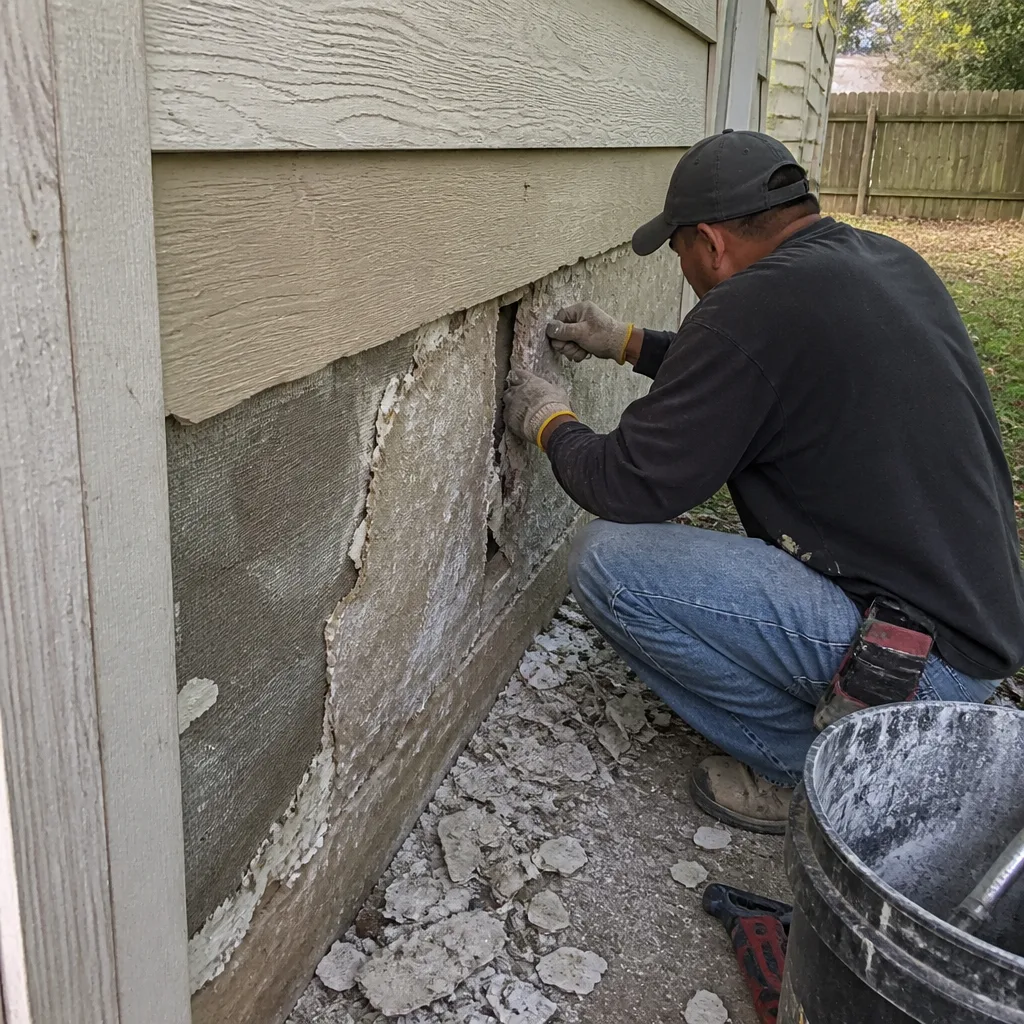 Before
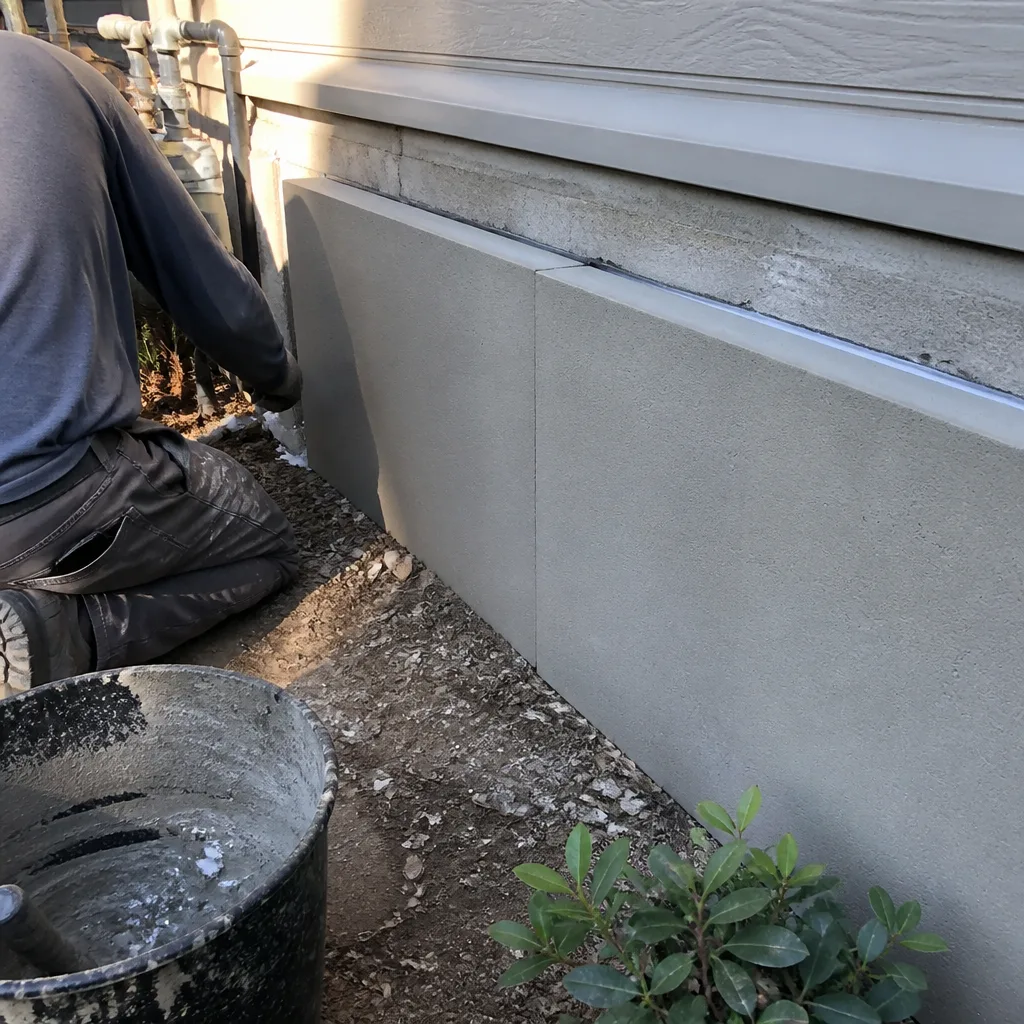 After
AfterCrawl Space Vapor Barrier Pricing in Leander
Vapor barrier installation in Leander typically runs between $1,200 and $3,800 for a standard residential crawl space. The table below shows how the main cost variables break down:
| Cost Factor | Typical Range | Notes |
|---|---|---|
| Crawl space footprint (under 1,000 sq ft) | $1,200 – $1,900 | Common in older Leander homes on smaller lots |
| Crawl space footprint (1,000 – 1,800 sq ft) | $1,800 – $2,800 | Typical range for single-story homes in Leander |
| Crawl space footprint (over 1,800 sq ft) | $2,600 – $3,800+ | Larger floor plans, split-level layouts |
| Liner thickness upgrade (20-mil vs. 12-mil) | +$200 – $500 | Recommended where soil moisture readings are elevated |
| Debris removal (heavy) | +$150 – $400 | Old batt insulation, construction debris, organics |
| Pier and penetration wrapping (complex layout) | +$100 – $300 | Homes with many interior piers or mechanical runs |
A few Leander-specific factors influence where a project lands in those ranges. Homes in the older sections of Leander near Highway 183 frequently have partial-depth crawl spaces – sometimes under 24 inches of clearance – which slows installation and affects labor time. Homes in newer developments off Ronald Reagan Boulevard tend to have better-organized crawl spaces but sometimes show higher soil moisture readings because the lots were graded flat and hold water differently than the hillier terrain toward Lake Travis. Neither situation changes the written price process: you know the number before we start.
The estimate is free. Call (737) 252-7159 and a live person will schedule a time that works. If you already have a written estimate from another contractor, bring it – we offer a free second opinion on any written estimate and will read it with you line by line.
Why Liner Thickness and Seam Sealing Matter More Than the Brand on the Roll
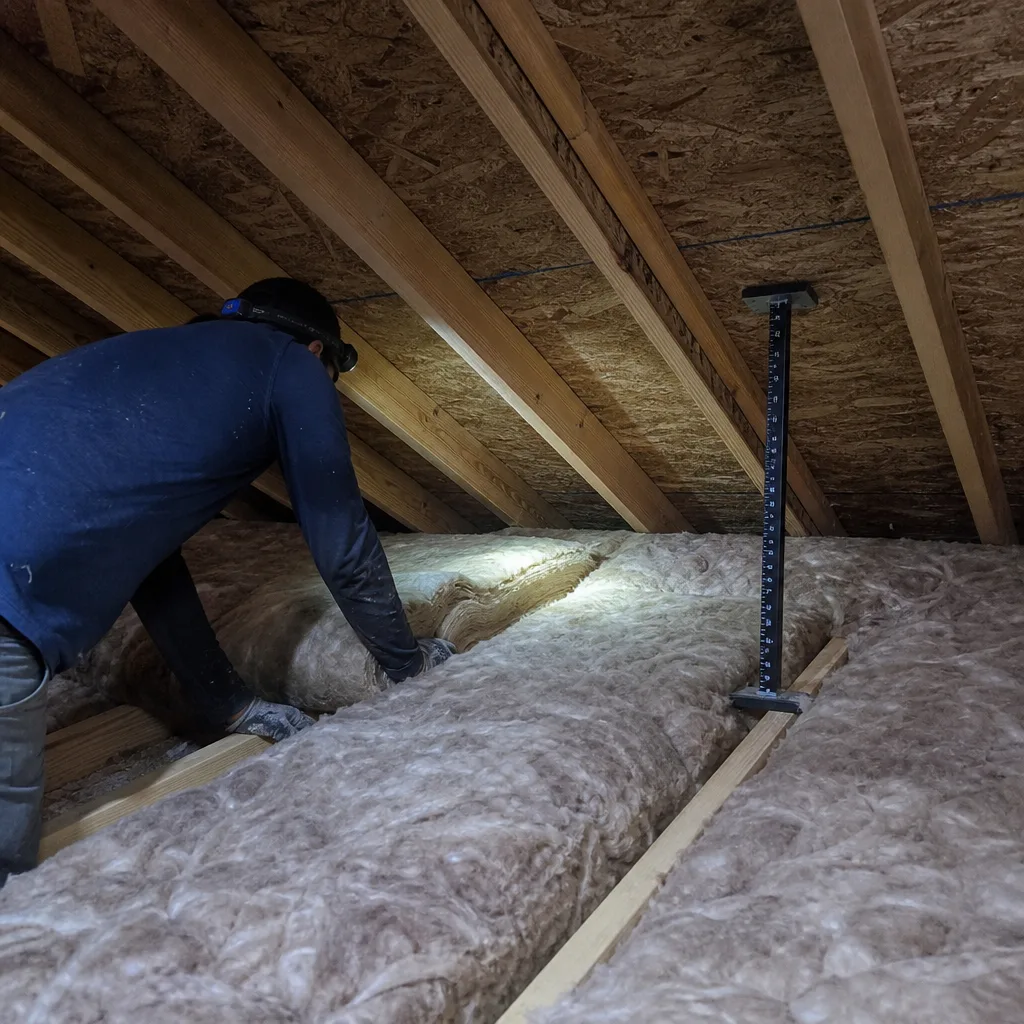
The crawl space vapor barrier market has no shortage of 6-mil poly sheeting sold at home improvement stores for around thirty cents per square foot. We don’t install it, and here’s the specific reason: a 6-mil liner tears when a homeowner, a plumber, or an HVAC technician crawls across it – which happens more often than people expect. Once it tears and the tear goes unaddressed, the liner is providing spot coverage rather than a continuous ground seal.
We source materials from suppliers that carry products from manufacturers like Owens Corning, and we specify a minimum 12-mil reinforced liner on every job – moving to 20-mil when soil conditions or access frequency warrants it. The reinforcement layer in a heavier liner resists puncture from gravel, root intrusion, and foot traffic in a way that commodity sheeting doesn’t. The other half of the equation is the seam tape. A liner installed with non-compatible tape will delaminate at the seams within one to two Texas summers. We use tape rated for the liner we’re installing and document every seam with photographs before we close the job.
This isn’t a sales point about brands. It’s a description of what actually fails in the field – and why we photograph it all so you can see what we did and how it was done.
Crawl Space Vapor Barriers and Leander’s Soil
Williamson County’s soil profile – predominantly Austin chalk and Houston Black clay – behaves in a way that surprises homeowners who relocated from drier climates. Clay expands when it’s wet and contracts when it dries out, and it holds moisture for an extended period after a rain event. The practical effect on a crawl space is that ground moisture readings stay elevated for weeks after rainfall, even when the surface looks dry.
We see this pattern most clearly in the spring and early winter, when Leander picks up the majority of its annual rainfall. A vapor barrier installed correctly – with the liner sealed to the wall and piers wrapped – holds up to that cycle without lifting, wrinkling, or letting moisture bypass the seal at the perimeter. One that’s simply rolled out and left flat without wall termination will allow moisture to wick up the foundation wall above the liner’s edge and continue migrating into the framing. That’s the most common installation error we find when we inspect vapor barriers that were installed by other contractors.
What the 365-Day Done Right Promise Covers
When a Topside Attic Insulation Leander crew finishes a vapor barrier installation, you receive the Documented Photo Record, the written scope that was agreed to before work started, and the written warranty. The 365-Day Done Right Promise means that if anything about the installation doesn’t match the written scope – a seam that wasn’t sealed, a pier that wasn’t wrapped, a wall termination that pulled away – we come back and make it right. Not at a reduced rate. Not as a warranty repair with a service call fee. We make it right because Wes Okafor’s name is on the scope and the photo record both.
That’s not a customer service sentiment. It’s the operating standard we’ve applied to every one of the 9,000-plus jobs completed since 2016, and it’s what “Haven Standard: Done Right” means in practice.
Vapor Barrier vs. Full Encapsulation: Which Does Your Leander Home Need?
A vapor barrier addresses ground moisture specifically – the moisture emanating from the dirt floor of your crawl space. Full Crawl Space Insulation and encapsulation goes further: it seals the foundation walls, conditions the air inside the crawl space with a supply duct or a dedicated dehumidifier, and turns the crawl space from a semi-outdoor environment into a controlled one. The vapor barrier is always the first component of a full encapsulation system; it is not a lesser version of encapsulation, it’s the foundation layer.
If your crawl space shows elevated ground moisture but the walls are dry and you have adequate ventilation keeping humidity in range, a vapor barrier alone may be the right scope. If your walls show efflorescence or condensation, if your crawl space is unvented or poorly vented, or if you’re seeing humidity problems that persist through summer, encapsulation with active humidity control is more likely to solve the problem durably. Our inspection will tell you which situation you’re in – and the written scope will reflect exactly that, nothing more and nothing less. You can read through the full encapsulation approach on our Crawl Space Encapsulation & Vapor Barrier in Leander page.
FAQs – Crawl Space Vapor Barrier
How much does a crawl space vapor barrier cost in Leander, TX?
Most crawl space vapor barrier installations in Leander run between $1,200 and $3,800, depending on the crawl space square footage, liner thickness, and the amount of debris or prep work required. For a detailed breakdown, see How Much Does Crawl Space Encapsulation & Vapor Barrier Cost? (2026 Price Guide) - Leander, TX. A smaller crawl space under 1,000 square feet with clean ground conditions will come in near the lower end; a larger footprint with heavy debris, multiple interior piers, and elevated soil moisture that warrants a 20-mil liner will run closer to the top of that range. You’ll have the exact number in writing before any work starts – call (737) 252-7159 to schedule a free estimate.
What mil vapor barrier should be installed in a crawl space?
A 12-mil reinforced polyethylene liner is the minimum we install on any residential crawl space. We move to a 20-mil liner when soil moisture readings are elevated, when the crawl space will require periodic access by HVAC or plumbing trades, or when the ground surface is rocky or graveled and presents a higher puncture risk. Six-mil commodity sheeting – the type sold at home improvement stores – tears too easily under foot traffic and doesn’t seal reliably at seams over time. The mil rating matters less than the reinforcement layer in the liner and the quality of the seam tape used to join panels.
Can a crawl space vapor barrier be installed without full encapsulation?
Yes. A vapor barrier installed across the ground surface and sealed to the foundation wall at the perimeter is a complete, standalone scope of work. Full encapsulation – which includes sealing the foundation walls and conditioning the air inside the crawl space – is an extension of that system, not a replacement for it. Whether a vapor barrier alone is sufficient depends on your specific crawl space conditions. Our inspection will identify whether you’re dealing with ground moisture specifically, or with a broader humidity control problem that requires the full encapsulation system to resolve.
How long does a crawl space vapor barrier last?
A properly installed 12-mil or 20-mil reinforced liner, with sealed seams and wall terminations, will typically last 15 to 25 years under normal conditions. The main factors that shorten liner life are punctures from foot traffic left unrepaired, seam tape failure from using incompatible products, and wall terminations that weren’t anchored and sealed correctly. We document every seam and penetration with photographs so you have a record of the installation condition from day one – which makes it straightforward to identify any specific area that needs attention if an issue develops years later.
Schedule a Free Crawl Space Estimate in Leander
If you’re seeing any of the conditions described on this page – musty odors, soft floors, visible moisture, deteriorated insulation – the fastest way to know exactly what you’re dealing with is an on-site inspection. Call (737) 252-7159 to reach a live person at Topside Attic Insulation Leander. We serve Leander and the surrounding areas, and we schedule inspections without charging for the estimate. You’ll leave the call with a scheduled time and the name of the technician coming out. Under the Haven Standard, you’ll get a text when they’re on the way.
The written price comes before any work starts. The Documented Photo Record comes when we leave. That’s how every crawl space vapor barrier job in Leander works when we do it.
Written by Wes Okafor, Owner at Topside Attic Insulation Leander, serving Leander.